
In 2025, people in Tokyo found ¥4.5 billion (about US$30 million) in cash lying around the city and carried it to the police. Most of it, about ¥3.2 billion, went back to the people who had dropped it.
Key facts Expected height
- 大津波警報 (ōtsunami keihō), Major Tsunami Warning
- Over 3 meters; the first warning for a giant quake may simply say 巨大, "huge"
- 津波警報 (tsunami keihō), Tsunami Warning
- 1 to 3 meters; may first say 高い, "high"
- 津波注意報 (tsunami chūihō), Tsunami Advisory
- 0.2 to 1 meter
On this page
- Crime in numbers, and what they mean for you
- Kabukicho, Roppongi and the bar bill
- Pickpockets, and the wallet that comes back
- Chikan and the women-only cars
- The koban, 110 and 119
- Bicycles, cars and the left side of the road
- When the ground moves
- Tsunami warnings
- Typhoons, heavy rain and heat
- The apps and alerts that warn you
- What the travel advisories say
That is the Japan everyone has heard about, and it is real: you can walk most city streets at midnight without a second thought. But “safe” is not the same as “nothing happens”, and the things that do happen to visitors follow a pattern: a friendly tout in a nightlife district, a hand on a packed morning train, a bill nobody agreed to. And then there’s the ground itself, which moves more often here than almost anywhere else on earth.
I would take the crime risks about as seriously as you would in any big city at home, and the heat, typhoons and earthquakes more seriously than most first-timers do.

Crime in numbers, and what they mean for you
The National Police Agency counted 774,142 Penal Code offenses in 2025, or 6.3 for every 1,000 people. That has risen four years in a row since the postwar low of 2021, which is what makes Japanese headlines, but it is still barely a quarter of the 2002 peak of 2,853,739.
Japan recorded 976 murders in 2025, a figure that counts attempts as well, and 1,428 robberies, in a country of about 124 million. Of the 258,733 street crimes in the National Police Agency’s 2025 crime report, 172,654 were stolen bicycles.

Sex offense figures have climbed steeply since 2019, and the police tie much of that rise to the 2023 Penal Code reform, which widened the legal definitions. And a low national average says nothing about one street at 2 a.m.: the trouble visitors meet clusters in a handful of places.
Kabukicho, Roppongi and the bar bill
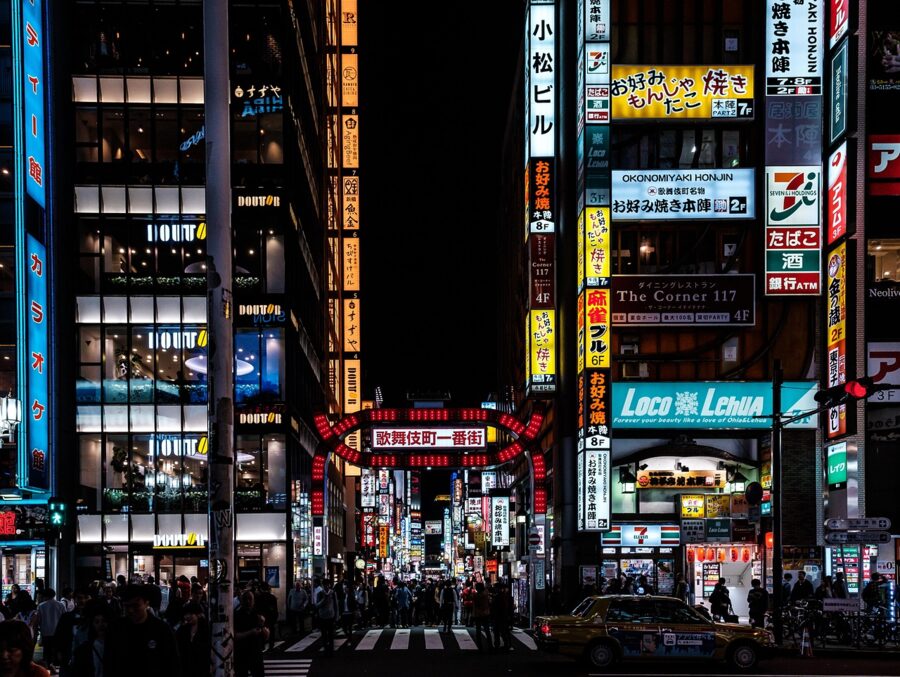
The Tokyo Metropolitan Police and Britain’s Foreign Office name the same four Tokyo districts: Kabukicho in Shinjuku, Roppongi, Shibuya and Ikebukuro. These are not no-go zones; millions of people go out in them every week without incident.
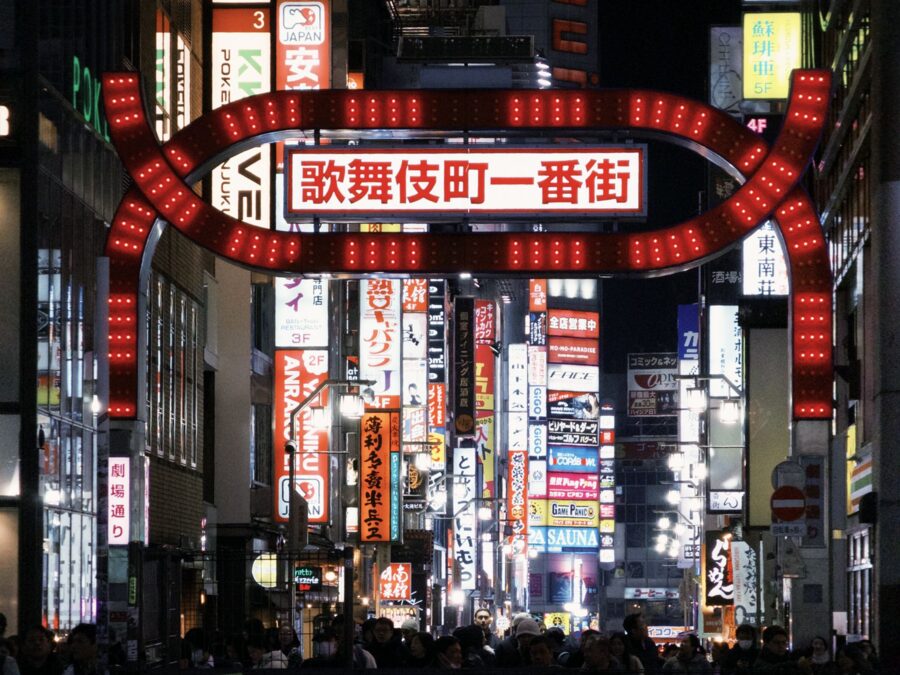
The problem is a particular person: the street tout, 客引き (kyakuhiki). He is usually friendly, often speaks good English, and offers cheap drinks, a free first round or “just a look” at a bar. Touting is illegal and still everywhere. The Tokyo police advice for visitors says touts and rip-offs aimed at foreigners are on the rise and puts the rule in four words: do not follow them.
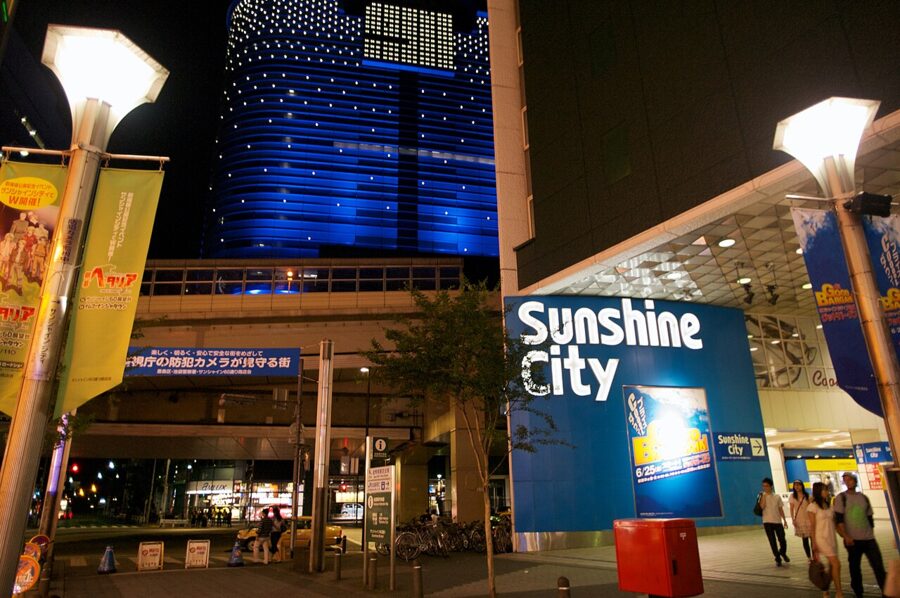

The pattern the police describe is a partner bar, a few drinks, and then a bill far beyond anything you ordered, or charges run up on your card while you’re too drunk to notice. Britain’s Foreign Office notes that some British visitors have been arrested after disputes over bills like these, so arguing on the spot is not a plan.

Drink spiking and the card
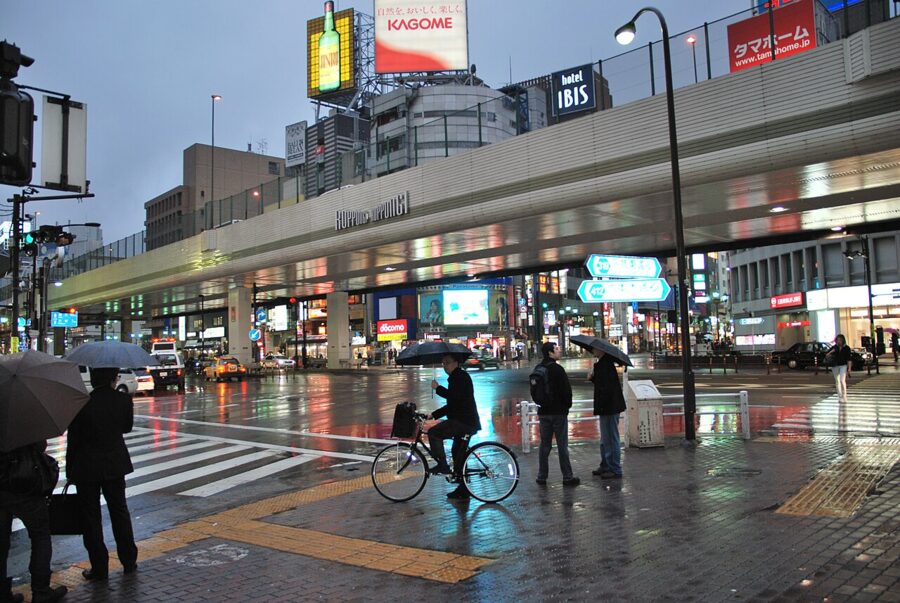
The nastier version adds drugs. The UK government’s safety advice for Japan reports victims waking with no memory of the night and charges on their credit card running from hundreds to tens of thousands of pounds. Most of the British cases started in Kabukicho, with an approach in English on the street.
A few habits cover nearly all of it:
- Pick your own bar or club, and walk away from anyone who picks it for you.
- Ask for the menu with prices, and the cover charge, before you sit down. In Japanese bars a seat charge, チャージ (chāji), is normal; the surprise version is not.
- Keep your drink in your hand and don’t accept one you didn’t watch being poured.
- Carry one card with a low limit at night and leave the rest at the hotel.
If you think you’ve been drugged, robbed or overcharged, get to somewhere staffed and public, call 110, and report it before you fly home. A police report filed in Japan is what your card issuer and your insurer will ask for.
Pickpockets, and the wallet that comes back
Pickpocketing exists in Japan, mostly where people are packed together: rush-hour trains, festival crowds, Shibuya Crossing, the airport. The Tokyo police advice is plain. Keep your bag closed, keep it in front of you on trains, and don’t leave a phone on a café table just because everyone around you does.
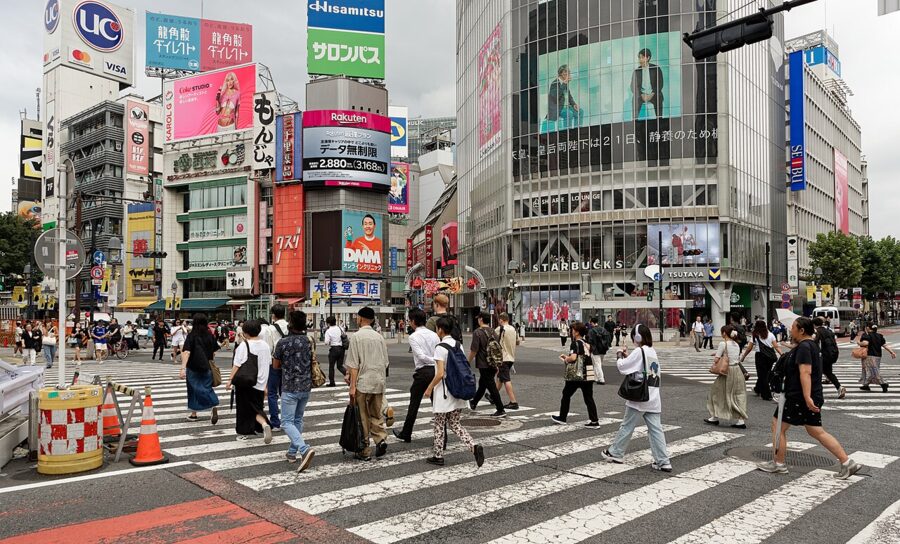

Far more visitors lose things than have them stolen, and here Japan earns its reputation. Tokyo’s police took in about 4.5 million found items in 2025, including 338,104 wallets and purses, according to the Tokyo police lost property figures. Habit does most of it, and the law helps: a finder who hands something in can claim 5 to 20 percent of its value from the owner, or keep it if nobody claims it within three months.
How to get it back
Anything left on a train or bus goes first to that operator’s lost property office, お忘れ物取扱所 (o-wasuremono toriatsukaijo), usually for a few days, before it moves to the police. Taxi companies keep what’s left in their cars. Ask there first, with the time, the line and a description.
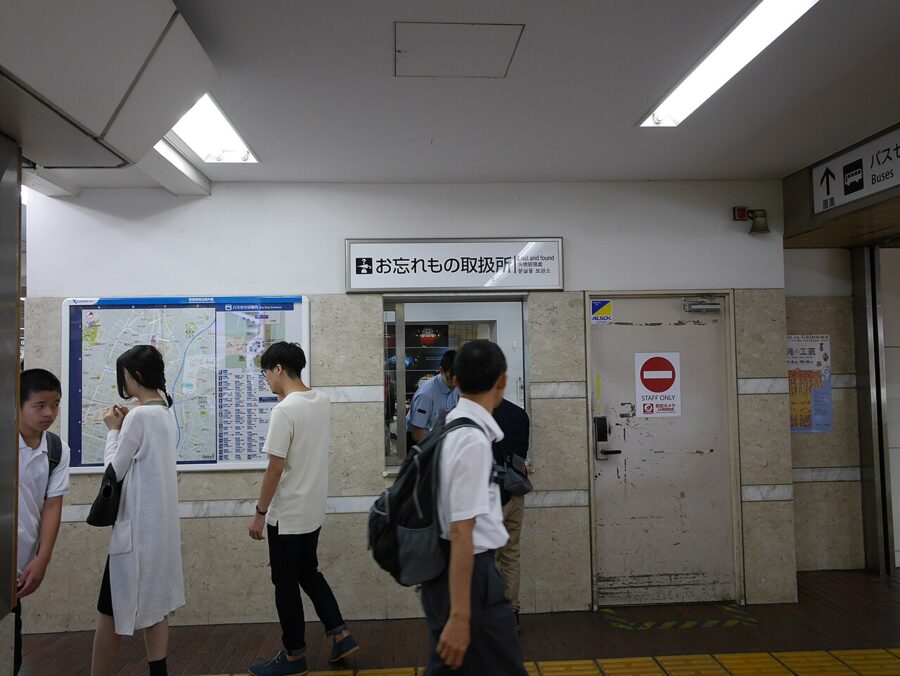

Then file a lost property report, 遺失届 (ishitsu todoke), at any police box or station. The Tokyo police lost property page has the details that catch visitors out. The police want a Japanese phone number and as a rule don’t make international calls, so give them your hotel’s.
Found items are held for three months, and once you’ve left Japan the police will ship only to an address in Japan, so a friend or your hotel has to receive it. For a lost passport, report it to the police and contact your embassy, which will tell you whether it needs a police certificate.
Chikan and the women-only cars
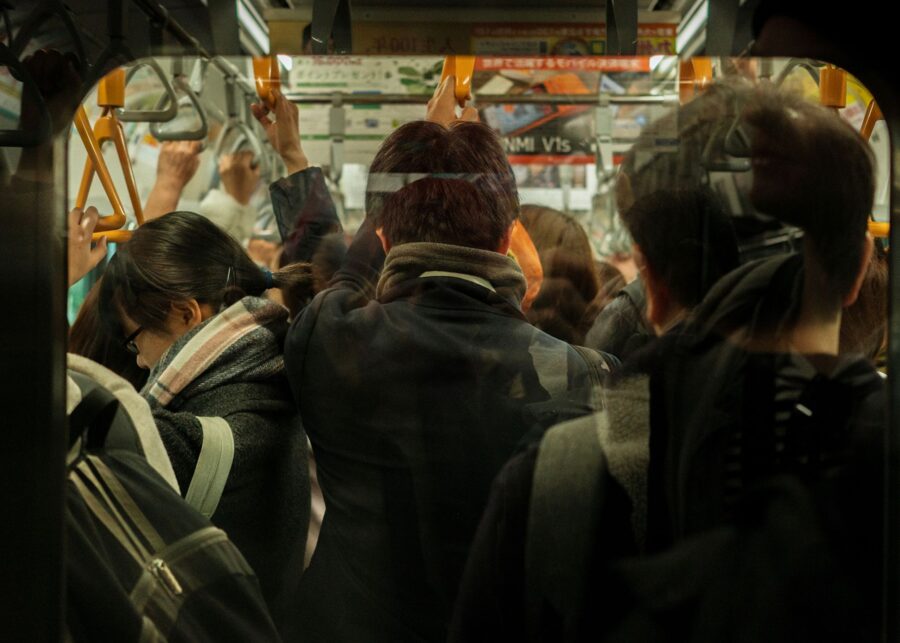
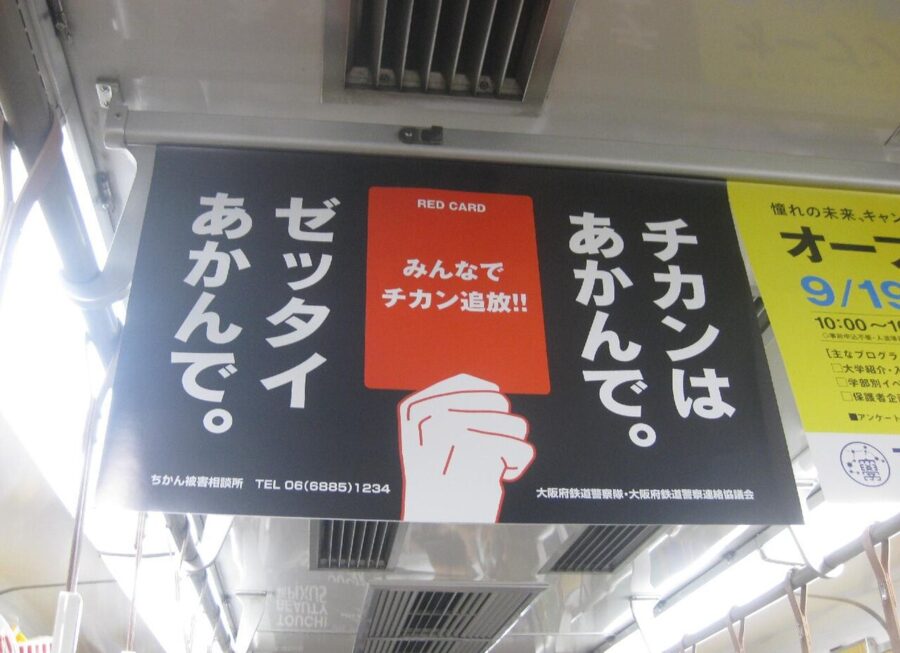
Groping on crowded trains has a name in Japan, 痴漢 (chikan), and everyone knows the word. It is a crime under every prefecture’s nuisance ordinance, and the worst cases fall under the Penal Code’s non-consensual indecency article, which recorded 7,193 offenses in 2025. Secret photography added 9,962 offenses under a 2023 law.
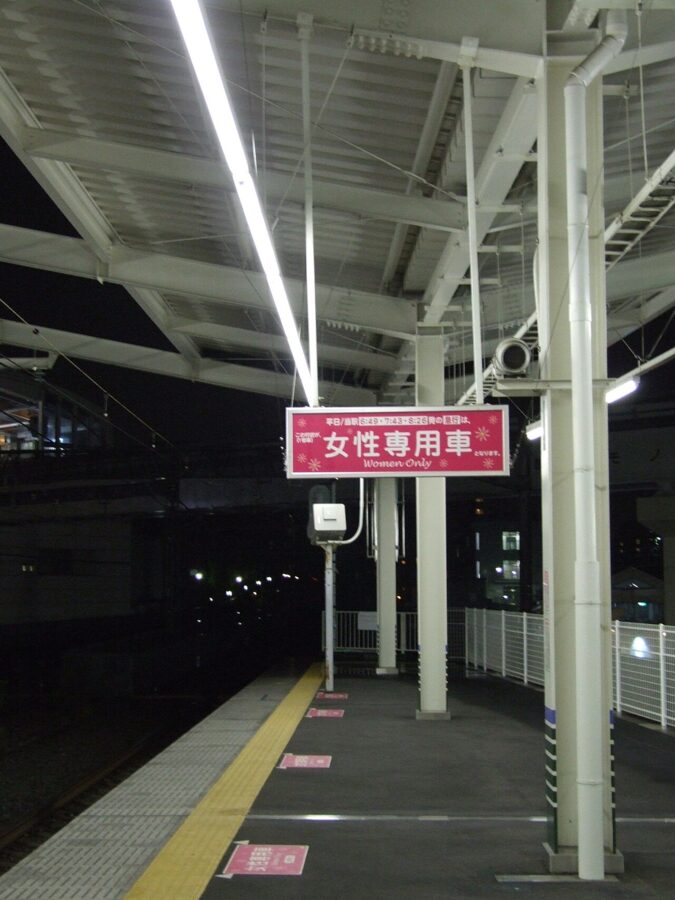

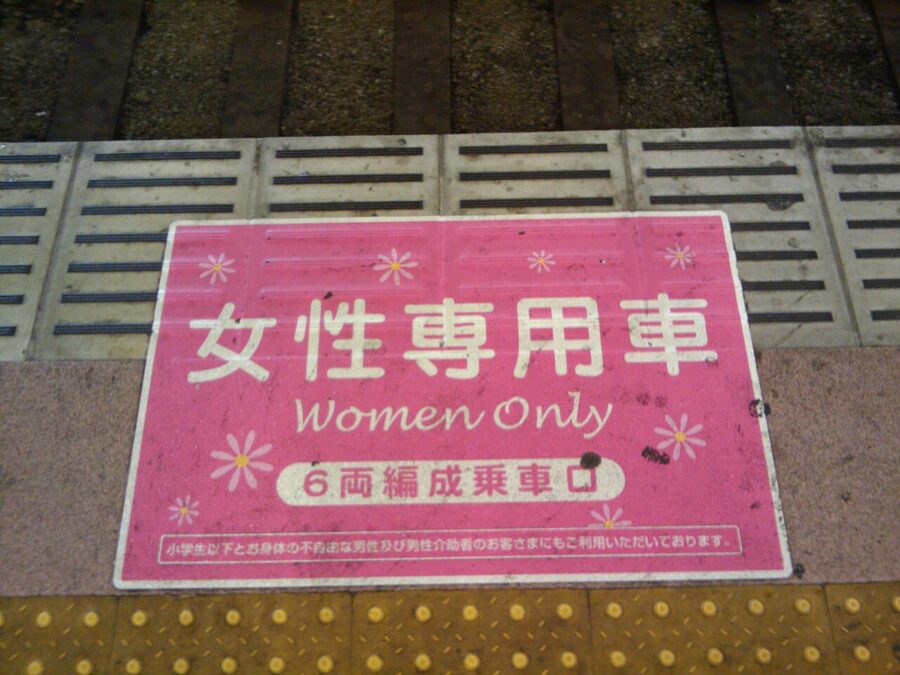
The railways’ answer is the women-only car, 女性専用車 (josei senyōsha). On Tokyo Metro’s lines these run in the morning rush, from the first train until about 9:30 a.m., with times varying by line. Children up to elementary school age, passengers with disabilities and their carers can ride too. The rule rests on cooperation, not fines, but men should check the floor markers before queuing.
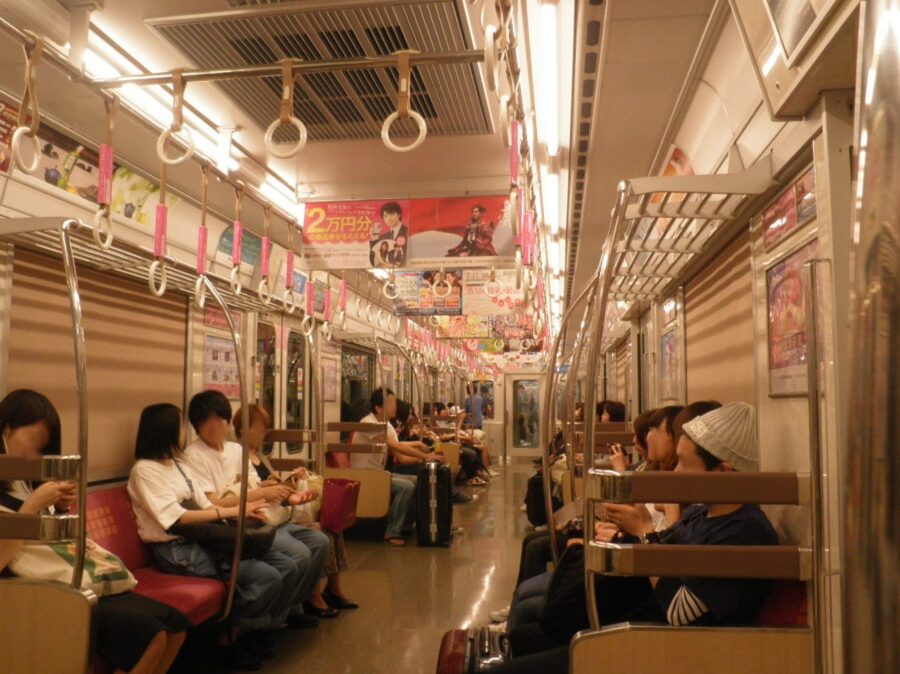

Women travel alone in Japan all the time and most never meet any of this. If it does happen, the advice from British officials and the Japanese police is the same: make noise. Say やめてください (yamete kudasai, please stop) loudly, or 痴漢です (chikan desu, this is a groper), and ask the people around you to help. Get off at the next station and go to the staff, who will call the police.
Phones sold in Japan make a shutter sound you can’t switch off, a voluntary industry rule aimed at secret photography. A click behind you on an escalator is worth turning around for.
The koban, 110 and 119
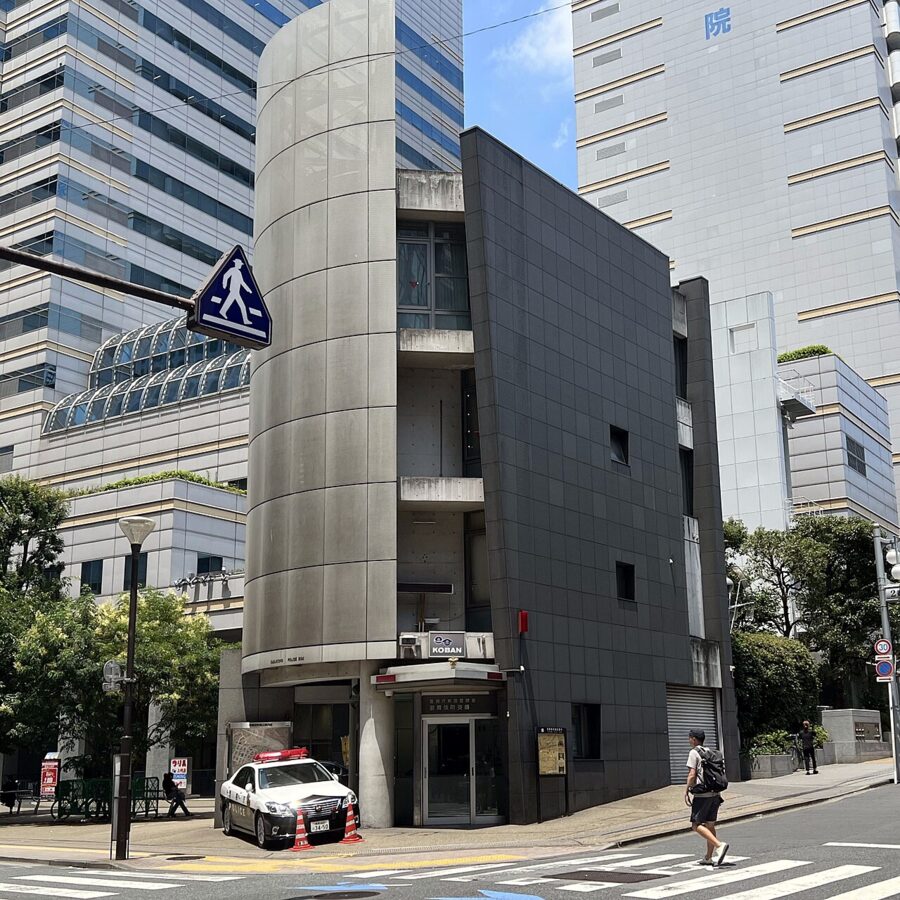
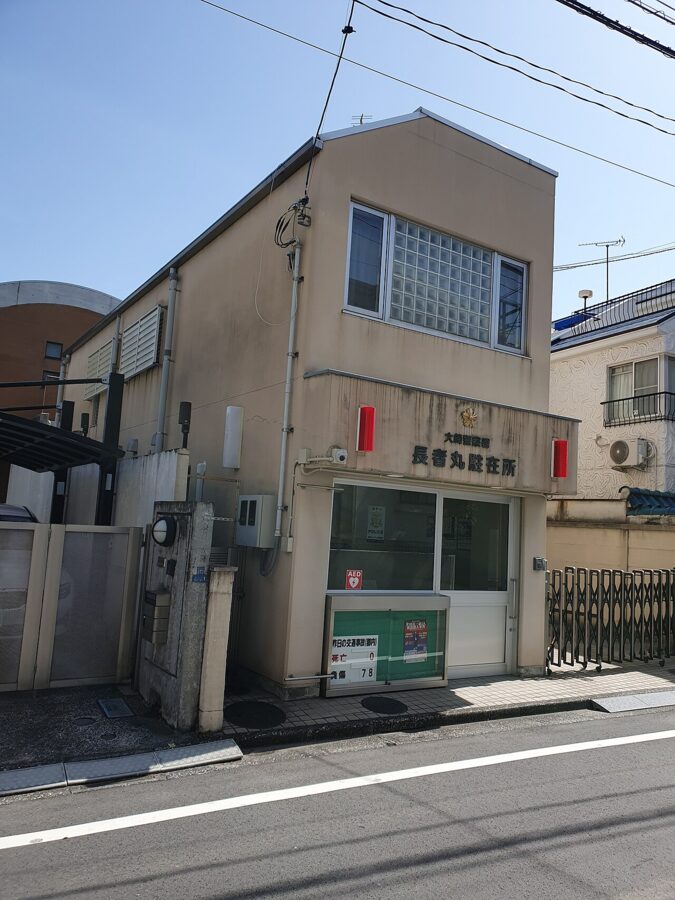
The small police box on the corner is a 交番 (kōban), marked with the word KOBAN and a red lamp over the door. There are thousands of them, and they handle everything: directions, lost property, a stolen phone, a drunk who won’t leave you alone. In quieter neighborhoods and the countryside you’ll see a 駐在所 (chūzaisho) instead, a police post where the officer lives on site. Tokyo’s police tell visitors to head to the nearest one for almost any problem.
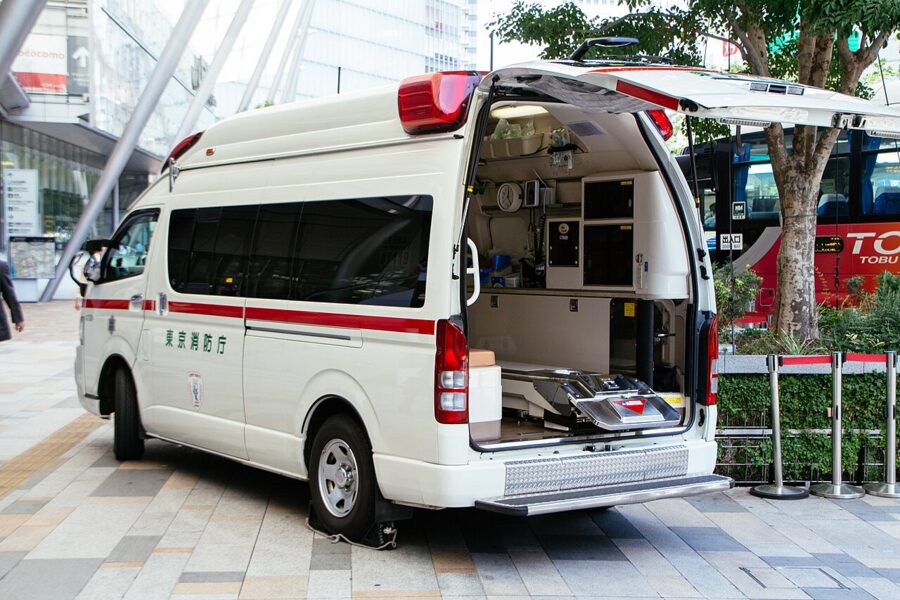
The two numbers to know work from any phone, including a foreign mobile, and the call is free:
- 110: police, for a crime, an accident or any danger right now.
- 119: fire and ambulance. Say 救急車 (kyūkyūsha) for an ambulance, which costs nothing in most of Japan, or 火事 (kaji) for a fire.
- #9110: the police advice line for things that aren’t emergencies, such as a scam that already happened or a neighbor problem. Tokyo’s police say English is available.
For anything else, from a medical question to a train stranded by a typhoon, call the Japan Visitor Hotline. JNTO runs it 24 hours a day, every day of the year, in English, Chinese and Korean. Its number is on that page; save it in your phone before you land.

Words to have ready
Operators will ask what happened and where you are, and the second is the hard one. A station name, a hotel or a map pin all help, and so does handing the phone to a Japanese speaker. These cover most of it:
- 助けて (tasukete): help!
- 警察を呼んでください (keisatsu o yonde kudasai): please call the police.
- 救急車を呼んでください (kyūkyūsha o yonde kudasai): please call an ambulance.
- 財布をなくしました (saifu o nakushimashita): I’ve lost my wallet.
Two laws are worth knowing too. You must carry your passport at all times, and the police can ask to see it. And Japan’s drug laws are severe enough to include some ordinary medicines: Adderall, for one, is banned outright. If you take anything on prescription, check it against Japan’s rules on visas and customs before you pack.
Bicycles, cars and the left side of the road
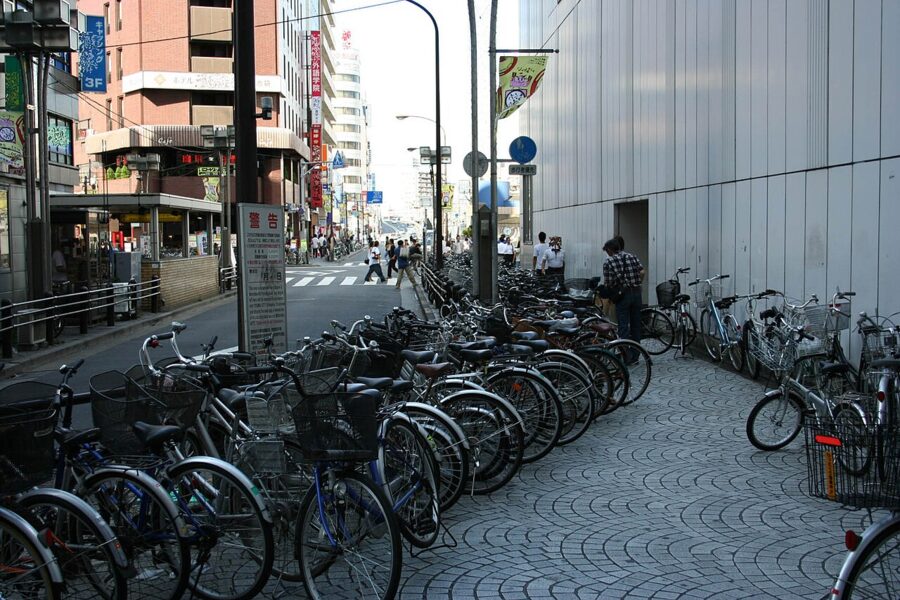
Traffic is a likelier way to get hurt than crime. Cars drive on the left, so look right first when you step off the curb, and watch for bicycles, which ride on sidewalks where signs allow it and come up behind you without a sound.
If you rent a bike, know that the rules got teeth on April 1, 2026, when cyclists aged 16 and over joined the traffic ticket system, the 青切符 (ao-kippu, blue ticket). As of November 2026, riding while using a phone costs ¥12,000 (about US$80), running a red light ¥6,000 and cycling with an umbrella ¥5,000. Riding a bicycle after drinking is a criminal offense, so the bike is not your ride home from the izakaya.
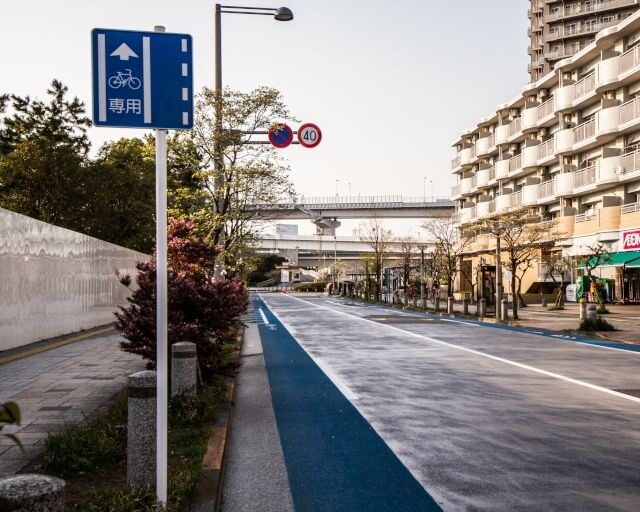

To drive, you need the 1949 Geneva version of the International Driving Permit alongside your license (a few countries, among them Germany, France and Switzerland, use an official Japanese translation instead), and Japan’s drink-driving limit is so low that the only safe amount is none. Passengers who knew the driver had been drinking can be charged too.
When the ground moves
Japan feels thousands of earthquakes a year, and most visitors who notice one get a few seconds of swaying. Shaking is measured on Japan’s own scale, 震度 (shindo), from 0 to 7, and that is the number the news will give you. Anything up to shindo 4 rattles windows; from 5-lower up, things start falling off shelves.
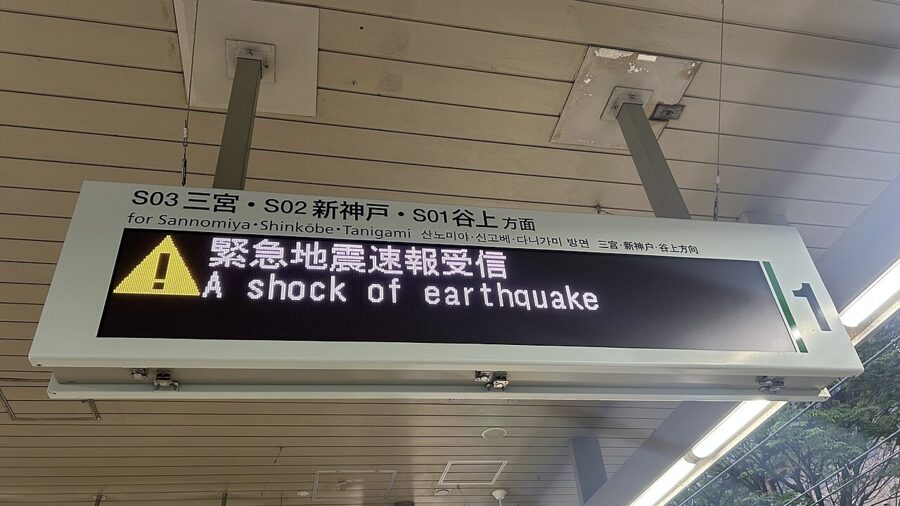
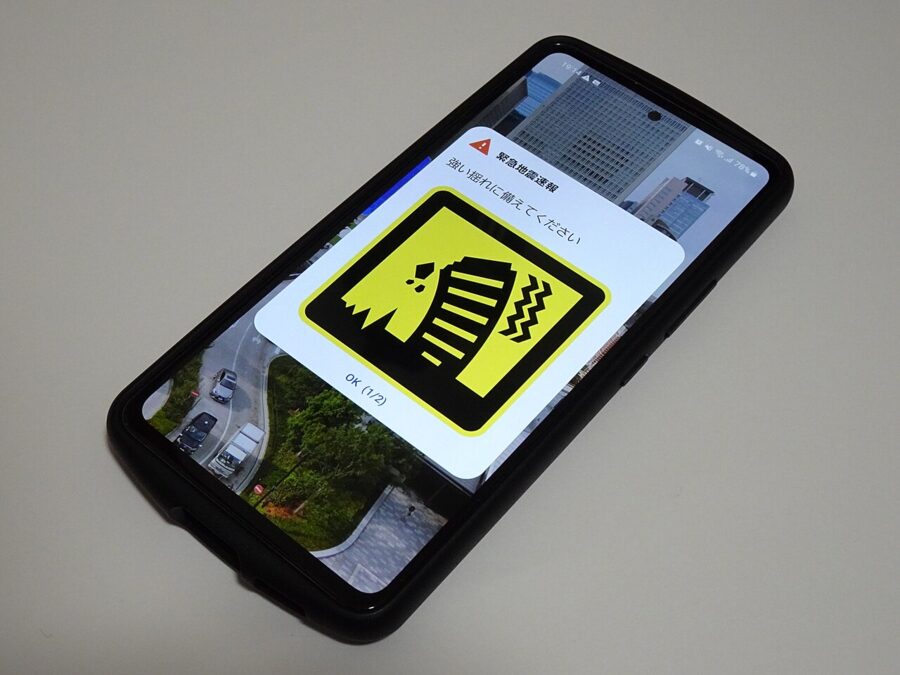
The warning comes first. The Japan Meteorological Agency’s Earthquake Early Warning, 緊急地震速報 (kinkyū jishin sokuhō), goes out when strong shaking is expected and can arrive a few seconds before it does. TVs, station boards and phones all carry it, with a chime that every resident recognizes. Near the epicenter it may come too late, so treat strong shaking itself as the warning.
When it comes, get low, cover your head and hold on to something solid, under a table if there is one. Don’t run outside while the ground is moving, because the danger on a Japanese street is glass and signs coming down from above. In an elevator, press every floor button and get out at the first one that opens. Afterward, put shoes on before you walk around, and follow hotel or station staff, who have drilled for this.

The megaquake advisories
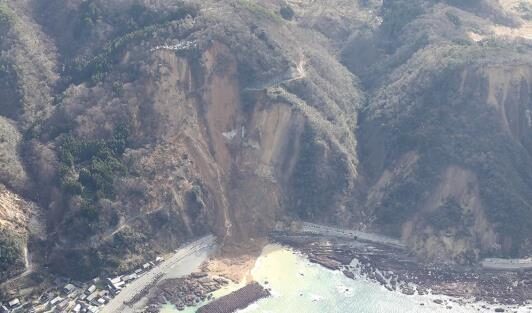
Since 2024 the agency has more than once issued an advisory that a bigger earthquake had become more likely. The first covered the Nankai Trough in August 2024; the latest followed a magnitude 7.7 quake off the Sanriku coast on April 20, 2026: the Hokkaido and Sanriku subsequent earthquake advisory. The April quake reached 5-upper in Aomori and sent a tsunami of about 80 centimeters into Kuji port in Iwate.
These advisories last a week and ask for nothing more than readiness, and so far the big one has not followed. They are not a reason to cancel a trip. They are a reason to know your hotel’s exits and keep a charged phone, which you should be doing anyway.

Tsunami warnings
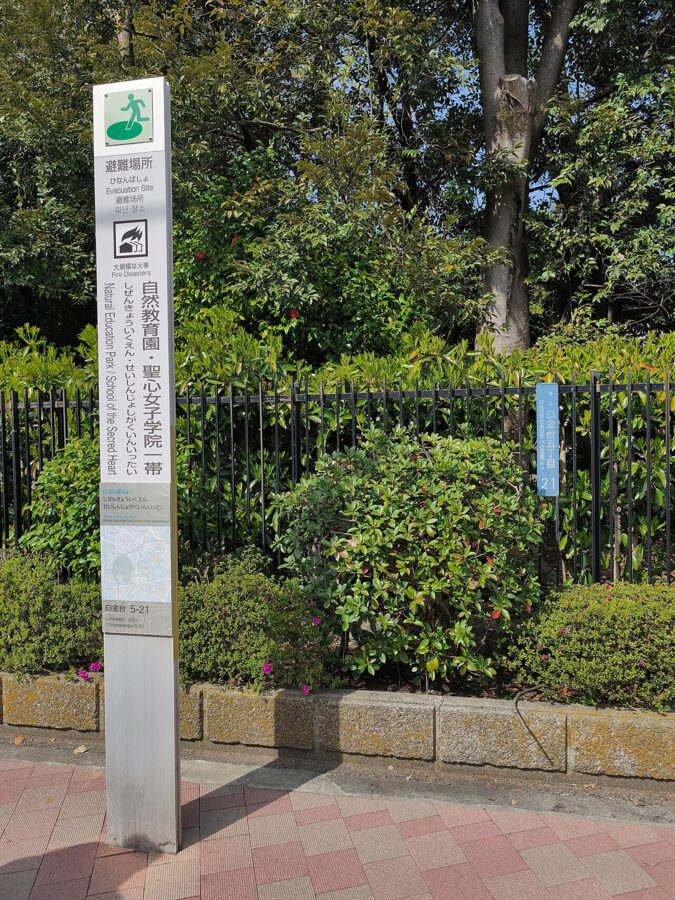
If you’re on the coast and the shaking is strong, or weak but long, walk uphill without waiting to be told. The agency aims to issue tsunami warnings about three minutes after a quake, but when the epicenter is close a wave can arrive sooner than that.
| Warning | Expected height | What to do |
|---|---|---|
| 大津波警報 (ōtsunami keihō), Major Tsunami Warning | Over 3 meters; the first warning for a giant quake may simply say 巨大, “huge” | Get to high ground or an evacuation building immediately |
| 津波警報 (tsunami keihō), Tsunami Warning | 1 to 3 meters; may first say 高い, “high” | Leave the coast and riverbanks for high ground now |
| 津波注意報 (tsunami chūihō), Tsunami Advisory | 0.2 to 1 meter | Get out of the water and away from the shore |
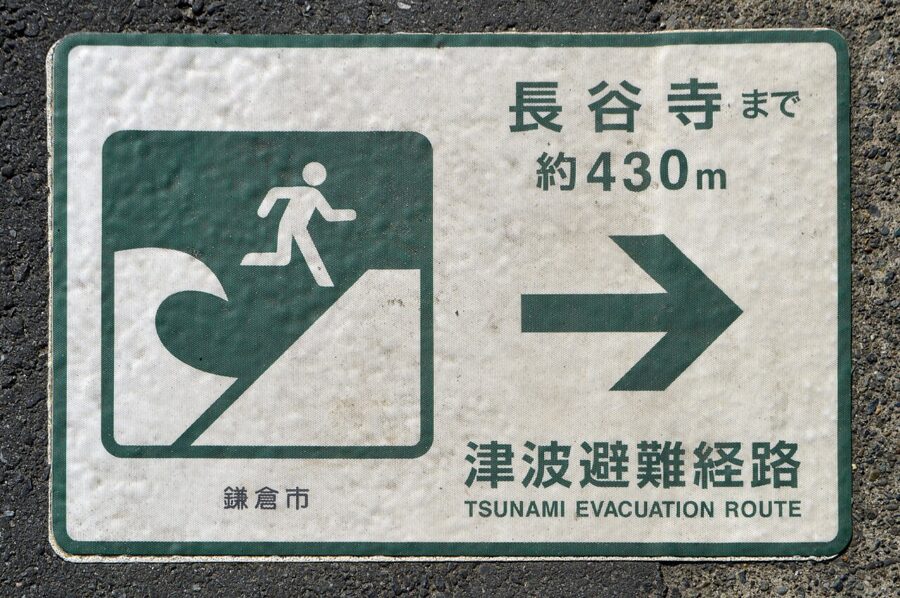
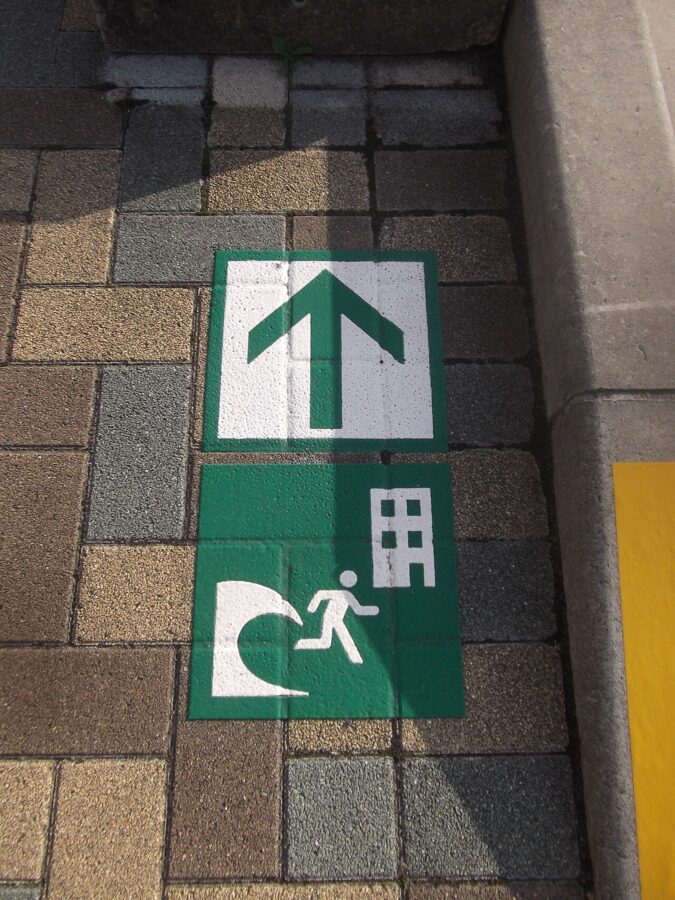
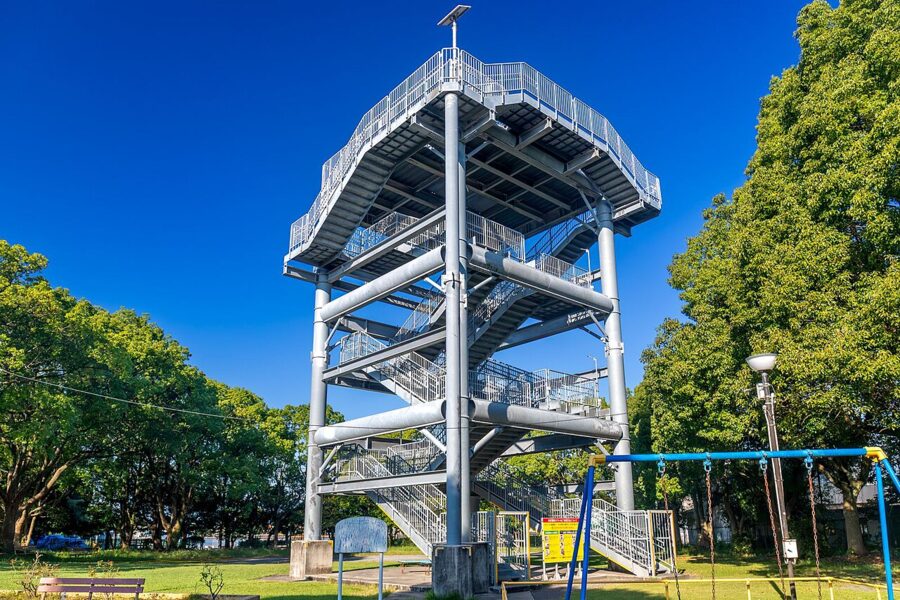
Tsunami come in several waves over hours, and the first is not always the largest. Stay up high until the warning is lifted. On flat coasts with no hills, the answer is a designated tsunami evacuation building or tower, and the signs point the way.


Typhoons, heavy rain and heat
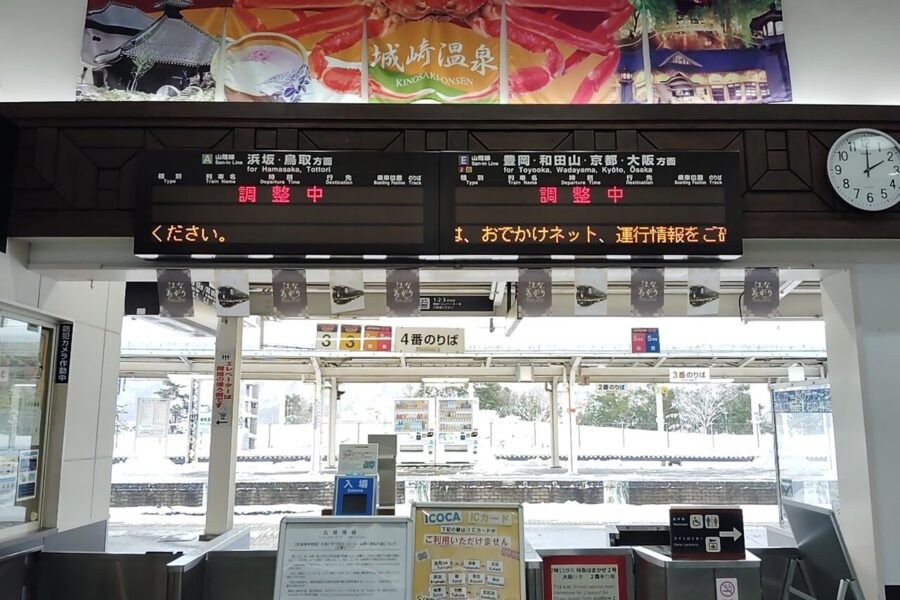
Typhoons, 台風 (taifū), are numbered rather than named in Japan, so the news talks about Typhoon No. 10. The season runs roughly June to December and peaks between July and September, worst in Okinawa and the southwest. Unlike earthquakes, they come with days of warning: watch the forecasts, and expect railways to announce a 計画運休 (keikaku unkyū, planned suspension) the day before a big one, sometimes stopping a whole region’s trains for an afternoon.
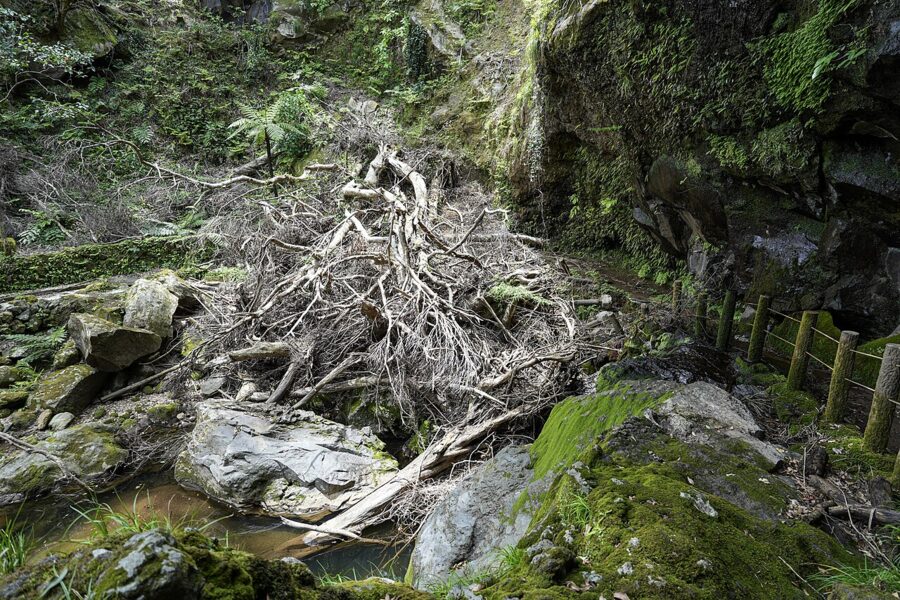

The rainy season in June and early July brings floods and landslides to mountain valleys too, so hiking plans then need a backup. When the season matters to your dates, the guide to the best times to visit Japan sets out the months.

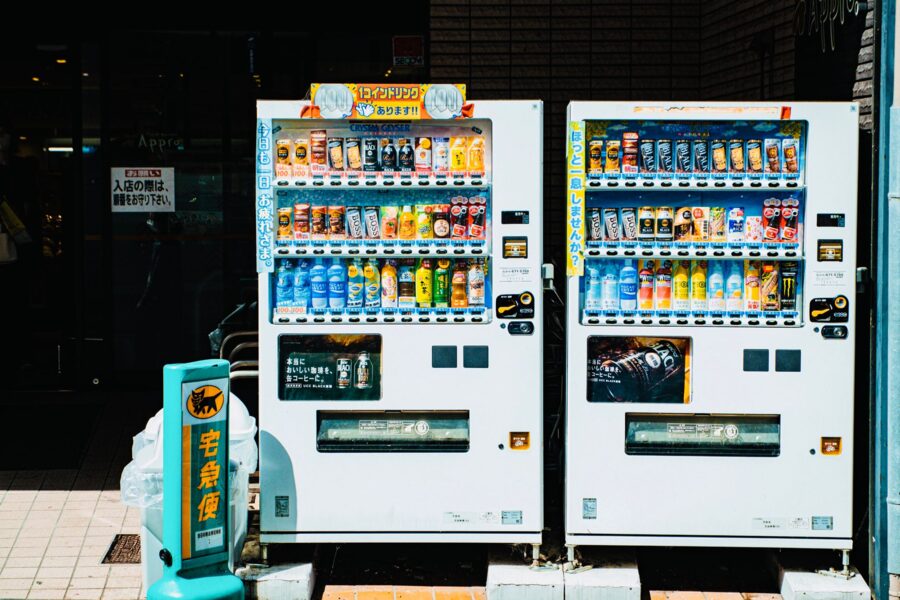
The hazard first-timers plan for least is heatstroke, 熱中症 (netchūshō). July and August regularly pass 35°C (95°F), with humidity that makes it feel worse. The Ministry of the Environment issues a heatstroke alert for each prefecture on the worst days, and a special alert for the extreme ones; the 2026 alert season ran until October 21. On those days I would do the temples early, spend the afternoon indoors, and buy a drink at every other vending machine.
Bears
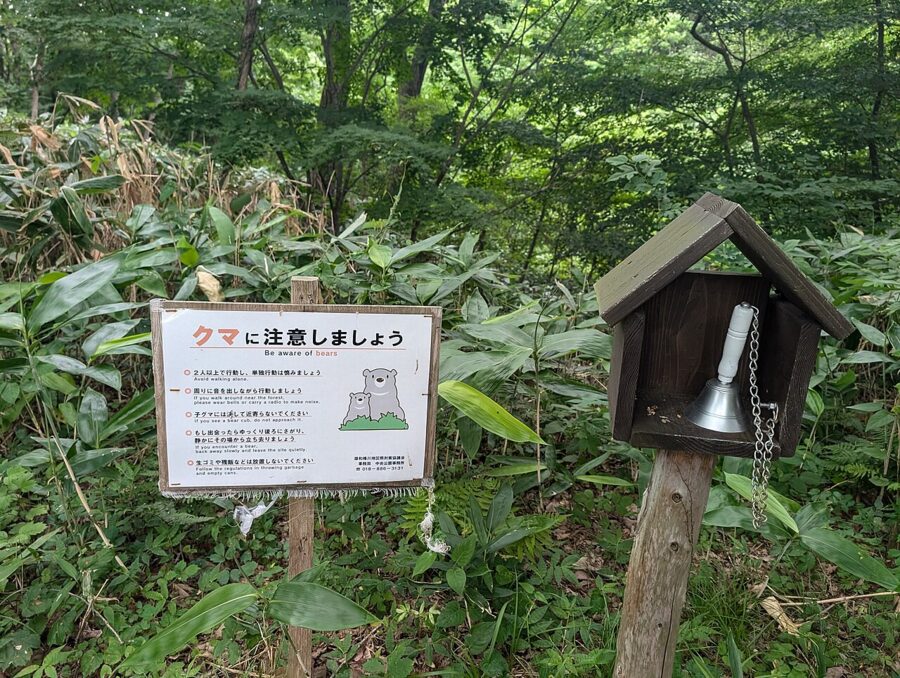
One newer risk belongs on the list. Japan’s Ministry of the Environment recorded 238 people injured or killed by bears in the year to March 2026, 13 of them fatally, by far the worst year on record. Most attacks were in the forested north of Honshu, and some were on the edges of towns. If you hike in Tohoku or Hokkaido, carry a bell, don’t walk alone, take your food waste with you, and check local sighting notices before you set out.

The apps and alerts that warn you
The one app to install is Safety tips, made under the Japan Tourism Agency for visitors. It pushes Earthquake Early Warnings, tsunami warnings and weather warnings in English and more than a dozen other languages, and adds a flowchart of what to do and phrases to show people around you. It’s free, and it needs data, which is one more reason to sort out phone rental or a SIM before you arrive. For English news during anything big, NHK World-Japan has a free app too.

Then there’s J-Alert, the government system that broadcasts warnings when North Korea fires a missile toward Japan. The siren and phone message tell you to get inside a sturdy building or underground, away from windows. The Cabinet Secretariat’s civil protection site explains it in English, and Safety tips carries these alerts too. No missile has yet landed on Japanese territory, but follow the instruction when one comes.
What the travel advisories say
The US State Department rates Japan at Level 1, Exercise Normal Precautions, the lowest of its four levels, as of November 2026. It’s the rating for countries where nothing stands out, and Japan’s carries no separate crime indicator.
Britain’s advice covers the same ground, spiking and bears included, and adds two legal points worth knowing. Police in Japan can hold a suspect for up to 23 days before charge, even for minor offenses, and Tokyo and some other cities ban smoking on the street outside marked areas. For money, manners and the rest of the practical picture, start with the general travel information.
Back to the cash in Tokyo’s lost property office. A country where strangers hand in ¥4.5 billion a year is not a place to be nervous in. Keep your own drink, say no to the tout, and learn 交番 and 避難場所 before you land; the rest of Japan will take care of itself.