Stage 6 of 8

Japanese Language

You can travel Japan without speaking Japanese, but a few dozen words change the trip. A greeting, a thank-you and the two signs for exit and entrance, 出口 and 入口, do more work than a whole phrasebook.

Japanese is written in three scripts at once: hiragana for grammar, katakana for borrowed words such as コーヒー (kōhī, coffee), and kanji for most nouns. Menus and station signs mix all three.

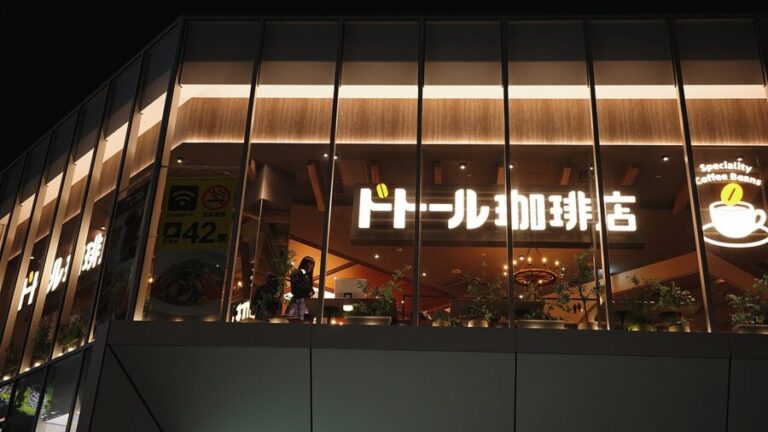
Café at night with the sign ドトール珈琲店, the chain name in katakana followed by kanji for coffee shop

Katakana: Reading Menus, Signs and Borrowed Words

The 46 katakana in a usable chart, how English words turn into katakana and back, the menu, shop and station words a visitor meets, the lookalikes, your own name, and a one-week plan to learn them after hiragana.
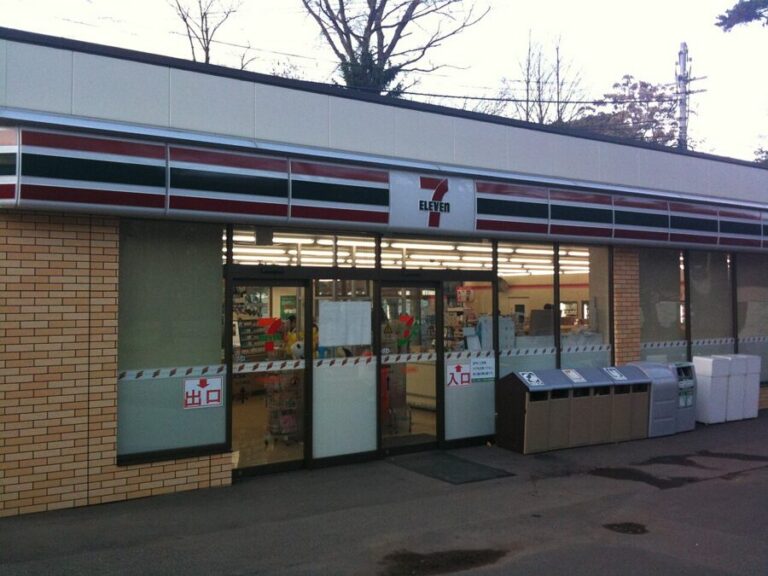
Glass doors of a convenience store in Sapporo with a red 出口 exit label on the left door and 入口 entrance label on the right

Kanji on Signs: the 30 a Visitor Actually Needs

The thirty or so kanji a visitor meets on Japanese signs, grouped by station, shop, bath and door, with readings, real signs taken apart, the number kanji on prices and banknotes, and how to look one up with a phone.

7Next stageUnderstanding JapanThe country behind the customs: Shinto and Buddhism, shrines and torii, the emperor and the flag, kimono, geisha, gardens and tea.