

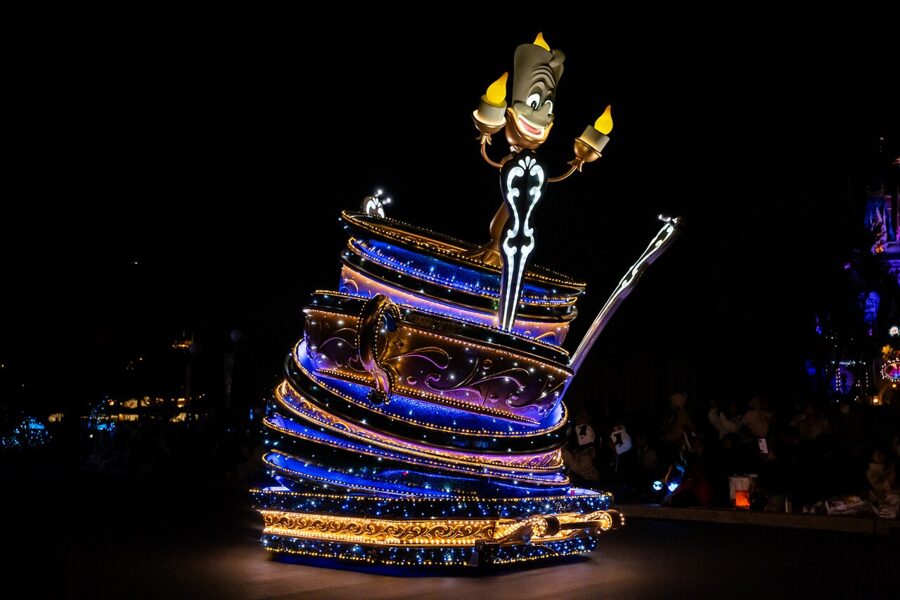
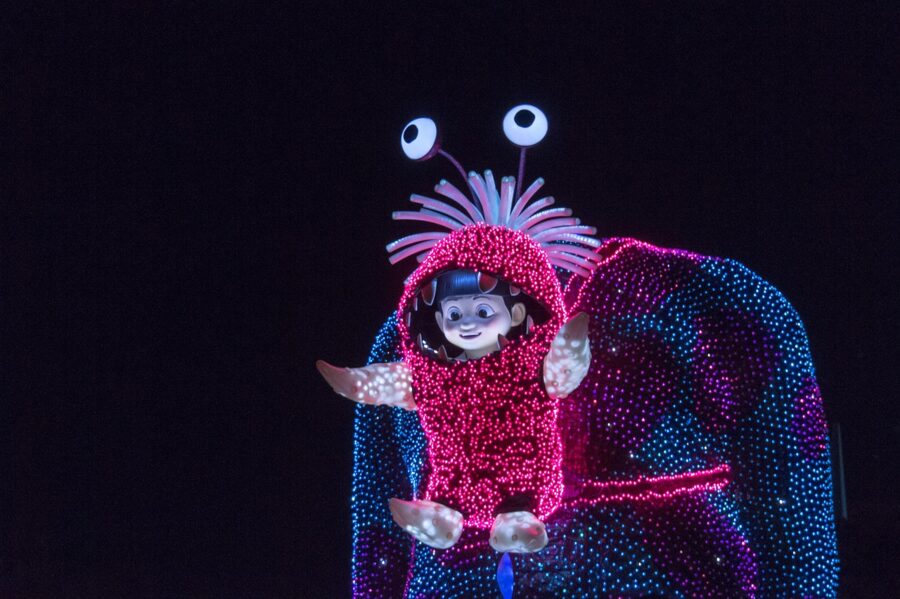
At seven o’clock on most evenings, Tokyo Disneyland Electrical Parade Dreamlights rolls out along the parade route in a blaze of bulbs. By then the best places along the curb have been taken for a long while, and the people in them are sitting on the ground. Nobody stands at the front of a parade in Tokyo, and once you know that, you know a lot about how this park works.
Key facts Land
- Enchanted Tale of Beauty and the Beast
- Fantasyland
- Pooh's Hunny Hunt
- Fantasyland
- Haunted Mansion
- Fantasyland
- Big Thunder Mountain
- Westernland
- Splash Mountain
- Critter Country
- The Happy Ride with Baymax
- Tomorrowland
- Monsters, Inc. Ride & Go Seek!
- Tomorrowland
- Star Tours: The Adventures Continue
- Tomorrowland
On this page
- What Tokyo Disneyland is
- The lands and the rides worth the queue
- Parades, the night show and where to stand
- Tickets and prices by date
- Premier Access, the app and getting in early
- A one-day plan, with small children and without
- What to eat: popcorn, churros and the Japan-only snacks
- Getting there from Tokyo and the airports
- Hotels in a paragraph
- When to go, and when not to
- Disneyland or DisneySea, if you only have one day
Tokyo Disneyland is the classic castle park, with the rides most people grew up with. It also has its own rules, app and snacks, and a first visit goes better when you know which rides deserve the morning, how the paid systems work, and why the date you pick sets both the price and the crowd.

Prices, show times and closures below are as of November 2026, and they change often.

What Tokyo Disneyland is
Tokyo Disneyland, 東京ディズニーランド (Tōkyō Dizunīrando), opened on April 15, 1983, in Urayasu, Chiba, on land reclaimed from Tokyo Bay. It was the first Disney park built outside the United States, 28 years after the original Disneyland opened in California. Japanese fans shorten it to ランド (Rando), “Land”, the same way they call its neighbor “Sea”.
The reason it feels a little different from the American parks is ownership. Oriental Land, a company founded in 1960 to reclaim that shoreline, signed a license with Disney in 1979 to build and run the park, and it still owns and operates it. That is why the tickets, the app, the prices and the rules are its own, and why a US annual pass or Disney gift card does nothing at the gate.

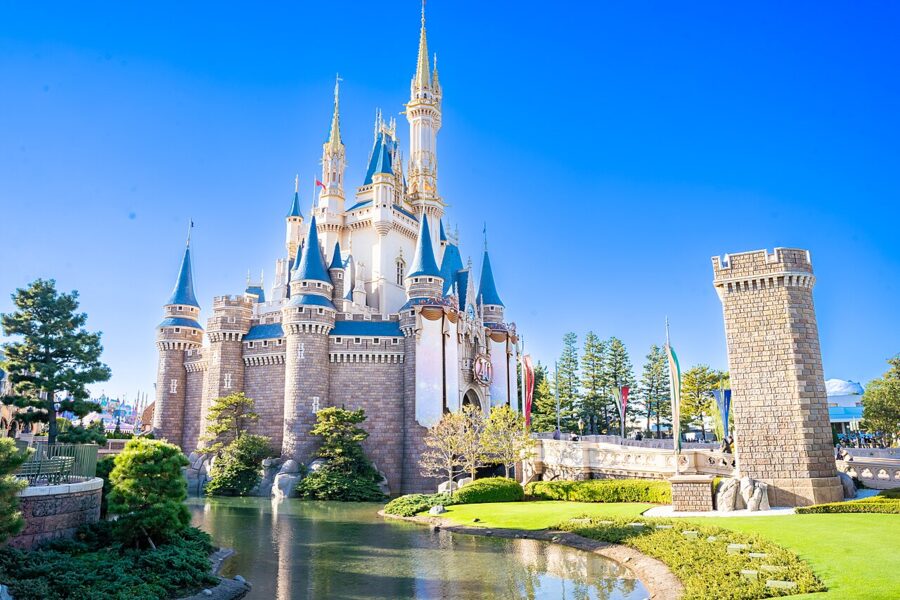
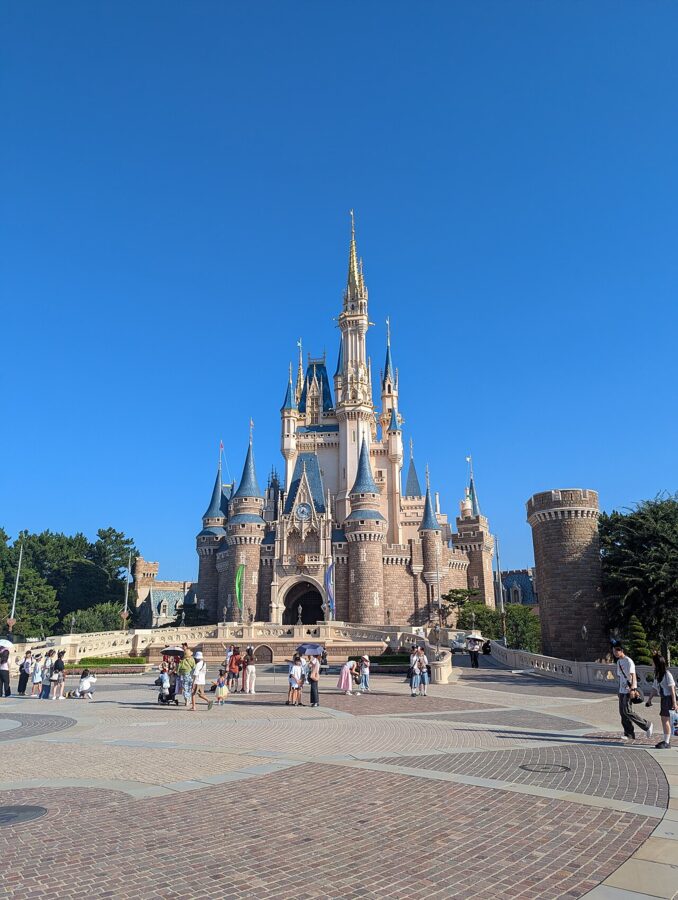
The park is laid out as seven lands around the castle: World Bazaar at the gate, then Adventureland, Westernland, Critter Country, Fantasyland, Toontown and Tomorrowland. World Bazaar is a street of shops and restaurants under a glass roof, a blessing on a wet day.
Next door is Tokyo DisneySea, the resort’s second park, opened in 2001. It has no castle and no parade route; it is built around water and aimed as much at adults as at children, with harder thrill rides and beer and wine on many menus. The two share one app and one set of ticket rules.
The lands and the rides worth the queue
The short version first. Disney Premier Access, the paid way past most of the line (explained below), is priced per person per ride.
| Ride | Land | Minimum height | Premier Access |
|---|---|---|---|
| Enchanted Tale of Beauty and the Beast | Fantasyland | None | ¥2,500 (about US$17) |
| Pooh’s Hunny Hunt | Fantasyland | None | ¥1,500 (about US$10) |
| Haunted Mansion | Fantasyland | None | ¥1,000 (about US$7), until January 7, 2027 |
| Big Thunder Mountain | Westernland | 102 cm (3 ft 4 in) | ¥1,500 |
| Splash Mountain | Critter Country | 90 cm (2 ft 11 in) | ¥1,500 |
| The Happy Ride with Baymax | Tomorrowland | 81 cm (2 ft 8 in) | ¥1,500 |
| Monsters, Inc. Ride & Go Seek! | Tomorrowland | None | ¥1,000 |
| Star Tours: The Adventures Continue | Tomorrowland | 102 cm | Not offered |
| Pirates of the Caribbean | Adventureland | None | Not offered |
Fantasyland and the area added in 2020
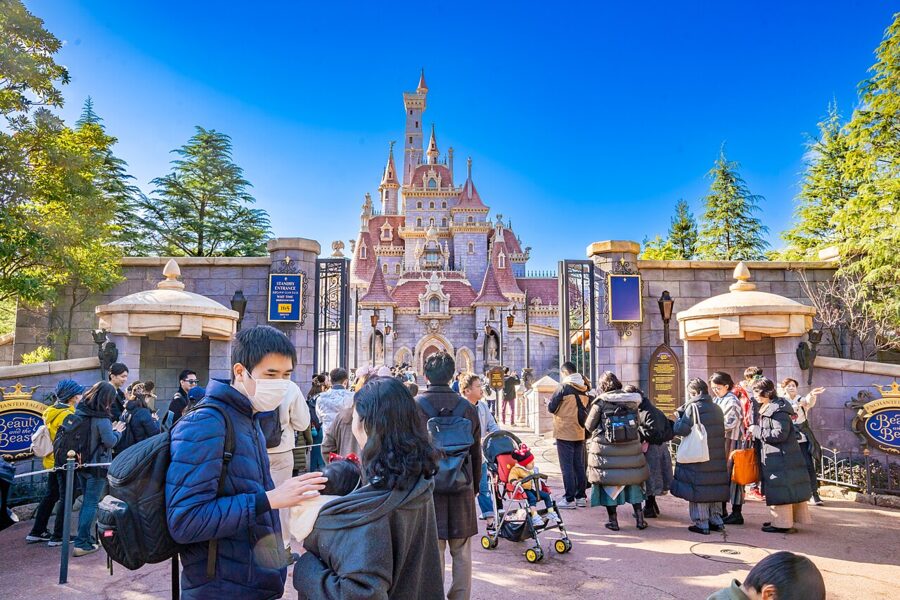
On September 28, 2020, the park opened a new corner of Fantasyland built around Beauty and the Beast, with a full-size castle for the Beast and Belle’s village at its foot. Its ride, Enchanted Tale of Beauty and the Beast, seats you in a dancing teacup that swirls through the film’s scenes for about eight minutes. It has the longest line in the park most days.

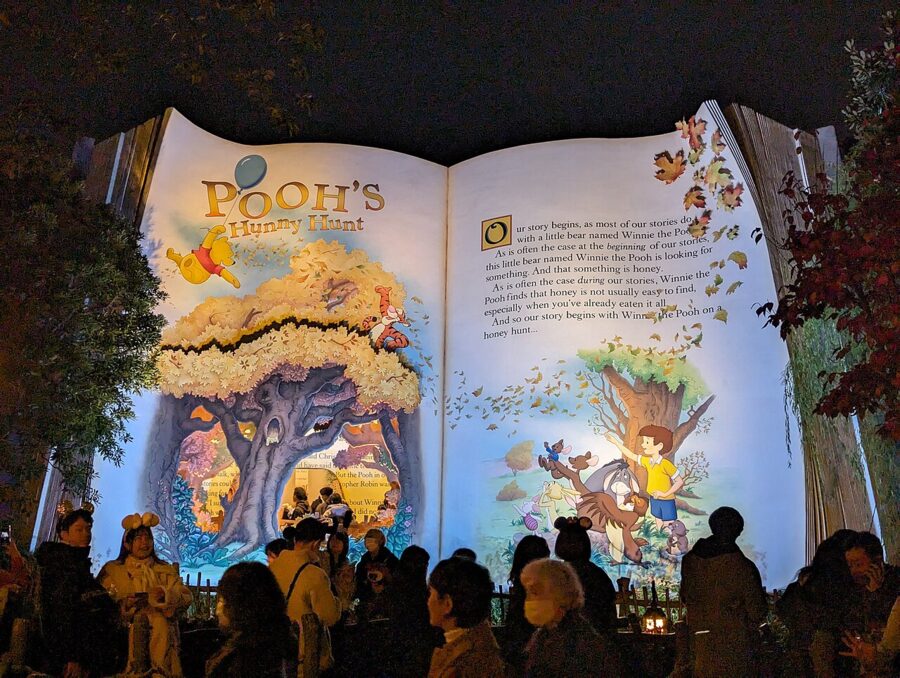
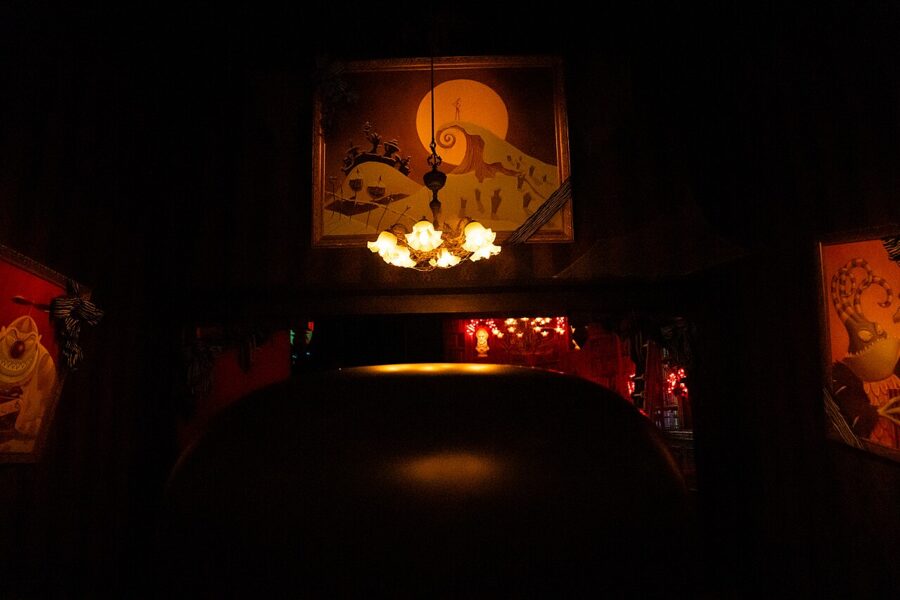
Pooh’s Hunny Hunt, next door, does something no American Pooh ride does: its honey-pot cars have no track and wander through the Hundred Acre Wood as if they had minds of their own. Haunted Mansion sits in Fantasyland here, and from September 15, 2026 to January 7, 2027 it runs its seasonal overlay, Haunted Mansion “Holiday Nightmare”, themed to The Nightmare Before Christmas.

The older rides, Peter Pan’s Flight, Snow White’s Adventures, Dumbo and the Castle Carrousel, suit small children. Cinderella’s Fairy Tale Hall, the walk-through inside the castle, has been closed since October 1, 2026, with no reopening date.

Westernland and Critter Country
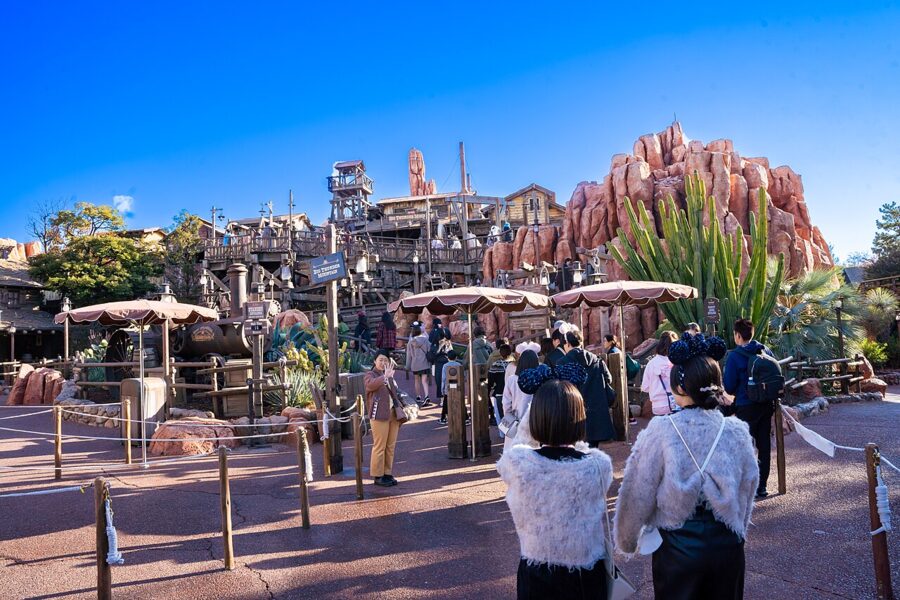
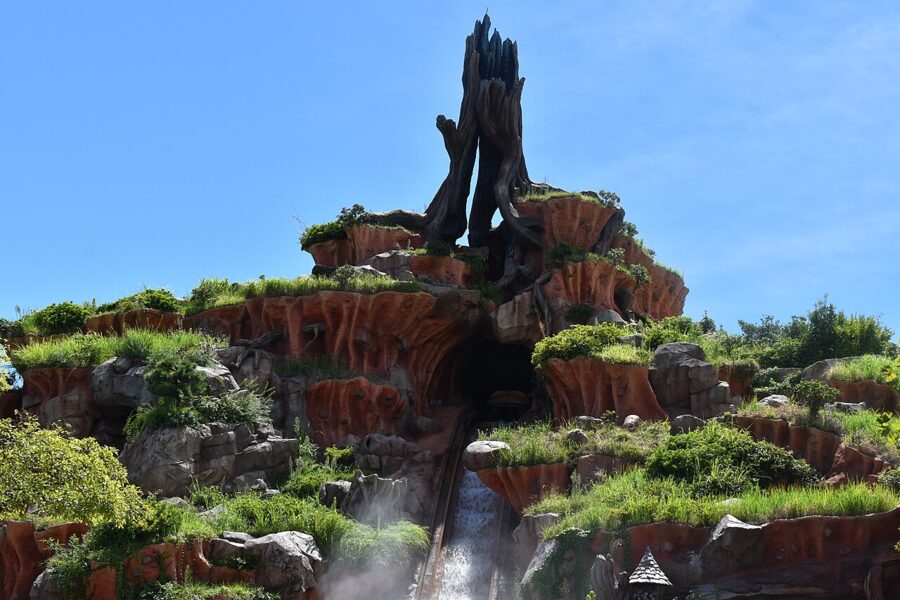
Big Thunder Mountain is a runaway mine train around red rock spires, about four minutes long, and the best coaster in the park for most adults. Splash Mountain, in Critter Country next door, is a long log-boat ride that ends with a steep drop under Chickapin Hill.

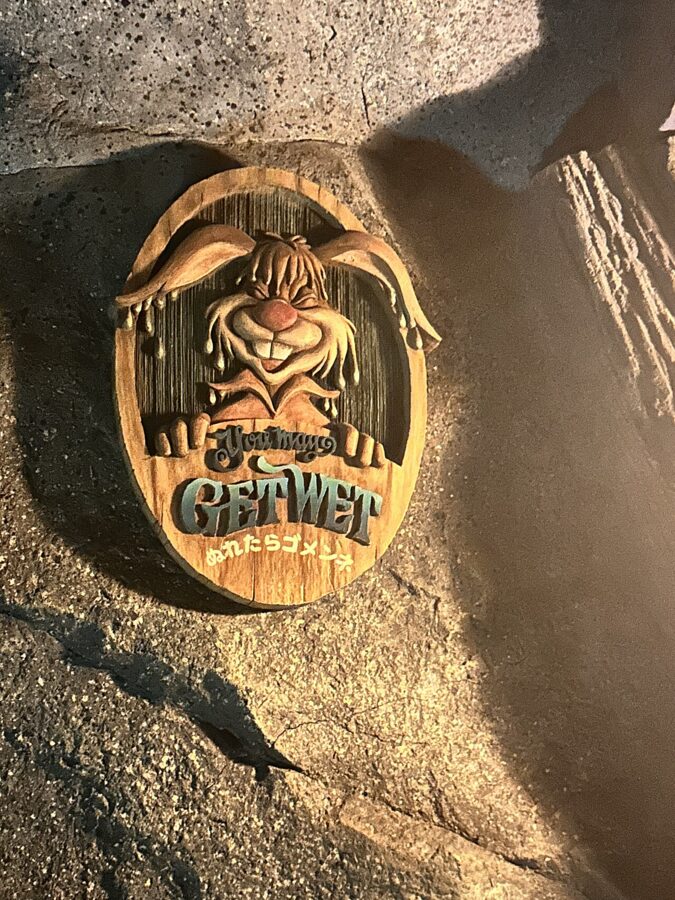
Look for the sign by the drop. It says “You May Get Wet” in English and, in Japanese, ぬれたらゴメンネ (nuretara gomen ne), “sorry if you get wet”. On a cold winter day, take the warning seriously.


Adventureland
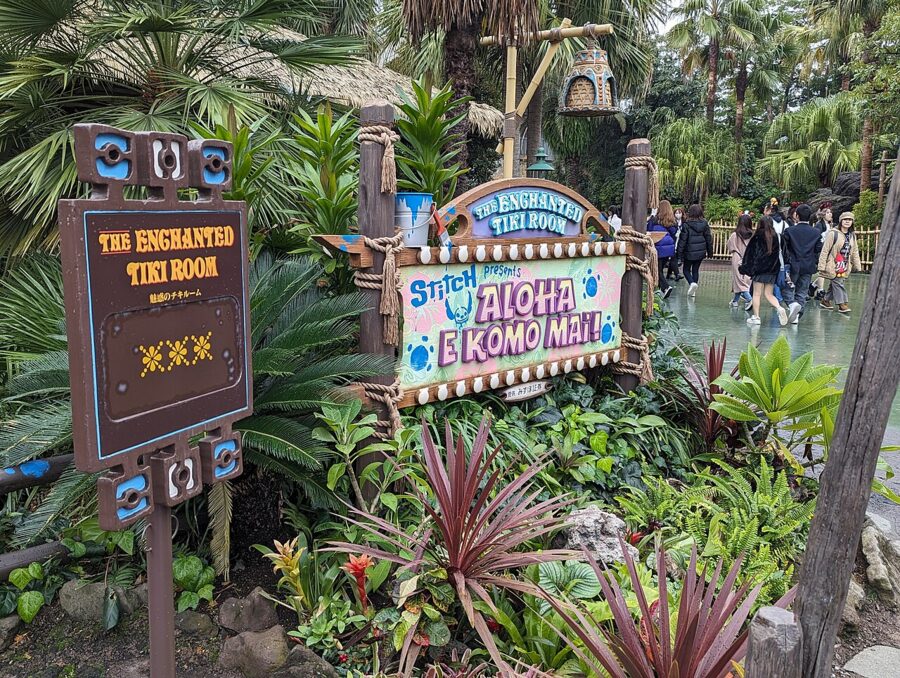
Pirates of the Caribbean and the Jungle Cruise are the anchors here, with the Western River Railroad, a steam train through three lands. The Enchanted Tiki Room has been taken over by Stitch, who barges in on the singing birds. Expect the Jungle Cruise to be closed from January 6 to March 31, 2027.

Toontown
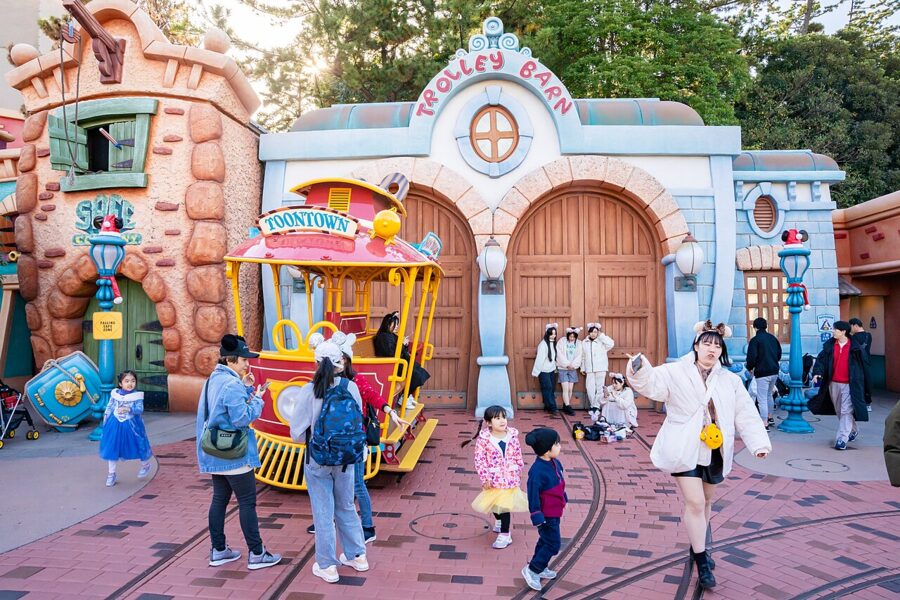
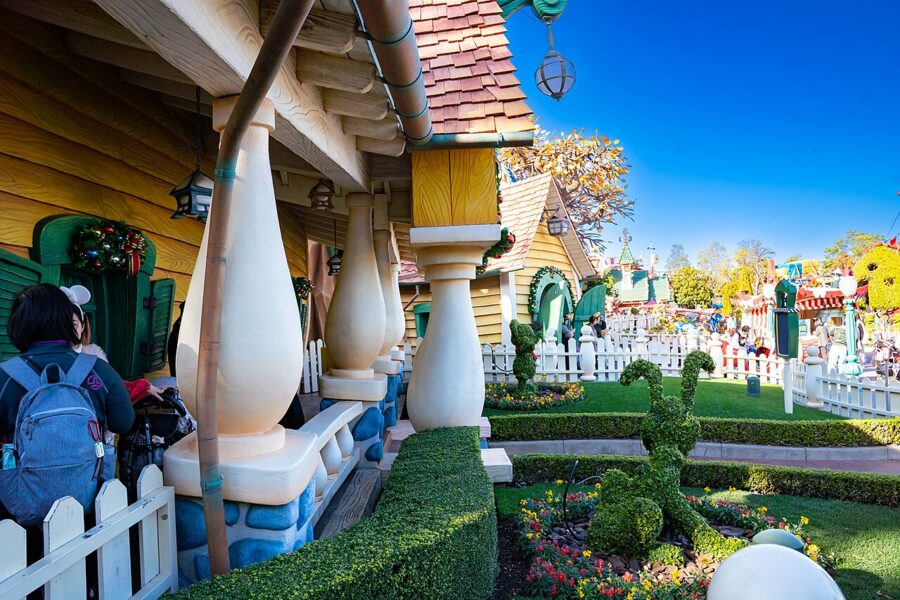
Toontown is for the smallest visitors: Gadget’s Go Coaster, a short children’s coaster, Roger Rabbit’s Car Toon Spin, and houses to walk through. Mickey lives here too.

Tomorrowland, under construction until 2027
Tomorrowland is the land to check before you go, because much of its center is a building site. Space Mountain, the indoor coaster that opened with the park in 1983, closed on July 31, 2024, and a completely new version, スペース・マウンテン・アースライズ (Space Mountain Earthrise), is due in 2027. Oriental Land has put the cost of the whole Tomorrowland rebuild at ¥100 billion (about US$680 million), and some paths around it are closed meanwhile.
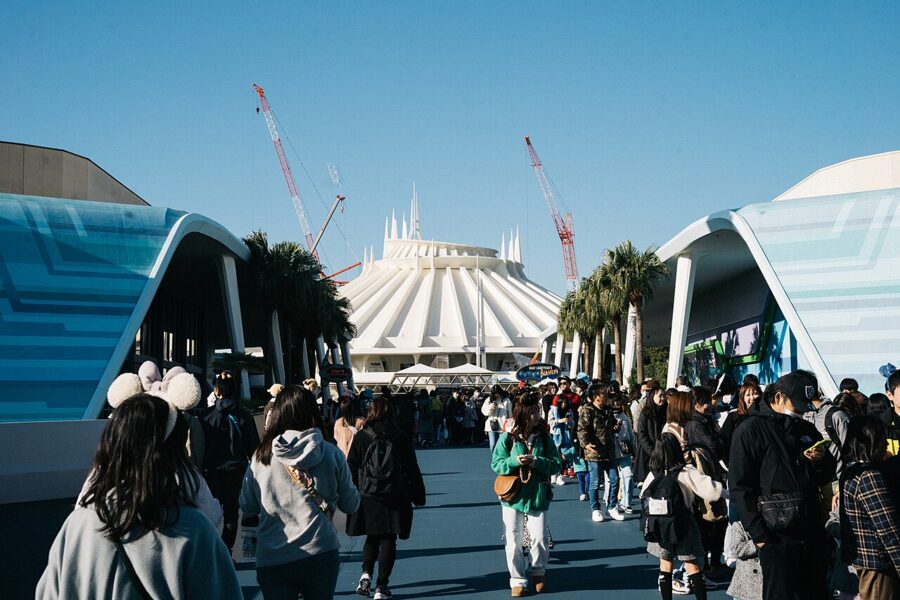

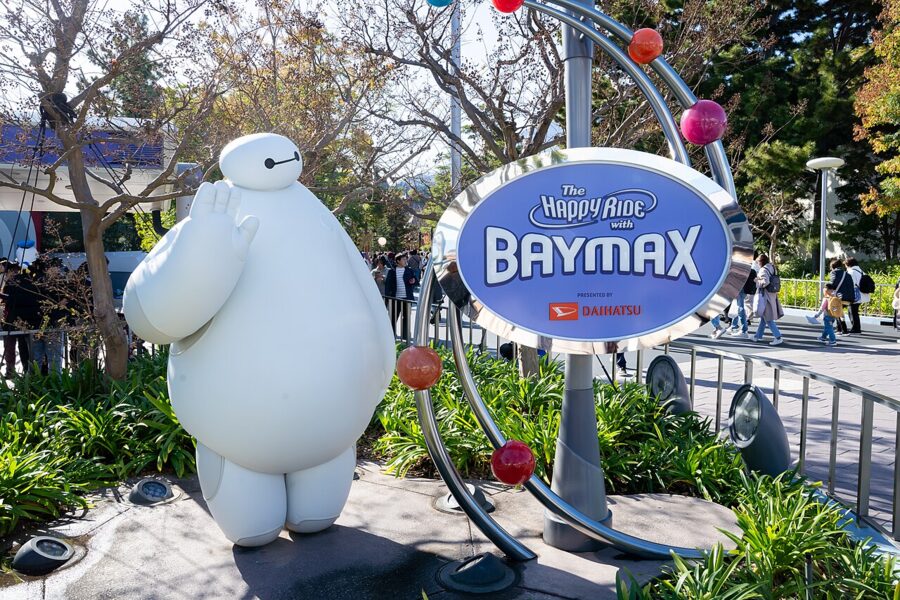
Before that, on April 15, 2027, Tomorrowland gets Sugar Rush: Sweet Rescue, a world-first ride based on Wreck-It Ralph. It may need a free Standby Pass from the app, or a ¥3,000 (about US$20) Premier Access. Until then, The Happy Ride with Baymax is the land’s busiest line.

Parades, the night show and where to stand
Parades are what Tokyo Disneyland does better than its neighbor, and the show schedule for the next month goes up around the 8th of the month before. On the schedule for November 23, 2026, the day ran like this:
- 12:45 p.m.: Toys Wondrous Christmas!, the Christmas parade, about 45 minutes, through December 25, 2026.
- 3:25 p.m.: Disney Harmony in Color, the regular daytime parade, about 45 minutes.
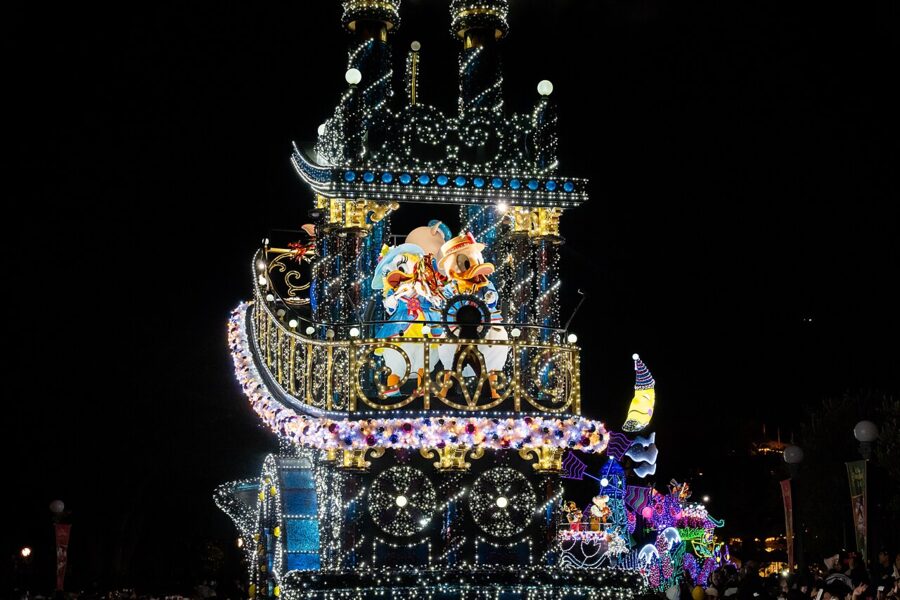
- 7 p.m.: Tokyo Disneyland Electrical Parade Dreamlights, about 45 minutes, in a Christmas version until December 25.
- 8:30 p.m.: Starbright Christmas, five minutes of fireworks over the castle.
After Christmas, New Year’s Greeting runs from January 1 to 11, 2027, and from January 13 to March 31 the extra parade is Minnie @Funderland. Fireworks are canceled in strong wind, Dreamlights skips December 4, 2026 and January 28 and February 26, 2027, and Harmony in Color pauses for April 2027.

Where to stand, or rather, where to sit
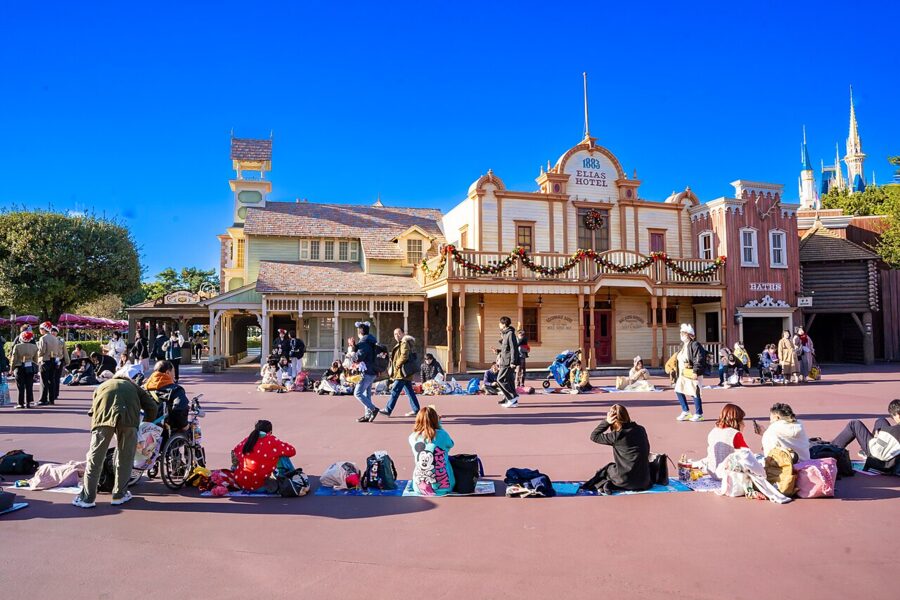
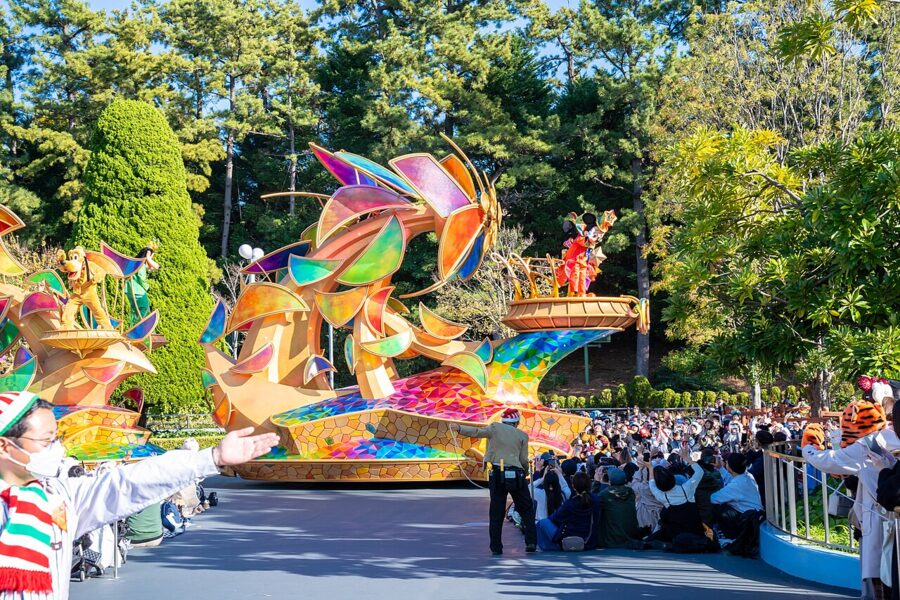
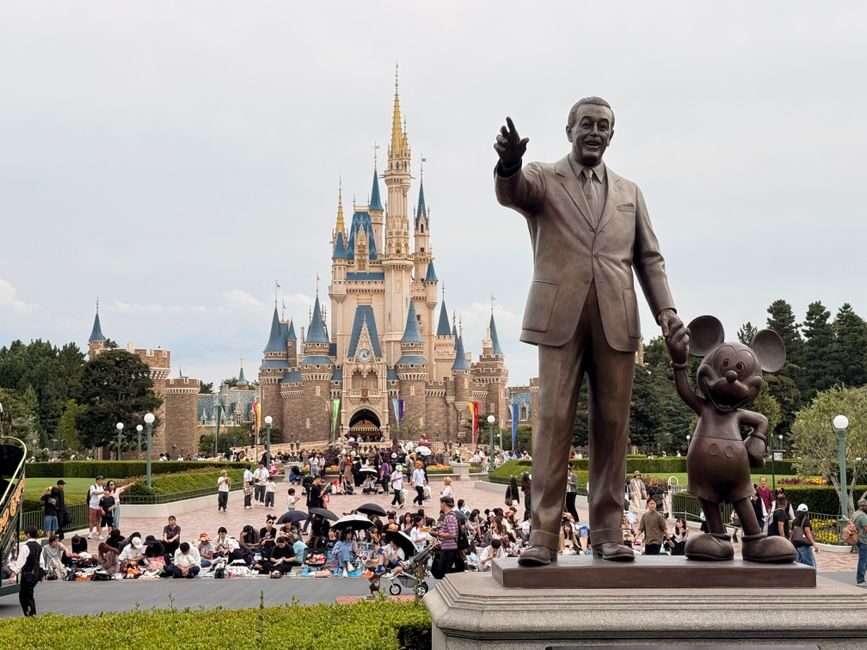
Japanese guests sit on the ground to watch, often on a small plastic sheet, and the front rows stay seated so that the rows behind can see. Holding a place is called 場所取り (basho-tori), and the park’s entertainment rules limit it: your whole party should be there, and unattended sheets may be removed. Take off large hats and keep cameras below head height.
The Plaza in front of the castle, around the Partners statue of Walt Disney and Mickey, is the classic spot and fills first; the floats arrive there with the castle behind them. Further along the route, Westernland is a good place to watch from, with Big Thunder Mountain a short walk away when the parade ends. If someone shuffles over to make room for you, a small nod is the usual thanks; bowing in Japan covers the rest.
For a guaranteed spot, Premier Access sells numbered places in a viewing area: ¥2,500 for Harmony in Color or Dreamlights and ¥3,500 (about US$24) for the Christmas parade or Minnie @Funderland. The parade is also the time to ride: while thousands sit on the route, the big lines drop.
Stage shows and character greetings
Stage shows such as Mickey’s Magical Music World in Fantasyland seat their audience by Entry Request, a free lottery in the app, or by Premier Access at ¥2,500.
The character greetings are the simplest way to meet Mickey: Mickey’s House and Meet Mickey in Toontown runs from opening to closing, with Minnie’s Style Studio next door, and Donald and Daisy meet guests on the Woodchuck Greeting Trail in Westernland.

Tickets and prices by date
Tickets are sold for a fixed date and a fixed park, and the price moves with the day. They go on sale on the official ticket page at 2 p.m. Japan time for the same date two months later, and busy days sell out. A standard ticket covers one park only, so you cannot hop to DisneySea in the afternoon.
| Ticket (as of November 2026) | Adult (18+) | Junior (12-17) | Child (4-11) |
|---|---|---|---|
| 1-Day Passport | from ¥8,900 (about US$60) to ¥12,400 (about US$85) | from ¥7,400 (about US$50) | from ¥5,300 (about US$35) |
| After 3 Passport (weekends and holidays, from 3 p.m.) | from ¥7,900 (about US$55) | from ¥6,600 (about US$45) | from ¥4,400 (about US$30) |
| After 5 Passport (weekdays, from 5 p.m.) | from ¥5,400 | from ¥4,600 | from ¥3,600 |
Children aged 3 and under go free. The calendar on November 23, 2026 showed the adult one-day price for the weeks ahead: ¥10,900 (about US$75) on weekdays, ¥11,900 (about US$80) on Sundays and ¥12,400 on Saturdays. For one adult on a weekday, I would budget the ticket, one Premier Access at ¥2,500, and ¥3,000 to ¥5,000 for food and snacks, before any souvenirs.

Read the calendar for hours too. Most days run from 9 a.m. to 9 p.m., but December 4, 2026 closes at 6:30 p.m. For how yen, cards and IC cards work in the rest of the country, see Japanese currency.
Premier Access, the app and getting in early
Everything that saves time runs through the Tokyo Disney Resort App, which has an English version and needs a MyDisney account. Install it and sign in at home, and sort out data for your phone before you fly; phone rental and eSIMs cover that. The app and the boards in the park show the wait for every ride in minutes, written 分 (fun), the first kanji worth knowing here.
Disney Premier Access is a return time for one ride, per person, bought in the app by card. Each ticket can hold one at a time; you can buy the next 60 minutes later, or as soon as your return time arrives, whichever is sooner. Numbers are limited, and the popular rides can sell out. Restaurant tables can be booked in the same app through Priority Seating.
There is no early-entry ticket for day visitors. Guests at the six Disney hotels get Happy Entry, which lets them into Tokyo Disneyland 15 minutes before everyone else on every day of their stay except the check-in day. Rides start only once the general gates open, and the park sometimes opens before the posted 開園 (kaien, opening) time without notice, which is why the line forms so early.
A one-day plan, with small children and without
On any weekend or holiday, be at the gate an hour before opening, and eat before 11 a.m. or after 2 p.m. Parades block paths for 45 minutes at a time.
With small children
Start in Fantasyland while it is quiet: Pooh’s Hunny Hunt, Dumbo, the Castle Carrousel and Peter Pan’s Flight, which closes from January 6 to February 2, 2027. Meet Mickey in Toontown, then spend the early afternoon on the railroad, the Tiki Room and “it’s a small world”, all seated. Watch Harmony in Color from the curb.
Children under 90 cm can still ride Beauty and the Beast, Pooh, Monsters, Inc. and most of Fantasyland and Toontown. At the bigger rides, ask a cast member about Rider Switch, which lets one adult ride while the other waits, then swap without queuing twice.
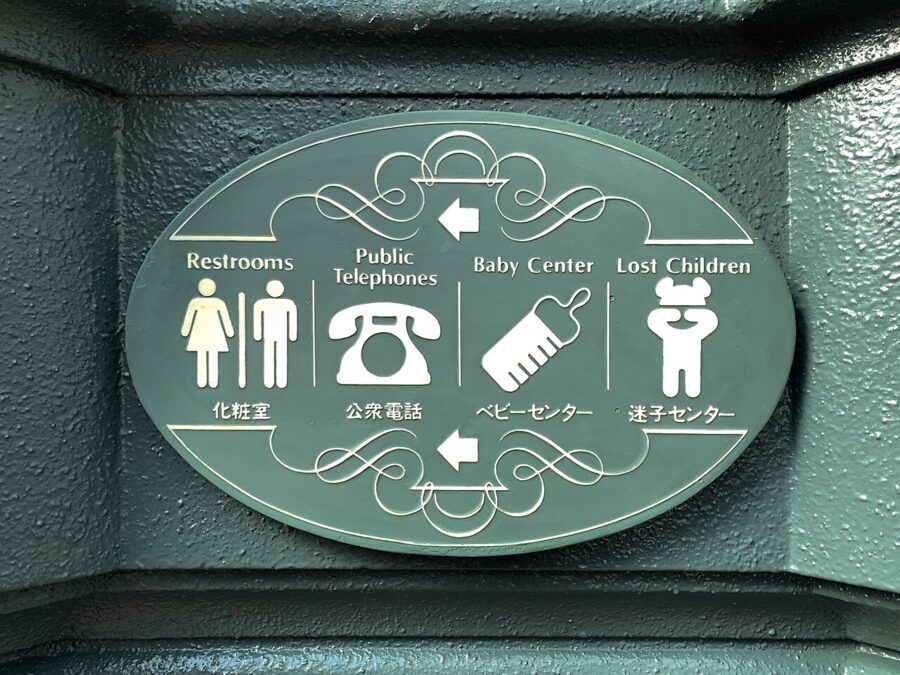
Strollers rent for ¥1,000 (about US$7) a day, and your own must be pushed from behind and have wheels that lock. The park’s itinerary for children aged 3 and under is a sensible order to borrow.

Without children
Walk straight to Beauty and the Beast at opening, or buy its Premier Access the moment you are through the gate and ride Big Thunder Mountain and Splash Mountain first. Pick up Haunted Mansion and Pooh before lunch, ride Baymax and Star Tours during the afternoon parade, and save the evening for Dreamlights and the fireworks.
What to eat: popcorn, churros and the Japan-only snacks
Popcorn is a sport here. Each wagon sells one flavor, written on its sign with 味 (aji, flavor), as in カレー味 (karē aji, curry). As of November 2026, the popcorn map runs like this:
| Flavor | Where |
|---|---|
| Caramel | Wagons in front of Sweetheart Cafe, Café Orléans and Cowboy Cookhouse; Le Petit Popper |
| Soy sauce and butter | Wagon in front of “it’s a small world” |
| Curry | Wagon next to Trading Post |
| Honey | Wagon in front of Pooh’s Hunny Hunt |
| Black pepper | Wagon next to The Gazebo |
| Milk chocolate | Pop-A-Lot Popcorn |
| Corn potage | Toon Pop |
| Salt | Wagon next to Treasure Comet |
| Strawberry Napoleon, salted caramel, cheddar cheese | The Big Pop |
A regular box costs ¥400 (about US$3) and a refill ¥600 (about US$4), or ¥500 and ¥800 at The Big Pop. Souvenir buckets change with the seasons (the Christmas one is ¥3,800, about US$25, with popcorn), and any bucket from either park can be refilled.
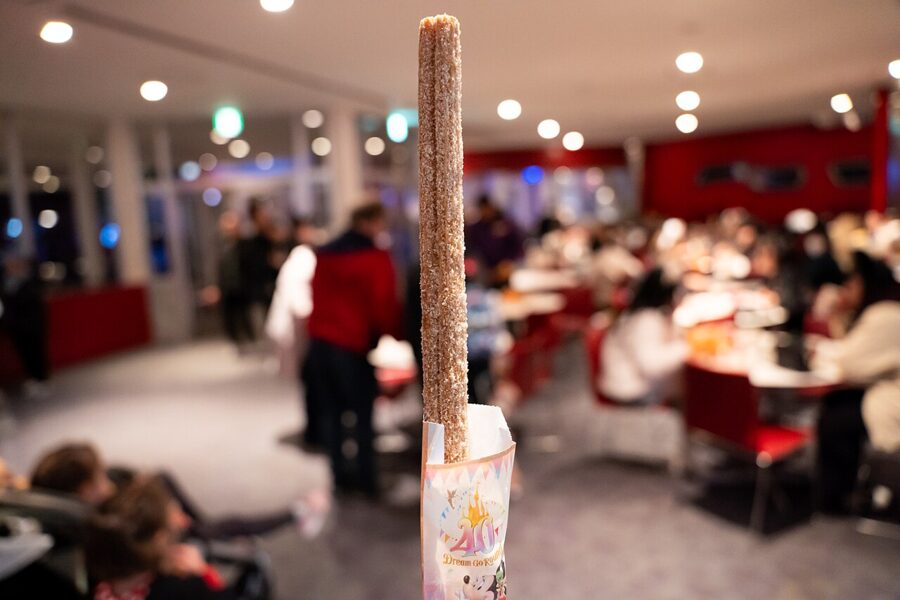

The snacks you only find here are the reason to graze. The Mickey Churro (cinnamon) is ¥500 at Tomorrowland Terrace, and a crème brûlée churro ¥600 at Camp Woodchuck Kitchen in Westernland. Little Green Dumplings, shaped like the three-eyed aliens from Toy Story, are ¥550 in Tomorrowland, and the gyoza sausage bun is ¥600 at Boiler Room Bites in Fantasyland.
Two more are pure Japan. Until March 31, 2027, Plaza Pavilion Restaurant sells an inari sushi sausage roll for ¥600, built on the sweet fried-tofu pouch of rice that fills Japanese lunchboxes. Restaurant Hokusai in World Bazaar serves traditional Japanese food, such as vegetable tempura at ¥2,900 (about US$20).
Getting there from Tokyo and the airports
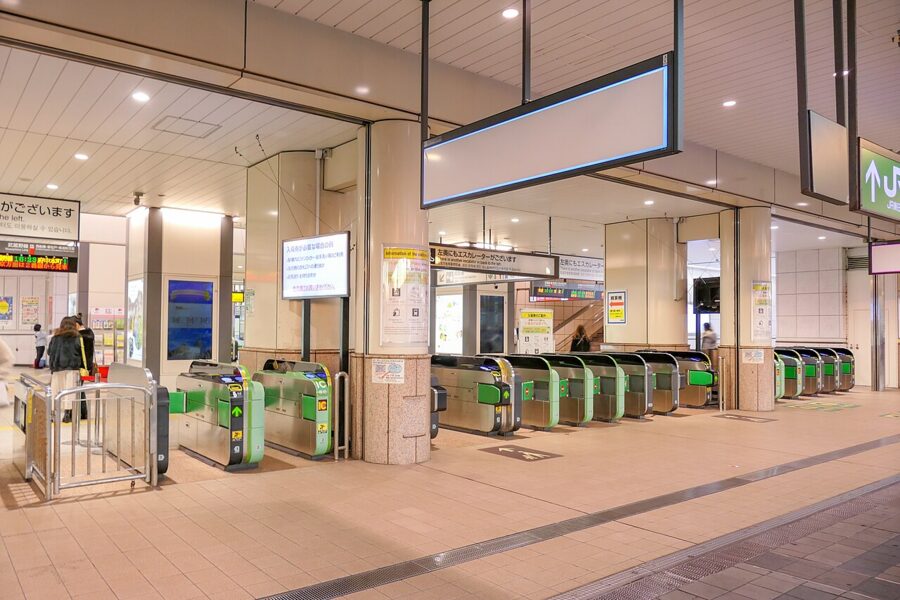
The station is Maihama, on the JR Keiyo Line (some Musashino Line trains stop there too), about a quarter of an hour from Tokyo Station. At Tokyo Station, follow the signs for 京葉線 (Keiyō-sen); the platforms are deep underground, ten minutes or more from the main concourse. At Maihama, leave by the 南口 (minami-guchi, south exit).

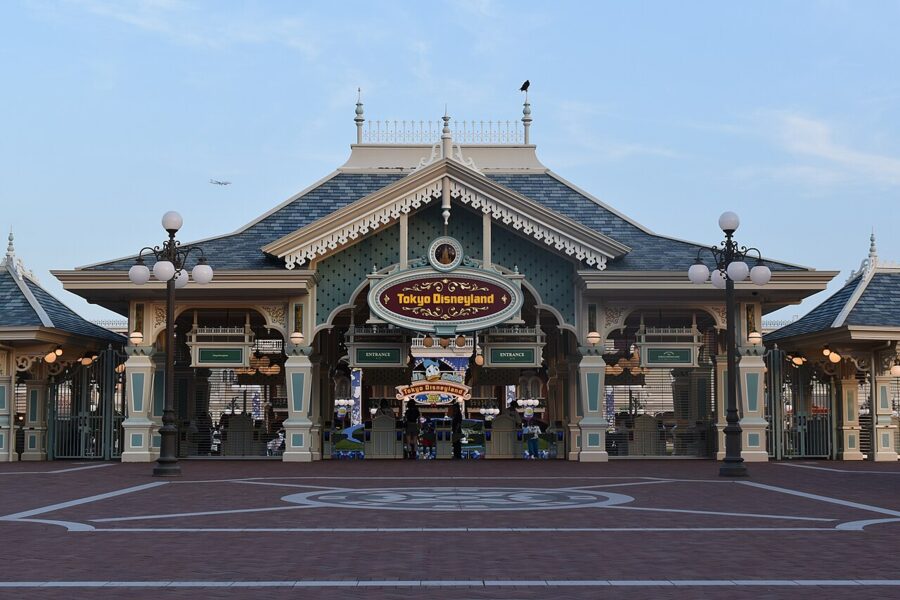
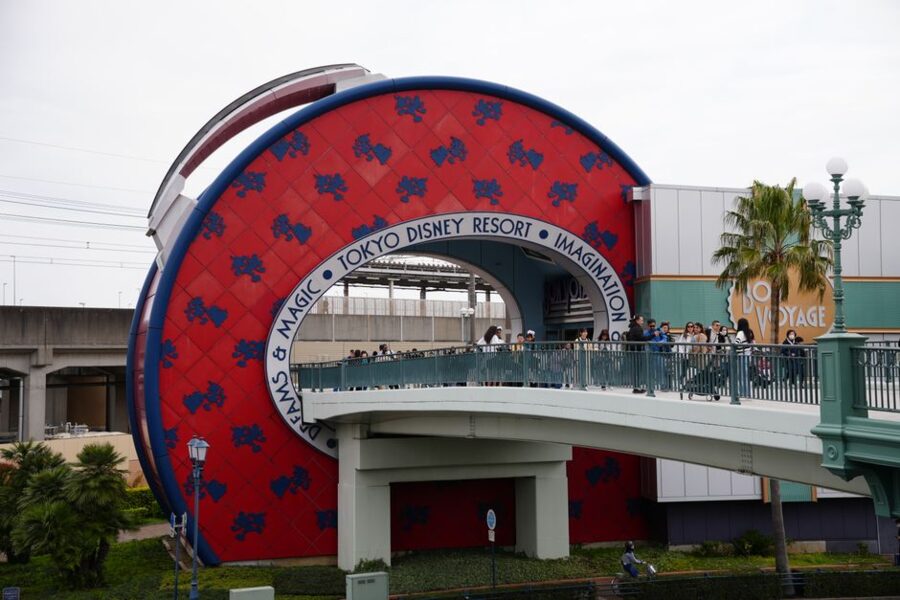
From the south exit, Tokyo Disneyland’s Main Entrance is a short walk past the Bon Voyage shop. The Disney Resort Line monorail loops from Resort Gateway Station, next to Maihama, to Tokyo Disneyland Station and on to Bayside and DisneySea; you only need it for the hotels or the other park. Signs spell the park in katakana, ディズニーランド.
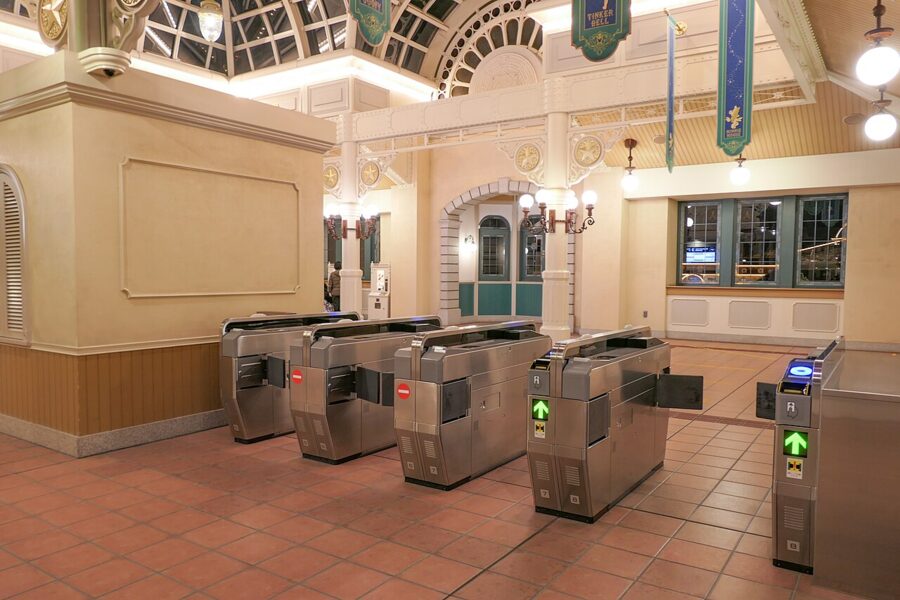

From the airports, Airport Limousine buses run to the Tokyo Disneyland Hotel in about 50 minutes from Haneda and about 80 minutes from Narita, traffic allowing. With luggage, the bus beats changing trains at Tokyo Station.
Hotels in a paragraph
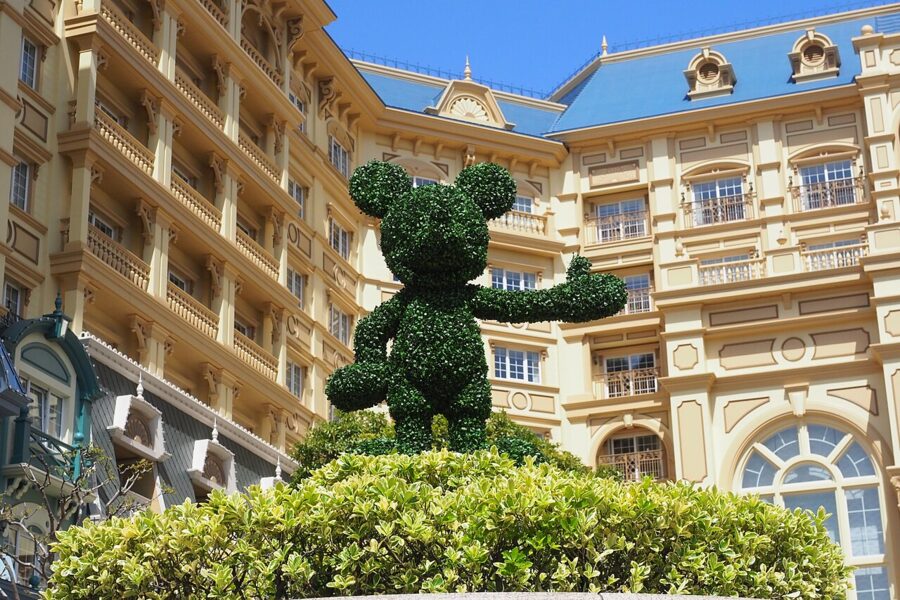
The resort has six Disney hotels. The Tokyo Disneyland Hotel stands right in front of the park, the Disney Ambassador Hotel was the first Disney hotel in Japan, the Toy Story Hotel is the mid-priced one and the Tokyo Disney Celebration Hotel the budget one; Hotel MiraCosta and the Fantasy Springs Hotel are built into DisneySea. Their guests can buy park tickets at the hotel even when the website shows sold out. The resort also has official partner hotels around Maihama, and central Tokyo works fine if you start early.

When to go, and when not to
The ticket calendar is the best crowd forecast you will get, because the price follows expected demand. A ¥10,900 weekday will be calmer than a ¥12,400 Saturday. Japanese school holidays fill the park: spring break from late March into April, which overlaps cherry blossom season, Golden Week in early May, summer from late July through August, and Christmas to New Year.
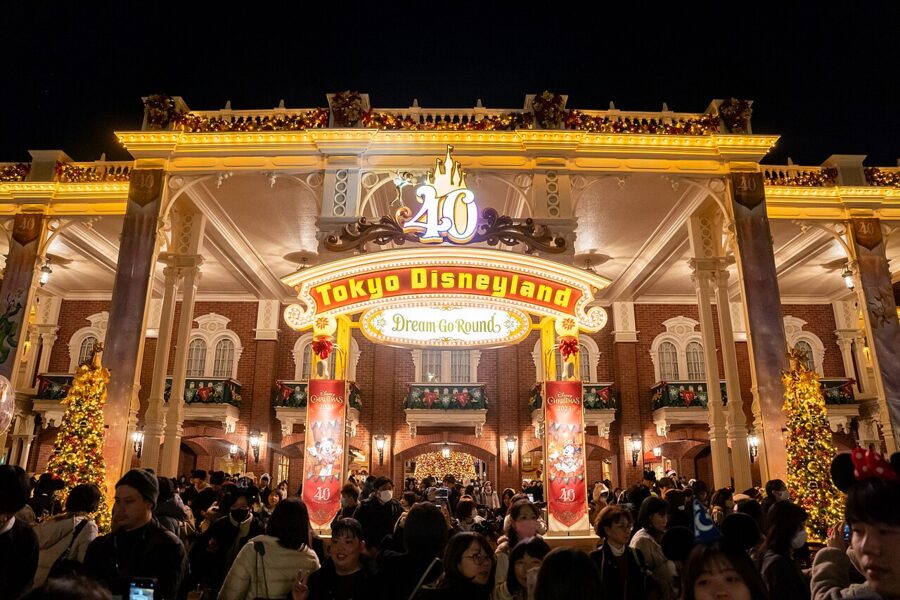
National holidays count as weekends; for the calendar and the weather month by month, see the best times to visit Japan. Midsummer is hot and humid. Christmas (November 11 to December 25) is beautiful and busy. The weeks after the New Year program ends on January 11 are usually calmer, with the catch that several rides close for maintenance then.

Two dates to plan around in 2027: Sugar Rush: Sweet Rescue opens on April 15, and the new Space Mountain later in the year. Opening weeks mean long lines, so a first-timer is better off before or well after.
Disneyland or DisneySea, if you only have one day
One day covers Tokyo Disneyland’s headline rides if you arrive early and buy Premier Access once or twice, and it leaves time for a parade. Choose it if your children are small, if you want parades and a castle, or if this is anyone’s first Disney park; choose DisneySea if you are adults who have done the classics. For how a Disney day fits a longer family trip, see Japanese vacation spots.
Whichever day you pick, sit down for one parade. You will be on the ground with thousands of people who have done this all their lives, and when Dreamlights comes round the corner, you will see why nobody stands up.