
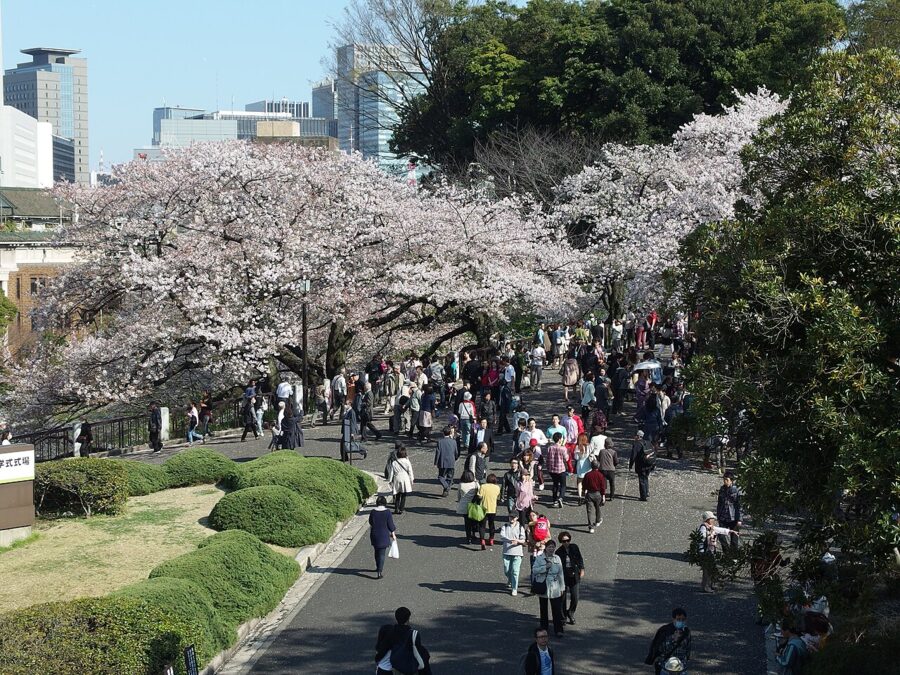

The week Kyoto’s cherry trees reach full bloom is usually the week its hotel rooms cost the most, and the trees are only half the reason. The other half is a calendar most visitors never see: the Japanese school year and the government’s fiscal year both start on April 1, so late March is when a whole country graduates, changes jobs, moves house and takes a few days off, all under the same pink trees.
Key facts Holiday
- Fri January 1
- New Year's Day
- Mon January 11
- Coming of Age Day
- Thu February 11
- National Foundation Day
- Tue February 23
- Emperor's Birthday
- Sun March 21, Mon March 22
- Vernal Equinox Day, substitute holiday
- Thu April 29
- Showa Day
- Mon May 3 to Wed May 5
- Constitution, Greenery and Children's Days
- Mon July 19
- Marine Day
So the question of when to go has two parts. One is nature: blossoms, rain, typhoons, heat, autumn color and snow. The other is people: when 125 million Japanese travel at once, and when the 40-odd million foreign visitors a year arrive.
The short answer first. Late March to mid-April and mid-October to late November bring the best weather and scenery, and also the highest prices. Mid-May to June, most of September and the first three weeks of December are the quieter windows I would pick on a budget. The three weeks to avoid without a good reason are New Year, Golden Week and Obon.

Two crowds, two calendars
Japan has two tourist crowds, and they peak at different times. Foreign visitors come for the scenery, so they bunch around the blossoms and the leaves. In 2025, a record year of 42.7 million arrivals, the busiest months were April (3.91 million) and October (3.90 million), according to JNTO’s arrival statistics.
Japanese travelers go when the calendar lets them: three holiday blocks plus the school breaks, whatever the weather. Hotels price for it. The night before a day off, 休前日 (kyūzenjitsu), costs more, and you will see that word on rate tables. A Saturday in a holiday week is the dearest night you can book.
The holidays that fill the trains
Japan has 16 national holidays, and when one falls on a Sunday the Monday becomes a substitute day off, 振替休日 (furikae kyūjitsu). These are the 2027 dates from the Cabinet Office holiday list.
| Date (2027) | Holiday | Effect on travel |
|---|---|---|
| Fri January 1 | New Year’s Day | Inside the year-end break |
| Mon January 11 | Coming of Age Day | Three-day weekend |
| Thu February 11 | National Foundation Day | Little |
| Tue February 23 | Emperor’s Birthday | Little |
| Sun March 21, Mon March 22 | Vernal Equinox Day, substitute holiday | Three-day weekend in blossom season |
| Thu April 29 | Showa Day | Golden Week begins |
| Mon May 3 to Wed May 5 | Constitution, Greenery and Children’s Days | Golden Week peak, May 1 to 5 |
| Mon July 19 | Marine Day | Three-day weekend |
| Wed August 11 | Mountain Day | Leads into Obon |
| Mon September 20 | Respect for the Aged Day | Three-day weekend |
| Thu September 23 | Autumnal Equinox Day | No Silver Week this year |
| Mon October 11 | Sports Day | Three-day weekend |
| Wed November 3 | Culture Day | Busy in leaf season |
| Tue November 23 | Labor Thanksgiving Day | Busy in leaf season |
New Year
お正月 (oshōgatsu) is the one holiday when Japan really stops. Government offices close from December 29 to January 3 by law, many companies follow, and people head home to their parents, a trip called 帰省 (kisei). Trains out of Tokyo fill around December 29 and 30, and the return wave comes on January 2 and 3.
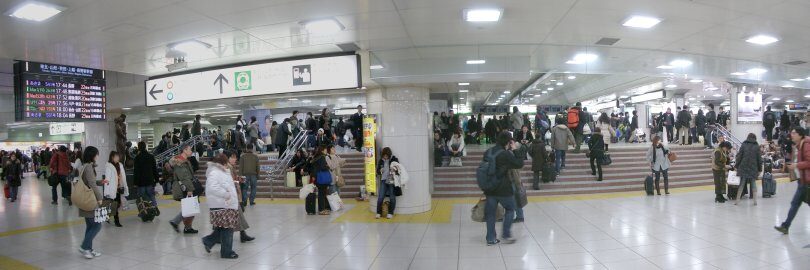
Inside the break, cities are oddly calm. Many small restaurants close for a few days and most museums shut around New Year’s Day. Shrines are the exception, at their busiest of the year, and convenience stores never close.
Golden Week
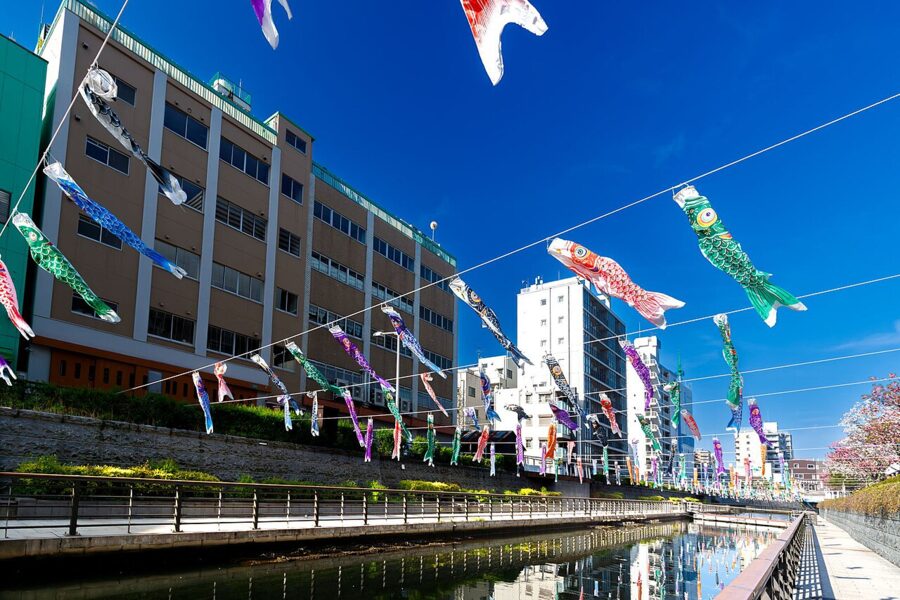
Four holidays sit between April 29 and May 5, and when they meet a weekend the country takes the lot. In 2027 that means Thursday April 29, then Saturday May 1 to Wednesday May 5; take Friday off and you have seven days. Shinkansen seats and resort hotels sell out weeks ahead, and day-trip towns like Kamakura, Nikko and Hakone are at their most crowded.

Obon
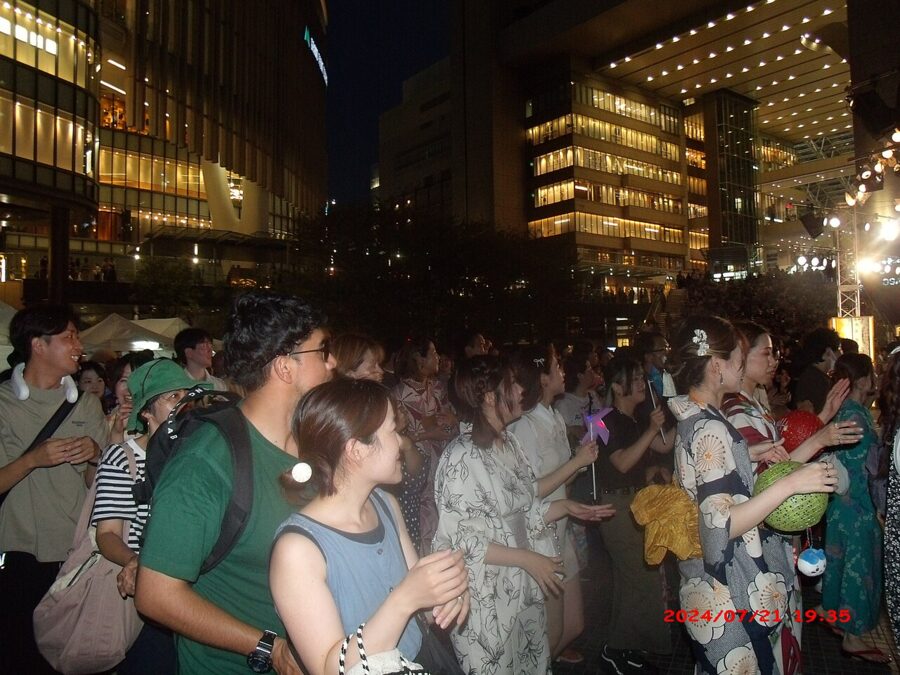
お盆 (obon) is the Buddhist season when ancestors’ spirits are said to come home, and families go home to meet them. It is not a national holiday at all; companies simply close, most often from about August 13 to 16. In 2027 that block runs Friday to Monday, and Mountain Day on Wednesday August 11 lets many people stretch it to a week.
Silver Week and the long weekends
Silver Week happens only when Respect for the Aged Day and the autumnal equinox fall two days apart, so the day between becomes a holiday too. That gave 2026 a five-day run from September 19 to 23. In 2027 the holidays fall on Monday and Thursday, so there is none. The ordinary three-day weekends in the table still fill hotels near Tokyo and Osaka.
School holidays and the fiscal year
The school year and the fiscal year both run from April 1 to March 31. So March is the month of graduations, transfers and moves, and the transport ministry’s moving-season notice says March sees about twice the moves of an ordinary month. April brings entrance ceremonies and first days at work.
Each local school board sets its own breaks, but the pattern is close nationwide. Spring break runs from late March into early April, summer from around July 20 to the end of August, and winter from late December into early January. Snowy regions like Hokkaido shorten summer and lengthen winter.
Cherry blossoms: how the forecast works
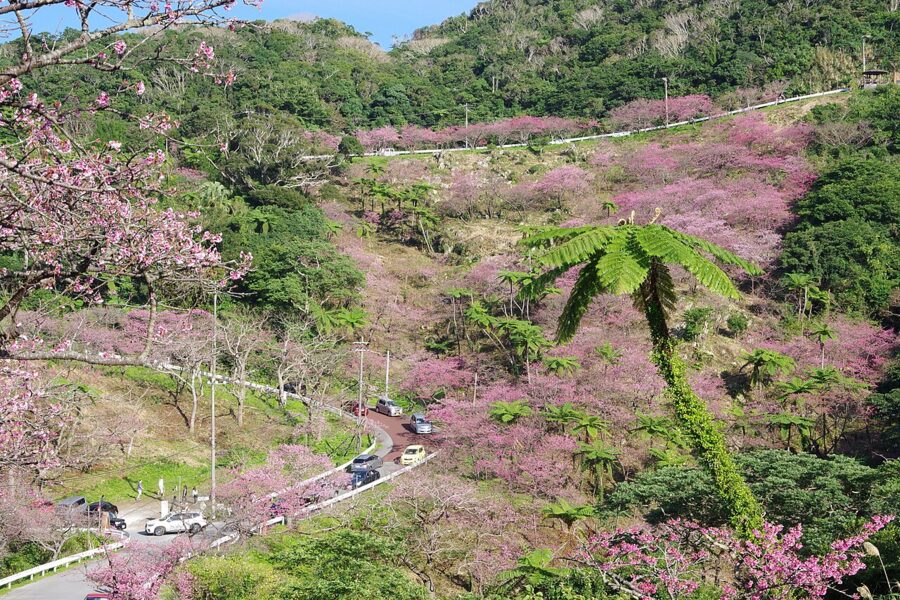

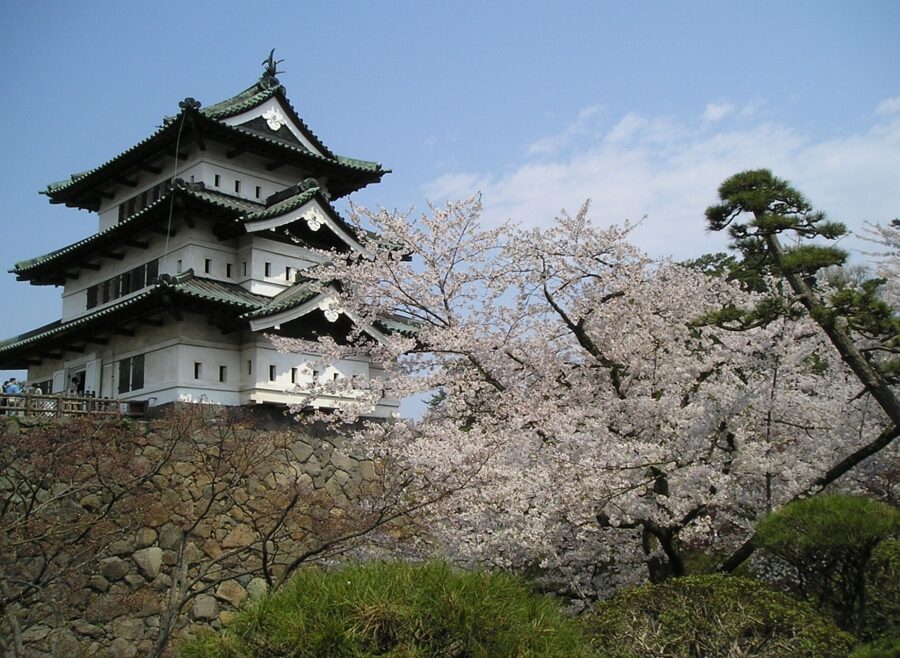
Every cherry date you read is measured on one tree per city. The Japan Meteorological Agency (JMA) keeps a sample tree, 標本木 (hyōhongi), for each observatory; Tokyo’s stands at Yasukuni Shrine. It declares 開花 (kaika, opening) when that tree shows five or six open flowers, and 満開 (mankai, full bloom) when about 80% of its buds are open. The tree is a Somei-yoshino, the pale pink variety in most parks.
JMA stopped forecasting the blossom in 2010 and left it to private companies. The Japan Weather Association, Weathernews and the Japan Meteorological Corporation publish forecasts from around the turn of the year and update them weekly. In 2026, Weathernews’s March forecast put Tokyo’s opening on March 19, and the Yasukuni tree opened that day.
Full bloom comes about a week after opening, and the petals fall about a week after that, sooner in wind and rain. If the blossoms are the point, give yourself at least a week. Miss them in Tokyo and you can follow the line north for another month.
| City | Average opening | Average full bloom | 2026 full bloom |
|---|---|---|---|
| Fukuoka | March 22 | March 31 | April 3 |
| Tokyo | March 24 | March 31 | March 28 |
| Kyoto | March 26 | April 4 | March 30 |
| Kagoshima | March 26 | April 5 | April 5 |
| Sendai | April 8 | April 13 | April 4 |
| Aomori | April 22 | April 26 | April 16 |
| Sapporo | May 1 | May 6 | April 24 |
Averages are JMA’s 1991 to 2020 normals, and the 2026 dates come from its cherry observation tables. Look at Kagoshima: the southernmost big city on the main islands blooms after Tokyo. Cherry buds need a cold winter spell before they wake, and Kagoshima’s mild winters give them a weak one, so the famous “blossom front” is a rough line, not a rule.

Autumn leaves run the other way
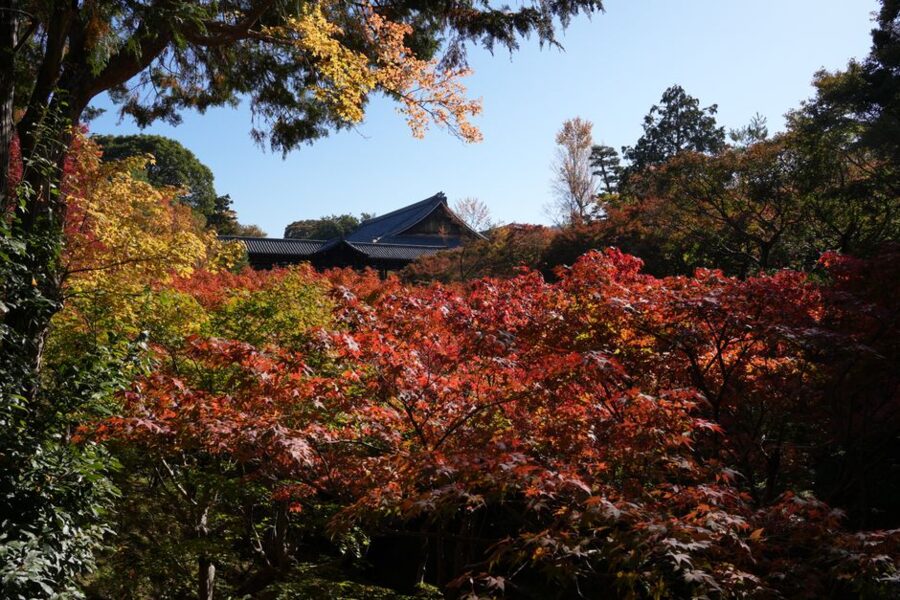
Autumn color, 紅葉 (kōyō), starts on Hokkaido’s high peaks in late September and works down the mountains and south to the cities by late November. Altitude counts as much as latitude: a pass at 1,500 meters (about 4,900 feet) can be past its best while the town below is still green.
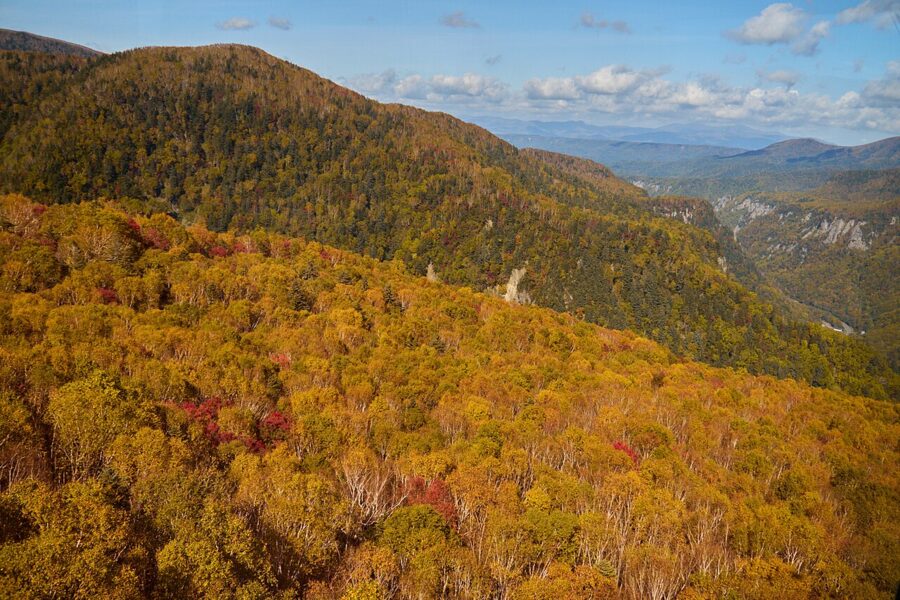
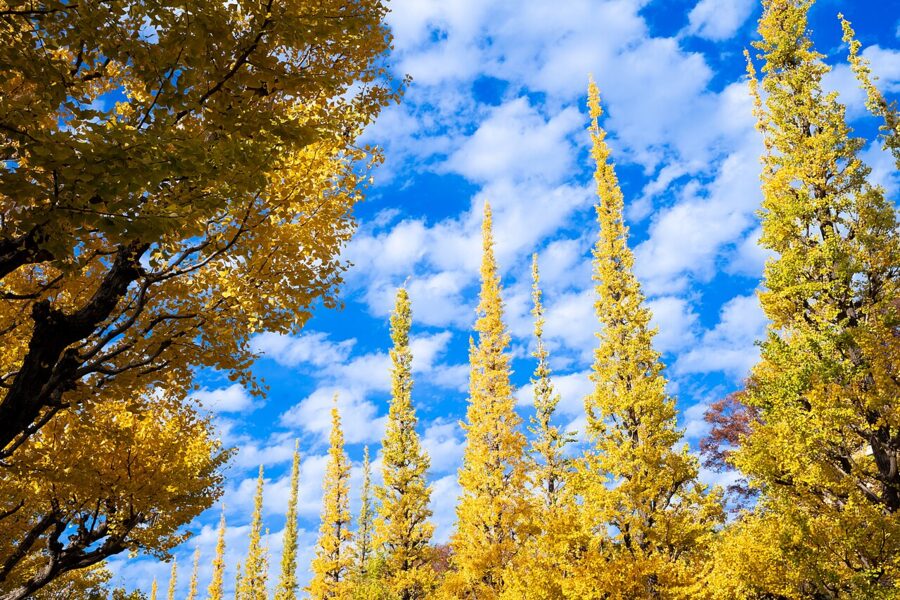
JMA’s maple color dates mark the first day most leaves on its sample maple have turned red. The averages are October 28 in Sapporo, November 28 in Tokyo and December 5 in Kyoto. In 2025 Tokyo’s tree turned on November 23 and Kyoto’s on December 10, so a warm autumn shifts things. Gardens turn over several weeks around that date; late November into early December is the safe bet for Kyoto.

Rain, typhoons and heat
The rainy season
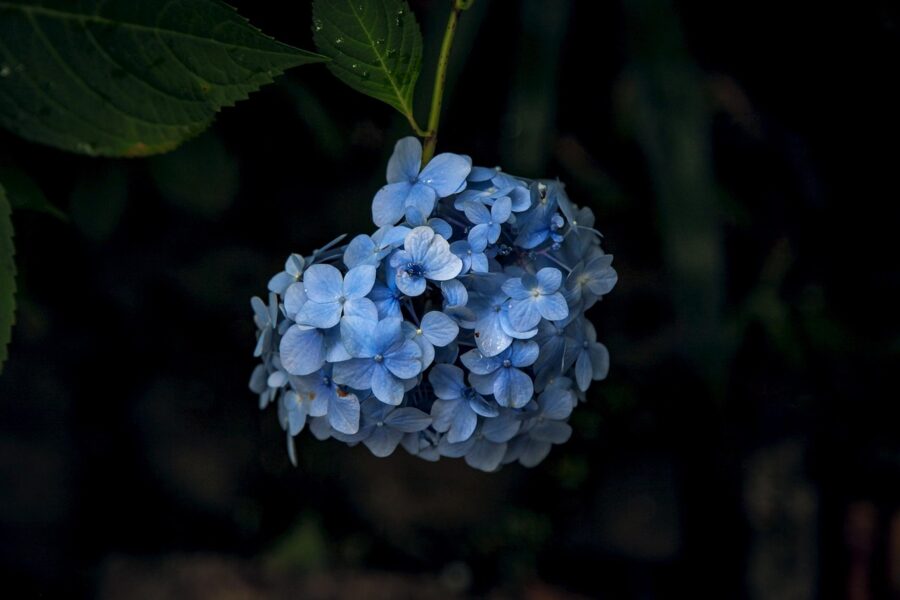
梅雨 (tsuyu), the early-summer rainy season, is a band of wet weather that sits over Japan for about six weeks and drifts north. JMA’s rainy-season record gives these averages: Okinawa May 10 to June 21, Kyoto and Osaka June 6 to July 19, Tokyo June 7 to July 19, northern Tohoku June 15 to July 28. Hokkaido has no declared rainy season.
Expect gray and damp more than stormy. Tokyo gets less rain in June (about 168 mm, 6.6 inches) than in September or October. In 2025 the Kyoto and Osaka region’s rainy season ended on June 27, the earliest since records began in 1951. A folding umbrella, 折りたたみ傘 (oritatami-gasa), covers most of it.
Typhoons
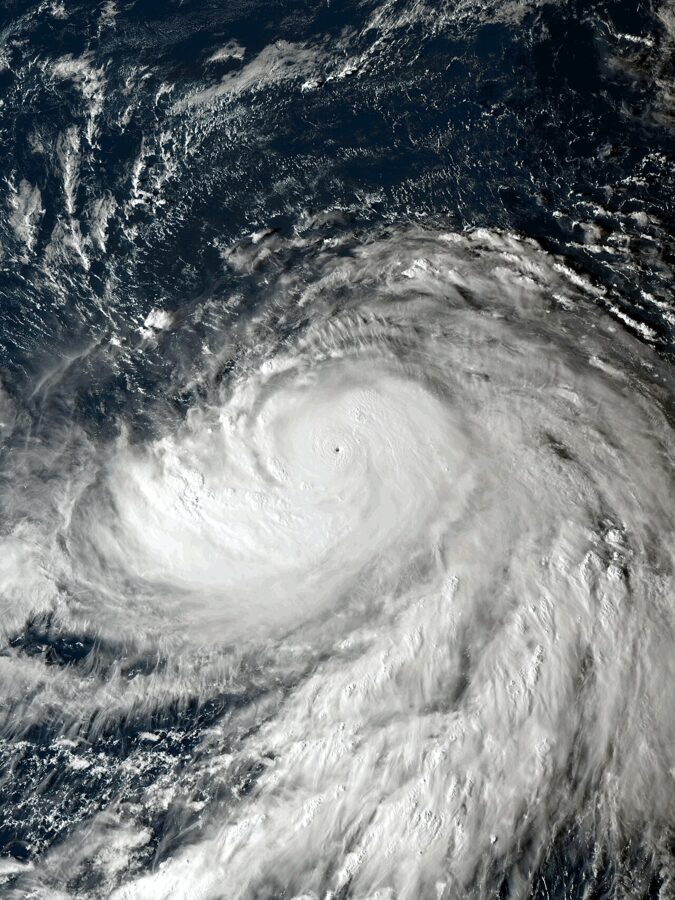
A 台風 (taifū) is a Pacific tropical storm. JMA’s typhoon averages count about 25 a year, of which about 12 pass within 300 kilometers (186 miles) of a Japanese weather station and three make landfall on the main islands. August and September are the peak, with October not far behind. Okinawa sees the most.
A typhoon rarely ruins a trip, but it can cost you a day or two. Rail companies announce shutdowns in advance, often the day before, as 計画運休 (keikaku unkyū, planned suspension). Keep one flexible day in any plan from July to October.

Summer heat and heatstroke alerts
Heat is the weather risk I take most seriously. Tokyo’s average August high is 31.3°C (88°F) and Kyoto’s 33.7°C (93°F), and recent summers have run hotter than those 1991 to 2020 averages. By August 3, 2026, JMA counted 34 stations that had already hit 40°C (104°F), the most since 2010, and called western Japan’s July heat the highest since 1946.
The Ministry of the Environment and JMA issue a 熱中症警戒アラート (necchūshō keikai arāto, heatstroke alert) when the forecast heat index, WBGT, reaches 33 anywhere in a prefecture. The index folds humidity and sun in with temperature. A special alert, with cooling shelters opened, follows when every point in a prefecture is forecast to reach 35.
Alerts run from late April to late October on the ministry’s heat alert page and in Japanese weather apps. On an alert day, do temples early and museums in the afternoon.
Japan month by month
Temperatures are JMA’s 1991 to 2020 averages for Tokyo unless another city is named.
January
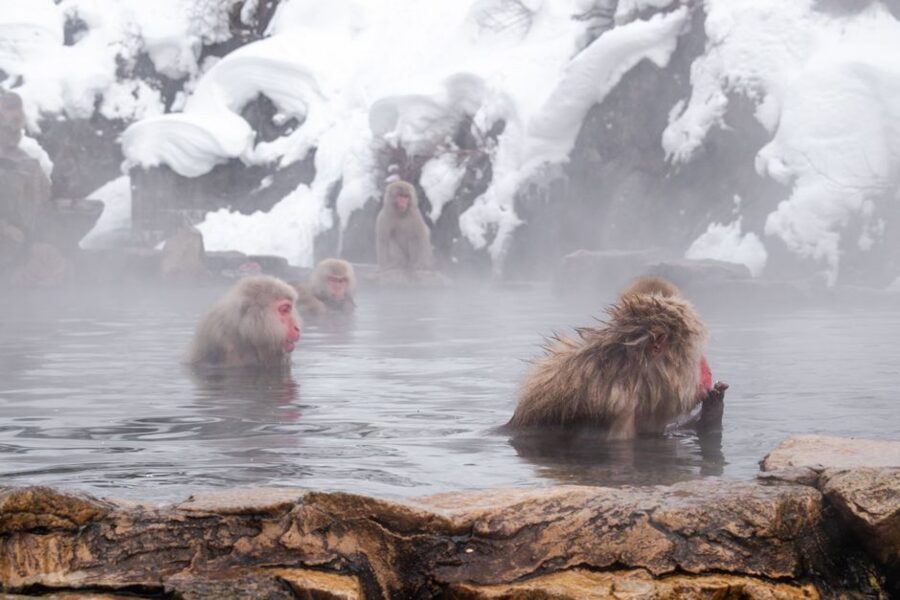
After the first three days, Japan goes quiet. Tokyo is cold (highs around 10°C, 50°F) but bright, with more sunshine than in June. Hokkaido and the Sea of Japan coast are under snow, and the ski powder is at its best into February. I would pick January for city trips on a budget, skiing and hot springs.
February
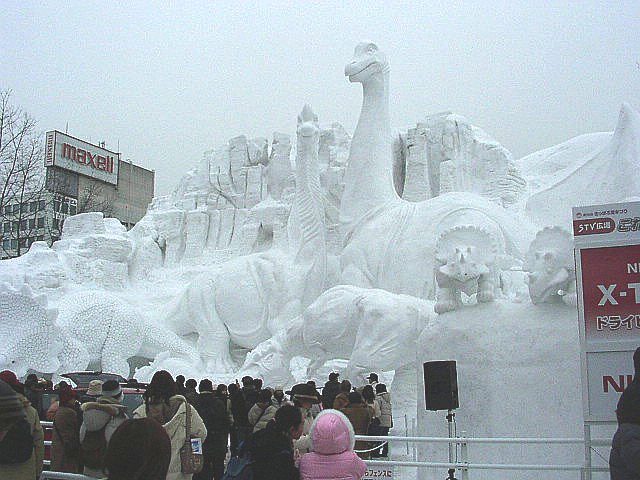
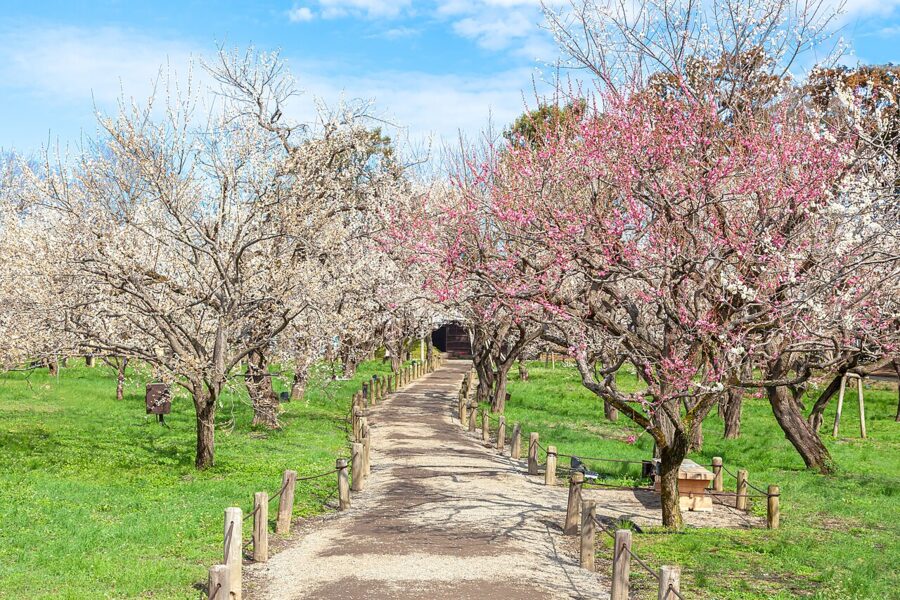
Still cold, dry on the Pacific side, and one of the cheapest months for city hotels. The Sapporo Snow Festival runs February 4 to 11 in 2027, and Sapporo’s hotels fill for it. Plum blossom, 梅 (ume), comes weeks before the cherries: Tokyo’s sample tree opens around January 22 and Mito’s around February 3.

March
Two halves. The first is mild, cheap and quiet. From mid-month the cherry forecasts drive everything, schools break up, and the equinox weekend (March 20 to 22 in 2027) adds a domestic rush. For Americans it is the favorite month: March 2026 brought more US arrivals than any other month of the year so far.
April
The blossoms move from Kyoto in the first days of April to Tohoku in the second half. It is the busiest month with foreign visitors and the hardest for Kyoto rooms. Tokyo highs average 19°C (67°F), and from April 29 Golden Week begins.
May
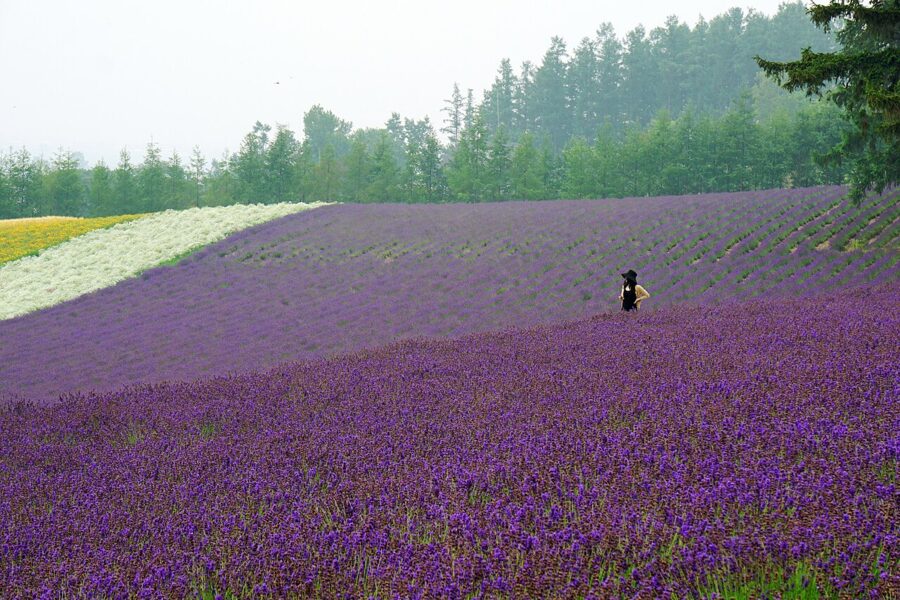
Golden Week takes the first five days; the rest of the month is one of the best times to be in Japan. Prices drop back, the days are warm (Tokyo highs around 24°C, 74°F), and Hokkaido has its blossoms. Okinawa’s rains start around May 10, so save the beach.
June
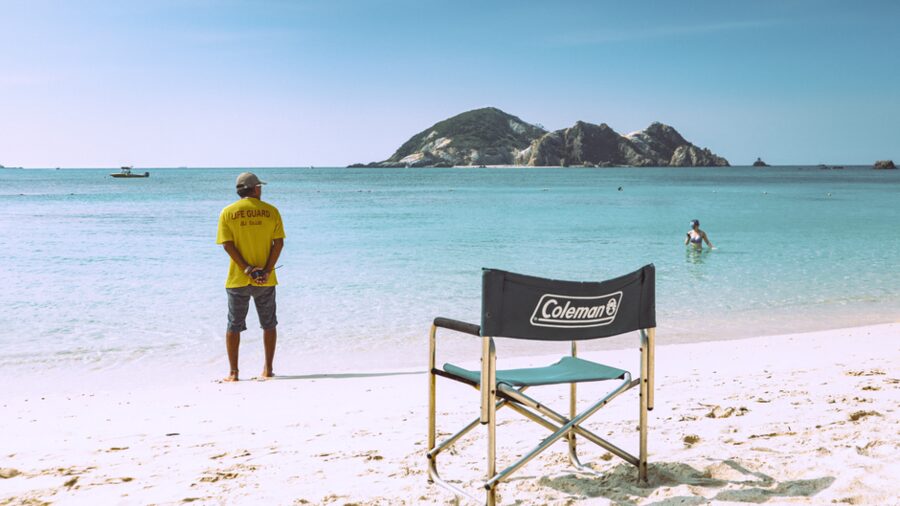
June has no national holiday (December is the only other month without one), so domestic travel is light. Most of the country is in the rainy season, mild and gray, while Hokkaido escapes it. Okinawa’s rains usually end around June 21, which makes late June a good beach window before the typhoons.
July
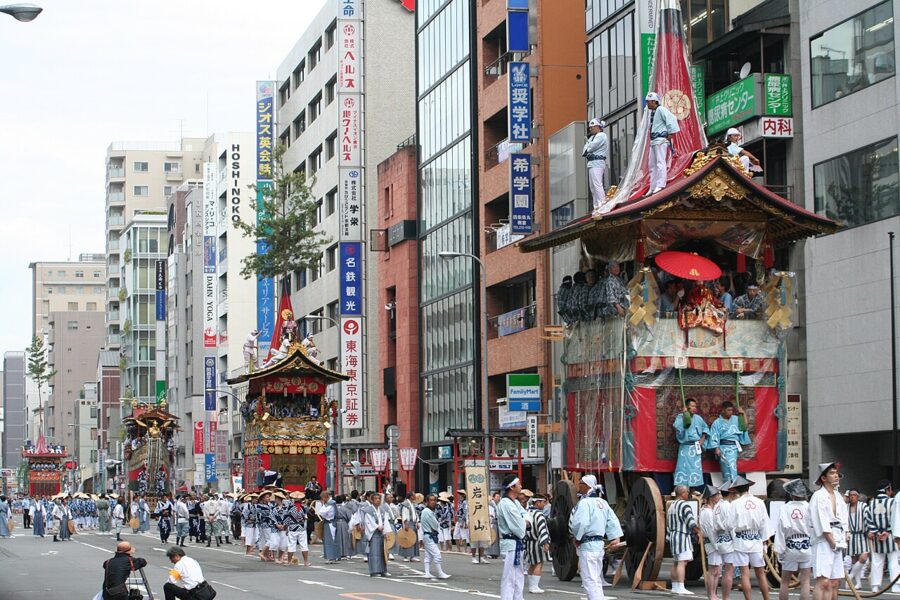
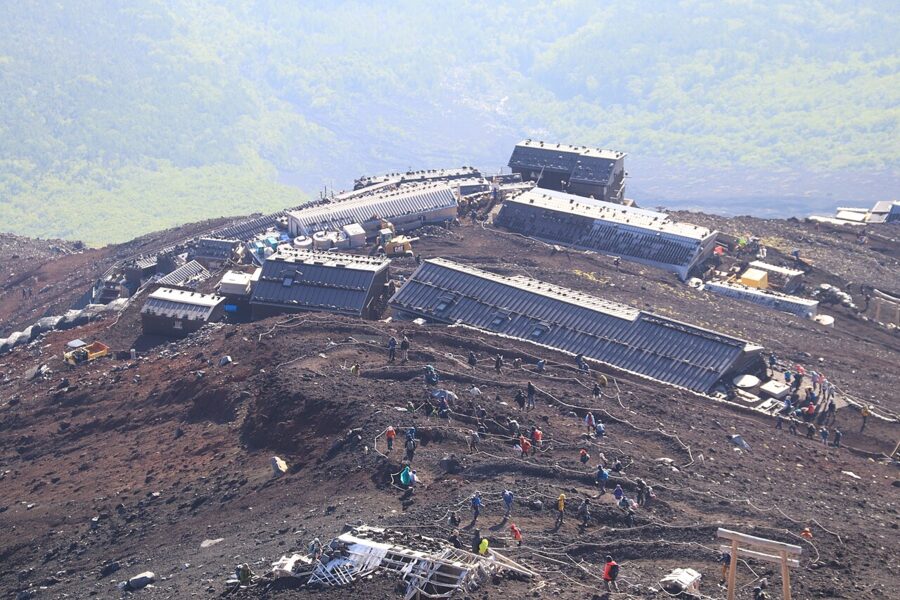
The rainy season ends around July 19 in Tokyo and Kyoto, and real heat follows within days. Kyoto’s Gion Matsuri fills the month, with its great float processions on July 17 and 24. On Mount Fuji, the official climbing season in 2026 opened July 1 on the Yoshida and Subashiri trails, July 10 on the others, and closed September 10.


August
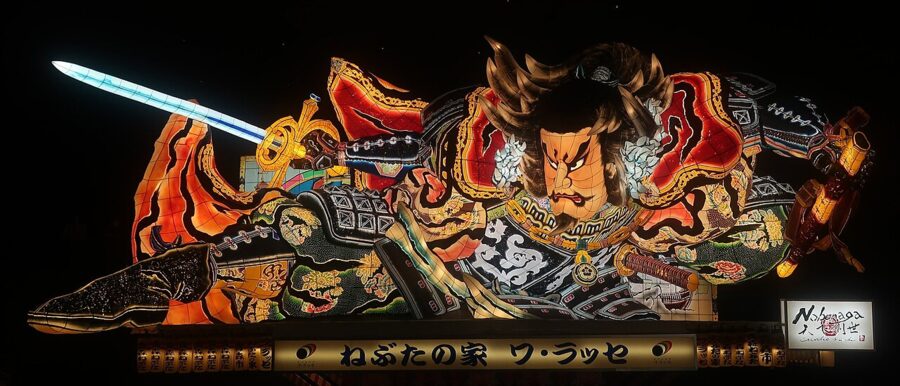
The hottest month, the typhoon peak and Obon, all at once. Tokyo’s nights average 23.5°C (74°F) at their coolest. In its favor, August is the month of fireworks, 花火大会 (hanabi taikai), and of the big northern festivals like Aomori’s Nebuta in the first week. Head north or into the mountains and keep the middle of the day indoors.

September
Hot for the first half (Tokyo highs average 27.5°C, 82°F), and the month with the most typhoon landfalls. But schools are back and domestic travel drops sharply; in a year without Silver Week, like 2027, the month is quiet end to end. The first autumn color shows on Hokkaido’s peaks in the last days.
October
Pleasant and busy. Tokyo highs fall to 22°C (72°F), the humidity goes, and October rivals April for foreign arrivals. It is also Tokyo’s wettest month, about 235 mm (9.2 inches), from autumn fronts and late typhoons. Color spreads down the mountains of Tohoku and the Japan Alps.
November
Dry, mild and clear, with Tokyo highs of about 17°C (62°F), and leaf season reaches Tokyo, Kyoto and Nara in the second half. Kyoto’s hotels are as tight in late November as in early April. If the leaves don’t matter to you, early November is calmer and cheaper.
December
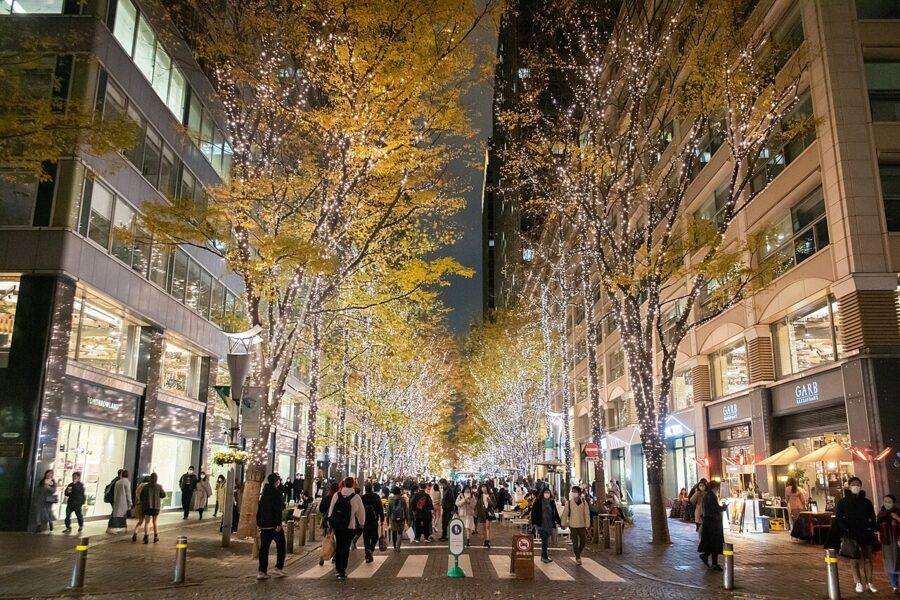
The first three weeks are some of the quietest of the year, with clear skies on the Pacific side and Kyoto’s last maples. Christmas is not a holiday in Japan, just lights and cake. The ski season opens, and the New Year exodus starts around December 29.

The cheap, quiet windows
Flights vary by season less than hotels do, and hotels follow the domestic calendar. These are the windows where both crowds are thinnest:
- Mid-January to late February, away from Sapporo’s festival week and the ski resorts.
- Mid-May to the end of June. Mid-May is the sweet spot; June brings rain but the lightest domestic travel of the year.
- September in a year without Silver Week, if you accept early heat and some typhoon risk.
- December 1 to about 24, cold, clear and lit up.
Within any window, avoid Friday and Saturday nights in tourist towns. A Sunday night in Kyoto or Hakone can cost far less than the Saturday.
A short verdict by kind of trip
- First trip, Tokyo and Kyoto: late March to mid-April, or the second half of November. Book Kyoto before flights.
- Same trip, lower budget: mid-May, or early November.
- Snow and hot springs: late January to February in Hokkaido or Nagano.
- Beach: Okinawa in late June or early July, or October once the typhoon peak has passed.
- Mountains: July to September in the Japan Alps and Hokkaido; Fuji only in its official season.
- Families with school-age children: bound by school holidays like Japanese families; Hokkaido in late July is the most comfortable of the busy options.
Before you book, entry rules are in visas and customs, everyday practicalities in general travel information, and earthquake and typhoon warnings in traveler safety. Those warnings reach you only if your phone works in Japan, which cell phone rental covers.
And if you are going for the blossoms, the one word to learn is 満開 (mankai). By the time the forecasts say it about your city, the hotel prices have already moved, so book before the trees do.