
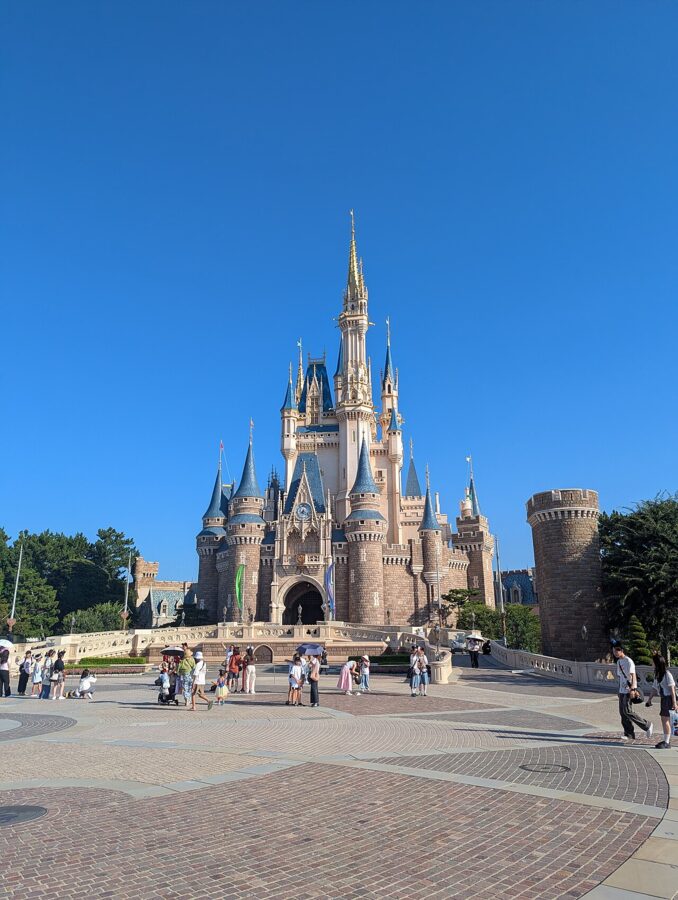
Two parents and two primary-school children pay at least ¥28,400 (about US$190) to spend one day at Tokyo Disneyland, and ¥2,800 (about US$19) to spend an afternoon reading comics in a converted Kyoto schoolhouse. Both days can be the best of the trip. Which one wins depends less on the budget than on who is traveling, and that is how this list is sorted.
Families want short train rides and child prices. Couples tend to want a quiet night and a hot bath. Solo travelers want a cheap bed, a counter seat and a long walk.

How to use this list
Each idea comes with why, when, roughly what it costs and how to get there. Prices are as of November 2026, from each operator; theme parks price by date, so read theirs as a range. Dollar figures are approximate.
Learn two words before you buy any ticket. Price boards split into 大人 (otona, adult) and 小人 (shōnin, child), and the age where one becomes the other changes from place to place. On JR trains, children aged 6 to 11 pay half fare and an adult can bring up to two children under 6 for free, as long as they don’t take a reserved seat of their own. The trip basics, from money to power plugs, are the same whoever you travel with.
Families
Tokyo Disney Resort
Tokyo Disneyland and Tokyo DisneySea sit side by side on reclaimed land at Maihama. DisneySea, with its harbor, volcano and Venetian canals, has no twin anywhere, and it is my pick for one day with older children. Tickets are sold for a set date and park, so plan ahead.
A 1-Day Passport costs an adult (18 and over) between about ¥8,900 and ¥12,400 (about US$60 to US$85), depending on the date (as of November 2026). Juniors aged 12 to 17 and children aged 4 to 11 pay less, from ¥5,300 (about US$35) for a child on the cheapest days, and children 3 and under go free. Weekdays outside the school holidays are both cheaper and calmer.
Hakkeijima Sea Paradise
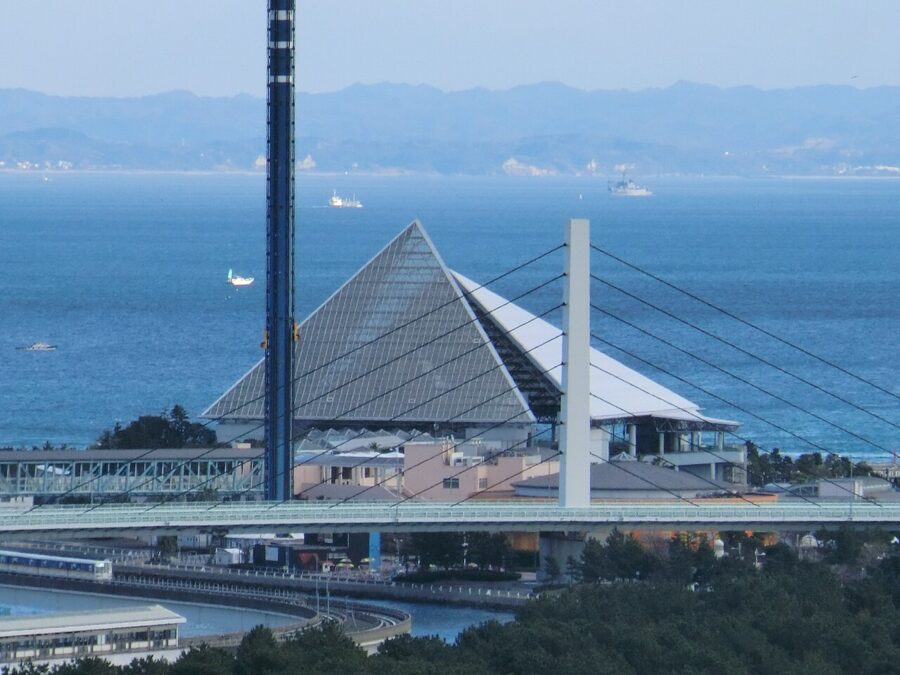
An island in Yokohama Bay with four aquariums, a roller coaster that runs out over the water and a marina, about an hour from central Tokyo by train. Walking onto the island costs nothing, so you can pay only for the parts you want. The nearest station is Hakkeijima on the driverless Kanazawa Seaside Line, which connects with the Keikyu Line at Kanazawa-hakkei and with JR at Shin-Sugita.
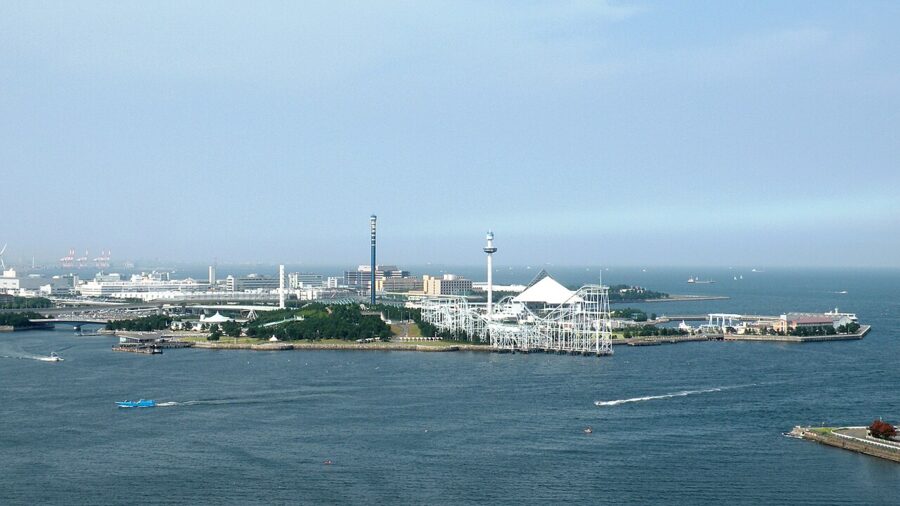
The One Day Pass covers all four aquariums and the rides: ¥5,900 (about US$39) for adults and high-school students, ¥4,300 for primary and junior-high pupils and ¥2,600 for children from age 4. The Aqua Resorts Pass, aquariums only, is ¥3,500 (about US$23) for an adult. Small children remember the Dolphin Fantasy tunnel and the touch pools.

Tokyo Tower and Tokyo Skytree
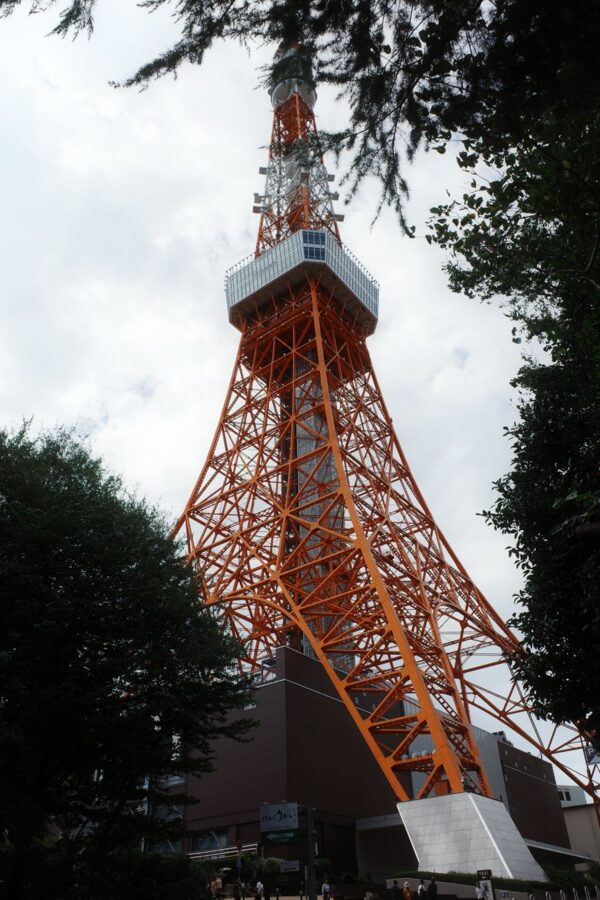
Children usually ask to go up one of them. Tokyo Tower, 333 meters of orange and white steel from 1958, is the cheaper and the friendlier: the Main Deck at 150 meters costs ¥1,500 (about US$10) for an adult, ¥900 for primary and junior-high pupils and ¥600 for children from 4. It is open 9 a.m. to 11 p.m., and the guided Top Deck Tour to 250 meters is ¥3,300 (about US$22) for adults if you book online, as of November 2026.
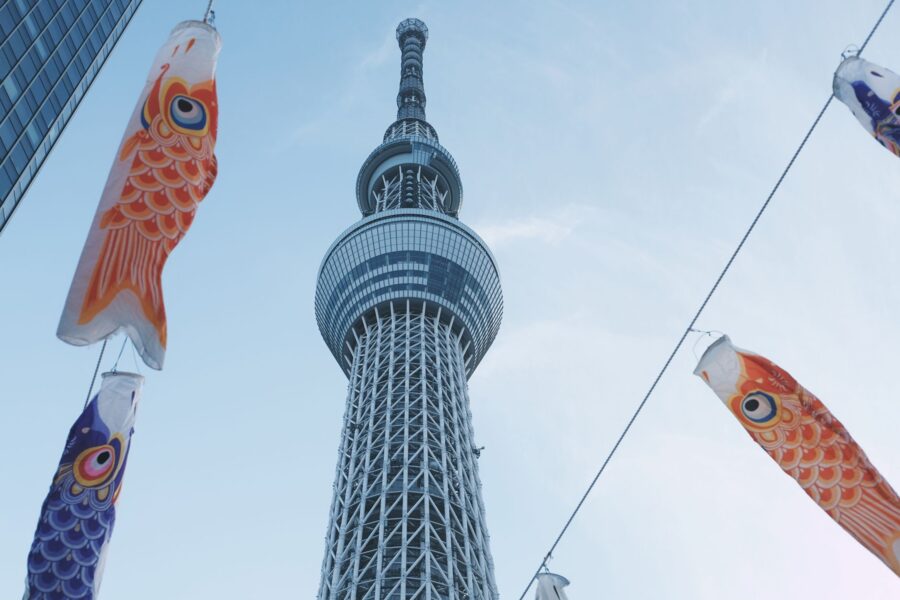
Tokyo Skytree, at 634 meters, is the tallest tower in Japan, and its decks sit at 350 and 450 meters above Oshiage. The Tembo Deck ticket starts at ¥1,800 (about US$12) for anyone 15 and over and ¥900 for ages 6 to 14, with children 5 and under free. A combined ticket for both decks starts at ¥3,000 (about US$20), and buying at the counter on the day adds a ¥500 fee per ticket.
Odaiba
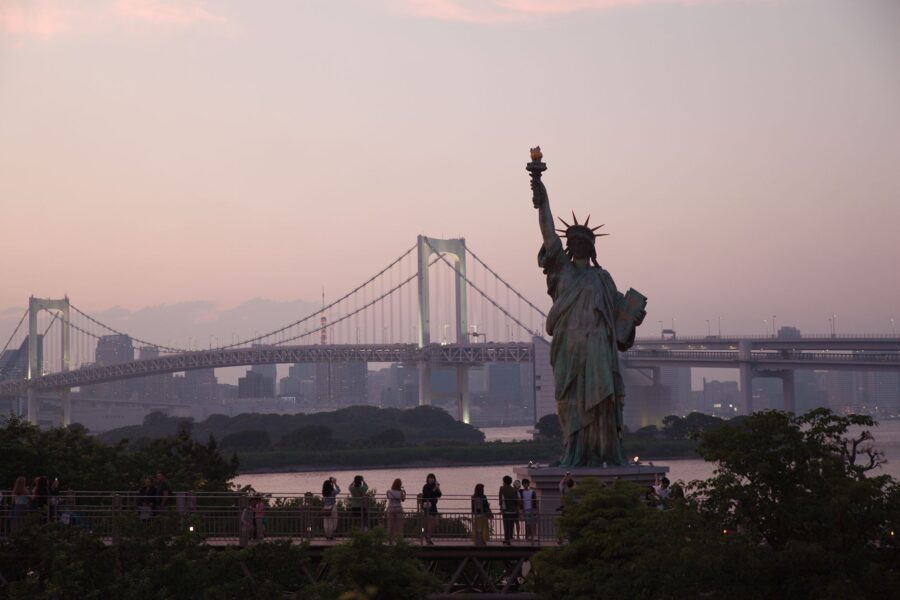
Odaiba is a set of manmade islands in Tokyo Bay, and the ride there is half the fun. The Yurikamome, a driverless train from Shimbashi, loops over the Rainbow Bridge; sit at the very front for a driver’s-eye view. On the islands are a beach park you can walk but not swim at, a small replica of the Statue of Liberty and the shopping center DiverCity Tokyo Plaza, home of The Gundam Base Tokyo, a big store for the robot models.
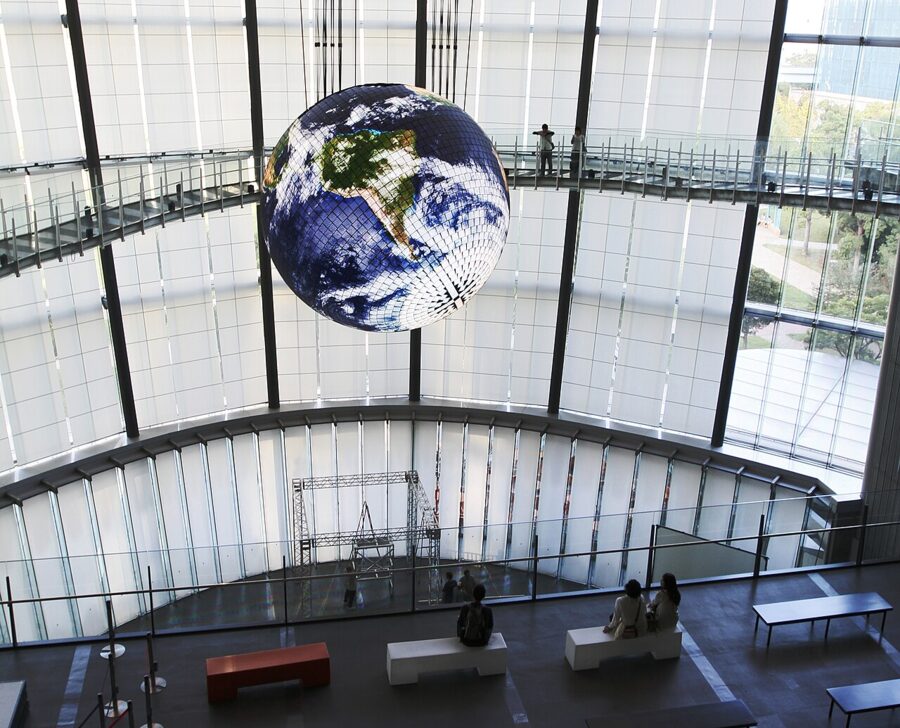
My pick for a rainy day is Miraikan, the National Museum of Emerging Science and Innovation. The permanent exhibitions cost ¥630 (about US$4) for adults and ¥210 for anyone 18 and under, with preschoolers free. It is open 10 a.m. to 5 p.m. and closed on Tuesdays.

The Kyoto International Manga Museum
This is the cheap, quiet half of my opening comparison. The museum fills a former primary school two minutes from Karasuma Oike Station, and most of its collection is on open shelves along the corridors, so you take a volume down and read it on a bench or, in good weather, on the old schoolyard lawn. Most books are in Japanese, but pictures need no translating.
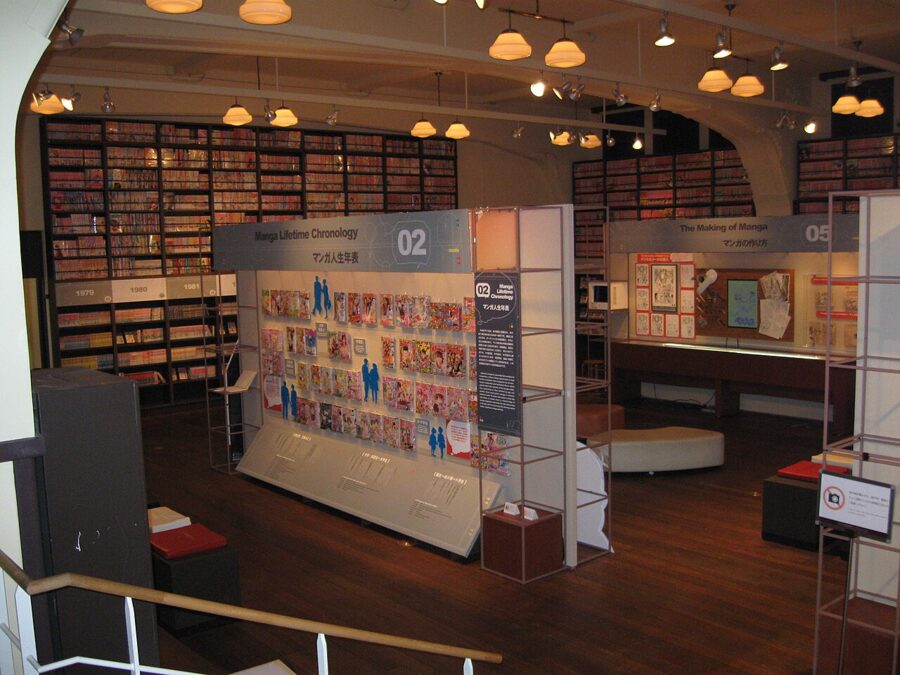

Admission is ¥1,200 (about US$8) for adults, ¥400 for ages 13 to 18 and ¥200 for ages 6 to 12. It is open 10 a.m. to 5 p.m., last entry 4:30, and closed on Wednesdays. A family of two adults and two primary-school children pays ¥2,800 in all.

The deer of Nara
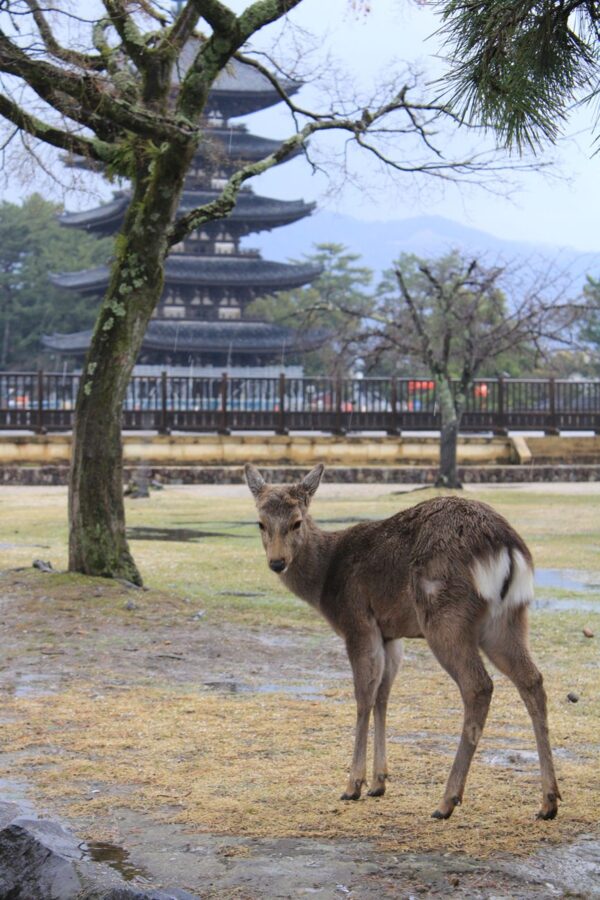
Nara Park is free, open all day and full of wild sika deer, which children remember long after the temples. The Nara Deer Preservation Foundation counted 1,465 of them in July 2025, the highest number since counts began in 1953. The park starts a few minutes’ walk from Kintetsu Nara Station.
The only food you may give them is 鹿せんべい (shika senbei), the plain deer crackers sold from stalls in the park. Hold the stack above a small child’s head height, show empty hands when you are done, and expect a butt from a stag in the autumn rut. A deer that bows to you is asking for a cracker, not being polite.
Universal Studios Japan, in brief
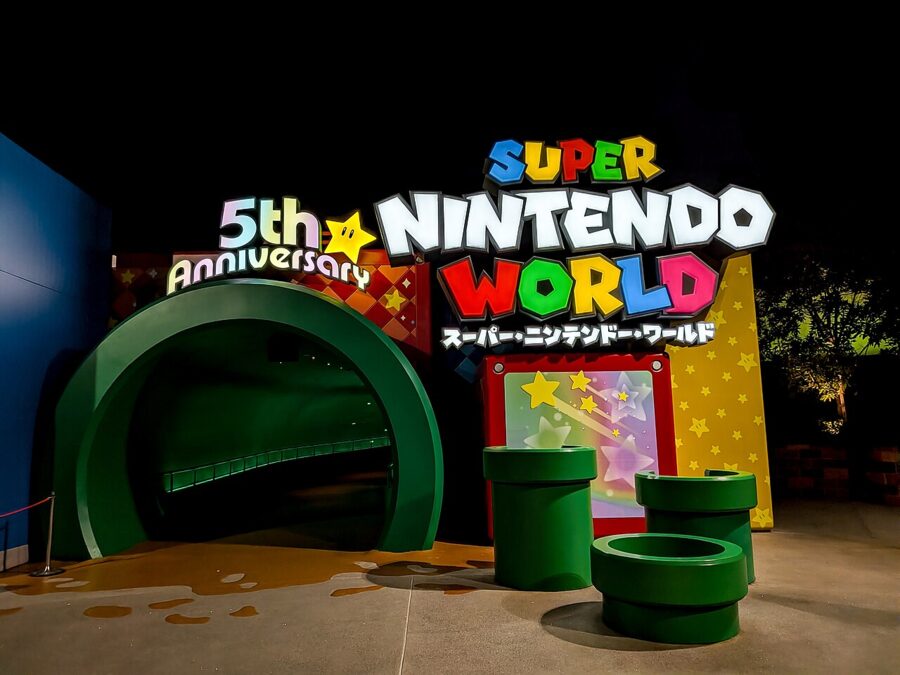
In Osaka, Universal Studios Japan is the other big theme park, and its draw for families is Super Nintendo World, where you can punch the question blocks from the Mario games. It is at Universal City Station on the JR Yumesaki Line. Like Disney, it prices its 1-Day Studio Pass by date, and on busy days the Nintendo area may need a timed entry ticket, so check the official calendar before you go.
Couples
A night at an onsen inn
The trip I suggest most to couples is one night at a 旅館 (ryokan), a Japanese inn with tatami rooms, dinner in the room or a private dining room, and a hot spring bath. One catch: most public baths are split by sex, so you bathe apart. The word to look for when booking is 貸切風呂 (kashikiri-buro), a private bath you can reserve for the two of you.
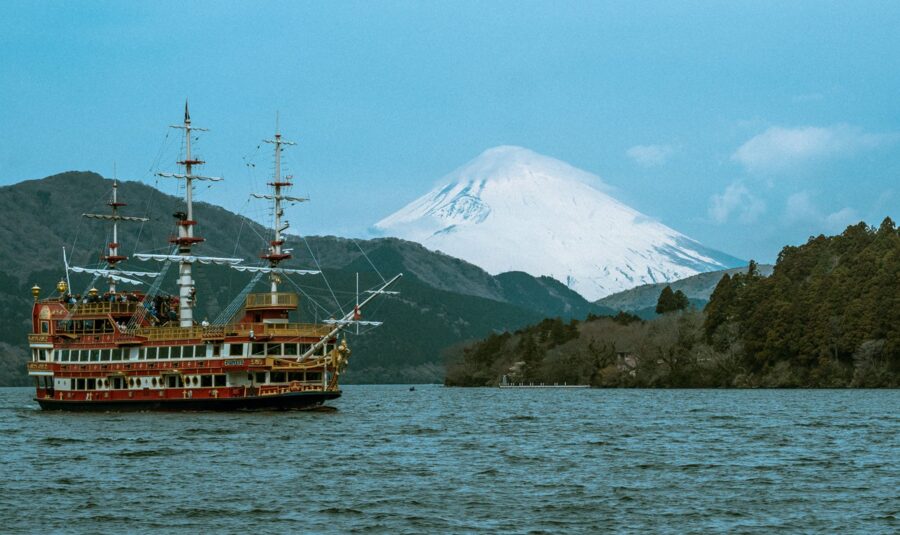
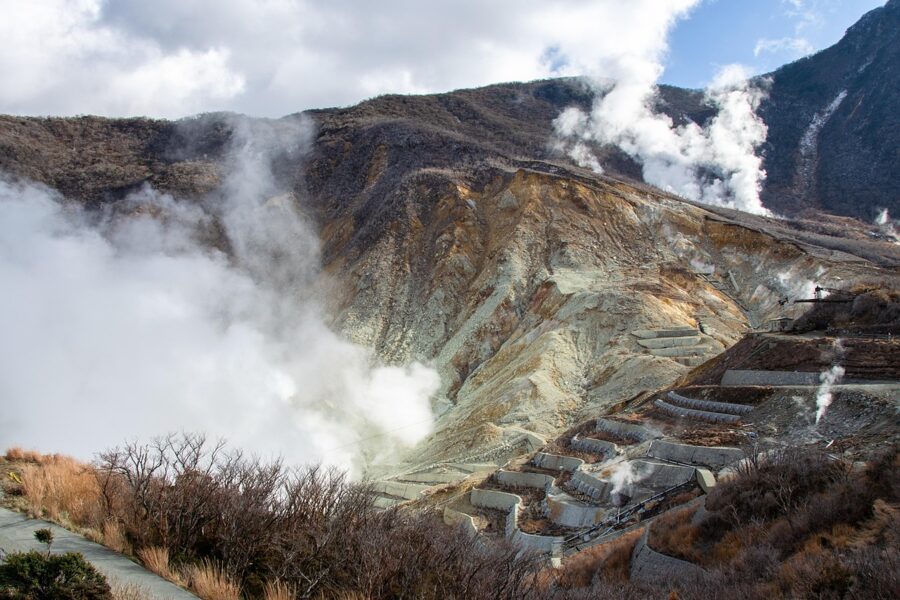
Hakone is the closest to Tokyo. The Odakyu Hakone Freepass from Shinjuku costs ¥7,100 (about US$47) for two days or ¥7,500 for three, with child versions from ¥1,600, and covers the mountain railway, cable car, ropeway, buses and the sightseeing boats on Lake Ashi. The Romancecar limited express adds ¥1,200 (about US$8) each way.
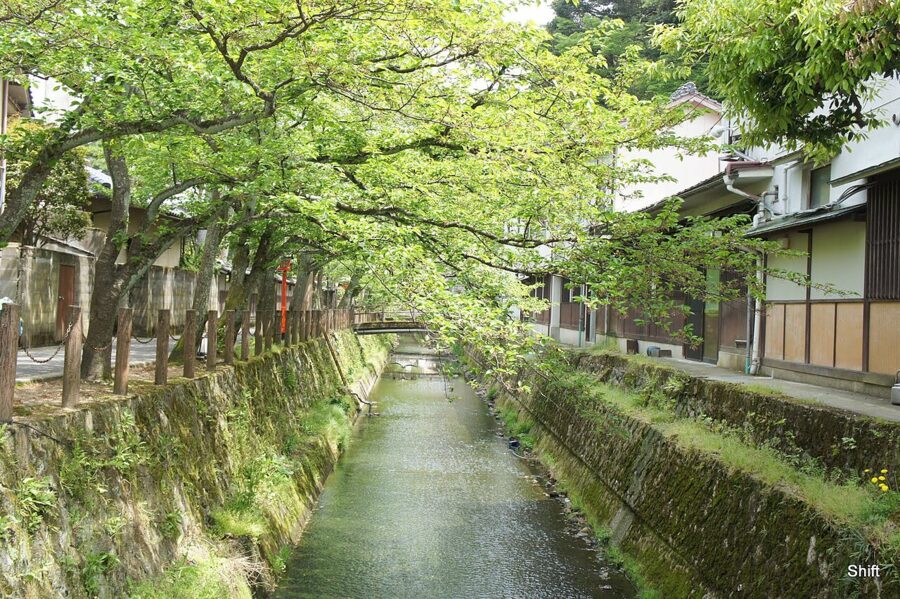
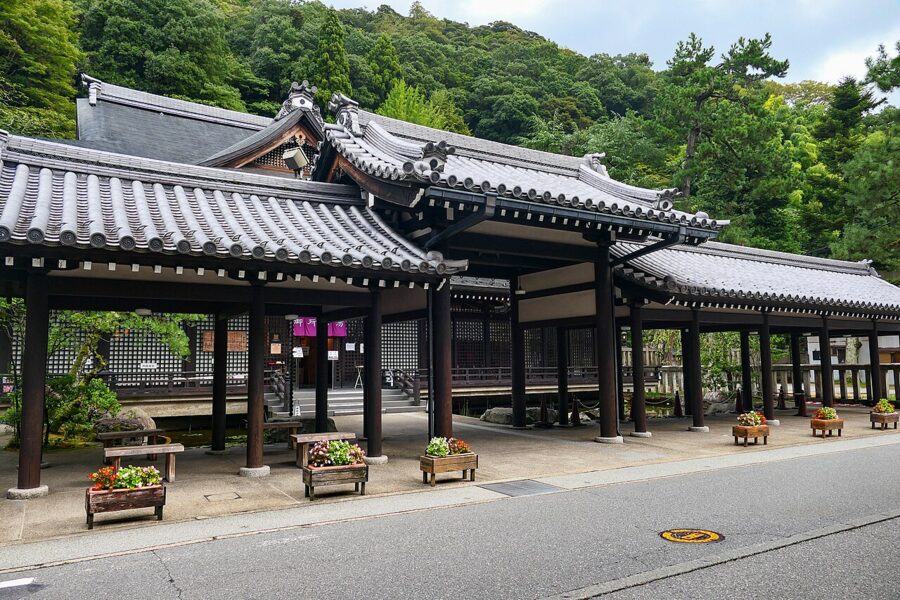
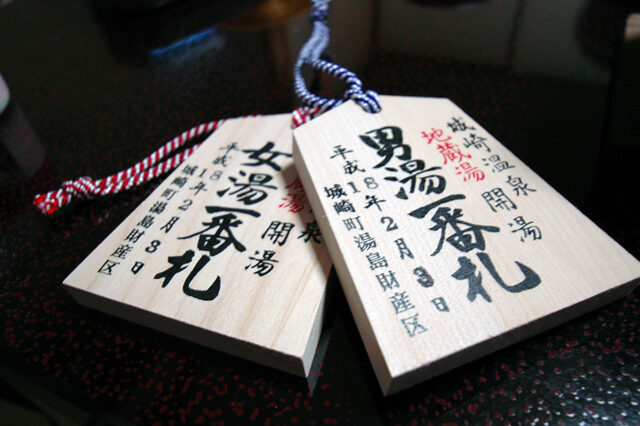
Kinosaki Onsen, on the Sea of Japan side of Hyogo, is the one I would choose for the evening walk. Its public baths, the 外湯 (sotoyu), are spread along a canal (six were open as of November 2026; Satonoyu has been closed since March 2024), and inns give their guests a pass called Yumepa that opens them. Day visitors pay ¥1,500 (about US$10) for the same pass, and the town is about two and a half hours from Kyoto or Osaka by JR limited express.

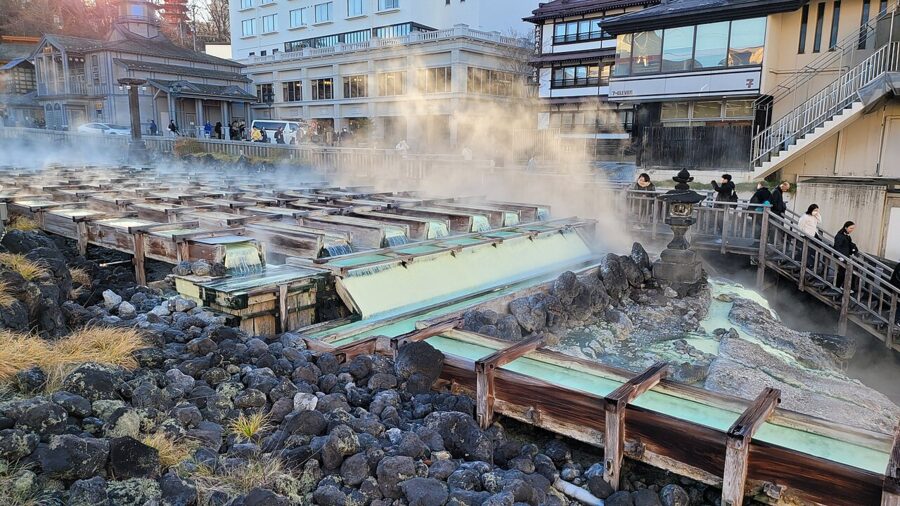
Kusatsu, in the mountains of Gunma, has some of the most acidic spring water in the country, and a great deal of it, and its town square is built around the Yubatake, a steaming field of wooden channels that cools the spring before it reaches the baths. At the Netsunoyu hall next to it, women stir the hot water with long wooden paddles and sing, the old way of cooling a bath called 湯もみ (yumomi). The show costs ¥700 (about US$5) for adults and ¥350 for primary pupils.
Kyoto in the evening
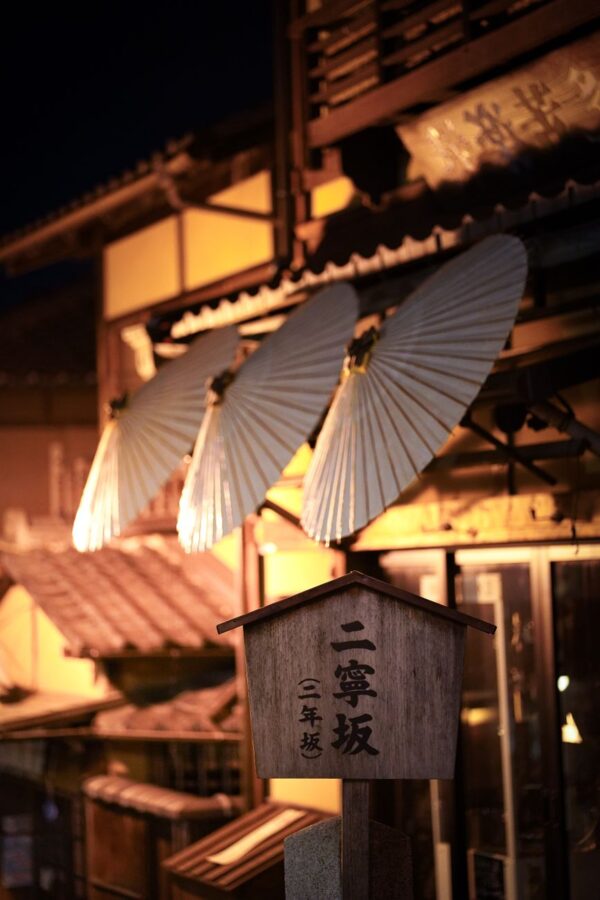
Kyoto empties out after the temples close, and the walk between Gion and Pontocho is at its best then. Yasaka Shrine, at the top of Gion’s main street, keeps its grounds open through the night, and its lanterns are lit after dark. In the side lanes of Gion’s Minamigawa district, signs mark private roads that visitors are asked not to enter, so stay on the main streets there.
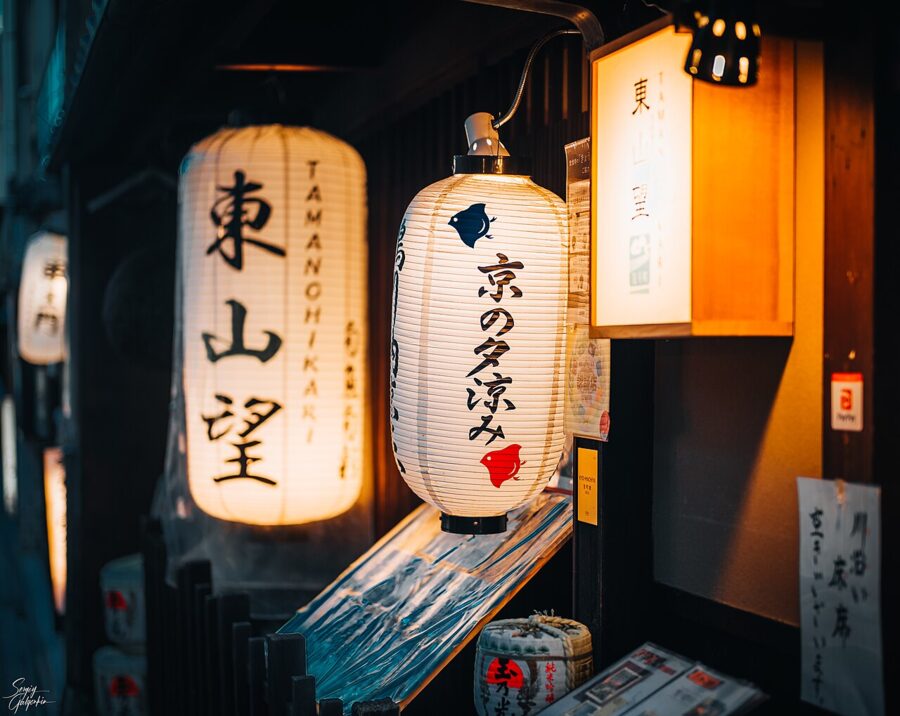
Pontocho is a lane so narrow you can touch both sides, running between the Kamo River and the Kiyamachi canal and lined with small restaurants. From May to September many of them build wooden dining platforms out over the riverbank. Afterward, walk down to the river itself.

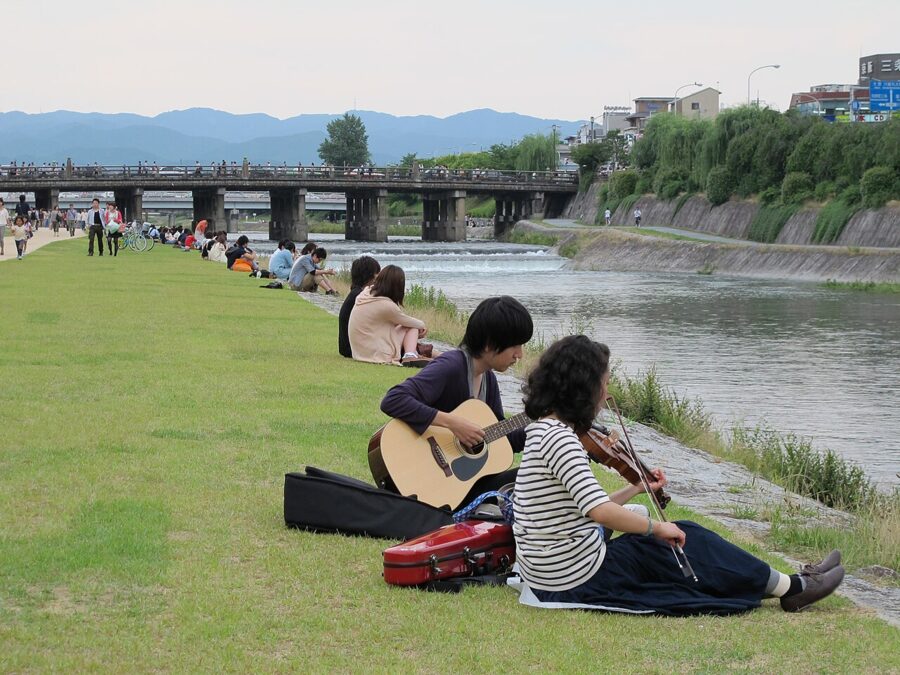
On warm evenings, couples sit along the west bank of the Kamo at strangely regular gaps. Kyoto people call it 鴨川等間隔の法則 (Kamogawa tōkankaku no hōsoku), the “Kamo River equal-spacing rule”, and nobody organizes it. Take your place in the line.

The Imperial Palace East Gardens
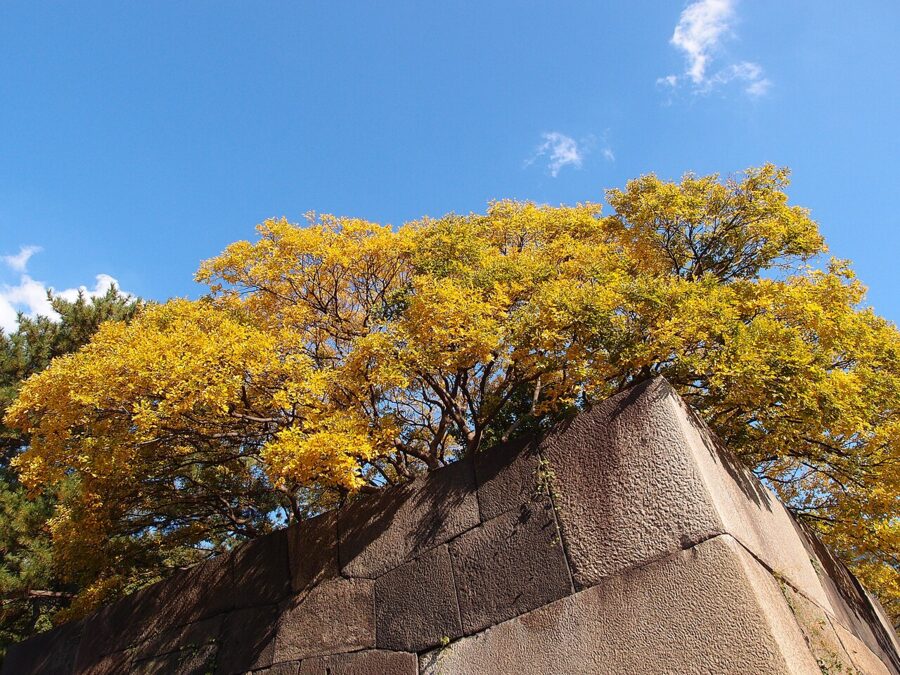
The palace where the Emperor lives is closed, but the East Gardens, the old inner grounds of Edo Castle, are free and a short walk from Tokyo Station. You walk up past the castle’s huge stone walls to the empty base of the keep, then down into lawns, a pond garden and seasonal flowers. It makes a calm first morning in Tokyo for two people with jet lag.

The gardens are closed every Monday and Friday (open on national holidays except February 23), and from December 28 to January 3. Opening is 9 a.m.; closing runs from 4 p.m. in winter to 6 p.m. from mid-April to August, with last entry half an hour earlier, as of November 2026. The Ote-mon Gate is busy at opening and on weekends, so the Hirakawa-mon or Kitahanebashi-mon gates are quicker.
Sado Island and the Earth Celebration
For a couple with time and a taste for music, Sado is the most memorable idea here. It is one of the largest islands off Japan’s main four, in the Sea of Japan and home to Kodo, the taiko drum ensemble that has played more than 7,000 concerts in over 50 countries since its debut in 1981. Every August, Kodo and Sado City host the Earth Celebration, three days of harbor concerts, workshops and street events in the port town of Ogi.
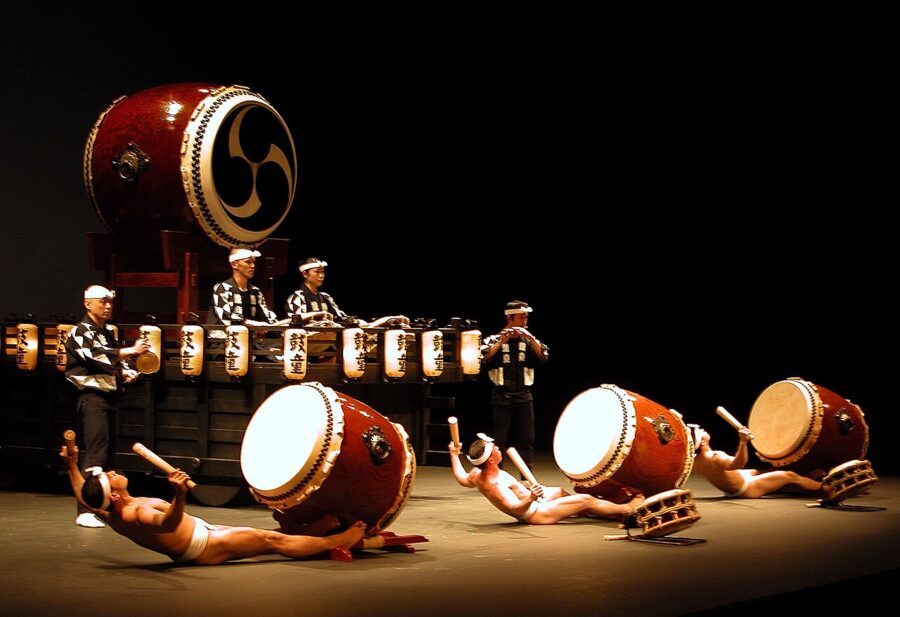

The 2027 festival runs from Friday, August 20, to Sunday, August 22. In 2026, workshops cost ¥4,000 to ¥6,000 (about US$27 to US$40) and a visit to Kodo’s rehearsal hall cost ¥7,000 for adults; concert tickets are sold in number order, and the number sets your place in the entry line, so buy early. Rooms on the island are few for a crowd this size, which is the other reason to book months ahead.
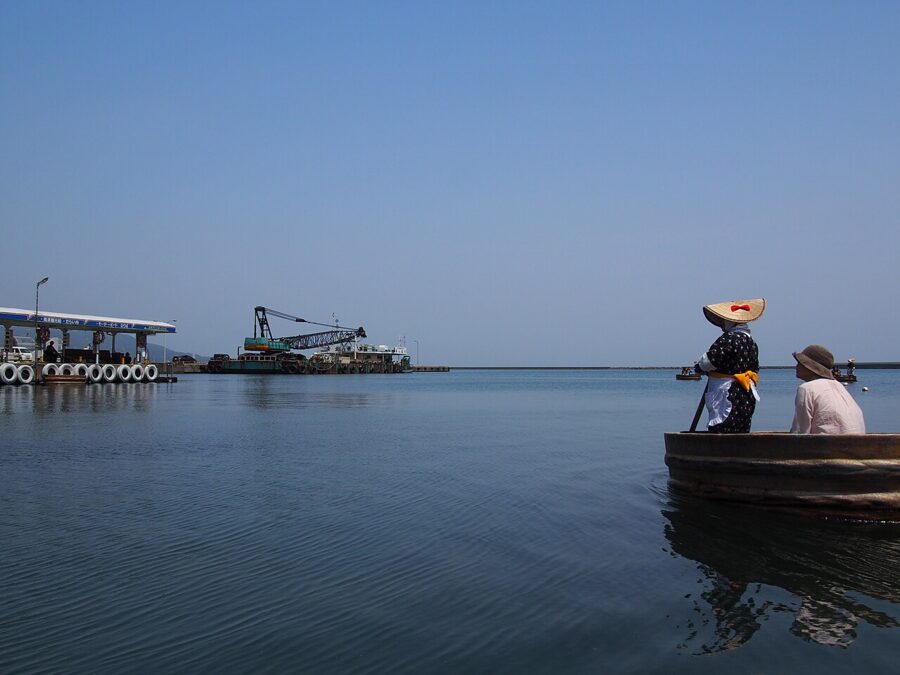

Getting there takes planning, not effort. The Joetsu Shinkansen reaches Niigata from Tokyo in about 90 minutes, and Sado Kisen jetfoils cross to Ryotsu in about 67 minutes; Ogi is an hour’s drive from there. The other ferry route, Naoetsu to Ogi, lands you a ten-minute walk from the festival. Sado is big and buses are sparse, so a rental car helps, and for that you need the right driving permit before you leave home.
Solo travelers
Hostels and capsule hotels
Japan is easy to travel alone, partly because so much is built for one person. Hostels with bunk dormitories are common in the big cities and the pilgrim towns. A capsule hotel gives you a sleeping pod about the size of a single bed and tall enough to sit up in, with a locker, shared baths and lounges.
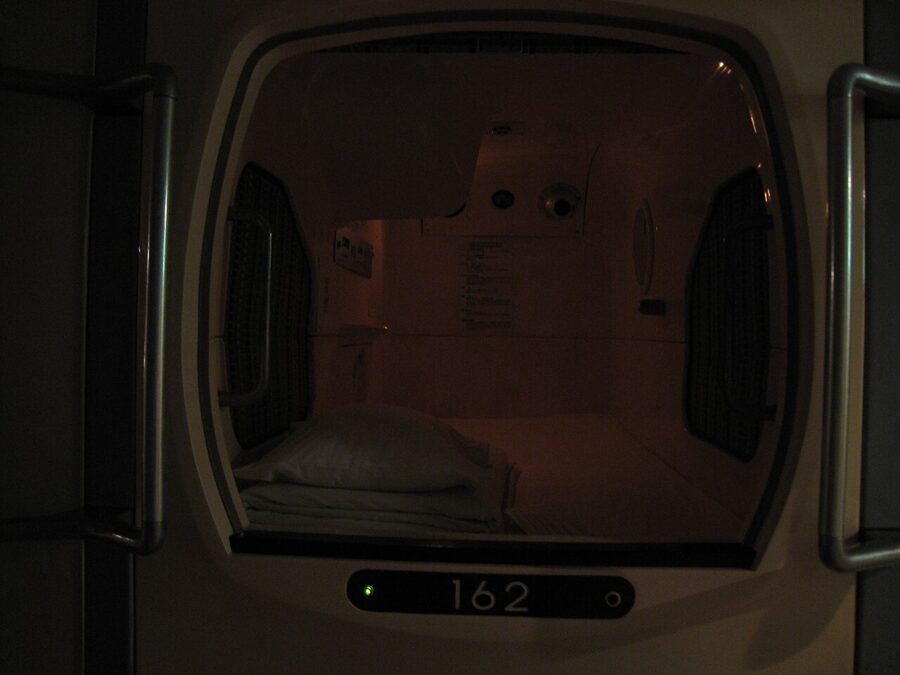
Many capsule hotels were men-only, and many still are. Look for 女性専用 (josei sen’yō, women only), which marks a women’s floor or a women’s hotel, often with its own key-card lift. Most capsules ask guests to check out each morning and back in each afternoon, even on a stay of several nights, so treat them as a bed, not a base.
Eating alone
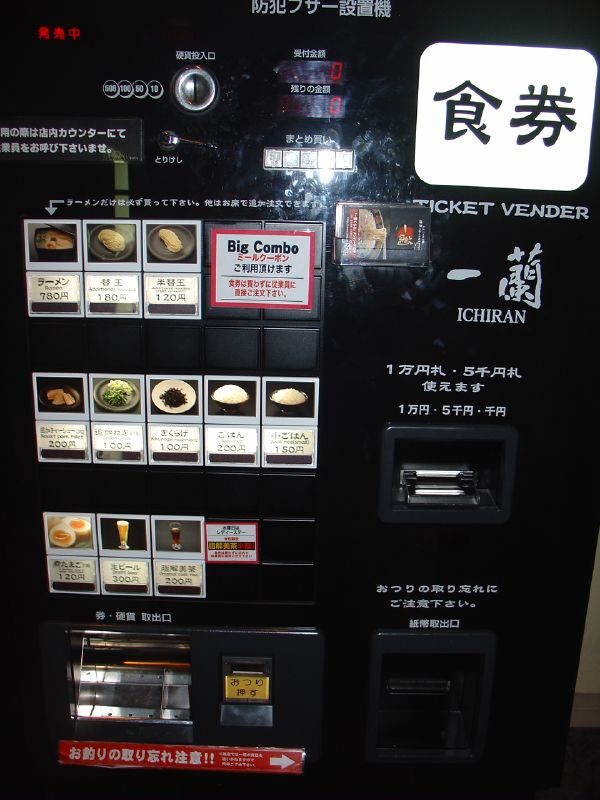
Eating alone is ordinary in Japan, and the counter seat, カウンター (kauntā), exists for it. Ramen shops, sushi counters, curry chains and set-meal diners all seat single diners first, and a queue of one moves fastest. Many places sell you a ticket at a machine by the door instead of taking your order: buy the 食券 (shokken, meal ticket), hand it over, and sit.

Kirishima and the hot springs of Kyushu
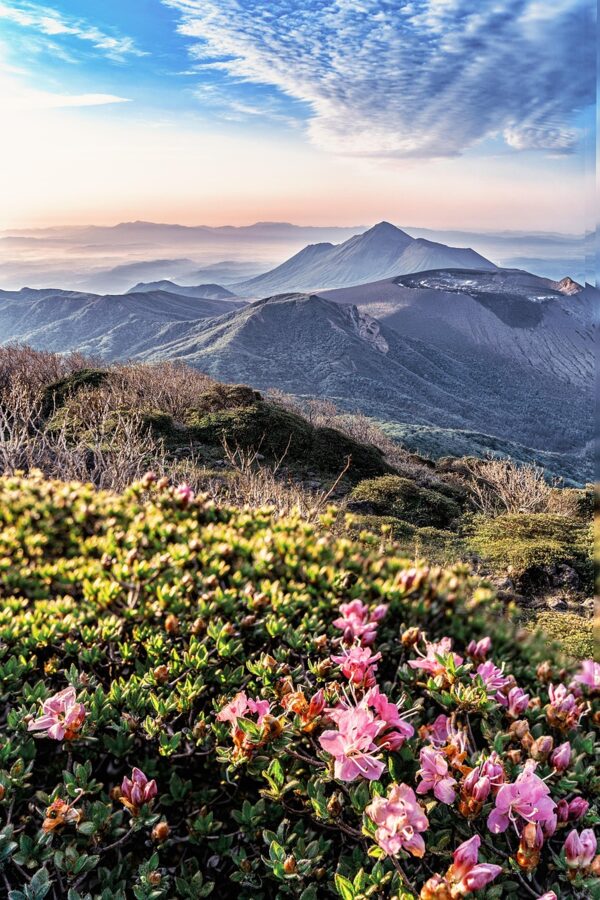
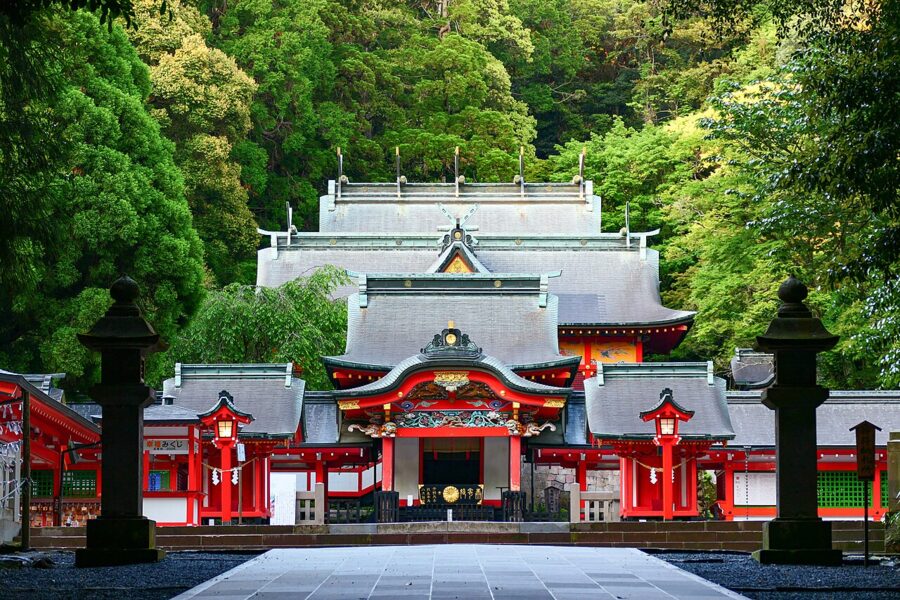
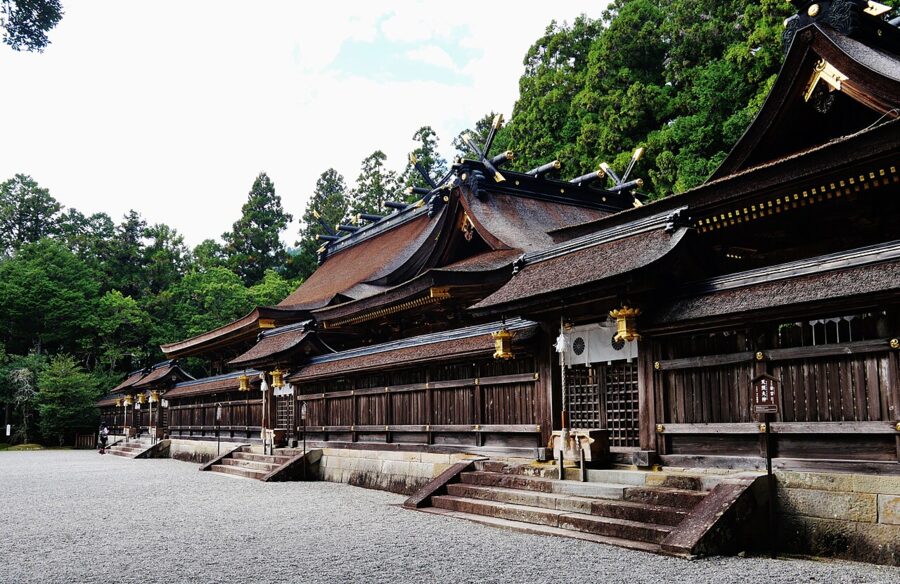
For a solo week away from the big cities, I would fly to Kagoshima and spend it in the Kirishima mountains, a cluster of volcanoes with hot spring villages scattered across their slopes. Kirishima Jingu, its main shrine, has halls of red lacquer and gold that were named National Treasures in 2022. Buses run to it from Kagoshima Airport and from JR Kirishima-Jingu Station, and on to the inns of the Kirishima Onsen area.

The trails across the range are fine for a solo hiker, but these are live volcanoes. Shinmoedake has erupted in recent years, and paths near the craters close when the Japan Meteorological Agency raises its alert level, so check it on the morning you set out. The basics of staying safe in Japan, earthquakes and volcanoes included, apply here more than anywhere.
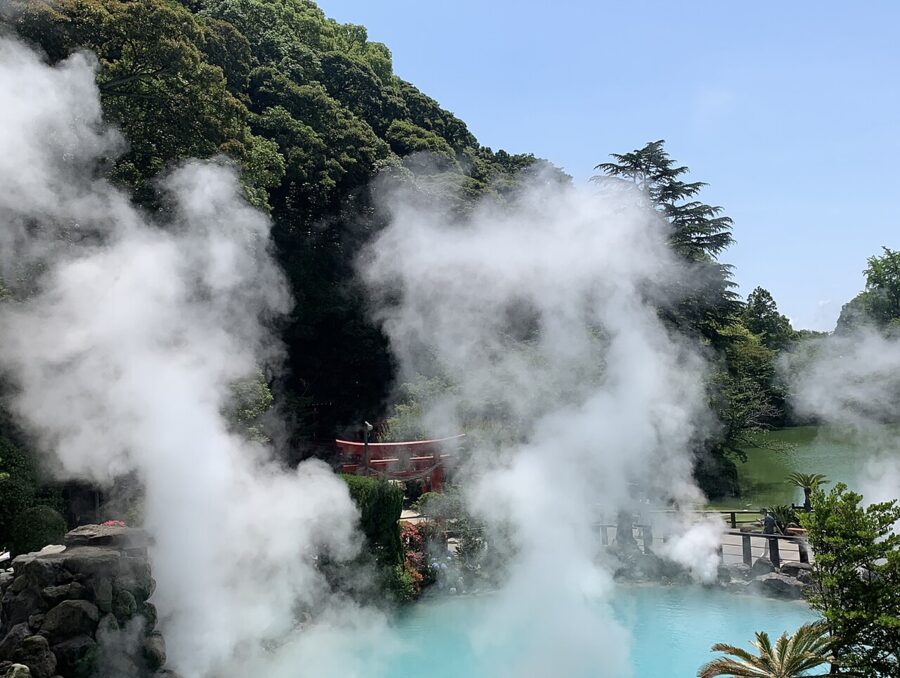
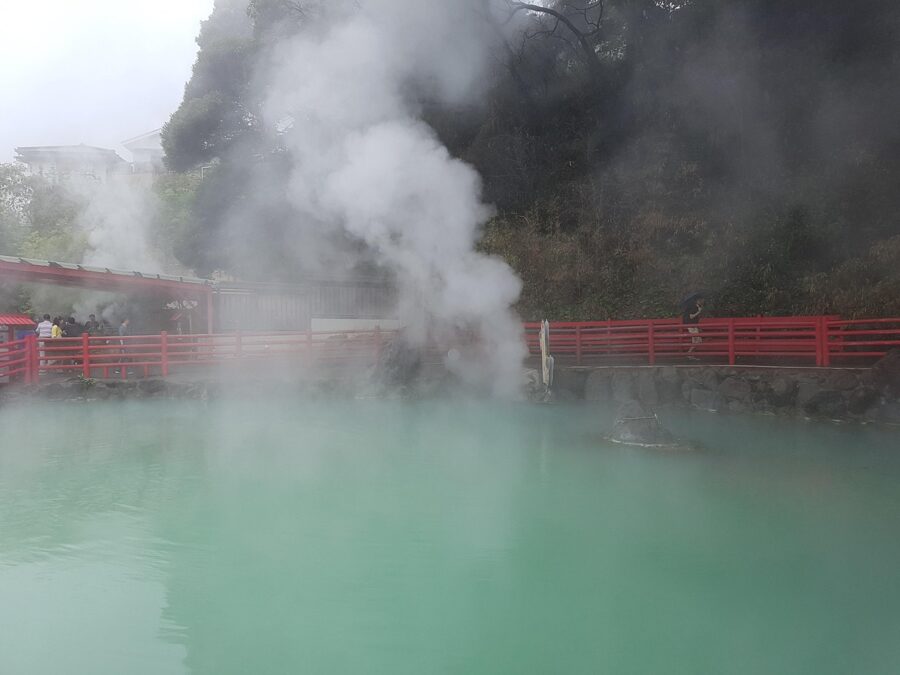
Across Kyushu in Oita, Beppu has more hot spring vents than almost anywhere on earth. Its seven “hells”, pools too hot to bathe in, are seen on a shared ticket of ¥2,400 (about US$16) for adults and ¥1,200 for primary and junior-high pupils, open 8 a.m. to 5 p.m. every day. Then bathe in one of the town’s many cheap public baths that use the same water, cooled.
The pilgrim trails
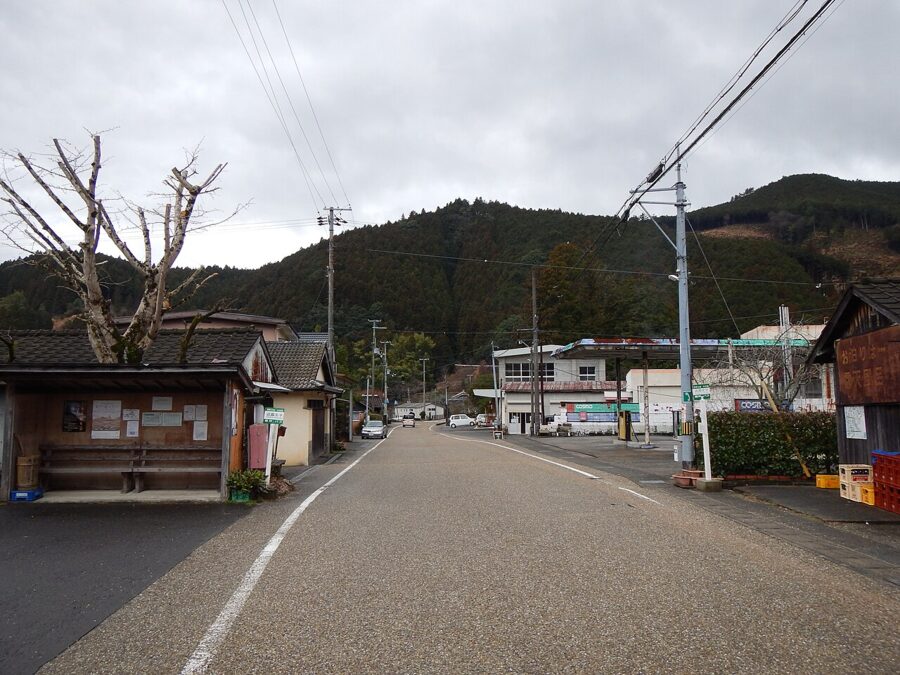
Two old pilgrimages suit a solo traveler better than any city. The first is the Kumano Kodo, the network of mountain paths on the Kii Peninsula to the three grand shrines of Kumano, listed by UNESCO in July 2004. The Nakahechi route from Tanabe, walked by retired emperors from the tenth century, is the one to start on: it has inns in small villages along the way and can be walked in stages over two to four days. The Kohechi, from Koyasan, is the hard one, 70 km (about 43 miles) over three passes above 1,000 meters.


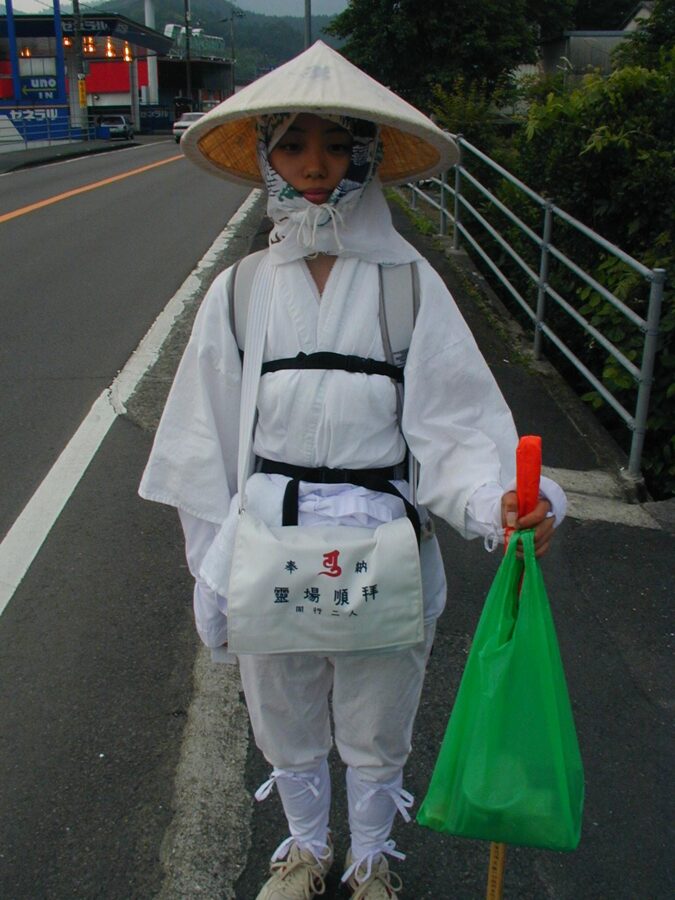
The second is the 88-temple circuit of Shikoku, about 1,200 km (750 miles) around the island, though the count varies by route. The pilgrim is called お遍路さん (ohenro-san), and locals still give food or small gifts to walkers, a custom called osettai. Few people walk it all at once, which takes six weeks or more; many do it in sections over years, or by bus and train.

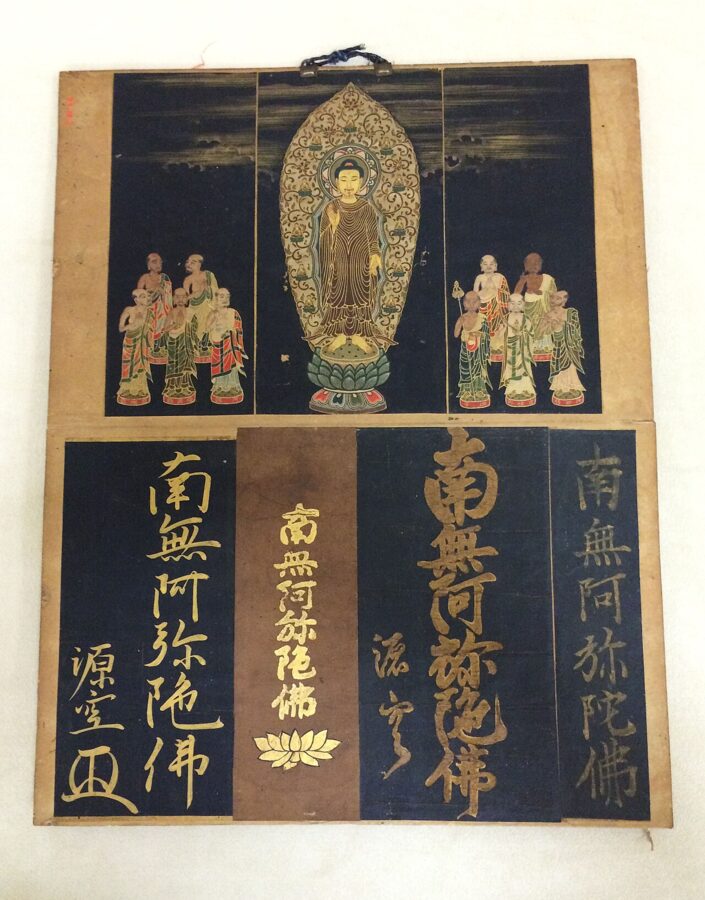
At each temple, pilgrims have a stamp album, the 納経帳 (nōkyōchō), stamped and signed in ink. Since April 2024 the fee at every temple has been ¥500 (about US$3), up from ¥300 after thirty years, and the stamp offices now open at 8 a.m. Arrive before they close in the late afternoon, or wait for the morning.
Safety when you are on your own
Japan’s crime rates are low, but solo travelers should still know the basics. The police number is 110 and fire and ambulance is 119, and every neighborhood has a small police box, the 交番 (kōban), where officers give directions as often as anything else. A working phone with data does most of the rest: maps, trains and translation, so set up a phone or pocket wifi before you leave the airport.
On trails, tell your inn your route and when you expect to arrive. Carry your passport too: the law behind Japan’s entry rules requires short-term visitors to have it on them at all times.
Matching the idea to the season and the length of the trip
Onsen nights are best from late autumn to early spring, the deer and the gardens are pleasant most of the year, and Sado’s festival is fixed in late August. The Kirishima azaleas bloom in early summer, while the pilgrim trails are kindest in spring and autumn, away from the summer heat; the best times to visit Japan explain the crowds and holidays that move prices.
On a week’s trip, Tokyo plus one onsen night in Hakone or Kusatsu is plenty; Odaiba, the towers and the East Gardens fit around it. Ten days to two weeks adds Kyoto, Nara and Kinosaki or Osaka. Sado, Kirishima, Kumano and Shikoku each need three days at least, so pick one of them rather than all four.
And if you are still weighing the ¥28,400 day against the ¥2,800 one, do both. Disney for the day the children choose, the manga museum for the afternoon it rains.