

The first greeting you hear in a Japanese shop will almost never be konnichiwa. It will be irasshaimase (いらっしゃいませ), called out as you step through the door, and the polite reply is to say nothing at all. Japanese has a hello for nearly every hour, place and relationship, and the textbook one fits fewer of them than you would expect.
Key facts Greeting
- Waking up to about 10 or 11 a.m.
- Ohayō gozaimasu おはようございます
- Late morning to dusk
- Konnichiwa こんにちは
- After dark
- Konbanwa こんばんは
- Bedtime, or parting late at night
- Oyasumi nasai おやすみなさい
That is good news for a visitor. You need about a dozen phrases, a nod, and a sense of which one goes where, and Japanese people will meet you more than halfway. What follows takes them in the order you will need them: the everyday hellos and their clock, what to do when staff greet you, the phone, friends and regions, goodbyes, and the bow.


Konnichiwa, and why it ends in は
Konnichiwa (こんにちは) is the daytime hello, and it is half a sentence. Konnichi (今日) is a formal word for “today”, and wa is the topic particle, so the greeting means “as for today…” People once went on to say something about the day: that the weather was fine, or to ask how you were keeping. The rest fell away and the opening stayed.
That is why it is written with the hiragana は (ha), not わ (wa). The topic particle is spelled は and read “wa”, and hiragana learners meet the same rule in every sentence they read. The Nihon Kokugo Daijiten, Japan’s largest historical dictionary, finds the greeting in a comic novel of 1785, and records a clipped konchiwa as old Edo and Tokyo downtown speech. You will see こんにちわ in casual messages; dictionaries and teachers count it as a misspelling.
The catch for a visitor is who you say it to. Konnichiwa is for people outside your circle: a guesthouse owner, a neighbor, someone you pass on a mountain trail. Families do not say it to each other, and coworkers who see each other daily would find it oddly distant. Before mid-morning it also sounds wrong, because the morning has its own word.
A hello for each part of the day
Ohayō gozaimasu, good morning
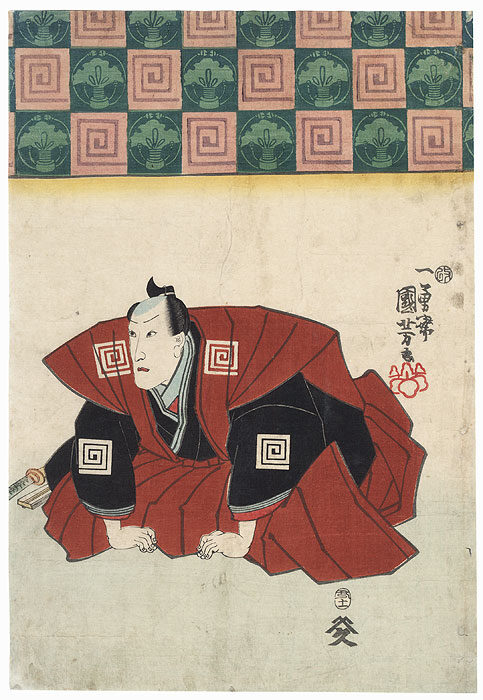
Ohayō gozaimasu (おはようございます) is the polite morning greeting, and ohayō on its own is the casual one for friends and family. Dictionaries derive it from o-hayaku, “early”, so it carries a hint of “you’re up early”. A popular story credits kabuki theaters, where stagehands greeted actors arriving hours before a show; it is told everywhere, but the dictionaries do not mention it.

Work bends the clock. In TV studios, theaters, restaurants and many shift jobs, ohayō gozaimasu is the first greeting of the shift whatever the hour, so a bartender starting at 6 p.m. may say it to colleagues with the sky already dark. You are not expected to copy this. Just don’t be puzzled when you overhear it in the evening.
Konbanwa and oyasumi nasai
Konbanwa (こんばんは) is built like konnichiwa: konban (今晩) means “this evening”, and the final は is read “wa” for the same reason. The dictionary’s earliest example is from 1779. Use it from dusk onward with anyone you would greet with konnichiwa by day.
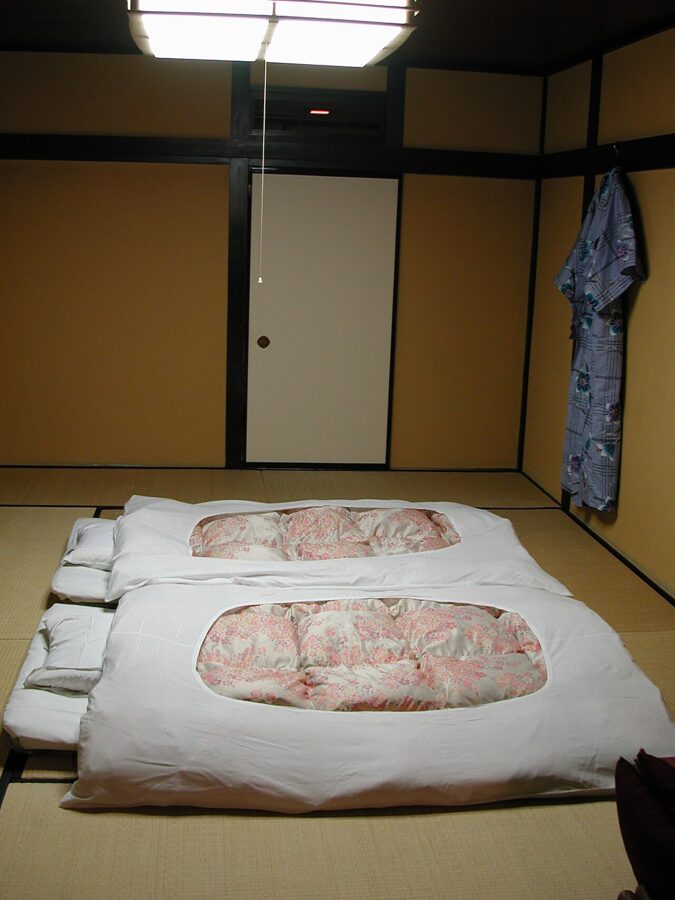
Oyasumi nasai (おやすみなさい) literally asks you to rest, and it is a goodnight, not a greeting. You say it at bedtime, or when parting from someone late at night; oyasumi alone is the casual form. Ryokan staff may say it as they leave your room after laying out the futons.

Where the cut-offs fall
There is no official switchover time, and Japanese people disagree at the edges. The dictionaries only say morning, daytime and night. The rough guide below is mine, and nobody will mind if you are an hour out either way.
| Time | Greeting | Casual form |
|---|---|---|
| Waking up to about 10 or 11 a.m. | Ohayō gozaimasu おはようございます | Ohayō おはよう |
| Late morning to dusk | Konnichiwa こんにちは | Konchiwa, or a name and a nod |
| After dark | Konbanwa こんばんは | Same |
| Bedtime, or parting late at night | Oyasumi nasai おやすみなさい | Oyasumi おやすみ |
Dusk moves with the seasons. In Tokyo the sun sets around 4:30 p.m. in December and close to 7 p.m. in late June, so a winter konbanwa can come before office hours end.
When staff greet you
Irasshaimase needs no answer
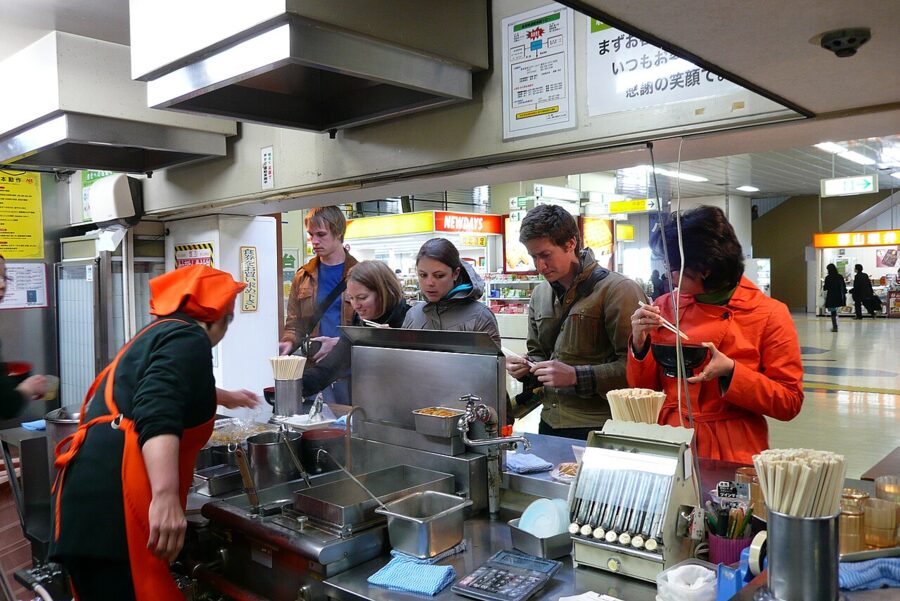
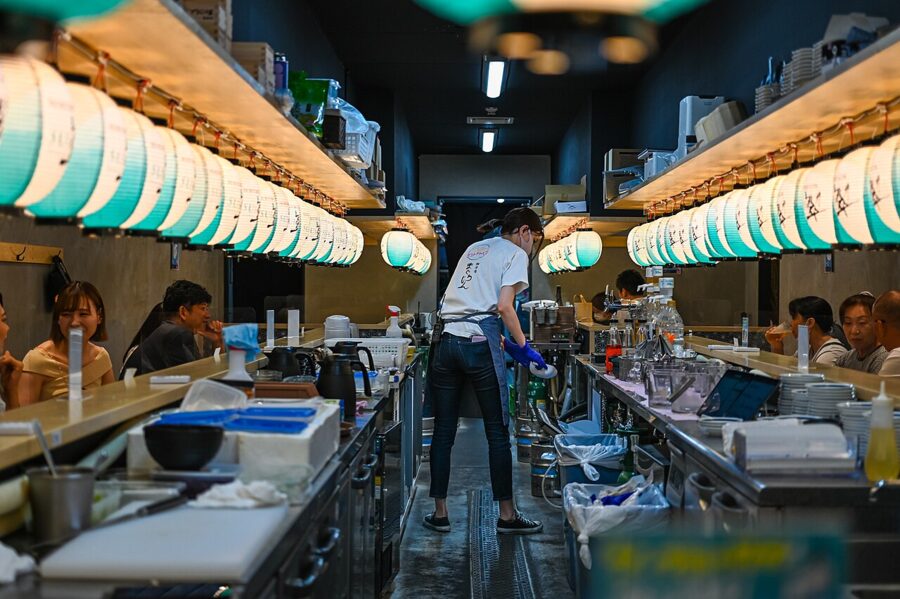
Irasshaimase means “please come in”. It is the polite command form of irassharu, the honorific verb for “come”, so it sits a few rungs above anything a customer would say back. That is why you don’t answer it with another greeting. A small nod or a glance toward the voice is plenty, and walking in silently is also perfectly normal.
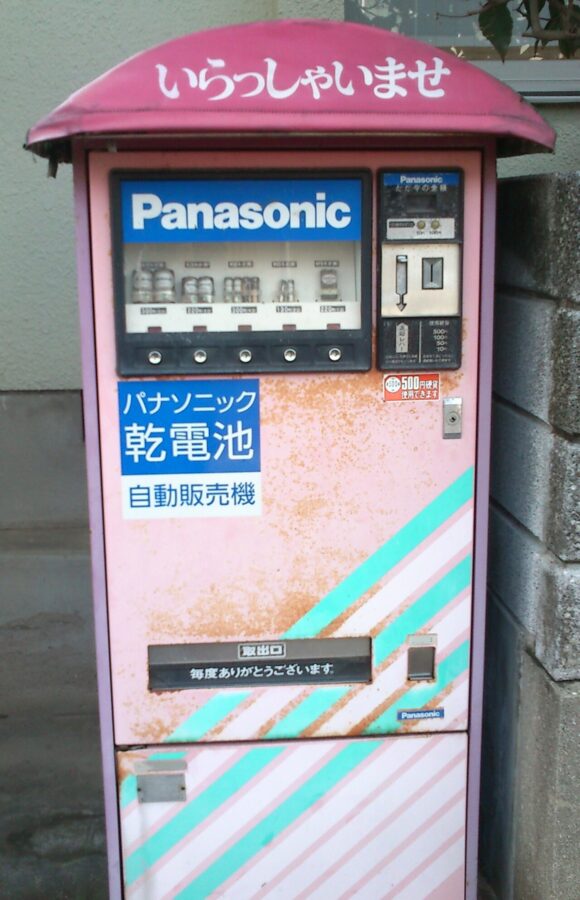

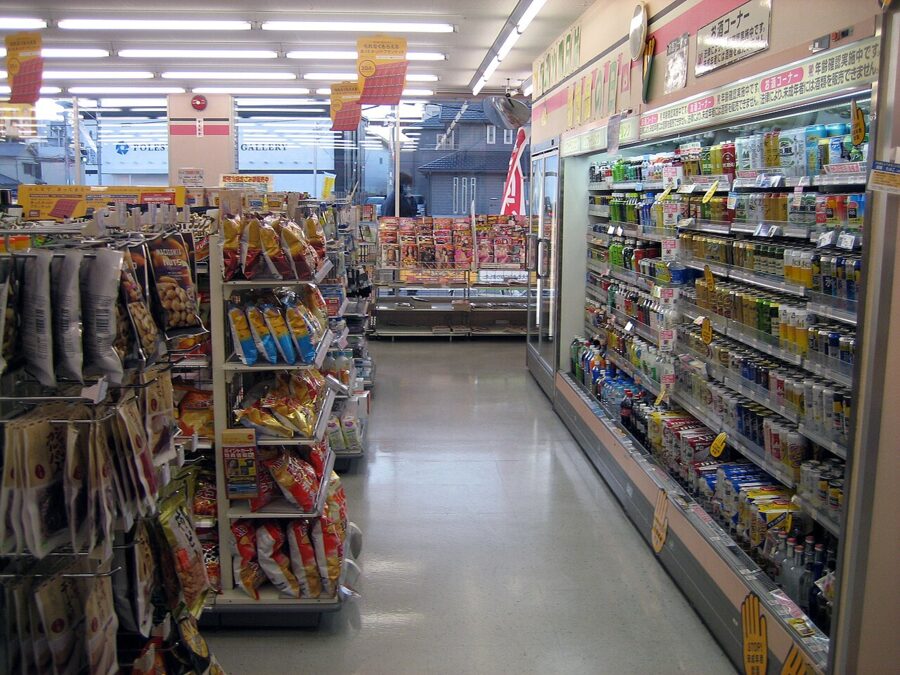
In a convenience store you will hear it from whoever is stacking shelves, in a department store from every counter you pass. In an izakaya the whole kitchen may shout it at once, and the clipped irasshai! belongs to fish markets and small counters. The answer is the same everywhere.

Where you do speak is at the end. At the register, arigatō (ありがとう, thank you) or the politer arigatō gozaimasu is always welcome. Leaving a restaurant, say gochisōsama deshita (ごちそうさまでした), “thank you for the meal”, toward the counter. Neither needs a bow, though a slight dip of the head comes naturally with it.

Sumimasen, the word that opens conversations
When you want to start a conversation with a stranger, the word is not a hello at all. Sumimasen (すみません) literally says “it is not settled”: the verb sumu means to be finished or squared away, and the negative admits a small debt. So it serves as “excuse me”, “sorry” and “thank you for the trouble”, all at once.
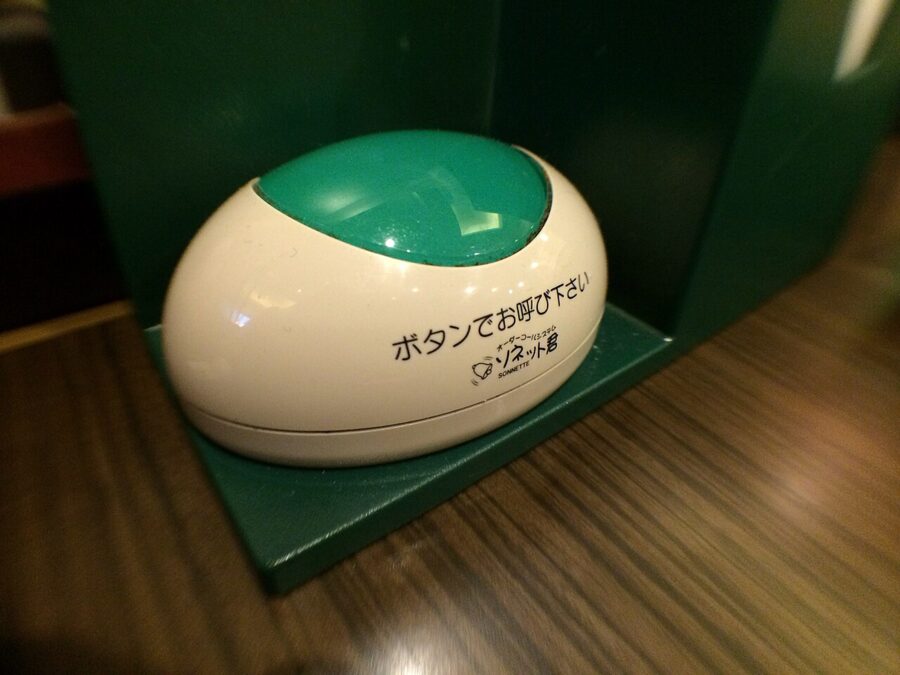
Use it to call a waiter, to stop someone and ask the way, to get past on a crowded train, or to ask for the toilet: sumimasen, toire wa doko desu ka? In restaurants, say it loudly enough to carry; calling staff from your table is normal, not rude. Many chain restaurants spare you the shout with a button.

Moshi moshi, hello on the phone
Moshi moshi (もしもし) is the telephone hello, and it began long before the telephone. It is a worn-down mōshi mōshi, from mōsu, a humble verb for “to say”, so it roughly means “I’m speaking, I’m speaking”. A Jesuit text printed in Japan in 1591 already spells it moximoxi, as a way to get someone’s attention.
The telephone sense of moshi moshi is in print by 1903, a little over a decade after Japan’s first public telephone service opened between Tokyo and Yokohama in 1890. You will still hear the older use when a stranger hurries after you with something you dropped. A story that foxes and ghosts cannot say “moshi” twice, so the double word proves the caller human, is folklore; the dictionaries explain it as plain repetition.
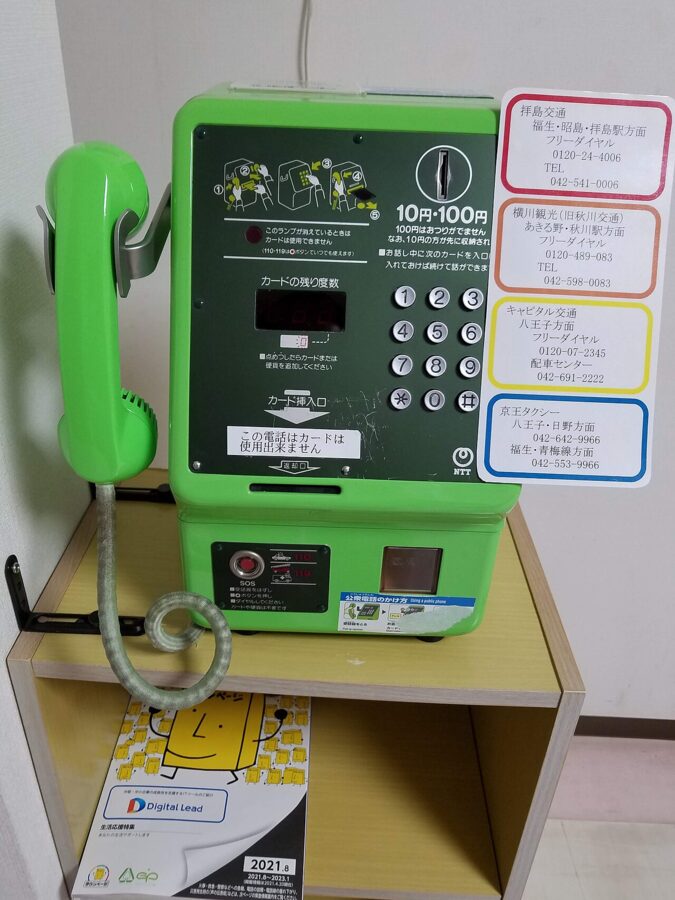

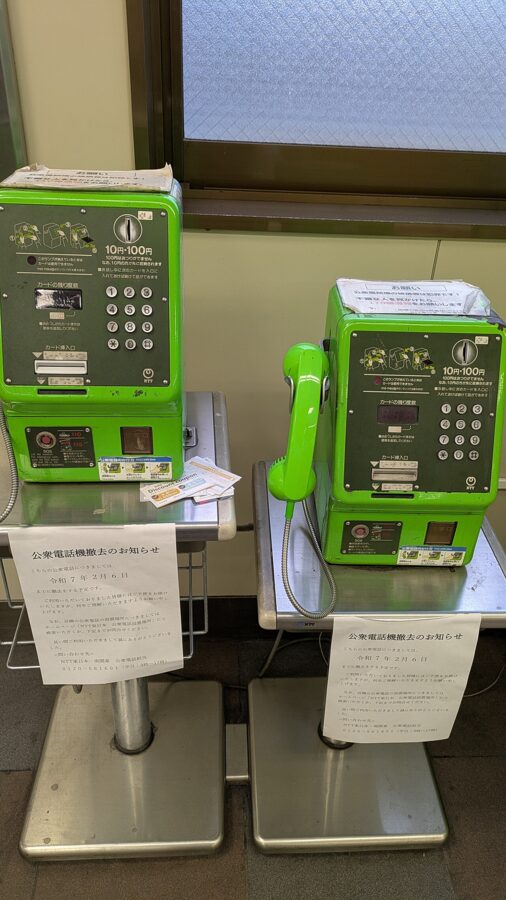
Two practical points. Businesses do not answer with moshi moshi; they answer with their name, hai, [name] de gozaimasu, and you can begin with moshi moshi or sumimasen and then your question. And moshi moshi is only for the phone or for catching attention, never a face-to-face hello. If you rent a phone to call restaurants and ryokan, those two words get you through the first five seconds.

Hello between friends
Friends rarely use the full greetings. Ohayō survives in casual form, but in the afternoon and evening friends tend to say a name, or one of a handful of short words. You do not need to produce these; it helps to recognize them.
- Yā (やあ): “hey”. Dictionaries give it as the word you call out on bumping into someone, often followed by konnichiwa. A little old-fashioned, and friendly.
- Ossu (おっす): a quick “yo” between young men and sports teammates. It is sometimes written 押忍, a spelling borrowed from martial arts clubs. Don’t try it on anyone older than you.
- Hisashiburi (久しぶり): “it’s been a while”. The polite form, o-hisashiburi desu, is what you would say to a host you are seeing again on a return trip.
- Genki? (元気?): “doing well?” Genki desu ka appears in every textbook, but in real life it is for someone you have not seen in some time, not a daily “how are you”.
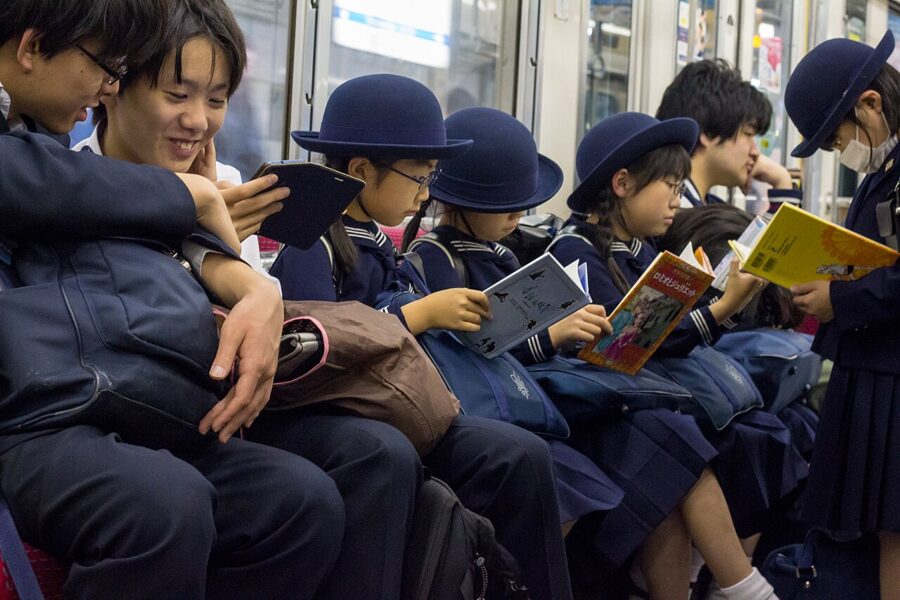

As a guest, stay one step more polite than the person talking to you. If a host switches to ohayō, you can follow; if they say ohayō gozaimasu, say it back in full.
Regional hellos: Osaka and Okinawa
Osaka: mōkarimakka and ookini
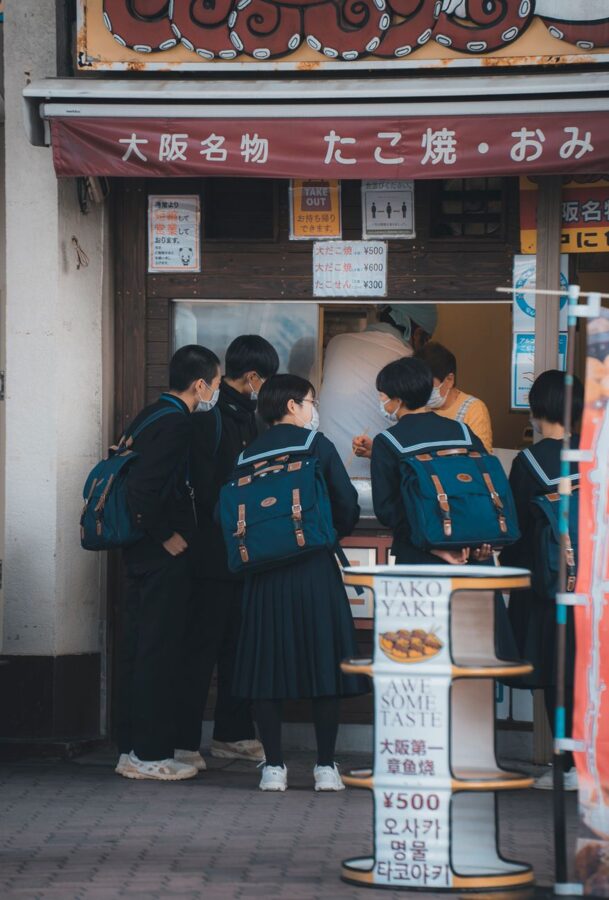
Osaka has the most famous regional hello in Japan, and you are unlikely to hear it used straight. Mōkarimakka? (儲かりまっか) is Osaka dialect for “making any money?”, from mōkaru, to turn a profit. The set reply is bochi bochi denna (ぼちぼちでんな), “so-so, bit by bit”. The exchange belongs to the old merchant city, and today it is quoted on TV and in jokes far more than it is said between shopkeepers.
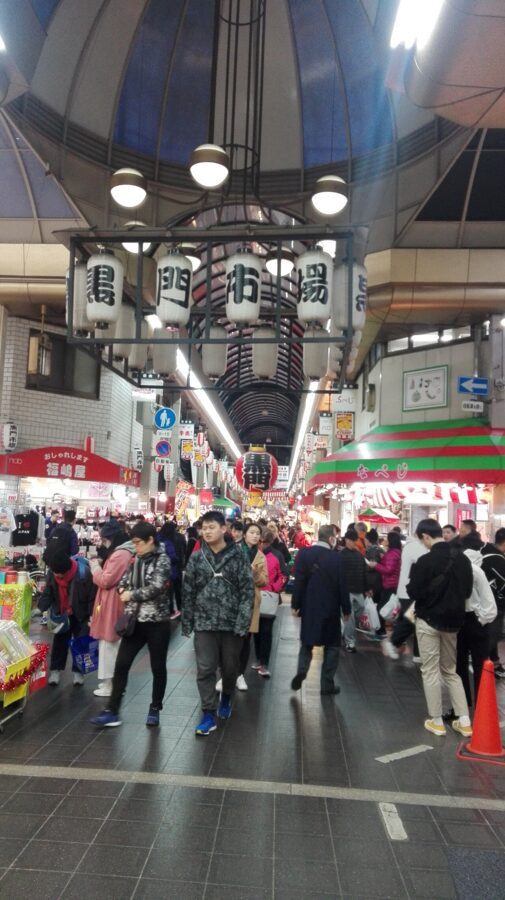

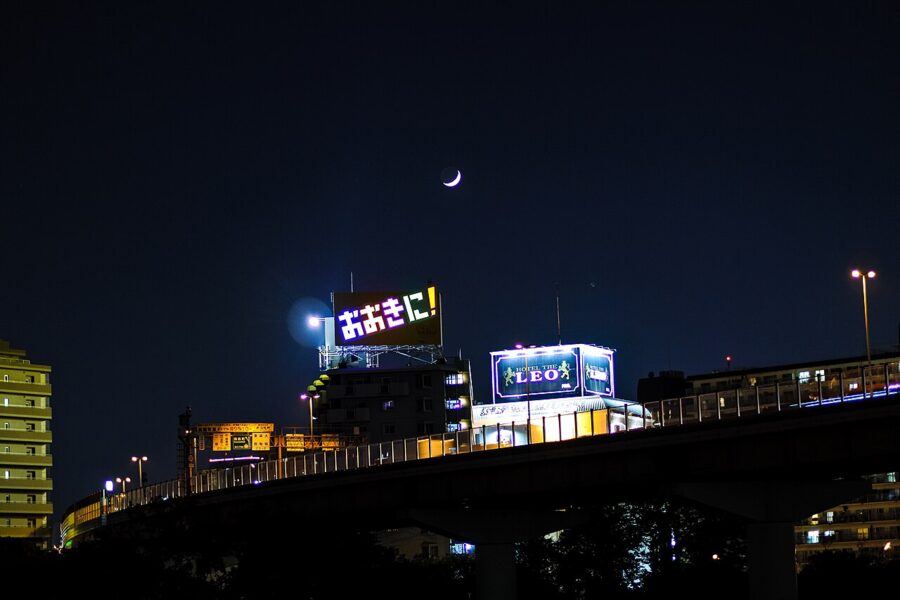
The Kansai word you will actually hear is ookini (おおきに), “thanks”, which dictionaries list as the Kansai way to say arigatō. Shopkeepers say it as you leave, and maido (毎度, “every time”) greets regulars, often fused into maido ookini. Kyoto uses the same word: the foundation that supports the city’s geisha and maiko is known as the Ookini Zaidan.

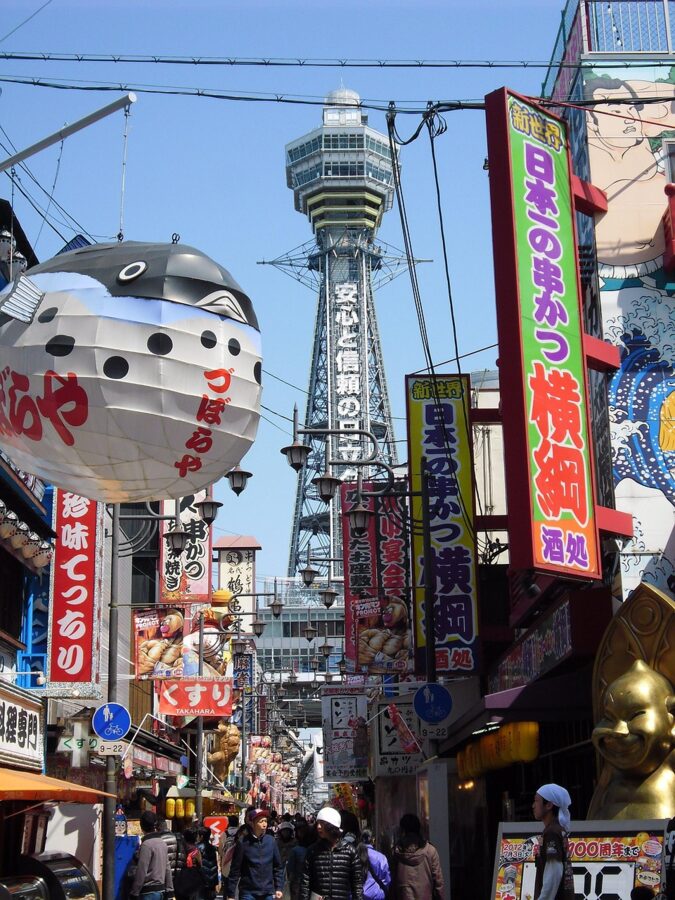
Reply in standard Japanese; nobody expects a visitor to speak Osaka dialect, and an attempt usually gets a delighted laugh. Most Osakans will switch to standard forms with you anyway, at least for the first sentence or two.
Okinawa: haisai, haitai and mensōre
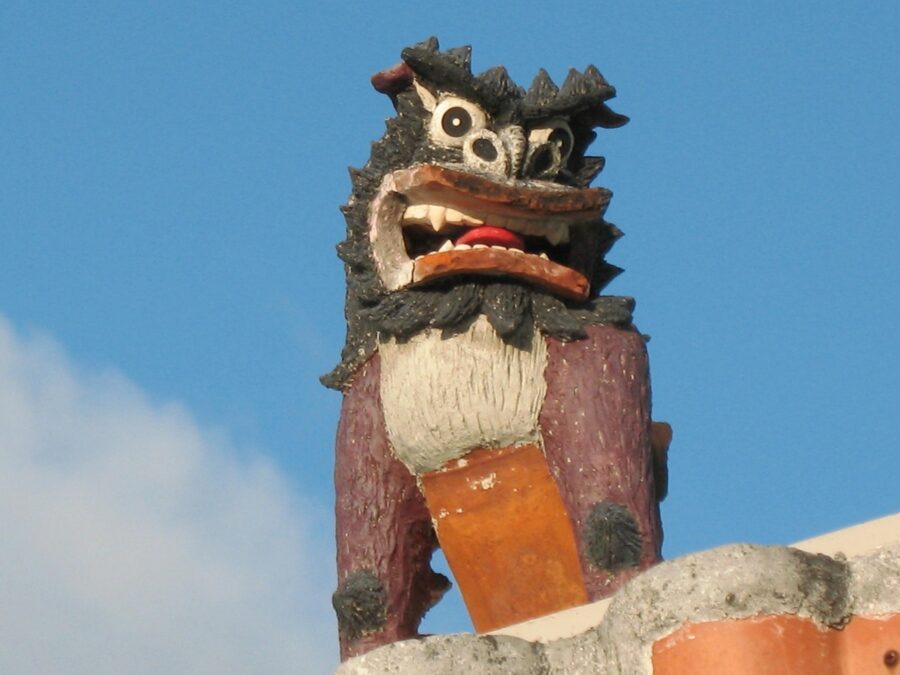
Okinawa’s own languages have their own hello. Haisai (はいさい) is a light greeting used at any hour, and the dictionary notes that women say haitai (はいたい). In practice you will see both more often on shop signs and T-shirts than hear them on the street, but an older shopkeeper in Naha may well use one on you.
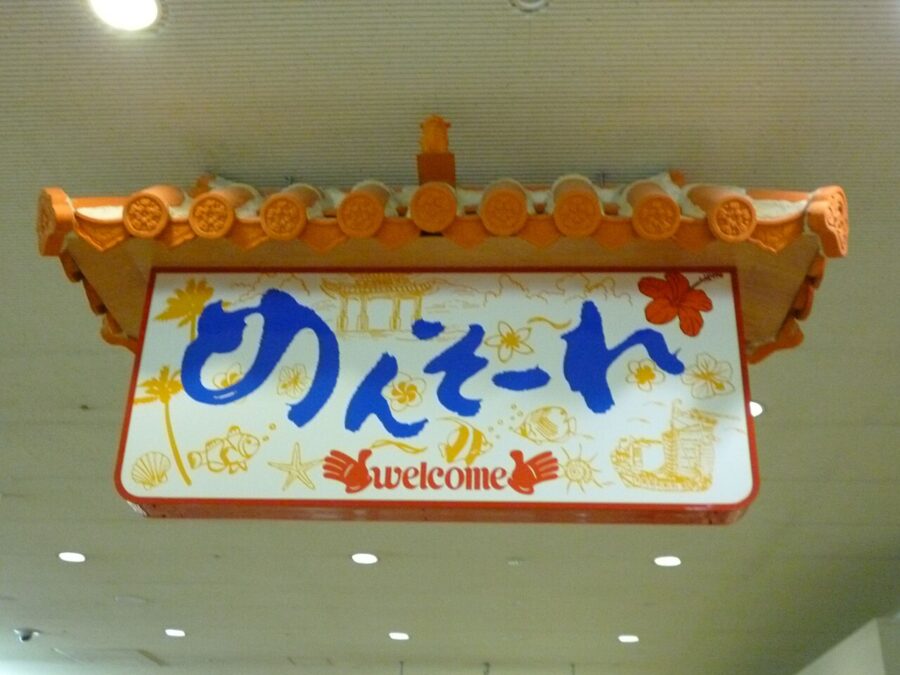

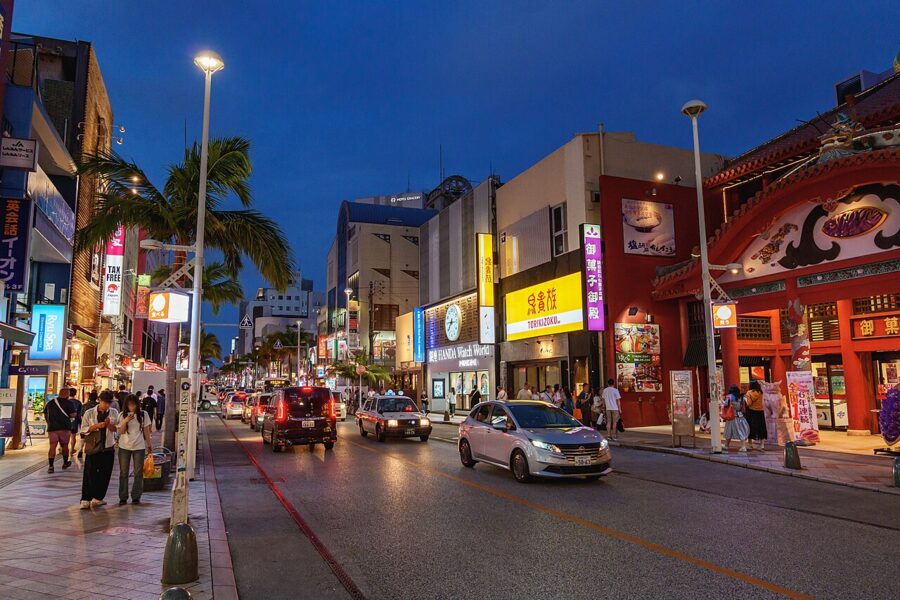
The word you cannot miss is mensōre (めんそーれ), “welcome”, which greets you at the airport and hangs over shop doors along Naha’s main street. Answer it the way you answer irasshaimase: with a smile, and nothing more required.

Goodbye, and why sayōnara is rare
Sayōnara (さようなら) is the goodbye every visitor knows, and many Japanese adults go weeks without saying it. It comes from sayō naraba, “if that is so”, the start of a sentence that once went on to wish you well. The Nihon Kokugo Daijiten’s notes on sayōnara date it as a stand-alone farewell to the late Edo period, with an example from 1788.
Today it has a ring of finality, a parting for a long time or for good, and adults seeing each other tomorrow choose something lighter. The one place it is said daily is school, where children chorus sensei, sayōnara to the teacher at the end of the day. For everyone else, these do the work:
- Ja ne (じゃあね) or mata ne (またね): “see you”, between friends. Mata ashita is “see you tomorrow”.
- Bai bai (バイバイ): borrowed from English, recorded by 1932, and used by children, friends and plenty of adults.
- Shitsurei shimasu (失礼します): “I’ll be rude now”, the polite way to leave an office, a meeting or a phone call.
- Oyasumi nasai: goodbye after dark, when someone is heading home to bed.
Otsukaresama, the greeting of working Japan
Otsukaresama desu (お疲れさまです) literally acknowledges that someone is tired, and it means “thank you for your work”. Coworkers use it as hello in the corridor, as goodbye at the end of the day (otsukaresama deshita), and as a toast after work. Among friends it shrinks to otsukare.
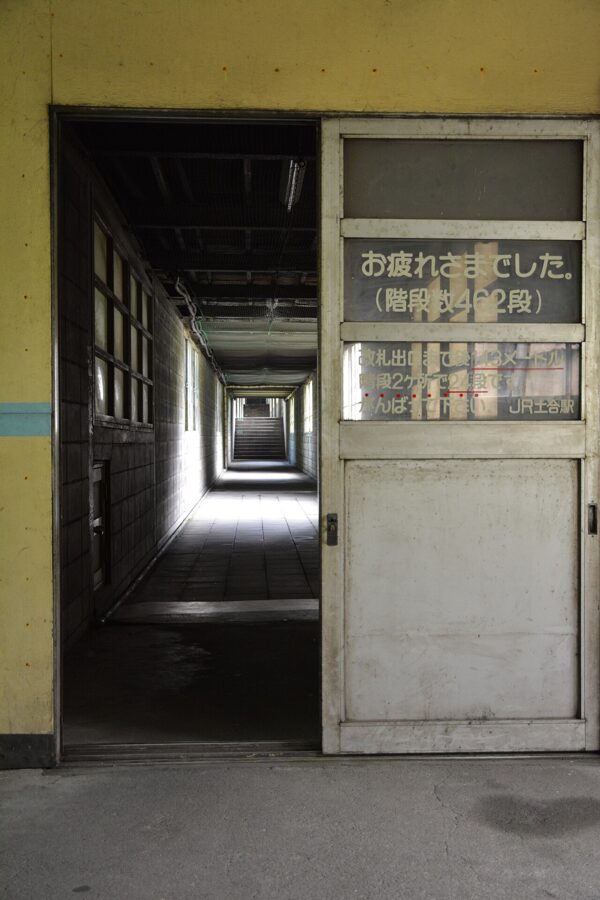

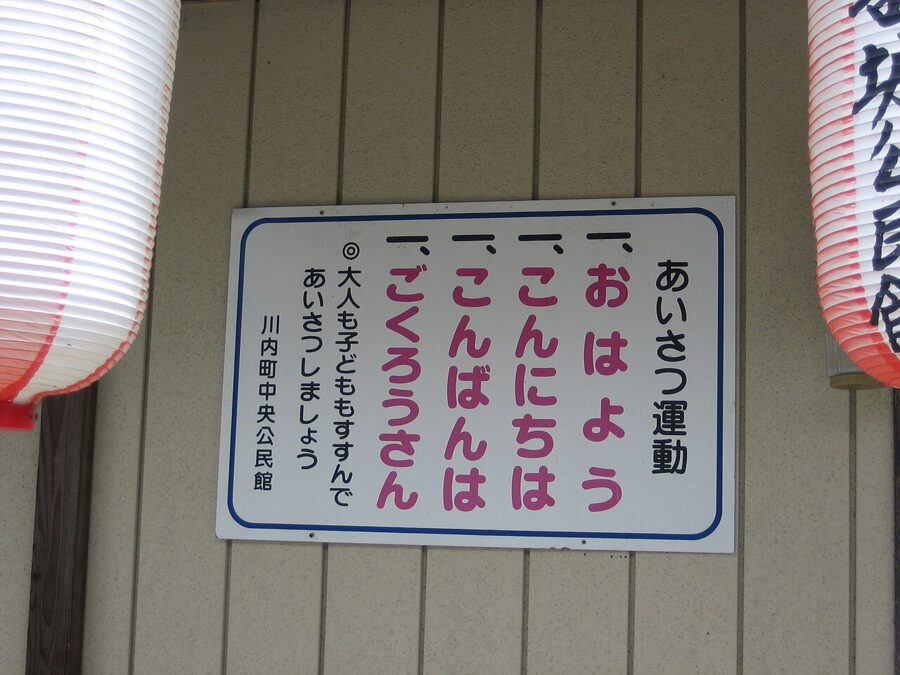
Its cousin gokurōsama (ご苦労さま), “thanks for your trouble”, is said downward, to someone doing a job for you, which is why the greeting sign in Kawauchi lists it, as the casual gokurōsan: it is the word for anyone you meet at their work. A 2005 survey by the Agency for Cultural Affairs found 69.2 percent of people used otsukaresama to a superior and only 15.1 percent gokurōsama. A visitor rarely needs either, but otsukaresama deshita to a guide at the end of a long day lands well.
The bow, and first meetings
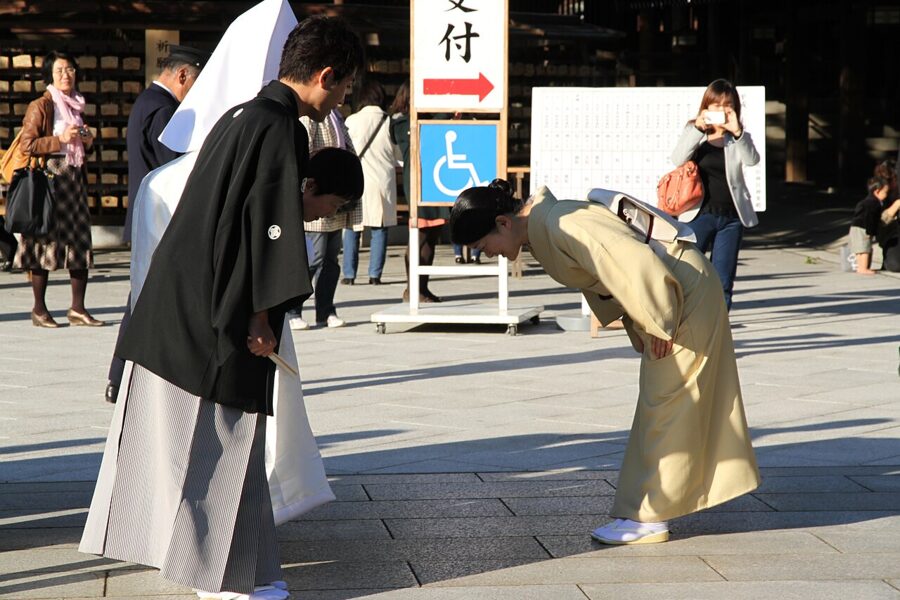
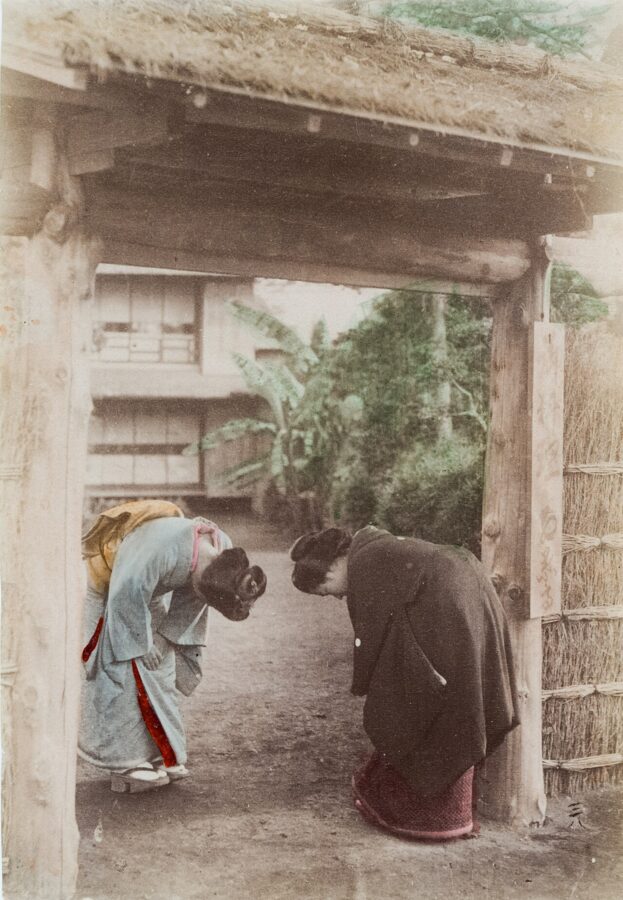
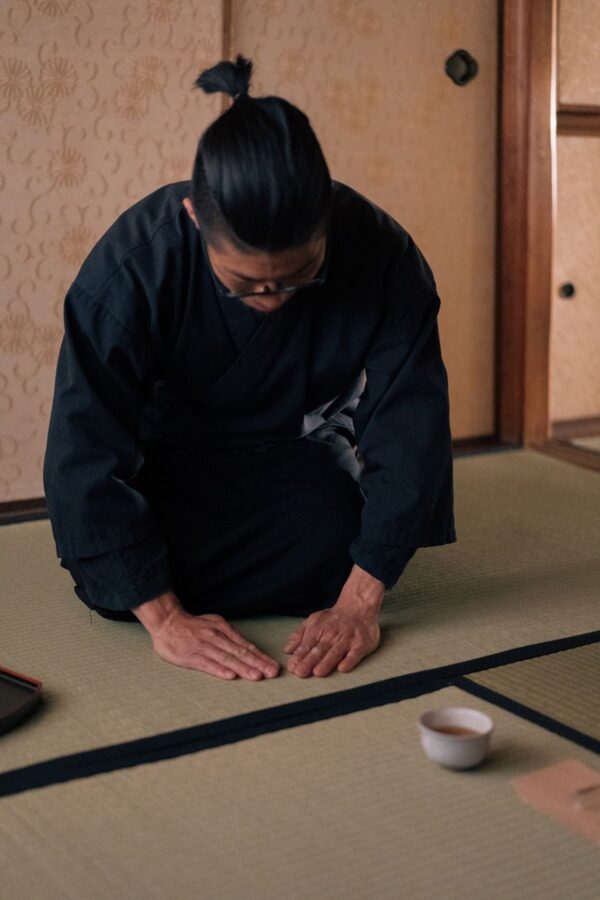
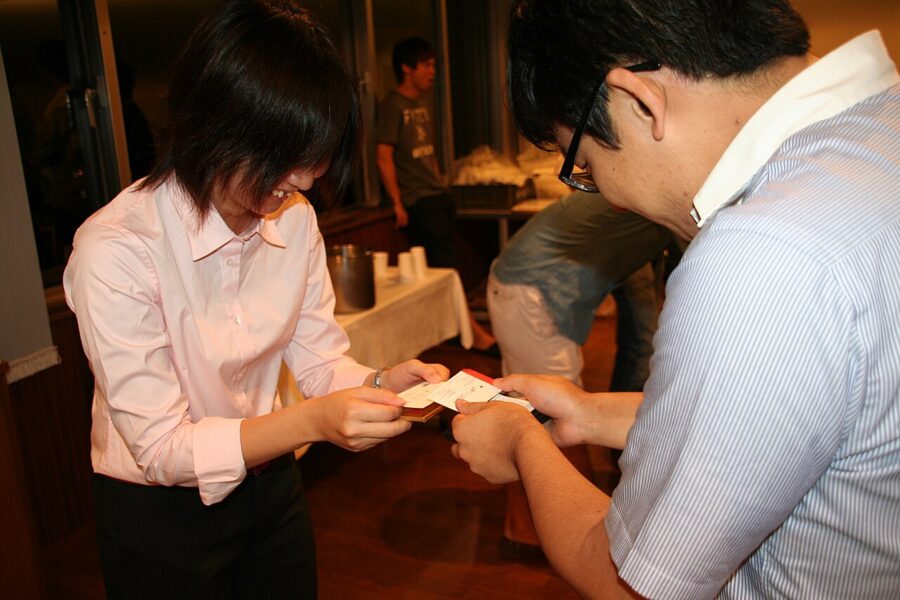
A spoken greeting in Japan usually comes with a bow, and for everyday purposes it is a small one. Etiquette manuals name three standing bows: eshaku (会釈), about 15 degrees, for greetings in passing; keirei (敬礼), about 30, for customers and first meetings; and saikeirei (最敬礼), about 45, for deep thanks or apology. Back straight, bend from the hips, eyes down, hands at your sides or on your thighs.
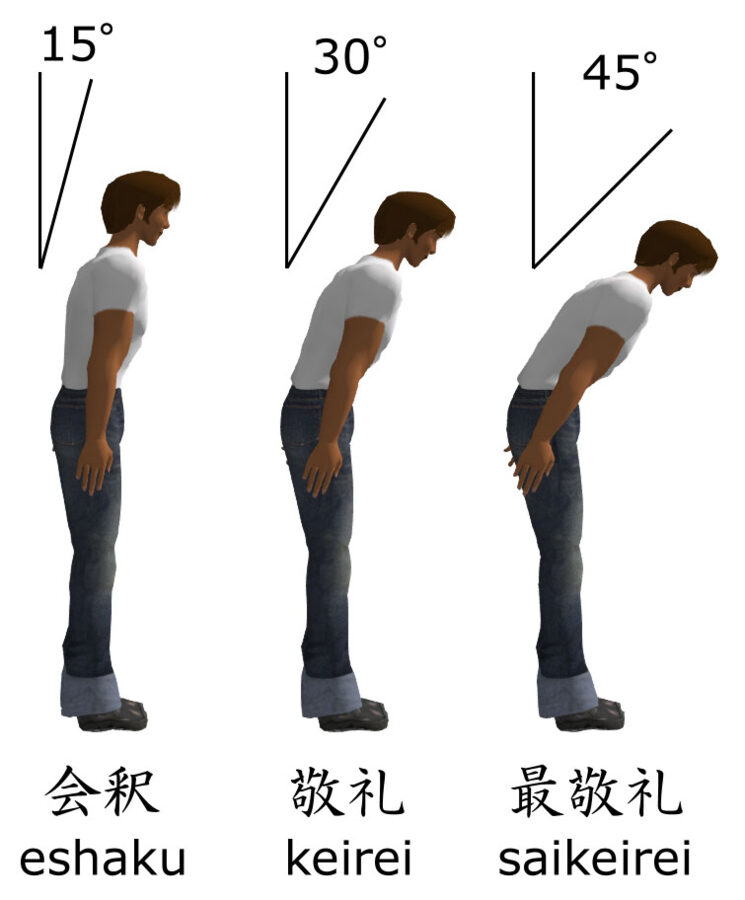
For a visitor, the eshaku with a greeting is the whole job. Nobody expects you to judge rank by degrees, and an exaggerated deep bow looks stranger than a modest one. When someone offers a hand, shake it; Japanese people who deal with foreign visitors often lead with a handshake, sometimes with a small bow over it.
Hajimemashite and yoroshiku onegaishimasu
A first meeting has its own pair of phrases. Hajimemashite (はじめまして) means “for the first time”, shortened from “I am meeting you for the first time”; the dictionary’s earliest example is an 1873 conversation book. Then comes your name, [name] desu, and then yoroshiku onegaishimasu (よろしくお願いします).
That last phrase has no neat English version. It asks the other person to treat you well, or to look kindly on what comes next, and Japanese uses it to open a business relationship, a class, a favor or a homestay. Say it with a bow and you have made a complete, correct introduction.

The phrases, in one table
| Japanese | Romaji | Meaning | When |
|---|---|---|---|
| おはようございます | ohayō gozaimasu | Good morning | Until mid-morning; first greeting at work |
| こんにちは | konnichiwa | Hello, good afternoon | Daytime, to people outside your circle |
| こんばんは | konbanwa | Good evening | After dark |
| おやすみなさい | oyasumi nasai | Good night | Bedtime, or parting late |
| いらっしゃいませ | irasshaimase | Welcome, please come in | Said by staff; no reply needed |
| すみません | sumimasen | Excuse me, sorry, thanks | Calling staff, asking the way |
| ありがとうございます | arigatō gozaimasu | Thank you | Anywhere, anytime |
| もしもし | moshi moshi | Hello (on the phone) | Phone calls only |
| はじめまして | hajimemashite | Nice to meet you | First meetings |
| よろしくお願いします | yoroshiku onegaishimasu | Please treat me kindly | After introducing yourself |
| お疲れさまです | otsukaresama desu | Thanks for your work | Among coworkers; to a guide at day’s end |
| じゃあね | ja ne | See you | Friends |
| さようなら | sayōnara | Goodbye | Long partings; school |
If you learn only two before you land, make them sumimasen and arigatō gozaimasu. Then, the first time a voice calls irasshaimase from behind a counter, you will know the answer is a nod, and save your words for the way out.