
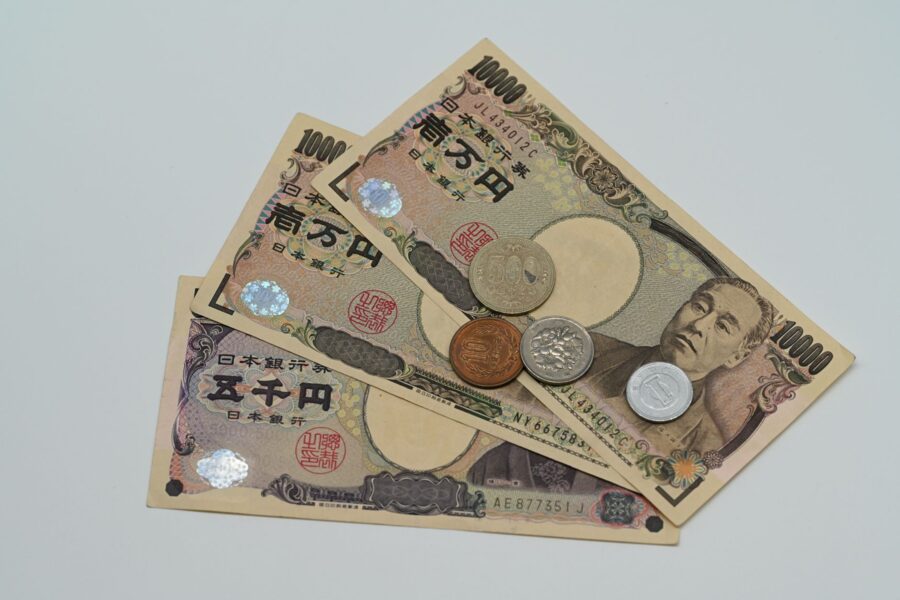
The first yen you spend in Japan will probably go into a small tray on the counter, not into the cashier’s hand. You put the notes down, the cashier counts them aloud, and your change comes back on the same tray with the receipt on top. That ritual says most of what you need to know about money here: cash still matters, it is handled in the open, and nobody expects a tip.
Key facts Where
- Seven Bank
- 7-Eleven, airports, stations
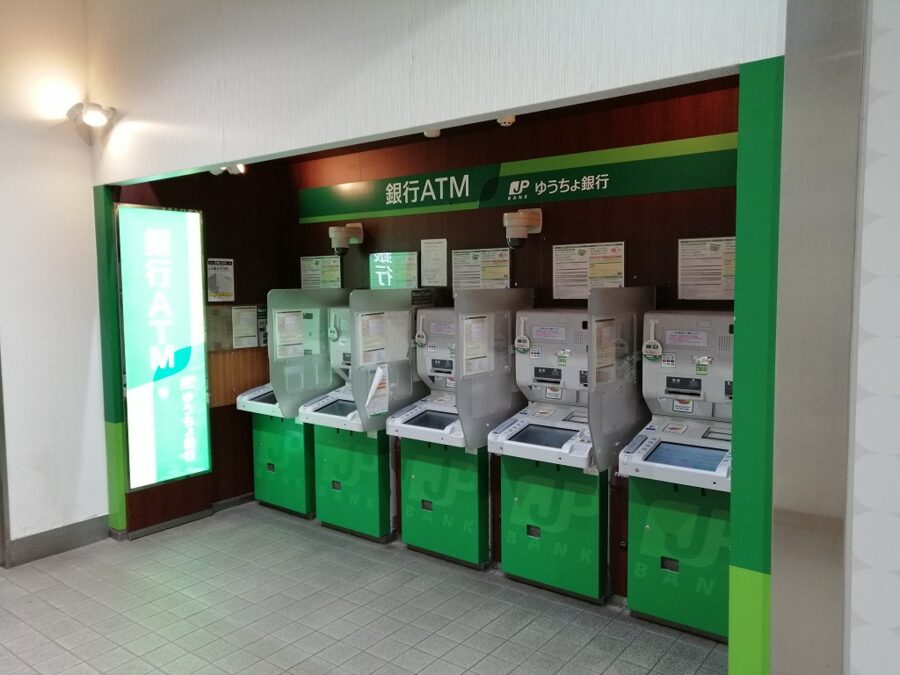
- Japan Post Bank (ゆうちょ)
- Post offices, stations, some FamilyMart stores
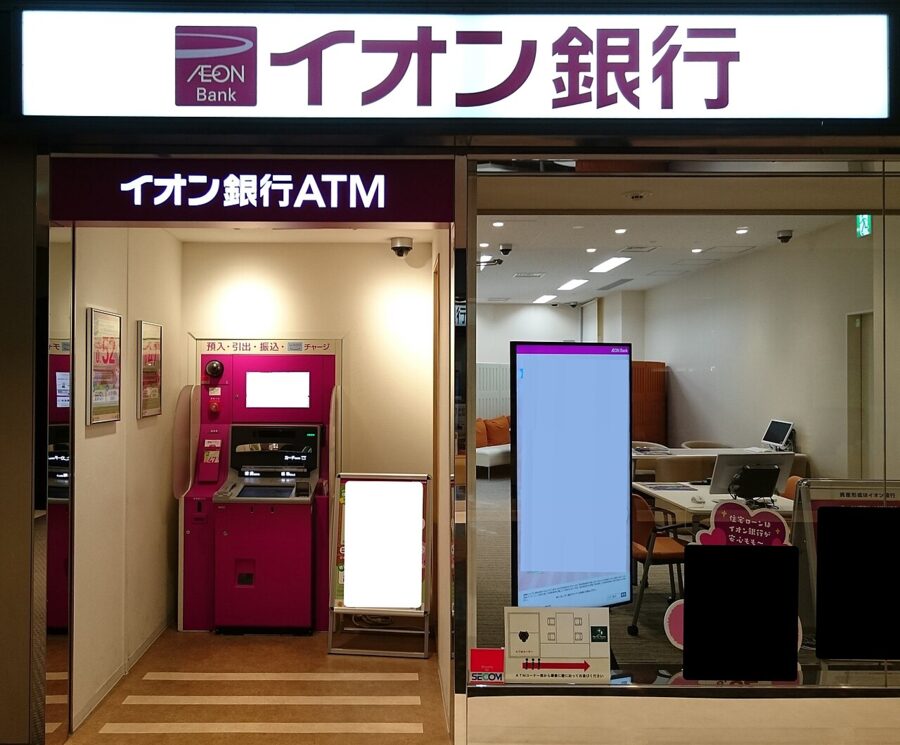
- Aeon Bank
- Aeon malls, some stations
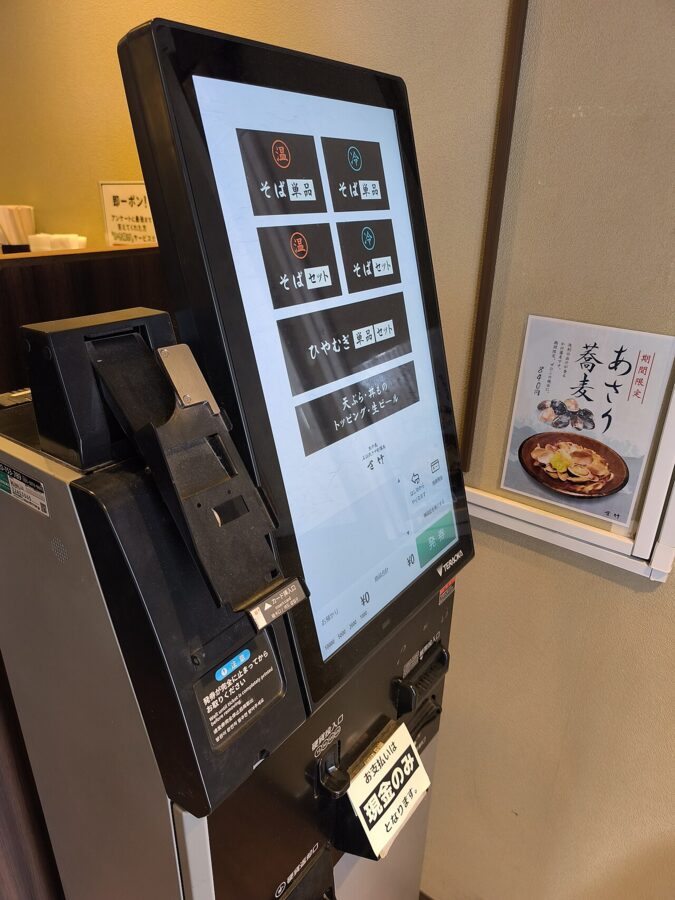
Cards have caught up fast, and I would not plan a trip around cash alone anymore. But the shrine, the bus, the noodle shop’s ticket machine and the coin locker still want coins and small notes, so the trick is carrying the right mix.
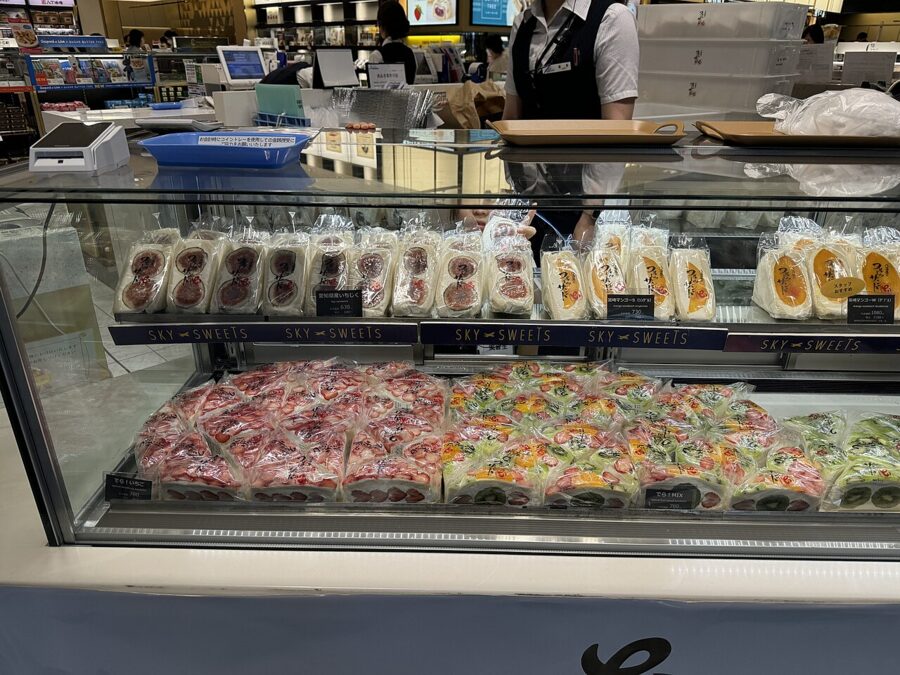


The currency is written 円 and pronounced en in Japanese, not “yen”; the English spelling is a leftover from 19th-century romanization. The ¥ sign on a price tag means the same as 円 after a number, so a coffee marked ¥450 (about US$3) and one marked 450円 cost the same.
The notes: four of them, and two sets of faces
Japan prints four notes: ¥1,000 (about US$6), ¥2,000 (about US$13), ¥5,000 (about US$31) and ¥10,000 (about US$63). The ¥10,000 note is the workhorse, and paying for a ¥300 (about US$2) drink with one at a convenience store is fine. Small shops, taxis and temple counters prefer ¥1,000 notes, so break the big ones where change is easy.
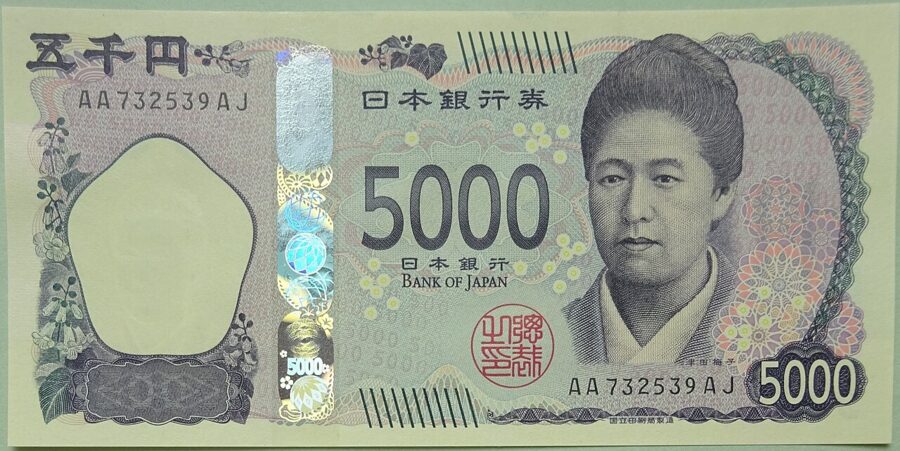
On July 3, 2024 the Bank of Japan issued a new series of ¥10,000, ¥5,000 and ¥1,000 notes, the first redesign in twenty years. Your change will mix new and old notes for years.
Who is on the 2024 notes
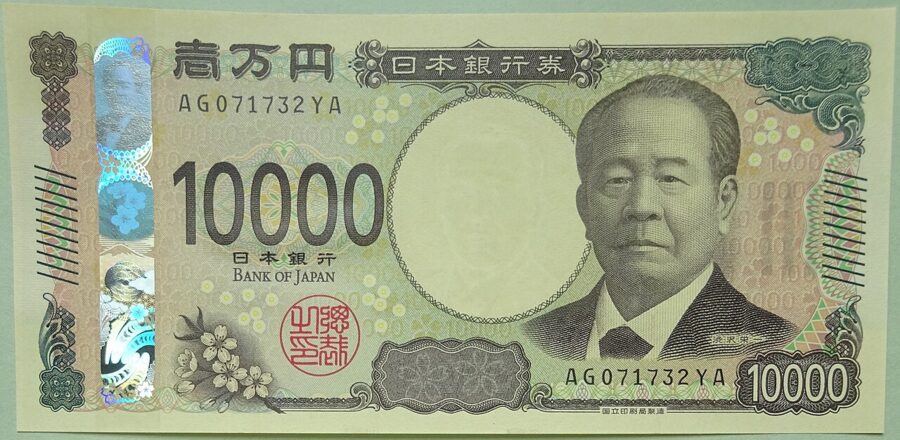

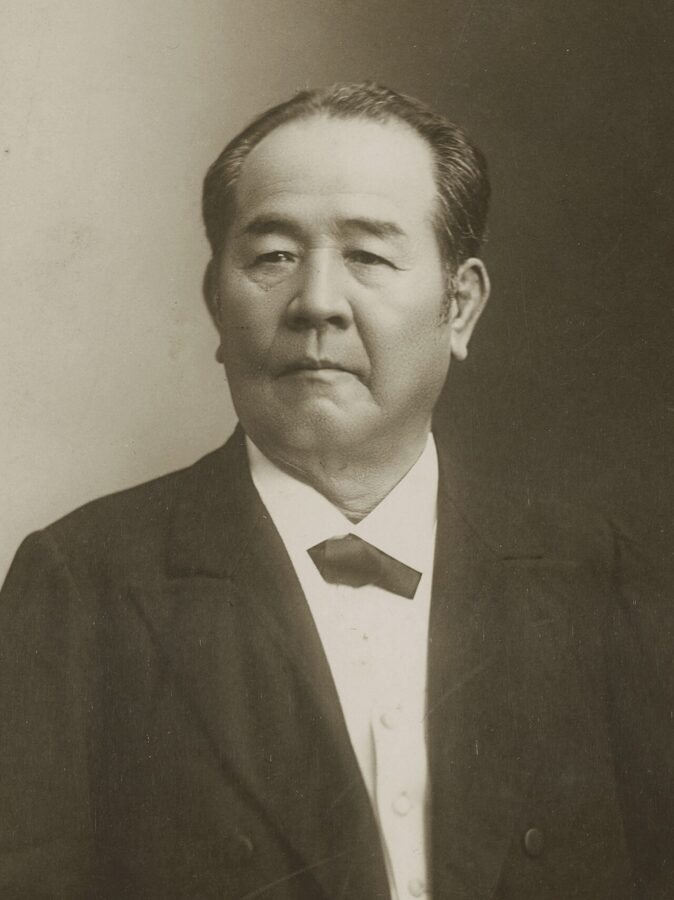
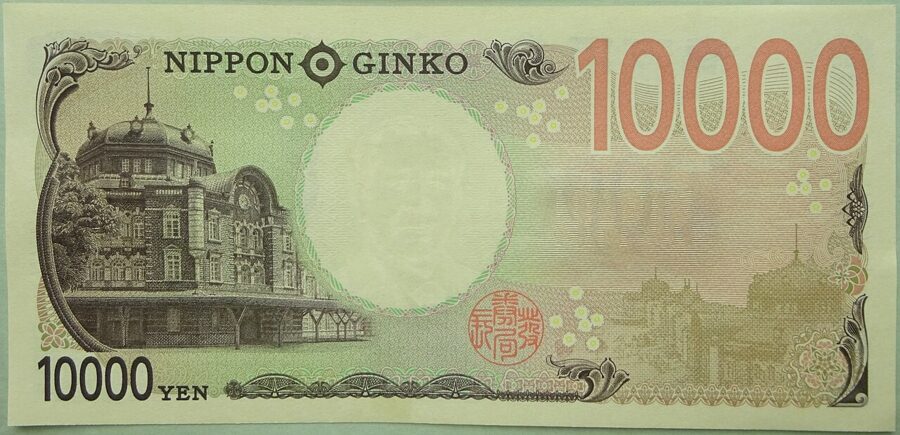
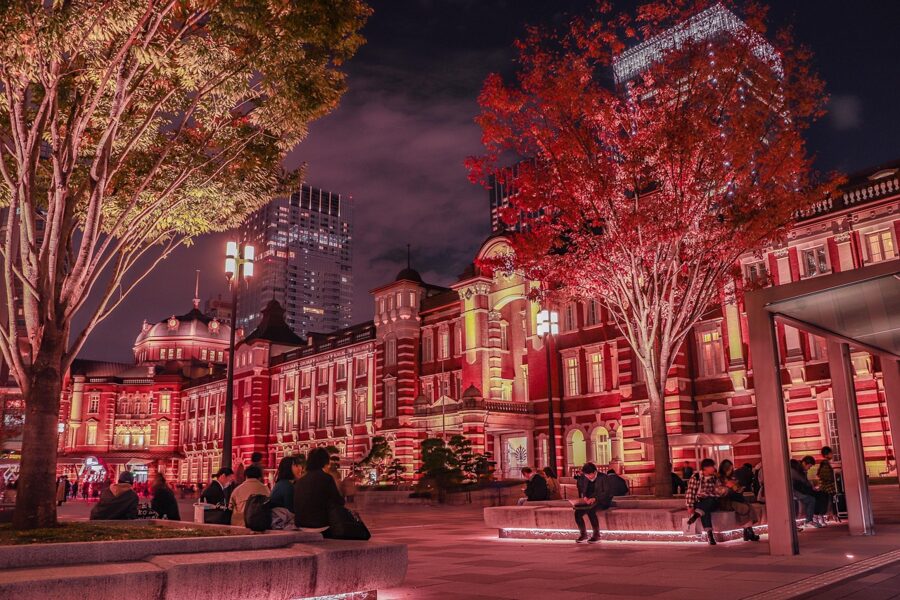
Shibusawa Eiichi on the ¥10,000 note is often called the father of Japanese capitalism: in the late 19th century he helped found Japan’s first modern bank and hundreds of companies. The back shows the red-brick Marunouchi building of Tokyo Station, which you can walk past today.

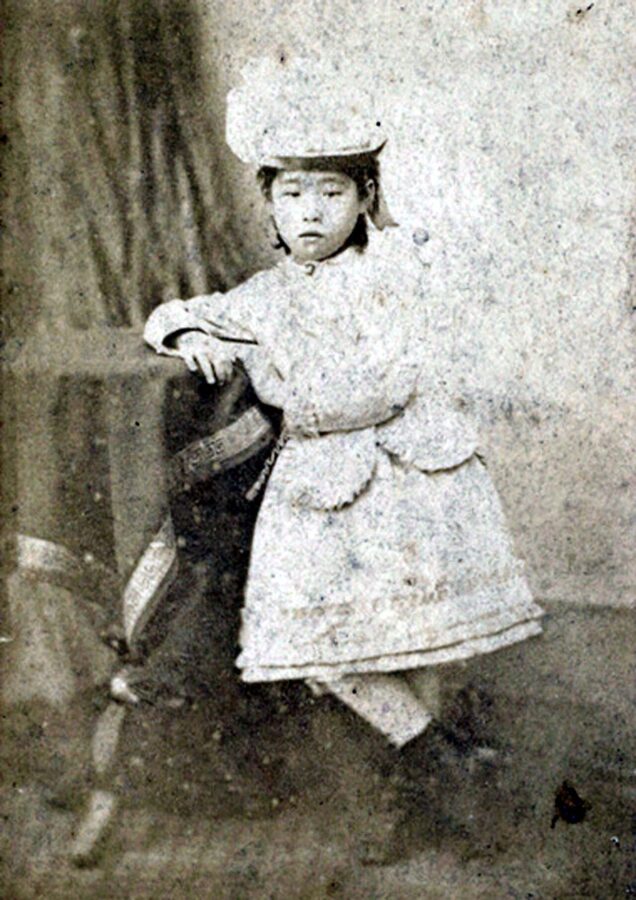
Tsuda Umeko on the ¥5,000 note was sent to the United States in 1871, aged six, among the first Japanese girls to study abroad. She came home and founded a school for women that became Tsuda University. Her note’s back shows wisteria (藤, fuji).

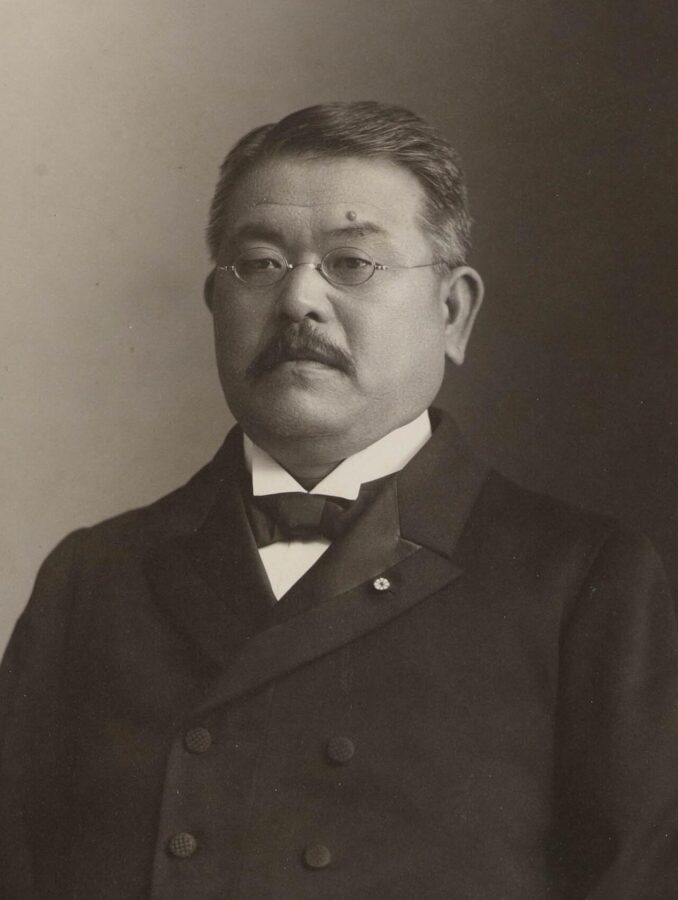
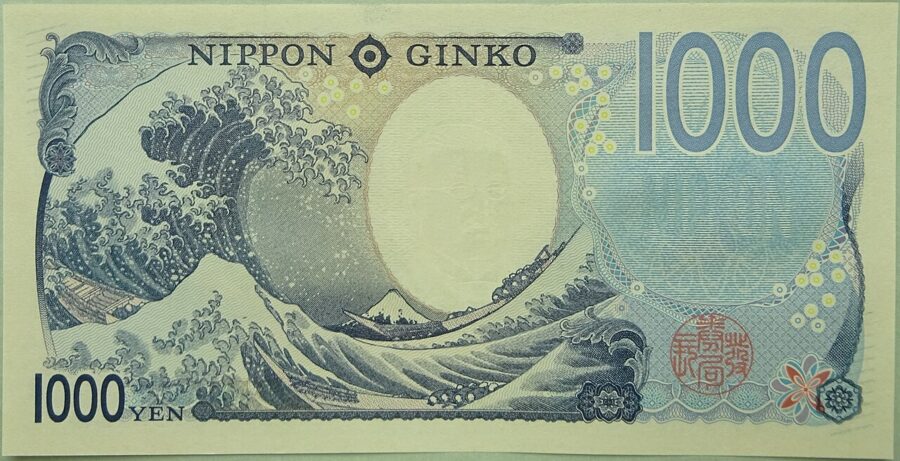
Kitasato Shibasaburo on the ¥1,000 note was a bacteriologist who worked on tetanus and diphtheria and in 1894 went to Hong Kong during a plague outbreak to hunt for its cause. His note’s back is the one visitors recognize: Hokusai’s Great Wave off Kanagawa.

How to check a note in two seconds
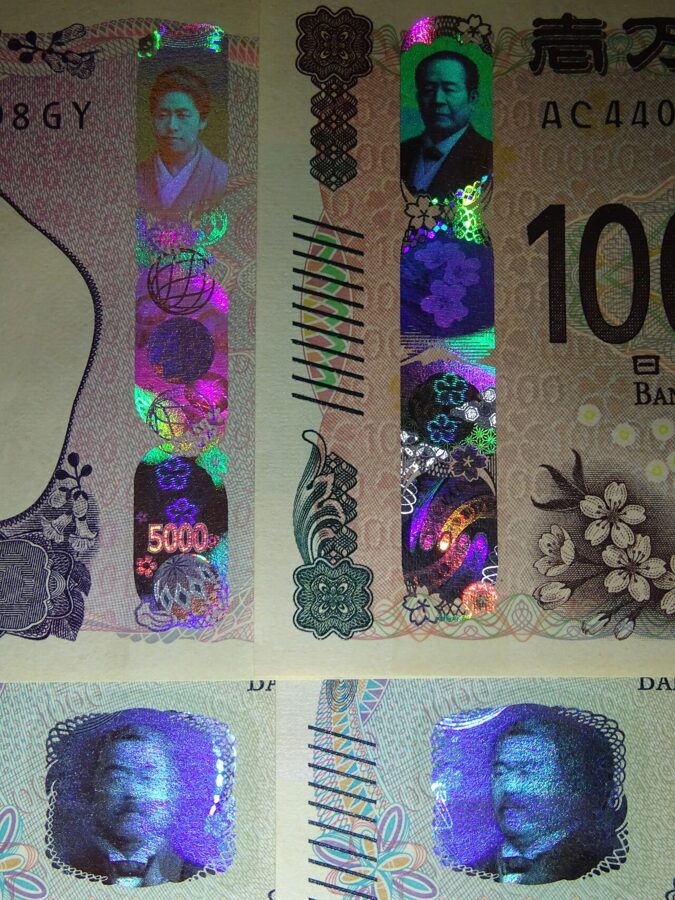
You are unlikely ever to be handed a fake, but the features help you tell notes apart when you are tired. The Ministry of Finance lists the features of the 2024 notes, and three are easy to check by eye:
- The hologram. Tilt the note and the portrait turns in 3D, which the ministry says no banknote had done before. The ¥10,000 and ¥5,000 have a stripe, the ¥1,000 a patch.
- The watermark. Against the light, a fine pattern of tiny marks surrounds the portrait.
- Numerals and touch marks. The numerals are larger, and raised marks sit in a different place on each note so they can be told apart by touch.

The older notes still work
When the new notes came out, a rumor said the old ones would stop working. They did not. The Ministry of Finance states that the older notes keep circulating, and warns that scammers use that very rumor to steal savings. The Bank of Japan’s list of notes no longer printed but still valid reaches back to old ¥1 notes.
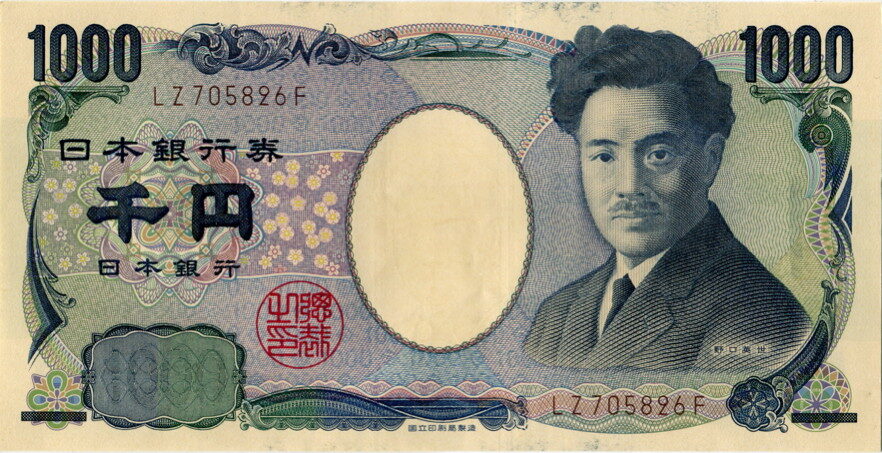
So you will meet Fukuzawa Yukichi on older ¥10,000 notes, the novelist Higuchi Ichiyo on older ¥5,000 notes and the bacteriologist Noguchi Hideyo on older ¥1,000 notes, all as good as new. If an old vending or ticket machine spits a note back, try a different one before assuming it is broken.
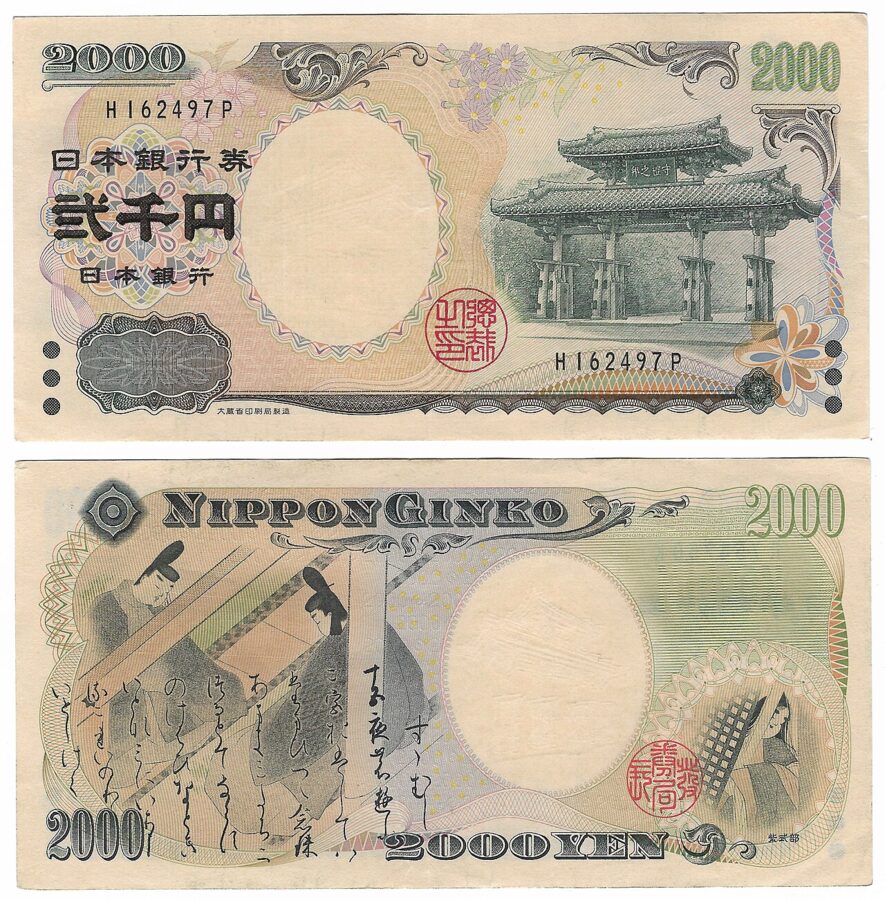
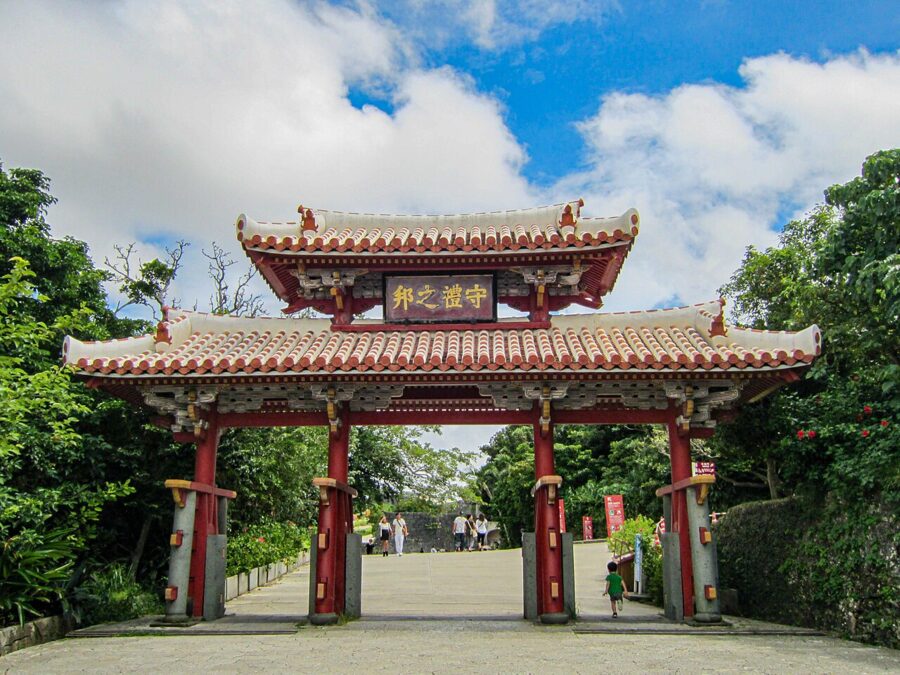
Then there is the ¥2,000 note, issued in 2000 and rarely printed since. Its front shows Shureimon, a gate of Shuri Castle in Okinawa, and its back a scene from The Tale of Genji. It is fully legal and turns up most in Okinawa; elsewhere a cashier may look twice.

Coins, and why two of them have holes
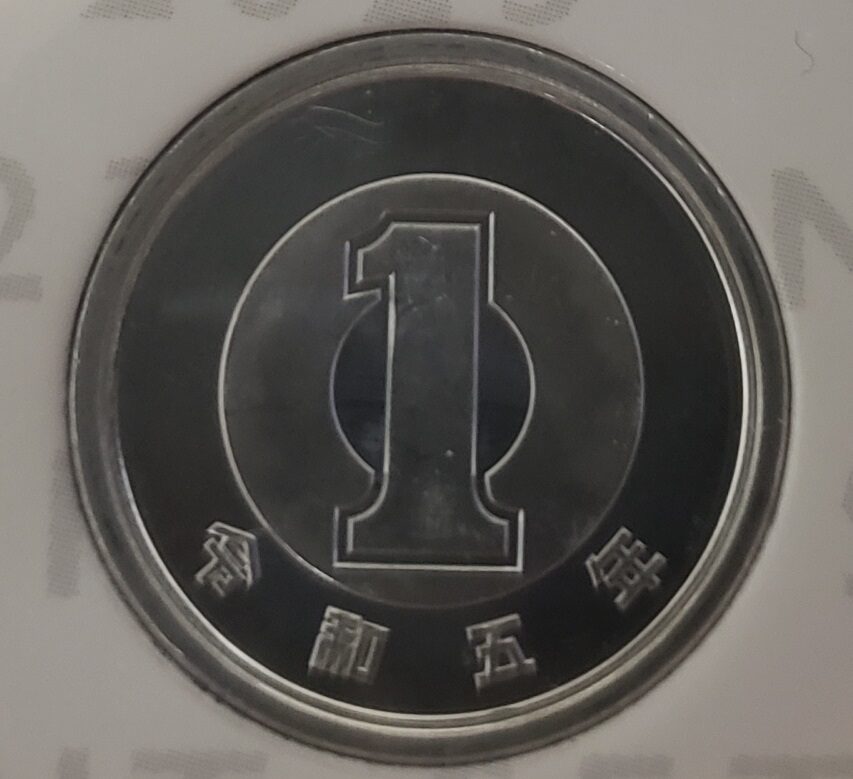
There are six coins: ¥1, ¥5, ¥10, ¥50, ¥100 and ¥500 (about US$3). Treat the ¥500 coin like a small note, not loose change. The ¥1 coin is aluminum and weighs one gram.
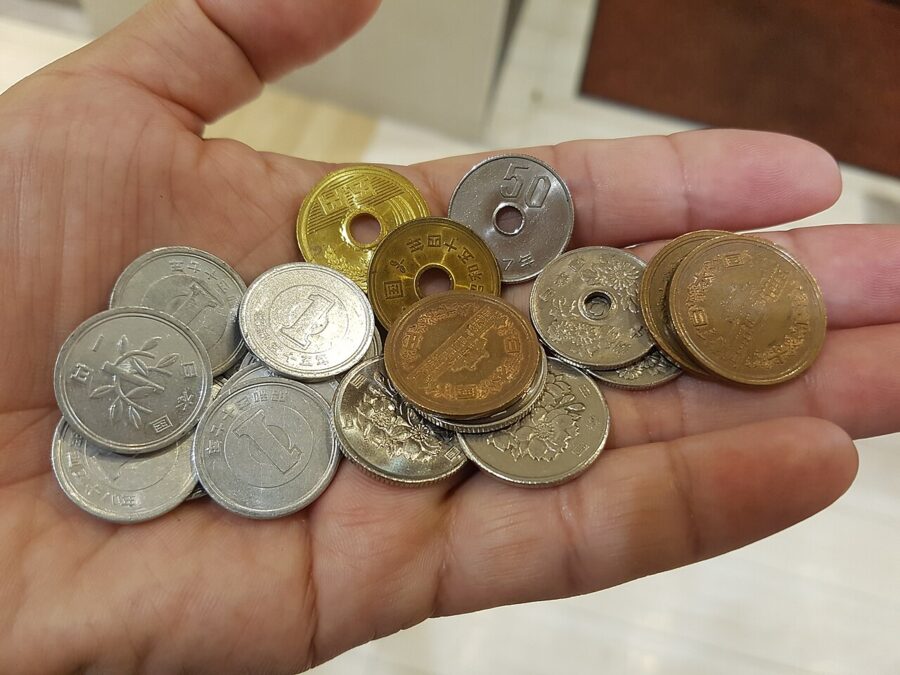

The holes are there so coins can be told apart. According to Japan Mint, the ¥5 got its hole in 1949 because it was too easily confused with a ¥1 brass coin of the time, and the ¥50 got one in 1959 to set it apart from the ¥100. A hole also saves metal.
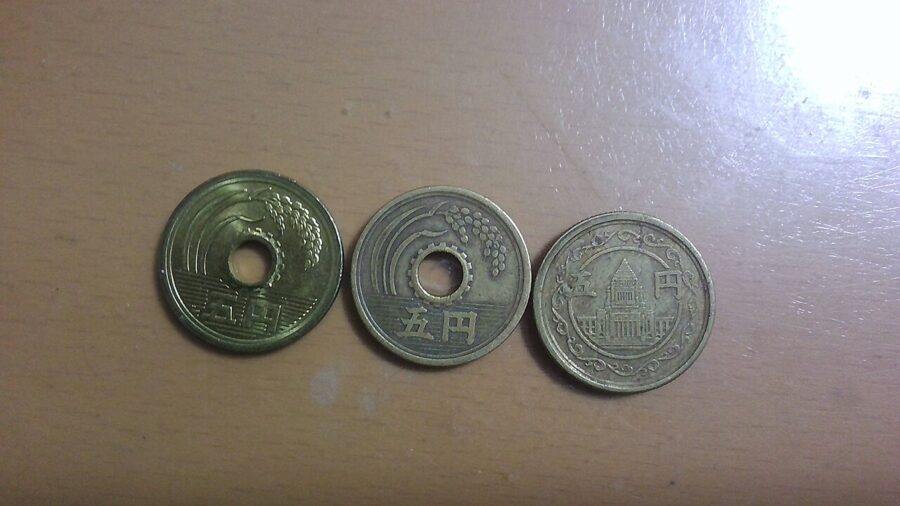

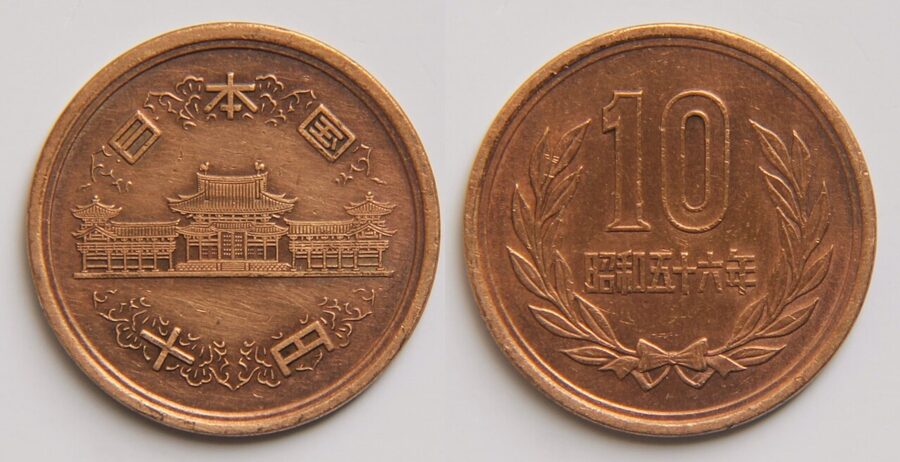
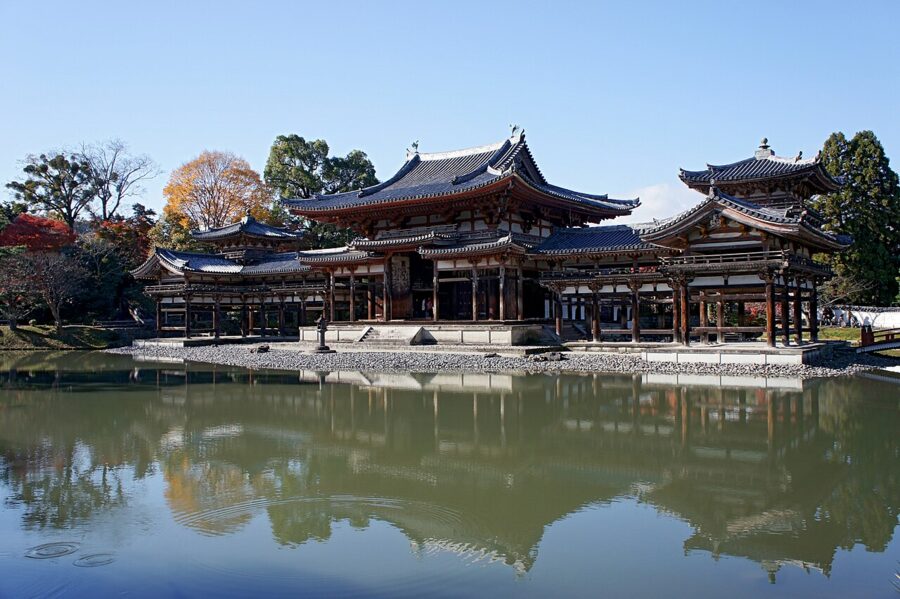
The designs reward a look. The ¥5 shows rice, a gear and water; the ¥10 the Phoenix Hall of Byodoin, the temple in Uji near Kyoto; the ¥50 a chrysanthemum; the ¥100 cherry blossoms. The ¥1 shows a young tree that, the Mint says, is no particular species.

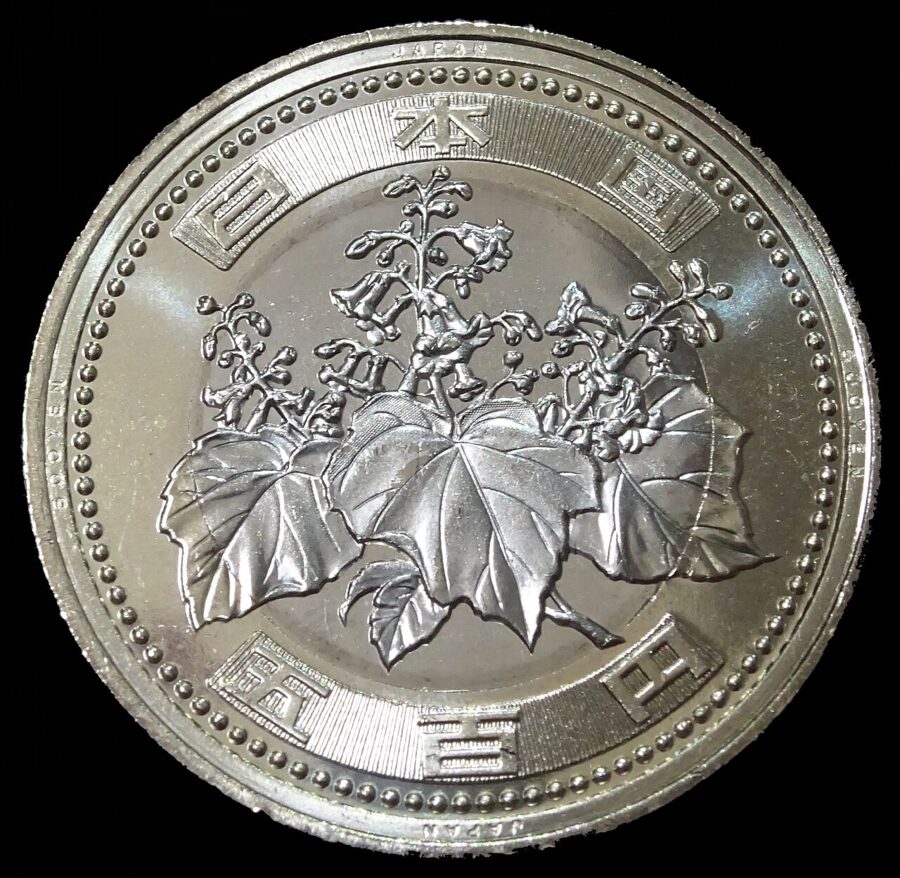
The ¥500 coin issued from November 1, 2021 is two-tone: a gold-colored ring around a silver-colored center, with two shapes of slanted ridges on the edge and tiny lettering inside the rim. The older all-gold ¥500 coins are still legal tender, and you will get both.

Coins carry the year in the imperial era. A coin dated 令和八年 (Reiwa hachinen) was made in Reiwa 8, which is 2026; add 2018 to any Reiwa year. The Mint says the habit began when a date vouched for a gold or silver coin’s metal, and it never stopped.
Two coin rules catch visitors out. Vending and ticket machines do not take ¥1 or ¥5 coins, so spend those at convenience store tills. And a shop need not accept more than 20 coins of one kind in a payment: the Mint explains that coins are legal tender only up to twenty times their face value, so a ¥2,000 souvenir paid in ¥10 coins can be refused.
The ¥5 coin at a shrine
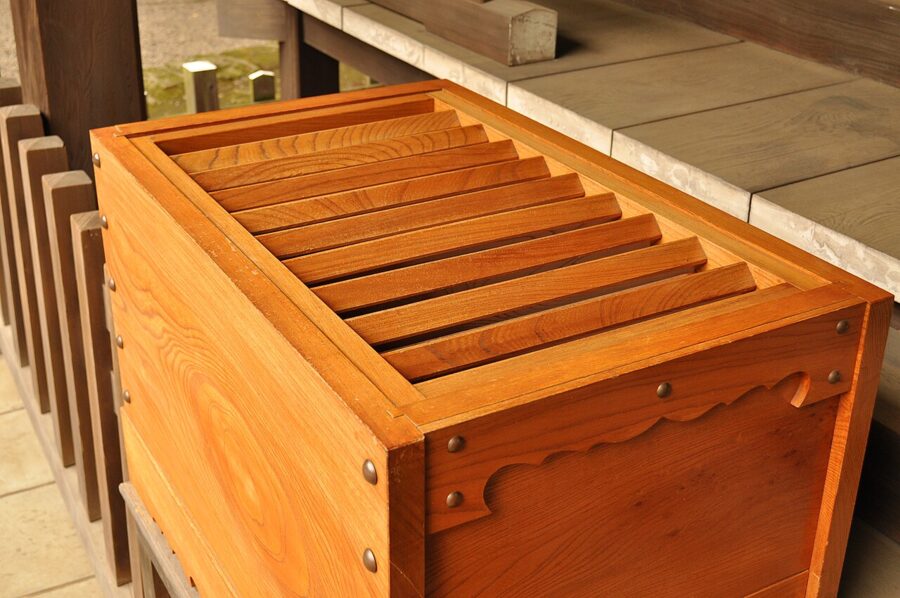
At shrines you will see people drop a coin into a wooden box, the saisen-bako (賽銭箱), before they bow and clap. Many choose ¥5, because 五円 (go-en) sounds like ご縁 (goen), a bond or connection. It is a pun, not a rule. What the bowing and clapping mean is covered in the guide to Shinto.

Cash or card: where each one works
Japan’s cash-only reputation is out of date, though not entirely wrong. The Ministry of Economy, Trade and Industry counted 58.0% of consumer spending in 2025 as cashless by its new domestic measure (46.3% on its older, international one). That still leaves plenty of cash, concentrated in the places visitors enjoy most.
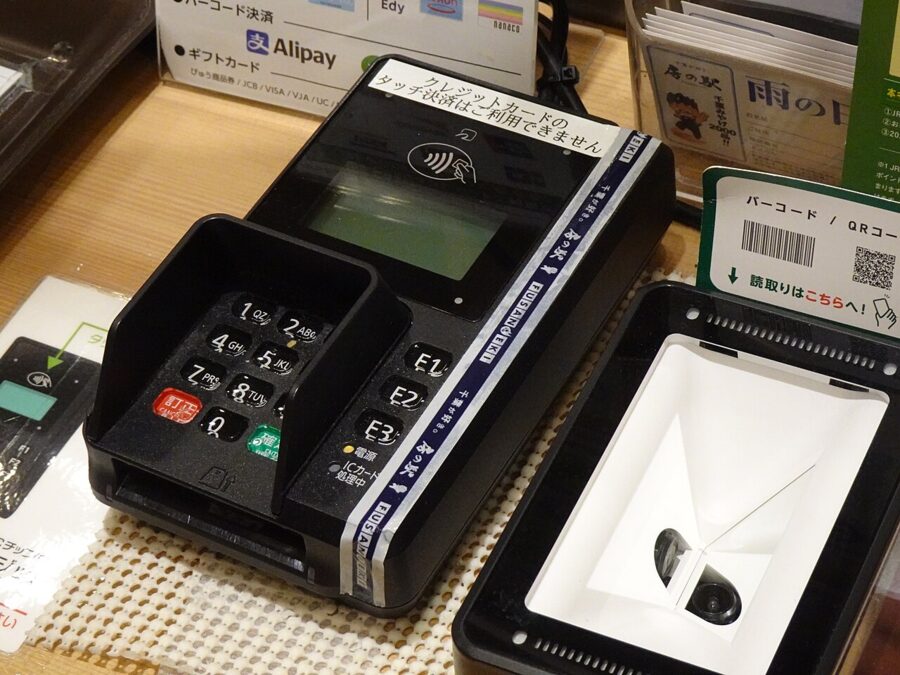
Cards work in hotels, department stores, chain restaurants, convenience stores, supermarkets, train ticket machines and most big-city taxis. Visa and Mastercard are the safest bets. Bring a physical chip card, since some shops cannot take tap payments and older terminals want a PIN.
Cash still rules in small family restaurants, old bars, food stalls, temple entrance fees, rural buses and coin laundries. The sign is 現金のみ (genkin nomi, cash only), often handwritten by the door. To ask, show your card and say kādo tsukaemasu ka? (カード使えますか, can I use a card?).

IC cards and phone wallets
An IC card is a rechargeable tap card made for trains and buses: Suica around Tokyo, PASMO on Tokyo’s private lines, ICOCA around Osaka and Kyoto, and they work in each other’s areas on most city lines. They also pay at convenience stores, vending machines, coin lockers and many chain shops, which saves a pocket full of coins.
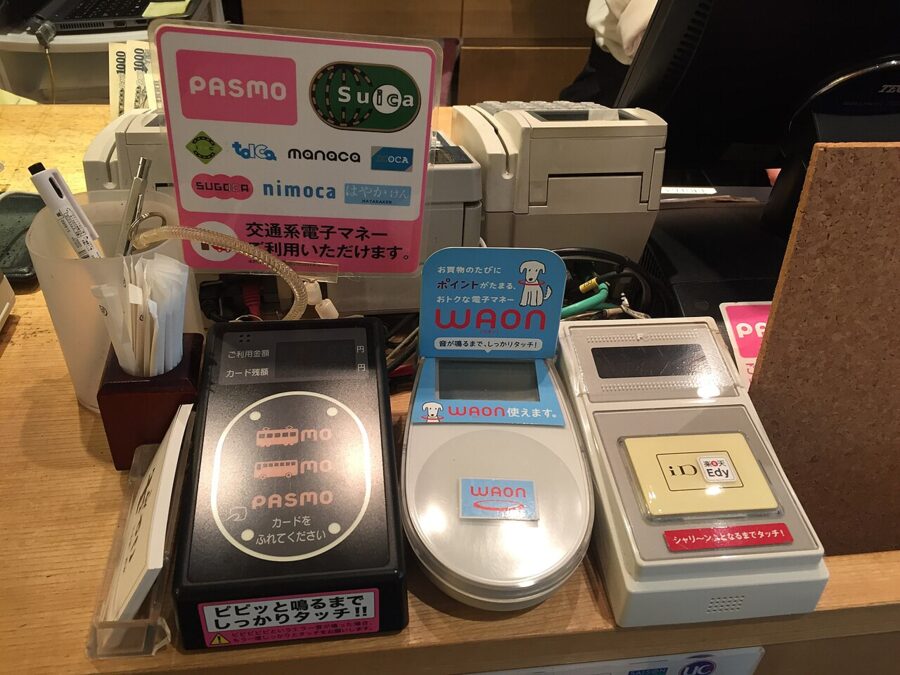

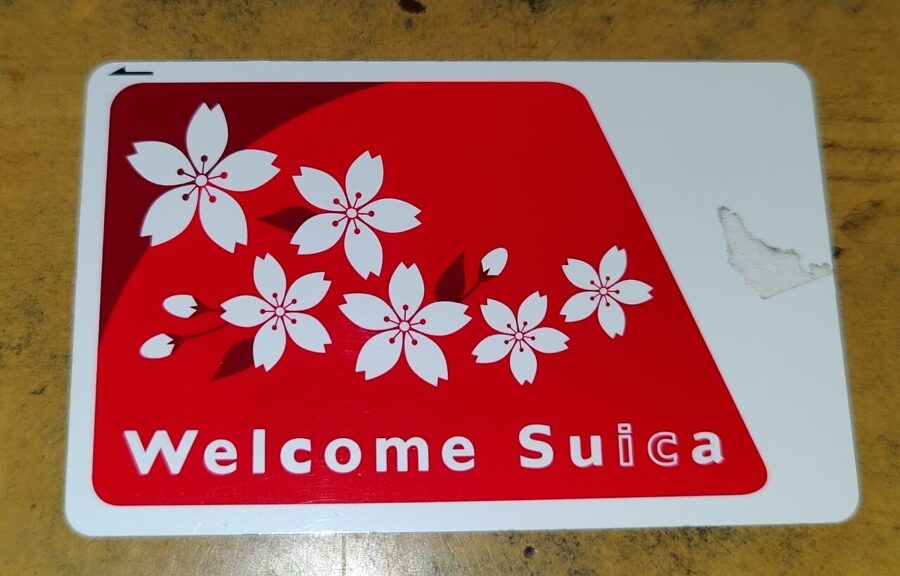
Station machines and airport counters sell IC cards, including JR East’s red Welcome Suica for short-term visitors, and an iPhone can carry a Suica, PASMO or ICOCA in Apple Wallet. JR East’s Welcome Suica Mobile app needs no deposit, but its terms say the balance expires 180 days after the first charge and is not refunded (as of November 2026). Physical cards are mostly topped up with cash at station machines and convenience store tills.

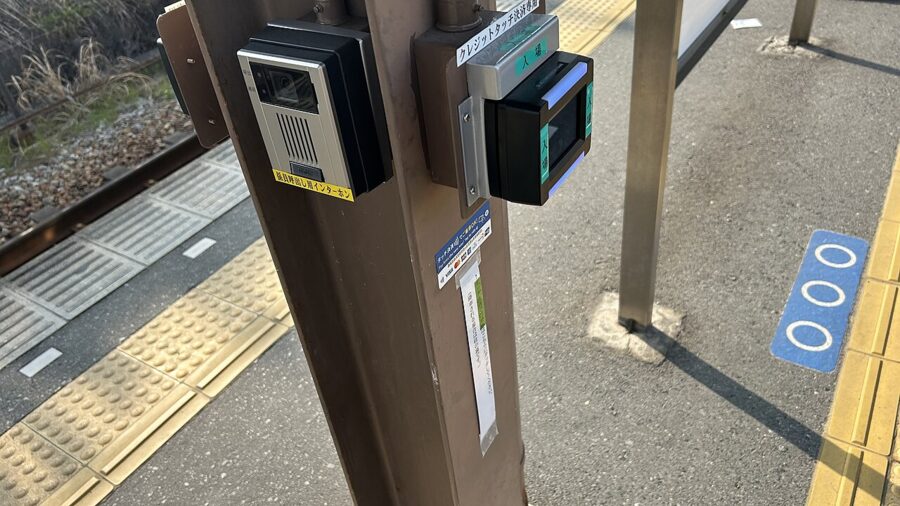
Some railways now take contactless bank cards right at the ticket gate. It is spreading line by line, so treat it as a bonus. If your phone is your wallet, check it works in Japan before you fly; the guide to phones and data in Japan covers that.
QR codes and PayPay
Japan’s most common phone payment is PayPay, a QR code wallet whose stickers are on counters everywhere. The app itself is set up for people living in Japan, but many foreign wallets now pay at PayPay shops. In September 2026 PayPay said it accepts 36 payment services from 17 countries and regions, including Alipay+ partner wallets and, from September 3, 2026, the UnionPay App. If you use none of them, nothing is lost: shops with the sticker almost always take cards or cash too.
Getting yen: ATMs, counters and what to leave at home
The cheapest yen usually comes from an ATM with a card from home. Many Japanese bank ATMs reject foreign cards, but three networks take them, as of November 2026:
| Network | Where | Foreign cards | Hours | Per withdrawal | Bank’s fee |
|---|---|---|---|---|---|
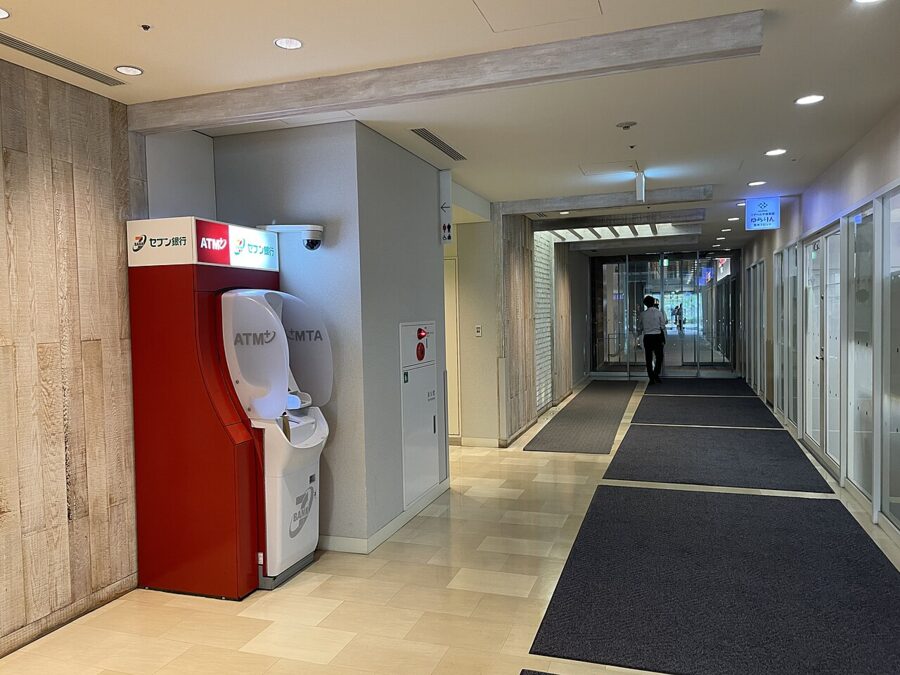
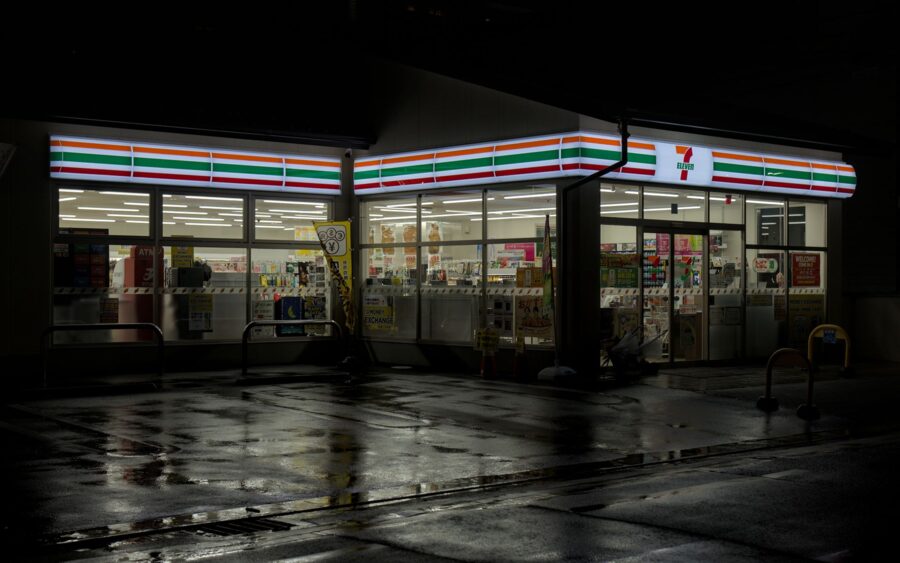
| Seven Bank | 7-Eleven, airports, stations | Visa, Mastercard, Amex, JCB, UnionPay, Discover, Diners | Visa and Mastercard 24 hours; others with a short break around midnight | ¥100,000 (about US$630); ¥30,000 (about US$190) by magnetic stripe | Varies by brand |
| Japan Post Bank (ゆうちょ) | Post offices, stations, some FamilyMart stores | Visa, Mastercard, JCB, UnionPay, Discover | Post offices: 7 a.m. to 11 p.m. Mon to Sat, to 9 p.m. Sun and holidays | ¥50,000 (about US$315) | ¥220 (about US$1.40) with some foreign cards |
| Aeon Bank | Aeon malls, some stations | Visa, Mastercard, JCB, UnionPay, Discover | While the building is open | Check the screen | Check the screen |
Seven Bank is the one I would rely on: more than 28,000 7-Eleven stores, screens in ten languages besides Japanese, and Visa and Mastercard around the clock. It does not publish one fee for foreign cards, so read the screen before confirming, and expect your own bank’s fee on top.

Japan Post Bank is the backup, and in the countryside often the only option, since nearly every town has a post office. It may charge ¥220 per withdrawal with some foreign cards and caps each one at ¥50,000. American Express is not on its list. Look for ゆうちょ銀行 (Yūcho Ginkō) in green.

Aeon Bank ATMs sit in Aeon malls and some stations and take the main brands, but only while the building is open.

Choose yen on the screen
A Seven Bank ATM may offer to bill a Visa or Mastercard in your home currency. This is dynamic currency conversion, and it lets the machine’s side set the exchange rate, usually worse than your card network’s. Choose yen, and give the same answer when a shop terminal asks.
Exchange counters, and what not to bring
Banks, airports and licensed changers swap foreign cash for yen under the sign 両替 (ryōgae, exchange). The posted rate already includes the margin, so compare two boards if you can. US dollars, euros and the main Asian currencies are easy; rarer ones get poor rates or none.
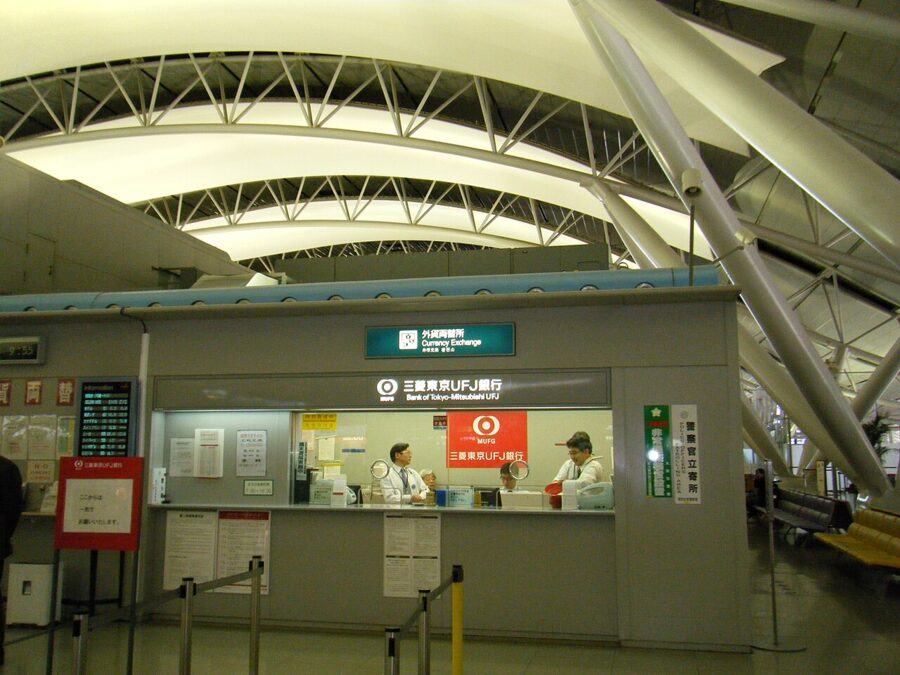
Leave foreign coins at home, since counters change notes only, and I would not bring traveler’s checks, which few places will cash. The yen has been weak against the dollar in recent years, which makes Japan cheaper for many visitors; the dollar figures here are rounded and will drift.
Paying at the till
Back to the tray, called a karuton (カルトン, from the French carton). Lay your money on it. The cashier counts it, often aloud, ichiman-en o-azukari shimasu (“I’m holding ¥10,000 from you”), then counts the notes of your change in front of you and puts the coins and receipt on the tray.
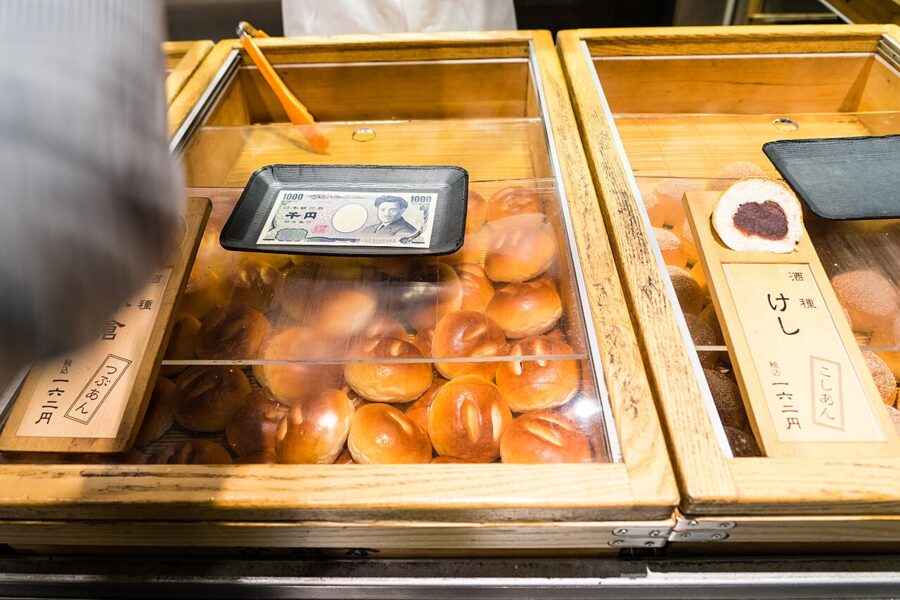

The tray lets both sides see the money, so nobody argues over whether a ¥5,000 or ¥10,000 note changed hands. It also avoids touching a stranger’s hand, and it keeps food counters tidy. Your change is otsuri (お釣り); take it from the tray, or from the cashier’s hand if offered.
Is tax in the price?
Consumption tax is 10%, or 8% on food and non-alcoholic drinks you take away. Since April 2021 shops must show the tax-included price, marked 税込 (zeikomi), though a pre-tax figure marked 税抜 (zeinuki) or 本体価格 (hontai kakaku) often appears too. The government plans a 1% rate on food for two years from April 2027; the cabinet approved the bill in October 2026, and as of November 2026 it was still before the Diet.
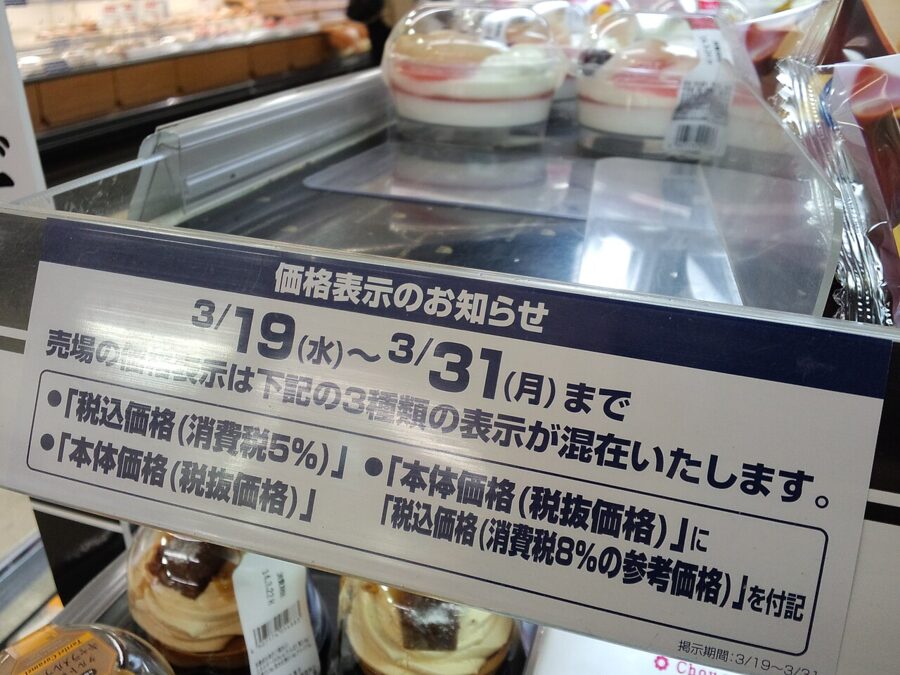

Two extras do appear on bills. An izakaya (pub) brings a small starter you did not order, the otōshi (お通し), and charges for it per person; it is a table charge, not a mistake. Hotels and some upscale restaurants add a service charge (サービス料, sābisu-ryō) stated on the menu or rate.
No tipping, really
You do not tip in Japan: not in restaurants, taxis, hotels or salons. Good service is part of the price, and money left on the table usually brings someone running after you to return it. Say gochisōsama deshita (ごちそうさまでした, thank you for the meal) on the way out instead.
The nearest thing is kokorozuke (心付け), a small sum in an envelope for staff at a traditional inn. It is optional, and never expected from visitors.
The tax-free refund since November 2026
Short-term visitors can reclaim consumption tax on goods they take home, and the method changed on November 1, 2026. Shops used to skip the tax; now you pay it, and get it back after customs confirms the goods left Japan. The Japan Tourism Agency’s rules, as of November 2026:
- At the shop. Spend at least ¥5,000 before tax in one shop on one day and show your passport. The old ¥500,000 (about US$3,150) daily cap is gone, though you can claim only what you carry out. Look for 免税 (menzei, tax-free).
- At the airport. Within 90 days of purchase and before checking bags, scan your passport at the customs kiosk; if the screen asks, show the goods at the counter. Major airports also accept Visit Japan Web on your phone.
- Keep it all with you. Goods in checked bags cannot be shown, and things used up in Japan do not qualify. The agency warns that a missing item can cost you the refund on that whole receipt.
- The money. The shop or its refund company pays after the customs check, by a method the shop chooses, so ask when you buy.

How much cash to carry
My rule: land with ¥20,000 to ¥30,000 (about US$125 to US$190), keep at least ¥10,000 on you every day, and refill at a 7-Eleven when you drop below that. In the countryside, carry double. Losing a wallet is a bigger risk than theft here; if it happens, go to the nearest police box, and the safety guide lists the numbers to call.
Coins have their own jobs. Buses that take cash want coins or a ¥1,000 note; the fare box usually changes a ¥1,000 note, but bigger notes may be refused. Coin lockers, including many at public baths and onsen, want ¥100 coins, so keep a few apart from the rest.
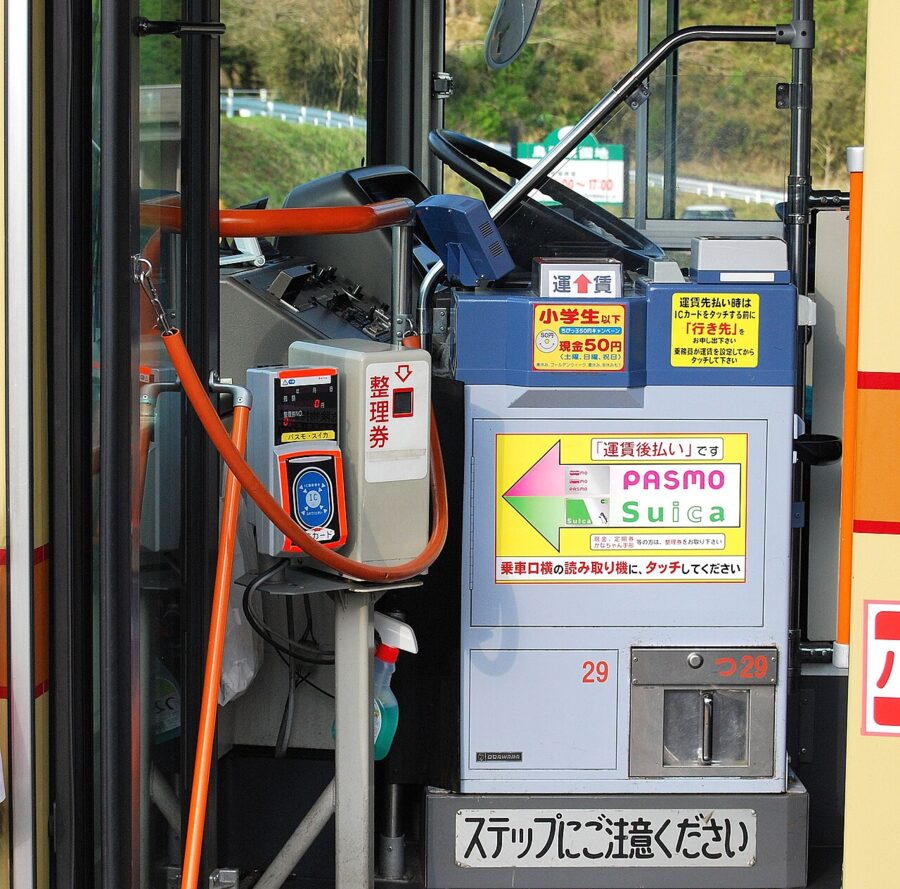
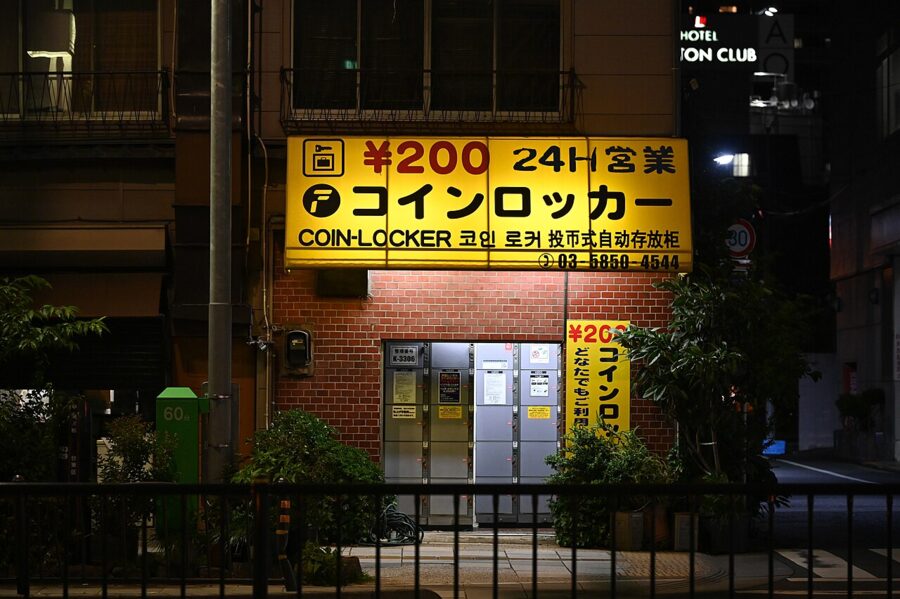

Cash is also your backup when networks fail. After a strong quake or a long power cut, card terminals and ATMs can stop for hours and open shops fall back on cash; the guide to earthquakes in Japan covers what else to keep ready.
Carrying over ¥1 million
Entering or leaving Japan with more than ¥1 million (about US$6,300) in cash or similar means a declaration to Japan Customs, on the Declaration of Carrying of Means of Payment, as of November 2026. It counts cash in any currency, checks, traveler’s checks, promissory notes, securities and gold bars of 90% purity weighing over 1 kilogram (2.2 pounds). The rest of the arrival rules are in the guide to visas and customs.
If your card is refused
- Try another network. Many bank ATMs simply do not take foreign cards; go to a 7-Eleven or a post office.
- Try less. Your card’s limit may be lower than the ATM’s, and magnetic-stripe withdrawals at Seven Bank stop at ¥30,000.
- Check the brand. Japan Post Bank, for one, does not list American Express.
- Call your bank. A first foreign transaction can trigger a fraud block, and a wrong PIN is sorted out with your bank, not the ATM.
- Carry a backup. A second card on a different network, kept apart from your wallet.
For budgets and what things cost, see the guide to general travel information.
Where to see the money itself
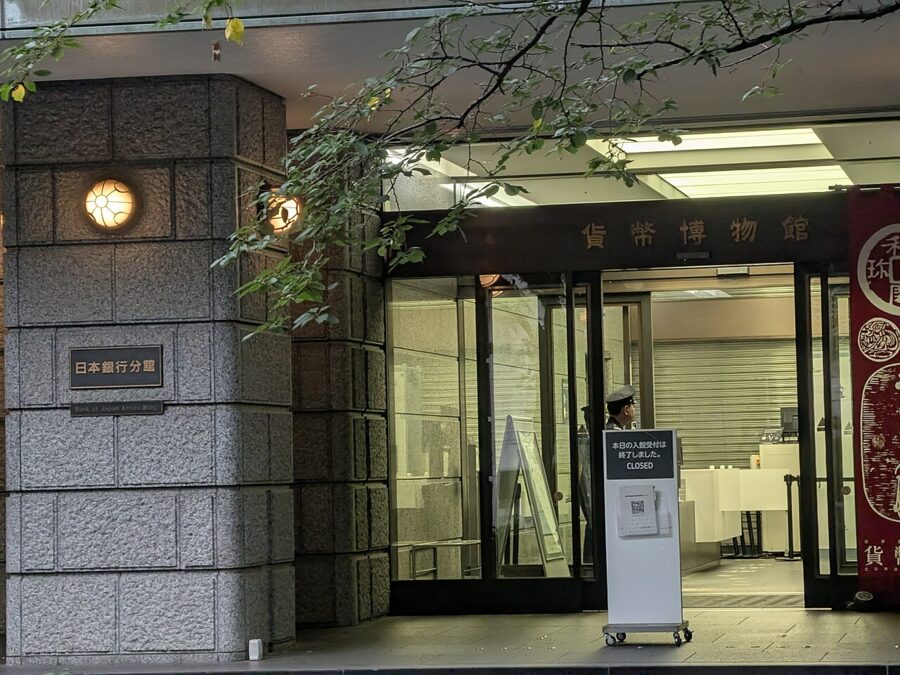
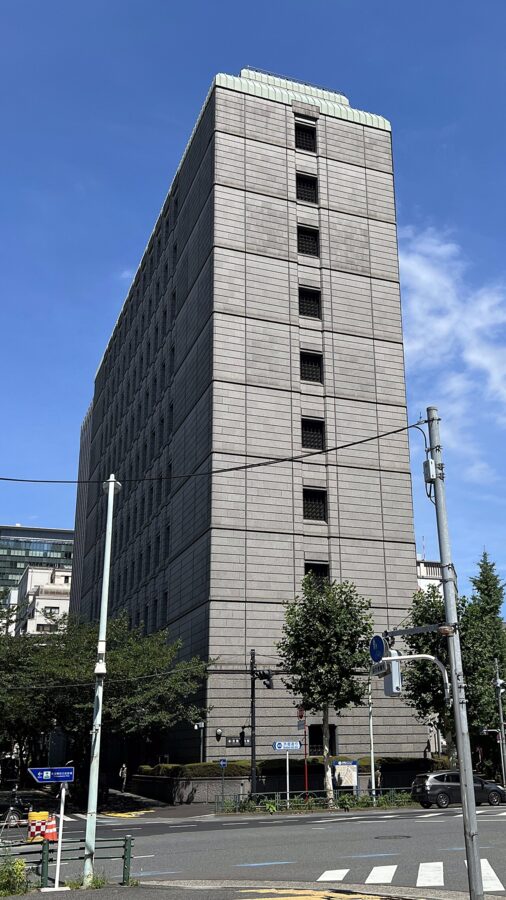
The Bank of Japan Currency Museum in Nihonbashi, Tokyo, tells the story from the first coins of the 8th century to Edo gold and Meiji paper money. Entry is free, with an English audio guide on your own phone. As of November 2026 it opens 9:30 a.m. to 4:30 p.m. (last entry 4 p.m.), closed Mondays (Tuesday when Monday is a holiday) and December 29 to January 4.
Wherever you spend your yen, the tray will be there. Put the money down, wait for the count, take the change and say arigatō (ありがとう). By the second day you will do it without thinking.