
Stage 4 of 8

Customs and Manners

Most Japanese manners have a practical reason behind them. Shoes come off because people sit on the floor, you wash before the bath because the water is shared, and nobody expects a tip because good service is already part of the price.

Visitors are forgiven a great deal. The few rules that matter everywhere, mostly about bathing, queuing and keeping quiet on trains, are the ones worth learning first.

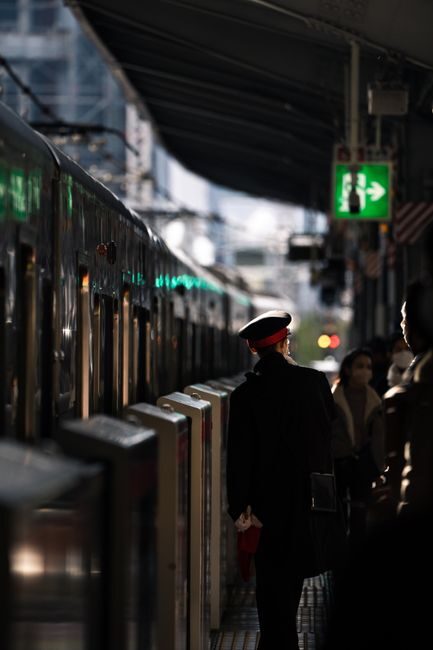
A uniformed train conductor in a peaked cap standing on the platform beside a train at Osaka Station

Bowing in Japan: When, How Low and When a Nod Will Do

How bowing works in Japan: the three bows taught in offices, the nod that covers most everyday moments, bows at shrines and temples, business cards and handshakes, the bowing deer of Nara, and the mistakes to avoid.
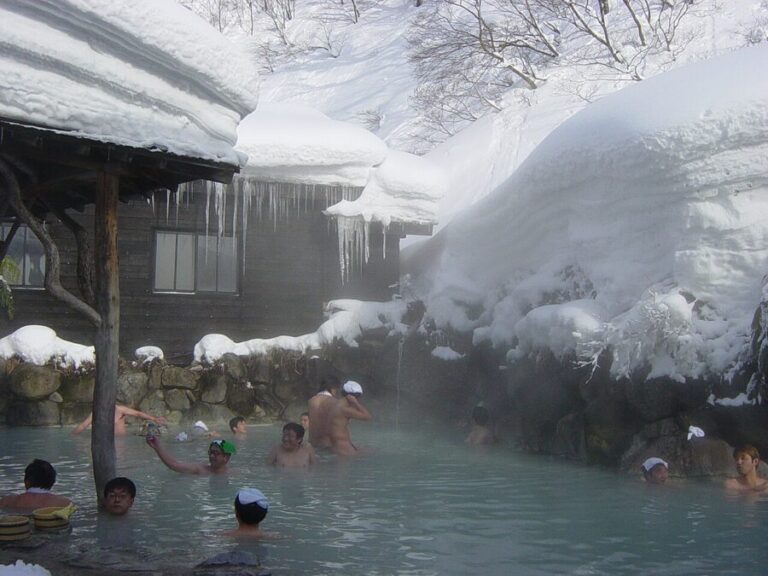
Bathers in the milky outdoor bath at Tsurunoyu Onsen in Akita, with snow piled on the roofs around it

Onsen: How to Bathe in a Japanese Hot Spring

What counts as an onsen, how to bathe step by step, what the curtains and signs mean, and the rules on tattoos, children and mixed baths, plus the types of spring water and how to choose between a day bath, a ryokan and a sento.

5Next stageEveryday JapanHow daily life works: trains and IC cards, konbini, toilets, vending machines, food, izakaya and addresses.