
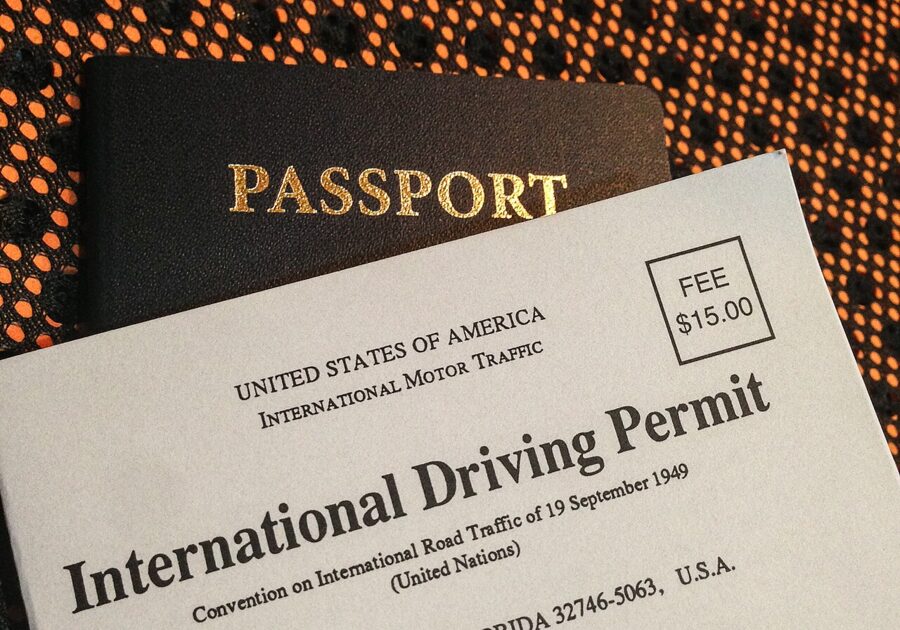

A rental counter in Japan will not hand over the keys on a US driver’s license alone. What it wants to see is a small gray booklet, printed under a road traffic treaty signed in Geneva in 1949, sitting next to that license and your passport. Without the booklet, or one of two other documents the law accepts, you are not licensed to drive in Japan at all.
Key facts Who it is for
- Japanese driver's license
- Residents who have converted or passed the test
- Home license plus an official Japanese translation
- Switzerland, Germany, France, Belgium, Monaco and Taiwan only
Getting the paperwork right takes an afternoon at home. The harder part is the road itself: traffic on the left, a stop sign shaped like nothing you know, a legal duty to stop at every railway crossing, and a drink-driving law that reaches the passenger seat.
The three documents that let you drive
Japan’s Road Traffic Act recognizes exactly three ways for a visitor to drive, set out in the National Police Agency’s guide for foreign license holders (May 2026). Your home license alone is not one of them.
| What you carry | Who it is for | How long it works |
|---|---|---|
| Japanese driver’s license | Residents who have converted or passed the test | Until the expiry date on the card |
| International Driving Permit (1949 Geneva format) plus your home license | Licenses from the US, UK, Canada, Australia, South Korea and most other countries | One year from landing in Japan, or until the permit expires, whichever comes first |
| Home license plus an official Japanese translation | Switzerland, Germany, France, Belgium, Monaco and Taiwan only | One year from landing, or until the home license expires, whichever comes first |
Whichever route applies, carry your passport too: the police and the rental counter read the date on your landing sticker to check where you are in that one-year window.
The 1949 permit, and where Americans get one
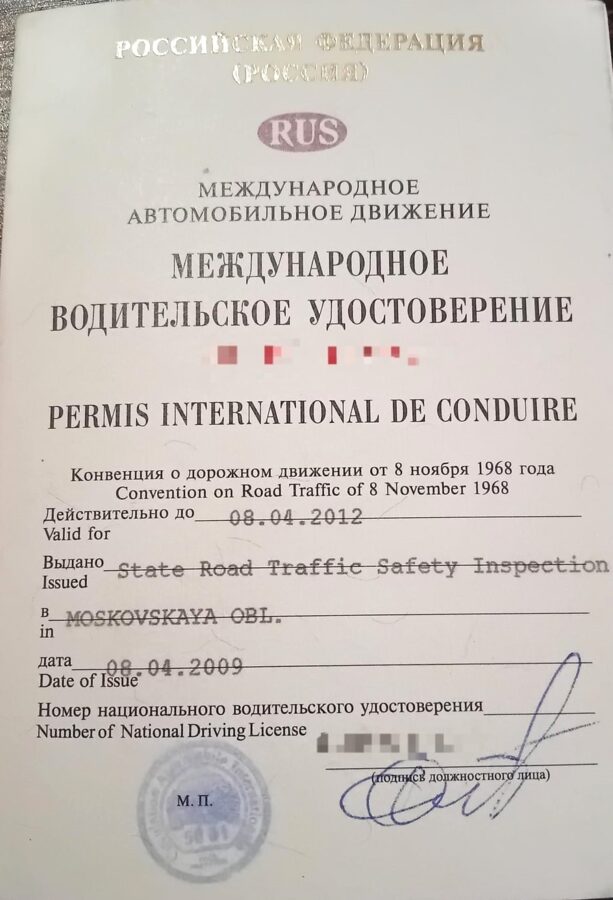
An International Driving Permit (IDP) is a booklet translating your home license into several languages, in the format set by the Geneva convention of September 19, 1949. It only works alongside the plastic card from home, and it comes from your own country: Japan does not issue permits on foreign licenses.
In the United States that means the AAA International Driving Permit, which costs $20 as of November 2026 at a branch or by mail, with a valid US license and two passport photos. Online it costs $10 more for the photo and takes about five business days plus shipping. AAA will date a permit up to six months ahead, so I would apply a month or two before departure.
Each permit is valid for one year from issue. Check the cover before you pack it: it should cite the 1949 convention, and it should be a booklet, not a card.
Countries that use a translation instead
Six places, as of April 2026, do not issue the 1949-format permit but run licensing systems Japan treats as equivalent: Switzerland, Germany, France, Belgium, Monaco and Taiwan. Drivers from these six carry their home license plus an official Japanese translation of it. A translation by a certified translator at home does not count.
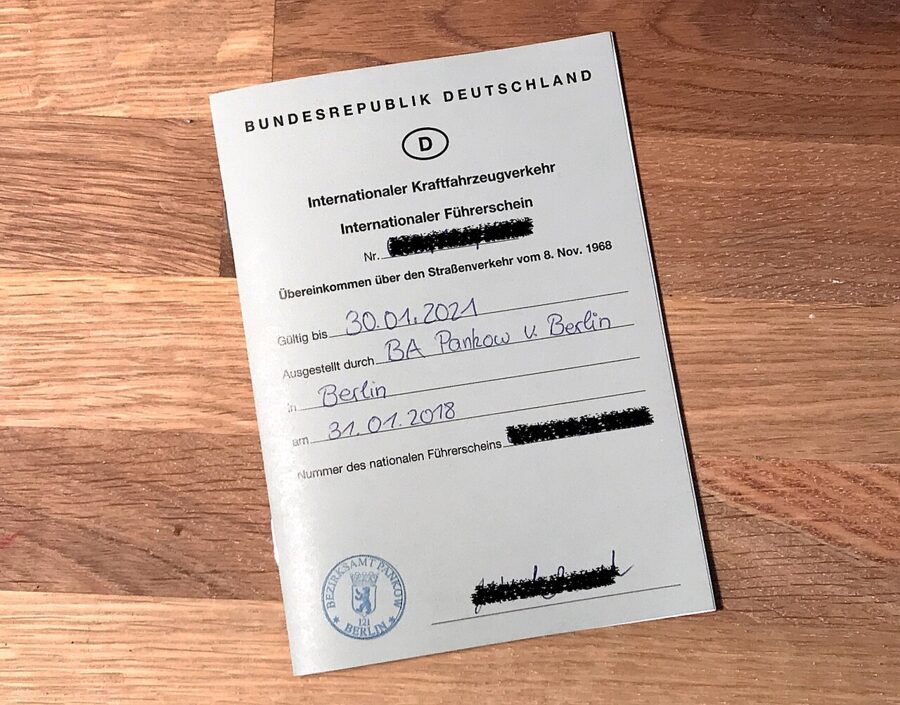
The translation can come from the issuing authority or its embassy or consulate in Japan, from the automobile club ADAC for German licenses, from the Taiwan-Japan Relations Association for Taiwanese ones, or from the Japan Automobile Federation (JAF). JAF’s translation service takes applications online and only from inside Japan, so a visitor needs someone there to apply for them, or another issuer. Only the printed paper is valid, never a PDF or a phone photo.
Permits that will not work
Three kinds of document get turned away. The first is a permit in the 1968 Vienna format, which some countries issue alongside or instead of the 1949 one; if yours can issue both, ask for the Geneva version. The second is an “international driver’s license” sold online by a private company, which is not a permit under either treaty and is worth nothing at the counter.
The third is a license from a country that is outside the 1949 convention and not on the translation list. Mainland China is the case visitors meet most: a mainland Chinese license, with or without a permit, does not allow driving in Japan, while 1949-format permits from Hong Kong and Macau do.
The one-year limit and the re-entry rule
A permit or a translated license lets you drive for one year from the day you land in Japan, and never past the expiry of the permit or license itself. It matters only for long stays and frequent returns.
If you are a visitor, not registered as a Japanese resident, each new landing starts a new one-year window, but the permit’s own one-year life still caps it, so a frequent visitor renews the permit at home every year.
The rule changes once you are a registered resident, listed in the Basic Resident Register (住民基本台帳, jūmin kihon daichō). If a resident leaves Japan on a re-entry permit and comes back within three months, the return does not start a new year. Only a stay abroad of three months or more does. This is the rule behind the old belief that a weekend trip to Seoul “resets” a permit: for residents it does not, and after a year they need a Japanese license.
Converting a foreign license: 外免切替 (gaimen kirikae)
Residents who stay past that year switch their home license for a Japanese one through a procedure the police call 外免切替 (gaimen kirikae, foreign license conversion). It is done in person at your prefecture’s driver’s license center and skips most of the full test a new Japanese driver takes. An IDP cannot be converted; it has to be the license itself.
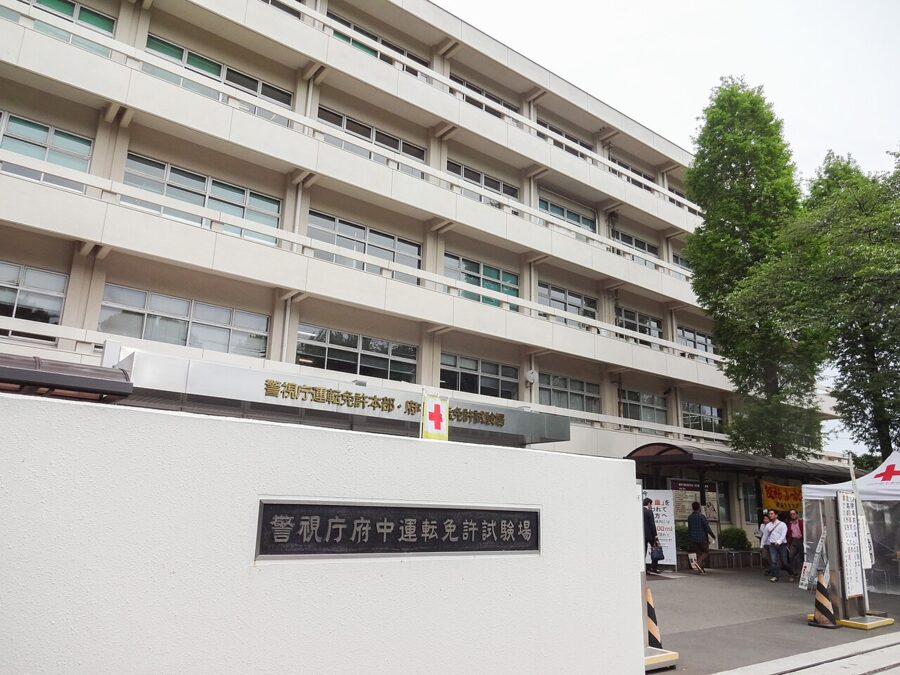

You need the application form, a photo, a copy of your certificate of residence (住民票, jūminhyō), your passport or My Number card, the foreign license, an official Japanese translation of it, and proof that you spent at least three months in the issuing country after the license was granted. That last one trips people up: old passport stamps or official travel records are the usual proof, and automated gates may leave no stamp.
What changed in October 2025
Until 2025 a tourist could convert a license by giving a hotel as their address, and the knowledge check was ten illustrated questions with a 70% pass mark. The government’s review of license conversion ended both after accidents involving drivers who had converted without knowing basic rules. Since October 1, 2025:
- Every applicant needs a jūminhyō, so people on short-term visitor status can no longer convert at all. Narrow exceptions remain for diplomats and similar holders of official identity papers.
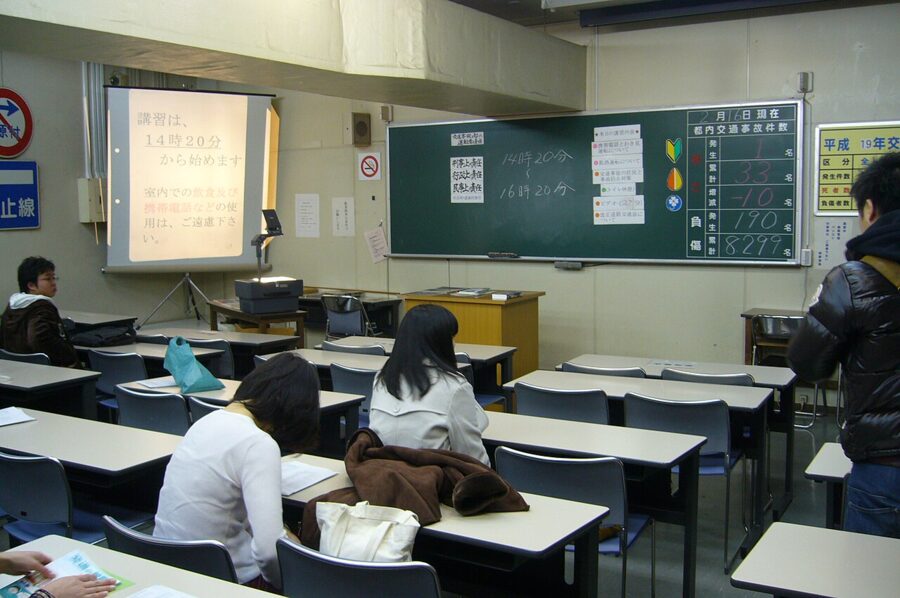
- The knowledge check is 50 written questions with a 90% pass mark, the standard for new Japanese drivers. It is offered in 20 languages.
- The skills check adds tasks such as approaching pedestrian crossings, and failing to signal or taking a turn badly now costs marks as it would for a Japanese learner.
If you need a Japanese license, prepare properly for the written test and consider a practice course at a driving school before the skills check.

Who skips the tests
Licenses from 29 countries and regions skip both the knowledge and skills checks, according to the Tokyo Metropolitan Police conversion page (updated November 2026). They are Canada, Australia, New Zealand, South Korea, Taiwan, and 23 European countries including the UK, Ireland, France, Germany, Italy, Spain and the Nordic states. The United States counts only for licenses from Ohio, Oregon, Colorado, Virginia, Hawaii, Maryland and Washington; Indiana skips the skills check alone. Everyone else from the US sits both.
In Tokyo the fees for an ordinary car license come to ¥4,850 (about US$31), the ¥2,500 application fee plus ¥2,350 for issue. A JAF translation for conversion has cost ¥6,600 (about US$42) since July 2026.
Renting a car
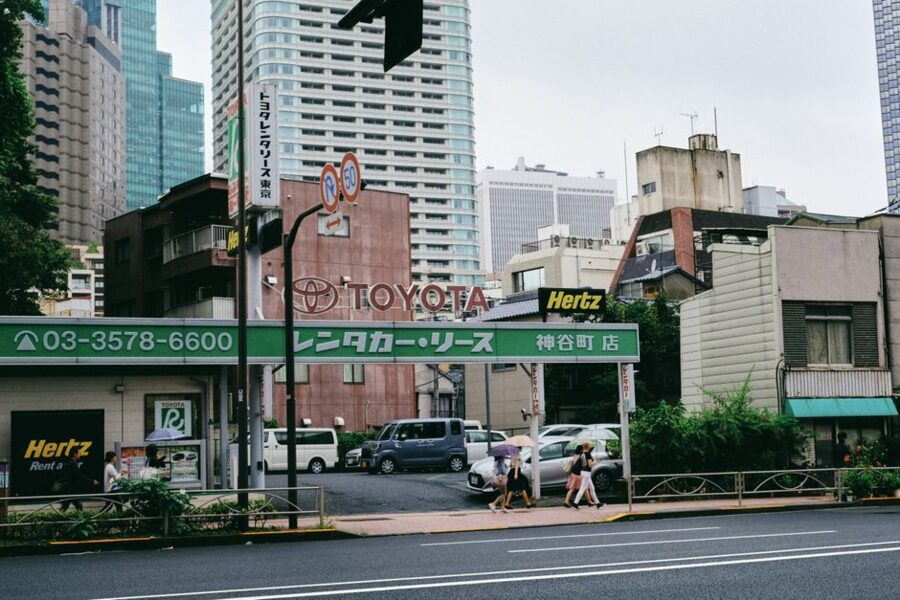
At the counter you show your license with the permit or translation, your passport and, usually, a credit card. Toyota Rent a Car’s rules for overseas drivers are typical: a booklet-type Geneva permit from an authorized issuer, never one bought online, and no rental without the passport, because staff must check your landing date. Cruise passengers use the shore landing permit in its place.
Insurance and the non-operation charge
Basic insurance is built into Japanese rental prices. Under Toyota’s terms, as of November 2026, you would still pay a ¥50,000 (about US$315) deductible for damage to the car or to property, unless you buy the damage waiver at ¥1,100 (about US$7) per 24 hours for most cars.
On top of that sits the non-operation charge (NOC), a flat fee for the days the car is off the road after any damage. It is ¥20,000 (about US$125) if the car can still be driven back to the shop and ¥50,000 if it cannot. Toyota’s Double Protection Package, ¥1,650 (about US$10) per 24 hours, covers both the deductible and the NOC. For narrow country lanes, I would buy it.
Two things no package covers. An accident while over the alcohol limit voids the insurance entirely. A parking ticket has to be paid at a police station in the same prefecture before you return the car, with the receipt shown at the counter; skip it and Toyota bills ¥25,000 (about US$160) plus tax for an ordinary car.
ETC cards and the end of cash at the tollbooth
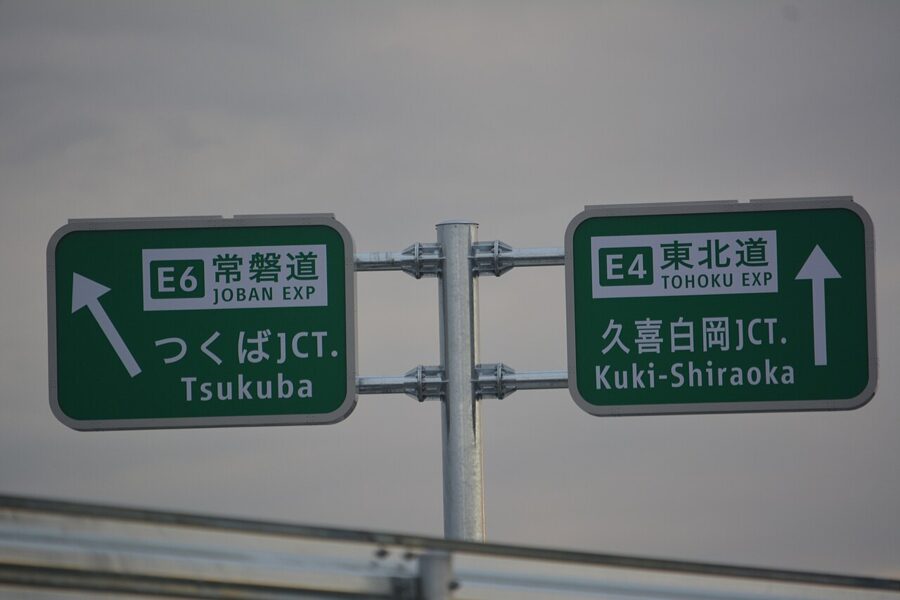
Expressway tolls are paid at the gate by ETC (Electronic Toll Collection), a card slotted into a reader behind the windshield. Ask for one when you book the car, because the expressway companies are taking the cash lanes away.
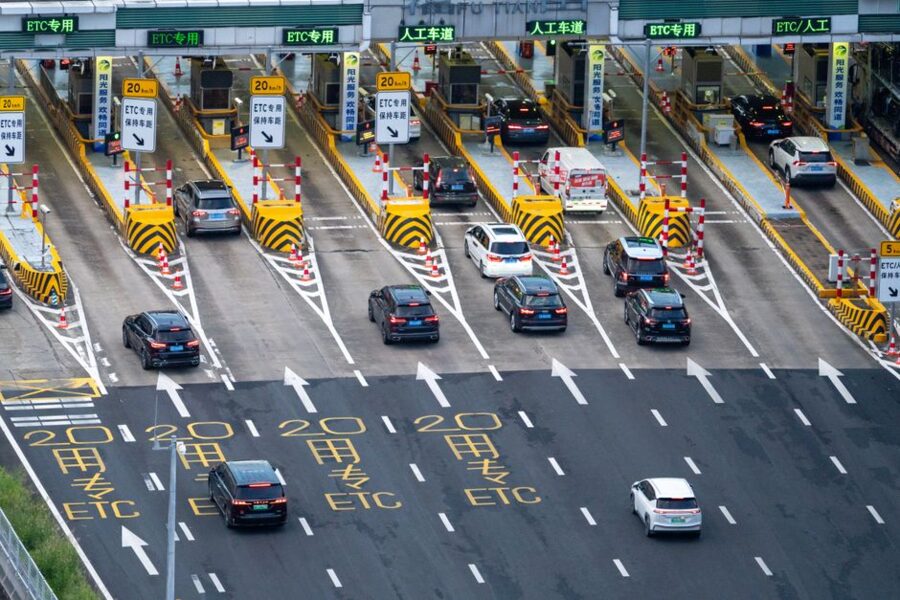
NEXCO West converted another 30 tollgates to ETC-only operation in spring 2026, and NEXCO Central has been converting dozens more; at those gates there is no cash lane at all. Tokyo’s Metropolitan Expressway is converting its entrances the same way. A driver without a working card uses the lane marked ETC/サポート (sapōto, support), stops, and follows the attendant over the intercom. Never reverse out of a toll lane.
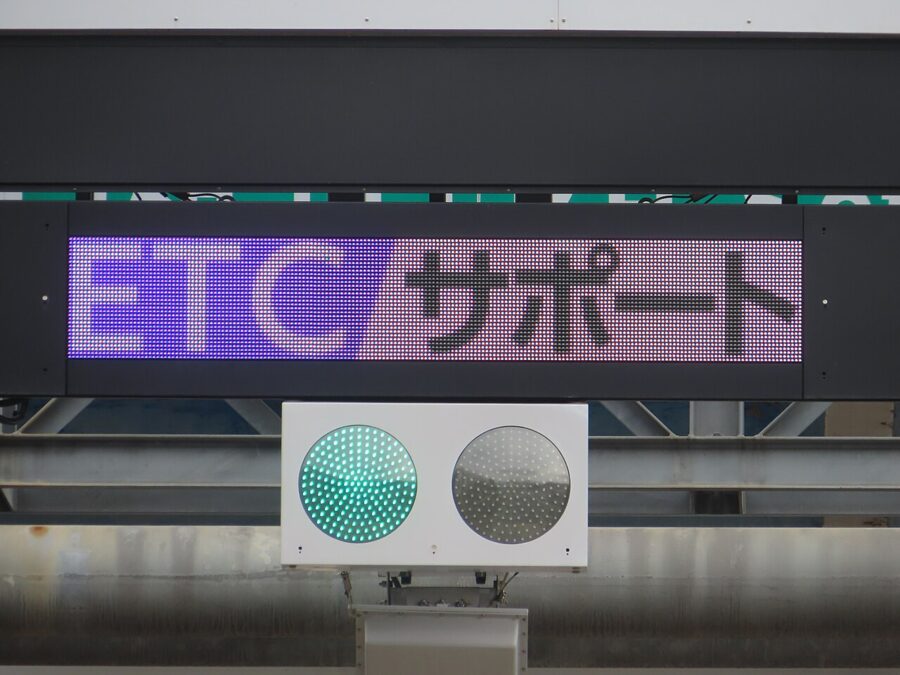

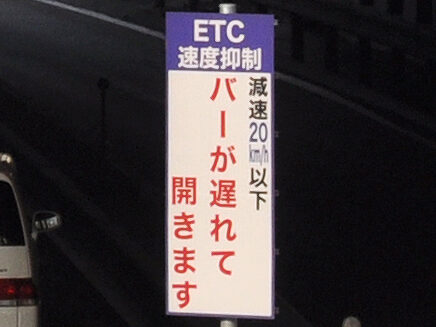
Foreign passport holders can also buy regional expressway passes for flat-rate driving over several days: Hokkaido, Tohoku, San’in-Setouchi-Shikoku and Kyushu, as listed on JNTO’s expressway pass page (January 2026). The old nationwide Japan Expressway Pass is no longer sold. Each pass runs on the rental company’s ETC card, so book it with the car.
Child seats and fuel
Children under six must ride in a child seat by law, as the National Police Agency reminds drivers, and seat belts are required in every seat. Rental companies rent child and booster seats; reserve them when you book the car.
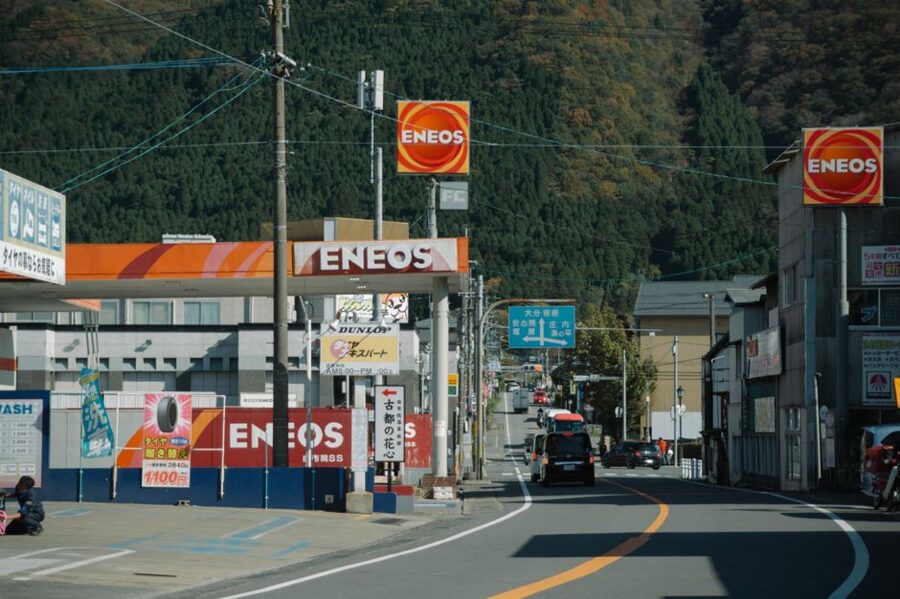
Cars go out with a full tank and should come back with one, or the shop charges for fuel by distance. Many stations are self-service, with screens often in Japanese only; at a staffed one, say 満タン (mantan, full tank) and レギュラー (regyurā, regular). Ask at pickup which fuel the car takes.
Road rules that catch visitors
Japan drives on the left, with the steering wheel on the right. For an American the hard moments are turns: a right turn crosses oncoming traffic, and the urge to drift right is strongest when pulling out onto an empty road. The police rules for foreign drivers add two that surprise people: you may not turn on a red light in any direction, and a green arrow under a red light lets you go only the way it points.
止まれ means a full stop
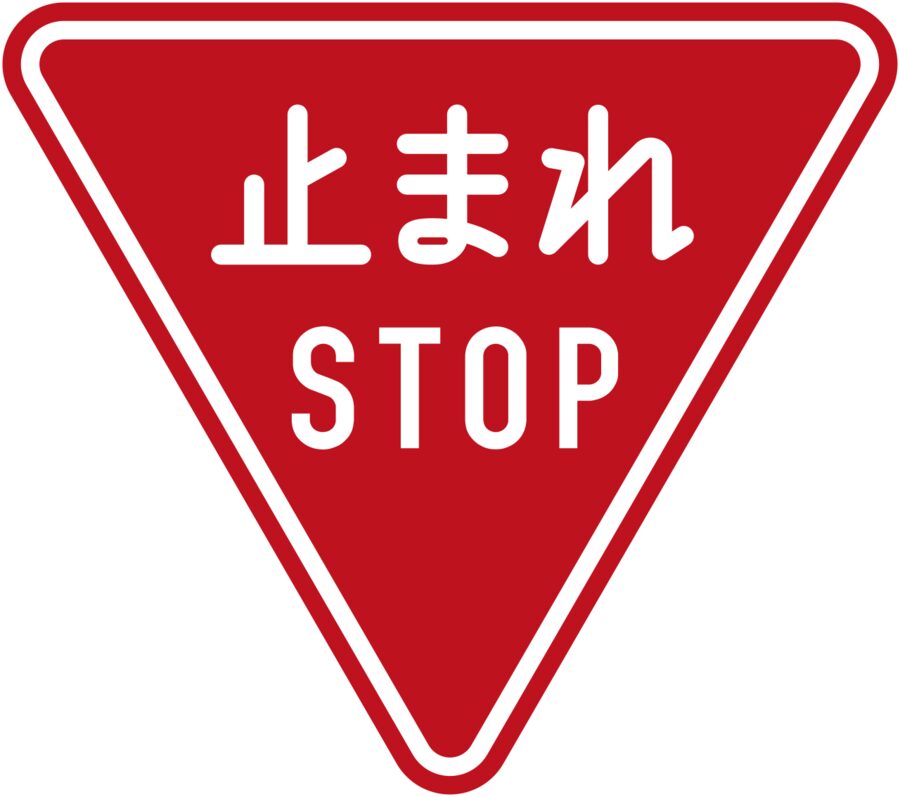
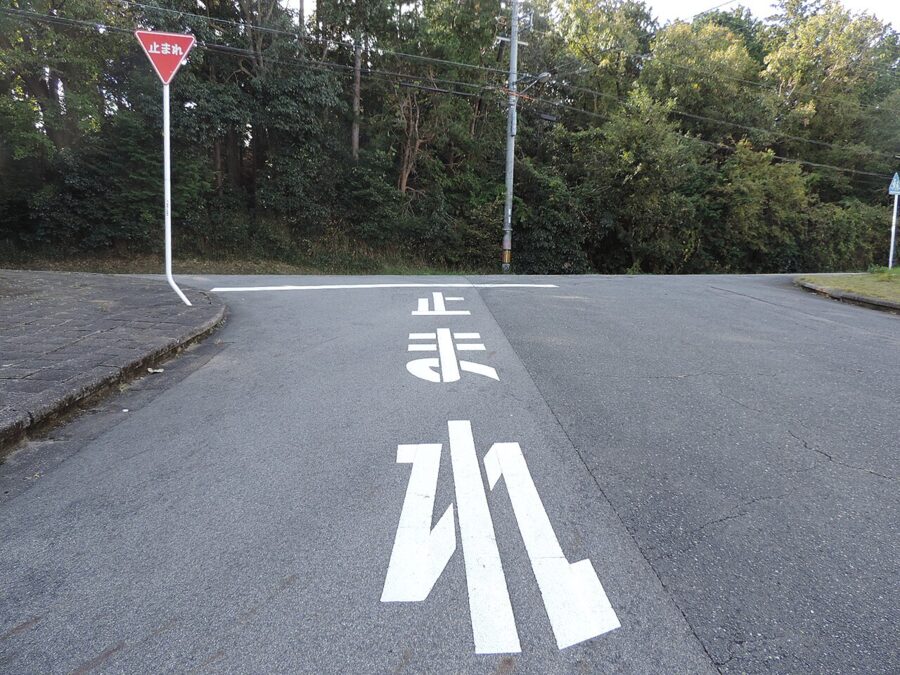
The stop sign is an inverted red triangle reading 止まれ (tomare), often with the same word painted in white on the road before the stop line. It means a complete stop and a look both ways, and police do ticket rolling stops. The triangle has been the shape since 1963; the English word was added to new signs in 2017.

Stop at every railway crossing
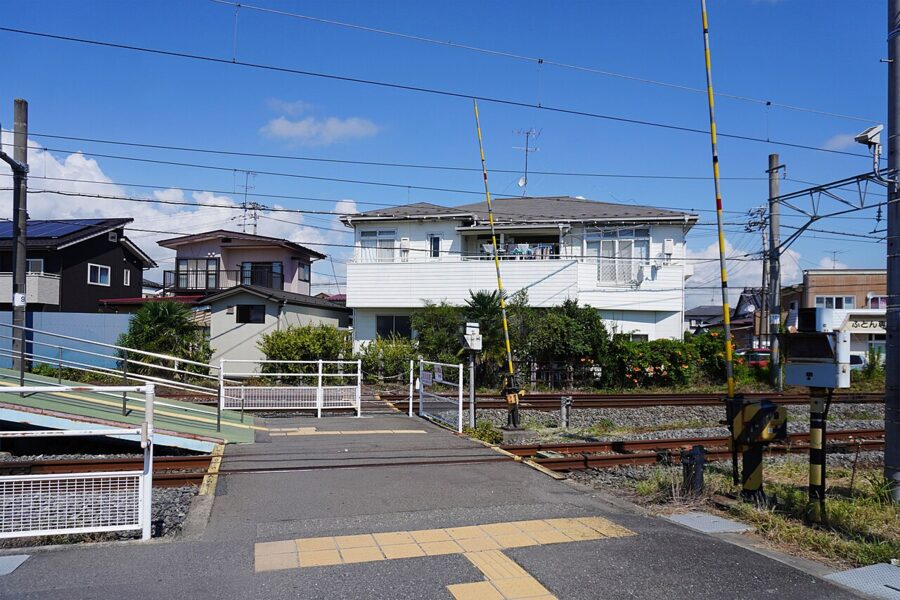
At a 踏切 (fumikiri, level crossing) every driver must stop before the tracks, look and listen, then cross, even when the barriers are up and no train is in sight. The only exception is a crossing with its own traffic signal showing green.

Drink driving: none, and the passenger shares the blame
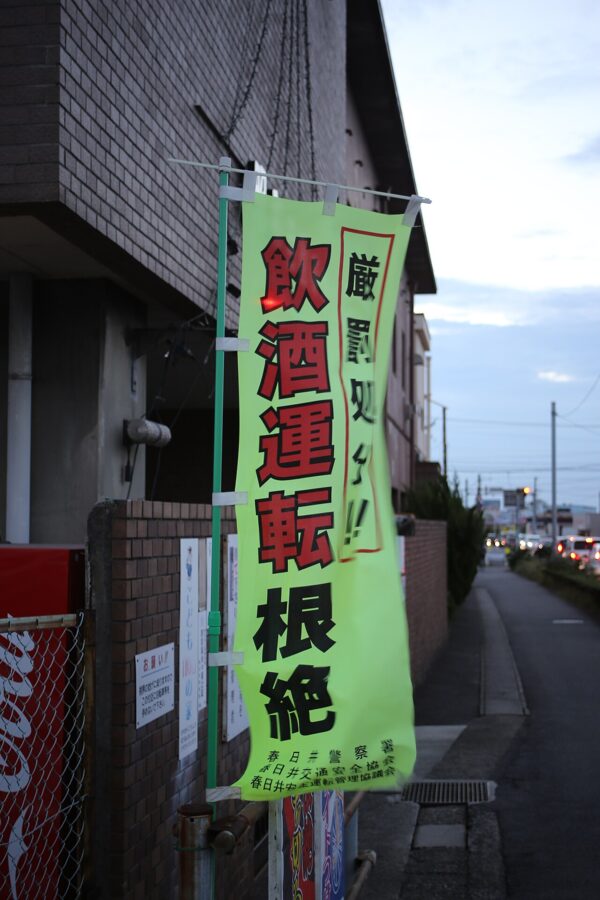
The law forbids driving with any alcohol in the body, and criminal penalties start at a breath reading of 0.15 mg per liter. Driving drunk carries up to five years in prison or a ¥1,000,000 (about US$6,300) fine. Under the police rules on drink driving, the person who lent the car faces the same, and a passenger who rode along, or anyone who served the driver a drink, faces up to three years or ¥500,000 (about US$3,150).
Morning-after driving counts too. If the trip includes sake tasting or an onsen dinner, plan the driving for the next afternoon.

Speed limits, including a new one
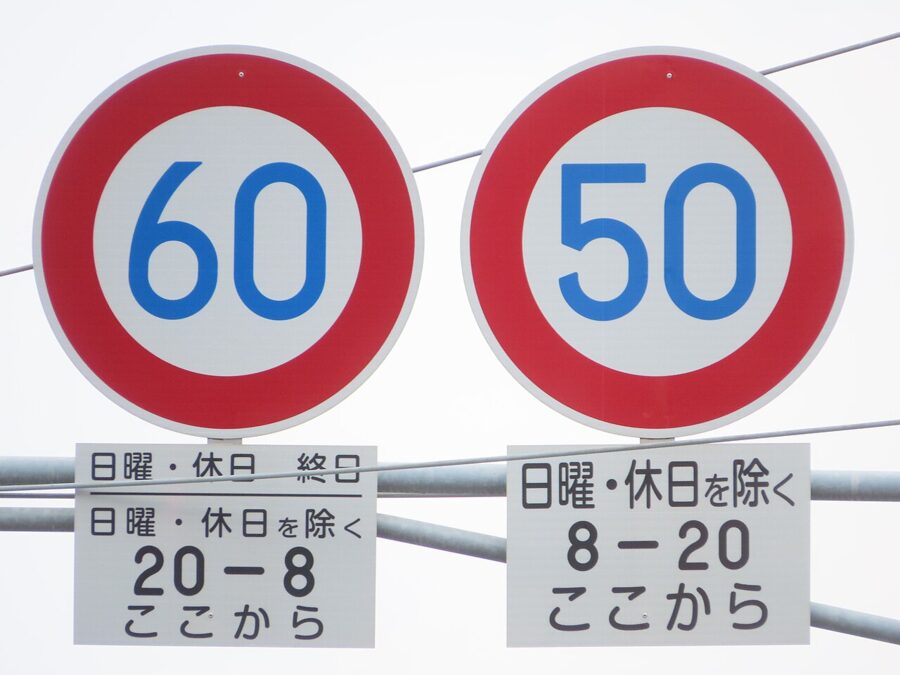
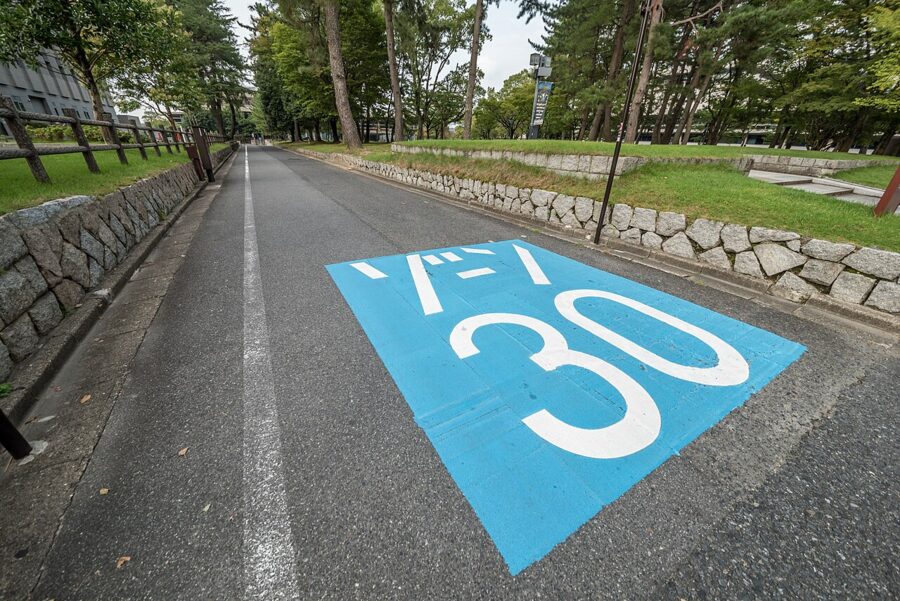
Unless a sign says otherwise, the limit on ordinary roads is 60 km/h (37 mph), and on expressways it is set by the posted signs, usually 100 km/h (62 mph) or less. Since September 1, 2026, residential roads without a center line or marked lanes default to 30 km/h (19 mph), according to the police notice on the new limit. Speed signs are round, with blue numbers inside a red ring.


Parking, phones and accidents
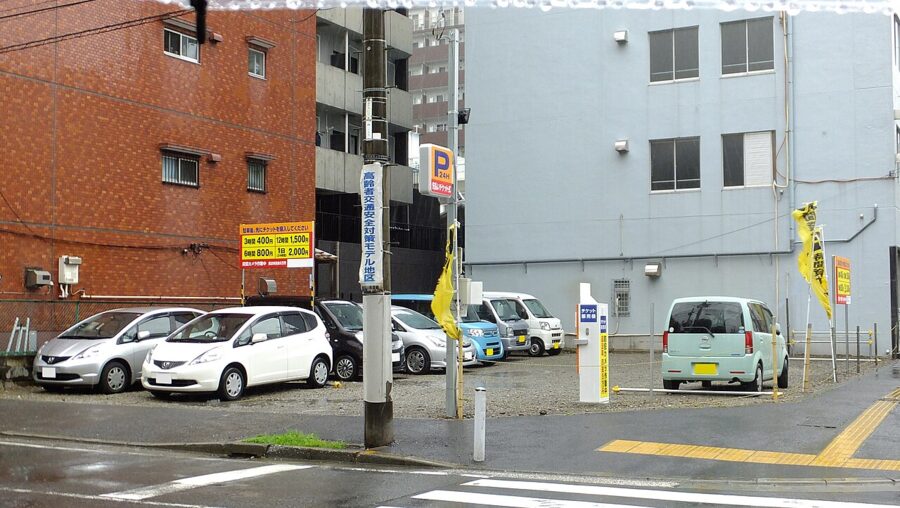
Free street parking barely exists in Japanese towns, and a car left at the curb can draw a ticket fast. You park in small pay lots called コインパーキング (koin pākingu), paying at a machine when you leave, or in the hotel’s garage, which often costs extra. Holding a phone while driving is illegal, so set the navigation before you pull out; if you navigate by phone, sort out phone rental and data before the trip.

After any collision, even a dent with no one hurt, you must call the police on 110 and wait for them; rental insurance generally needs that police report. If anyone is injured, call 119 for an ambulance first. More on emergency numbers is in the guide to traveler safety.

Where a car makes sense, and where it does not
Most first trips need no car. The rail network covers the cities and the famous routes better than any road, and the overview of general travel information shows how the country fits together. A car earns its keep where trains thin out, and the Japanese vacation spots that reward one are mostly rural.
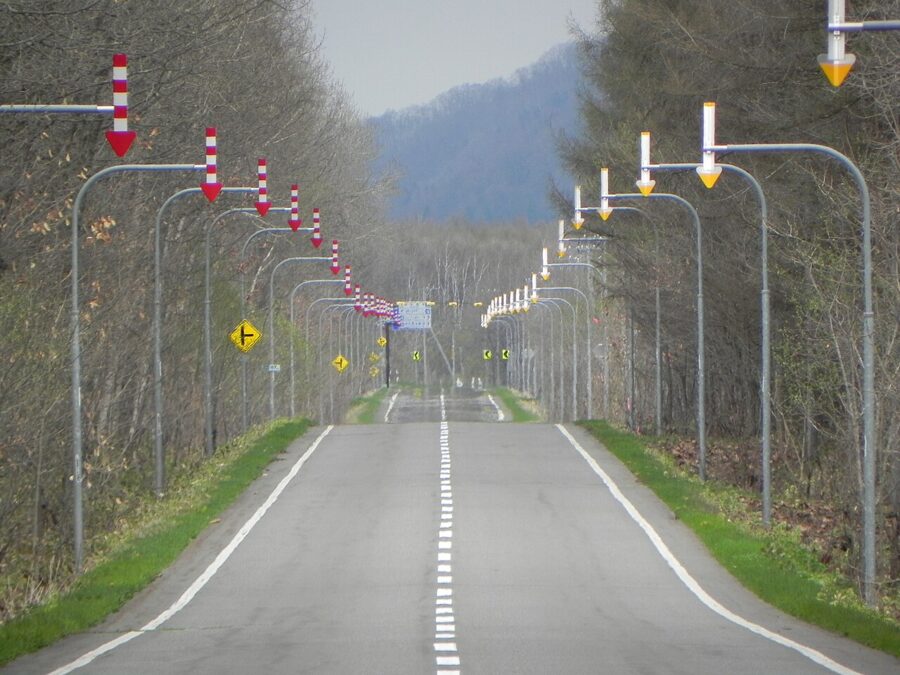
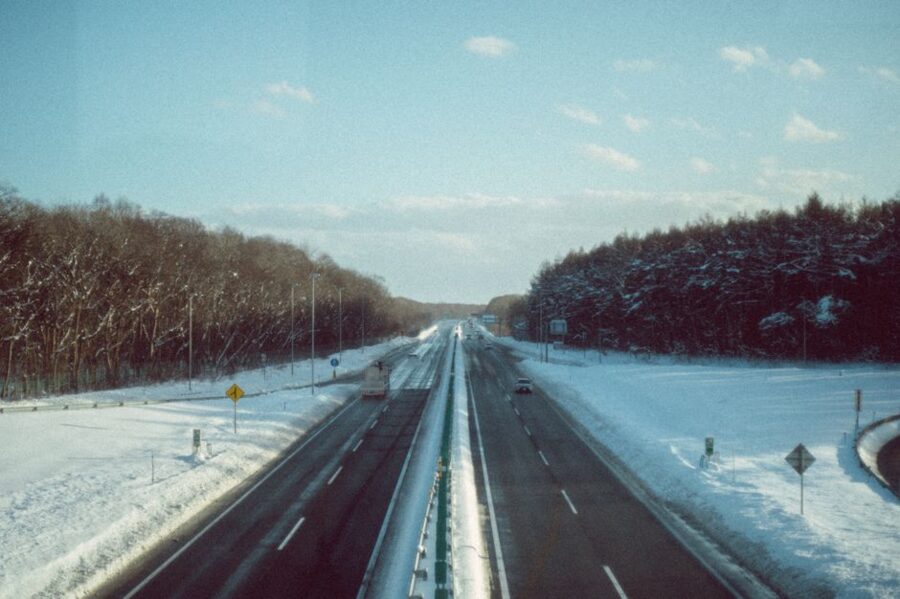
Hokkaido is the clearest case. Towns are far apart, buses are infrequent, and the national parks and farm country around Furano and the eastern lakes are built for driving. In winter the roads stay snowy for months, so you will want studless snow tires (スタッドレス, sutaddoresu) and the month-by-month picture in the guide to the best times to visit Japan.

Okinawa is the second. The main island has no railway beyond the monorail in and around Naha, and the beaches and capes of the north are an hour or more up the coast road. Rural Kyushu and Shikoku are the third: volcano country around Aso, the gorges of Miyazaki and the long coasts of Shikoku are slow by bus and easy by car.
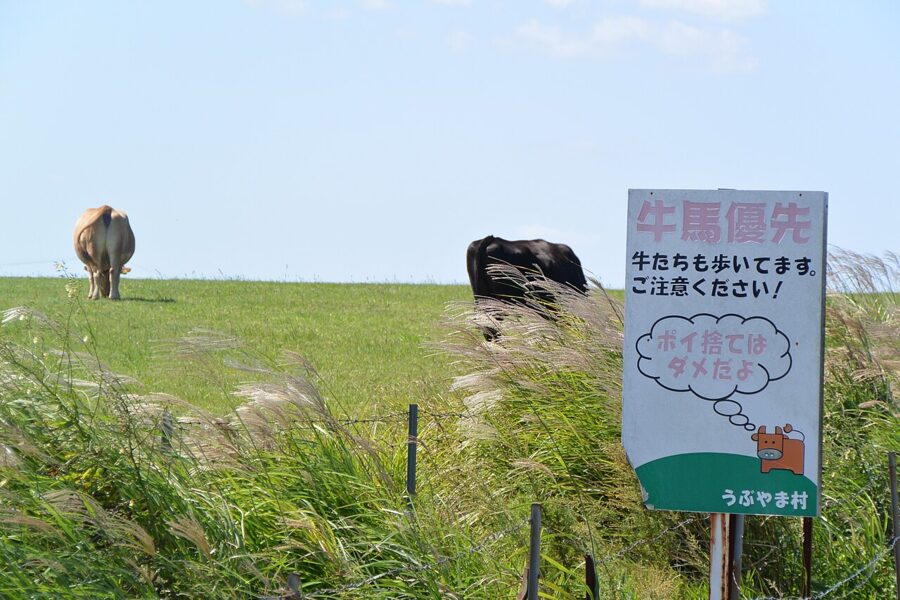

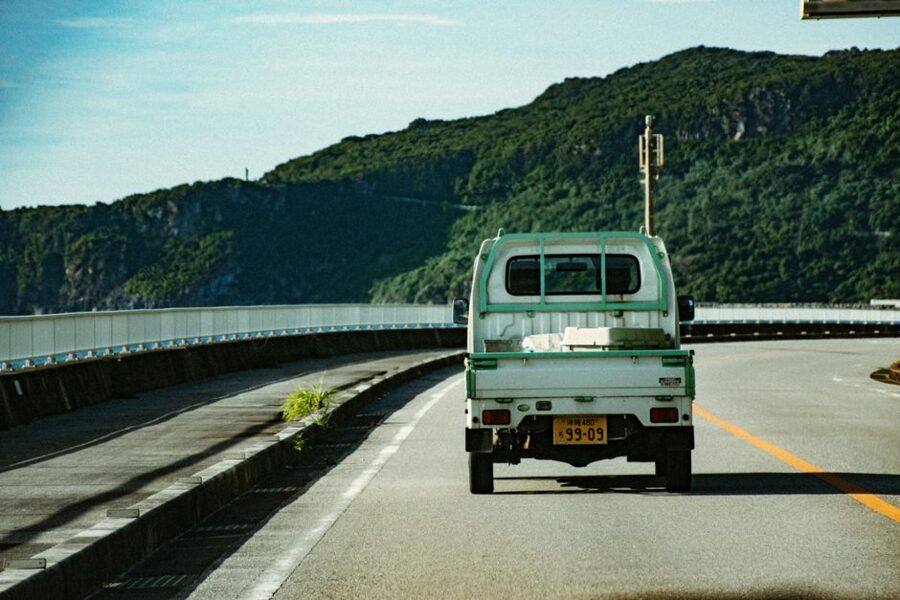
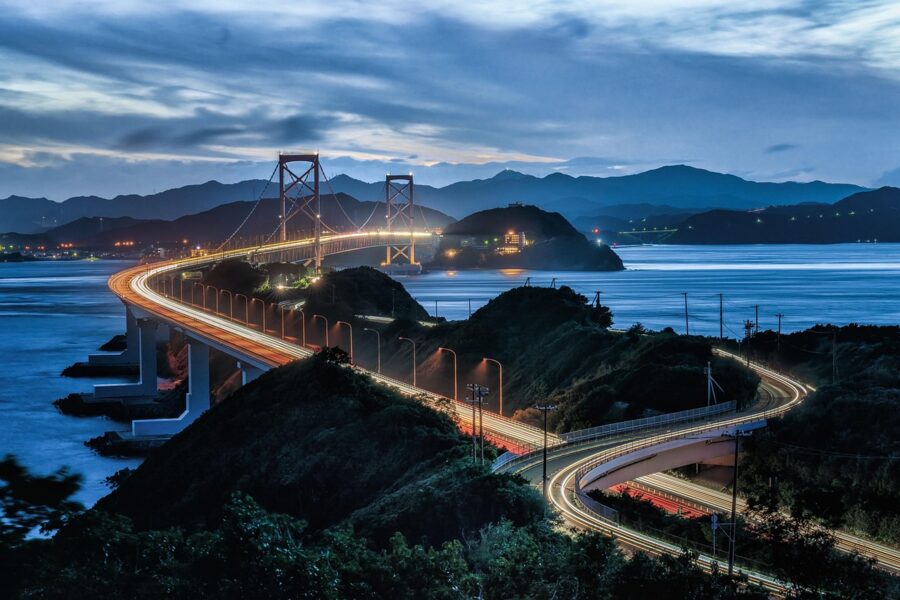
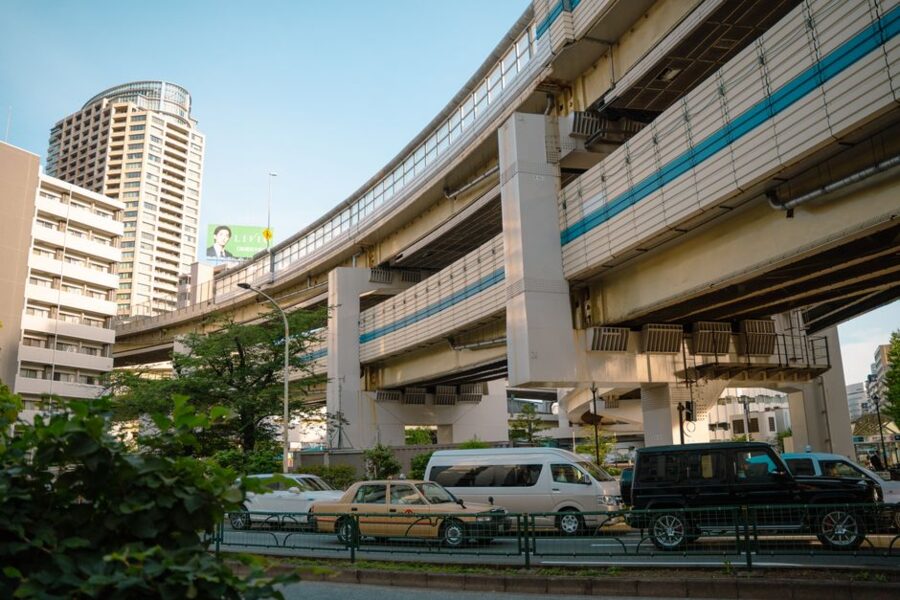
Tokyo and Kyoto are where I would not drive. Tokyo’s expressways run on stilts, tightly merged and tolled, hotel parking is costly, and the trains reach everywhere faster. Kyoto’s center has many narrow one-way streets crowded with buses, cyclists and pedestrians. Rent the car on the day you leave the city, not the day you arrive.
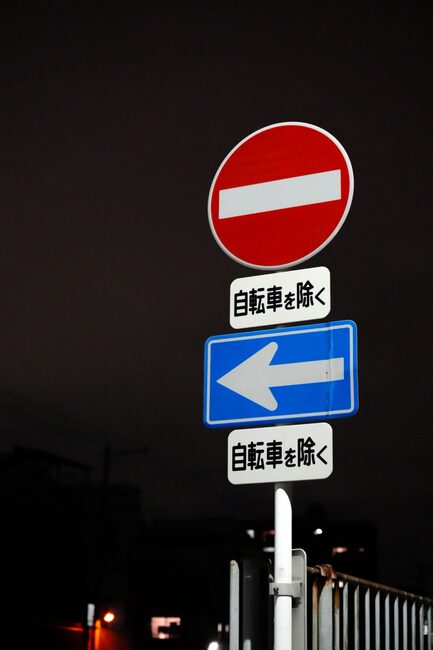
Before you board, open the permit and read the cover. If it says 1949, carry it with your license and passport, and learn 止まれ before you turn the key. The rest of the signs can wait until the first junction.