
In Japan a kimono goes on right over left only once in a life: on the body, for the funeral. Everyone else wraps the left side over the right, every time, and that single fold at the collar is the first thing to check when a rental shop in Kyoto turns you toward the mirror.
Key facts How to spot it
- Furisode 振袖
- Sleeves to the knee or lower, pattern everywhere
- Kurotomesode 黒留袖
- Black, pattern only below the waist, five crests
- Homongi 訪問着
- One picture flowing across the seams
- Iromuji 色無地
- One solid color
- Komon 小紋
- A small repeating pattern all over
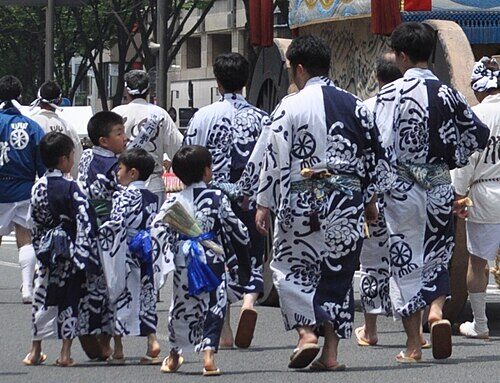
- Yukata 浴衣
- Cotton, no inner collar, bare feet in wooden sandals
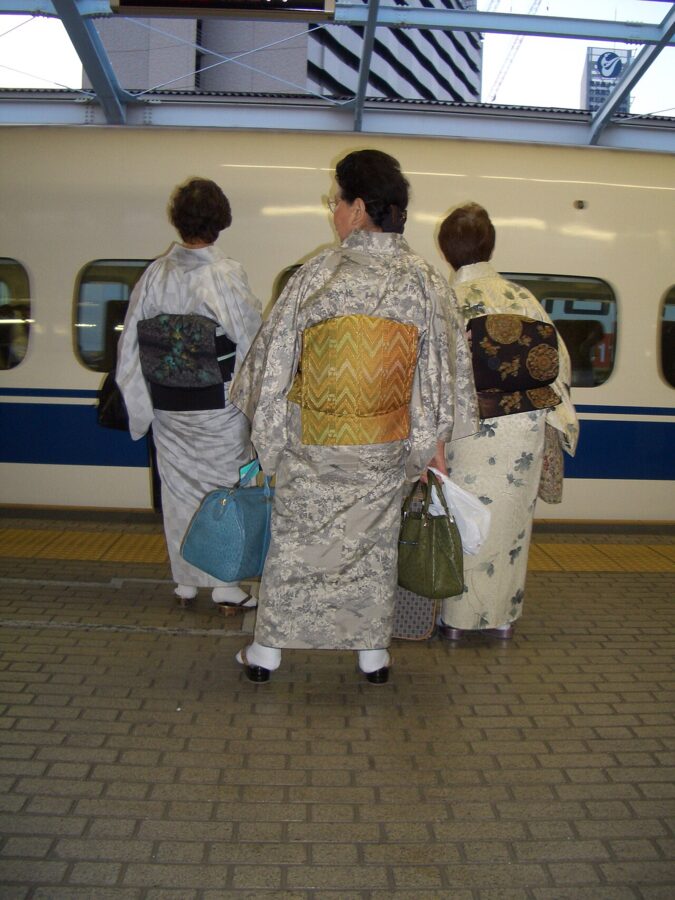
The rest is less mysterious than it looks. A kimono is one straight-cut robe made in a handful of kinds, each for an occasion. Learn to read the sleeves, the pattern and the sash and you’ll know, from across a station platform, roughly who is wearing what and why.
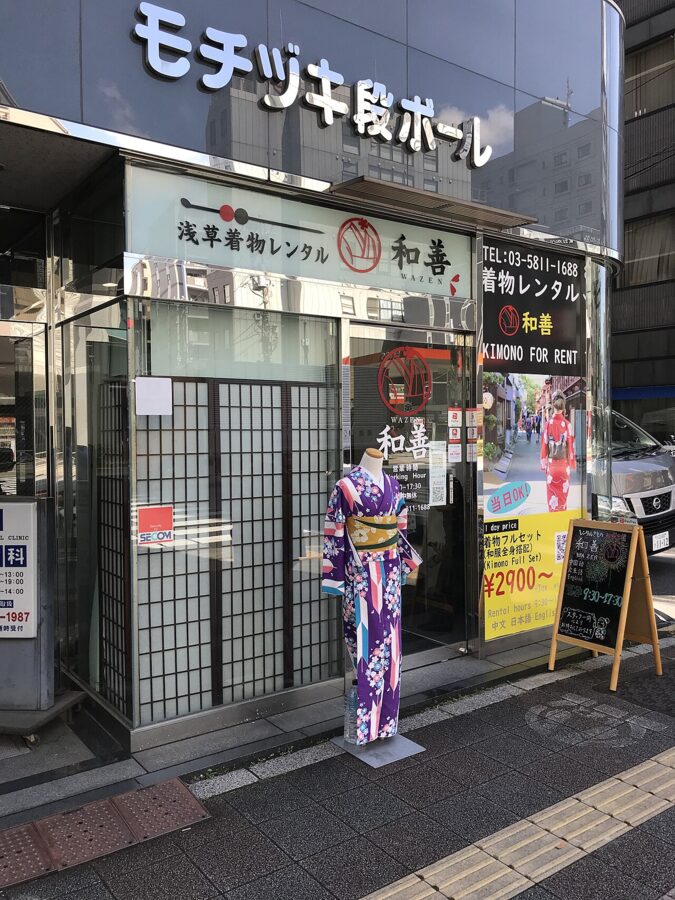
The word is plain. 着物 (kimono) is 着 (ki, from kiru, to wear) plus 物 (mono, thing): the thing you wear. Once Western dress arrived in the Meiji era, the old robe became “Japanese clothes”, 和服 (wafuku), a word you’ll still see on shop signs.
Most people in Japan now wear one a few times in their lives. The kimono retail market came to ¥203 billion (about US$1.3 billion) in 2025, down 4.2 percent, according to the Yano Research Institute’s kimono survey, and half the companies it polled said rental demand was rising. Visitors are a big part of that.

What a kimono is
A kimono is a T-shaped robe sewn from straight panels. The cloth comes as a narrow bolt, 反物 (tanmono), roughly 36 to 40 cm (14 to 16 in) wide and 11 to 13 m (36 to 43 ft) long, cut across into about eight rectangles. Nothing is cut to a curve, so a kimono laid flat is almost a cross.
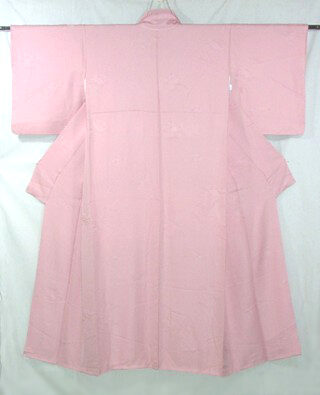

That’s why one kimono fits many bodies. The length is adjusted with a fold at the waist, おはしょり (ohashori), hidden under the sash, so a woman’s kimono is made about as long as she is tall. A kimono can even be unpicked, washed as flat panels and sewn up again, which is how good silk lasted generations.
Silk is the formal fabric; cotton, linen, wool and polyester are everyday ones. Most rental kimono are polyester, because it survives drizzle and street food. In the strict calendar still kept for tea ceremony, kimono are lined October through May, unlined in June and September, and sheer gauze in July and August.
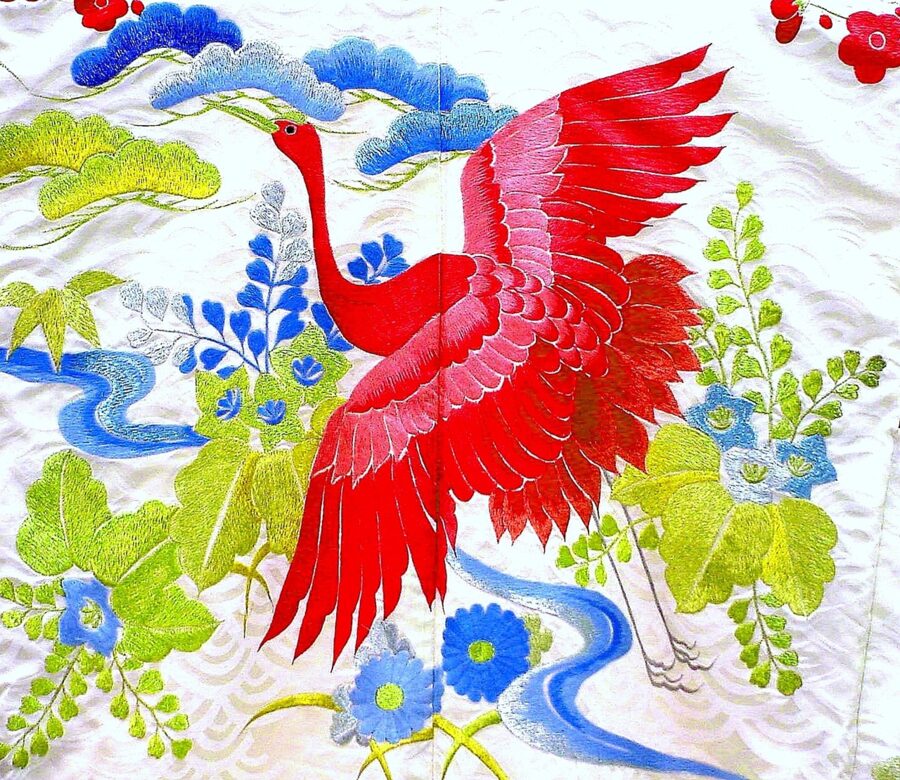
The main kinds, and how to tell them apart
Women’s kimono carry most of the rules, and three things sort them: sleeve length, where the pattern sits, and how many family crests, 紋 (mon), are on the back and shoulders. Five crests are the most formal, three a step down, one for semi-formal wear. Roughly from most formal to least:
| Kind | How to spot it | Who wears it, and when |
|---|---|---|
| Furisode 振袖 | Sleeves to the knee or lower, pattern everywhere | Young unmarried women: Coming of Age Day, weddings as guests |
| Kurotomesode 黒留袖 | Black, pattern only below the waist, five crests | Married women in the couple’s close family, at weddings |
| Homongi 訪問着 | One picture flowing across the seams | Wedding guests, parties, formal visits |
| Iromuji 色無地 | One solid color | Tea ceremony; with a crest, semi-formal events |
| Komon 小紋 | A small repeating pattern all over | Lunch, the theater, shopping |
| Yukata 浴衣 | Cotton, no inner collar, bare feet in wooden sandals | Summer festivals, fireworks, the inn after a bath |
Furisode: the swinging sleeves
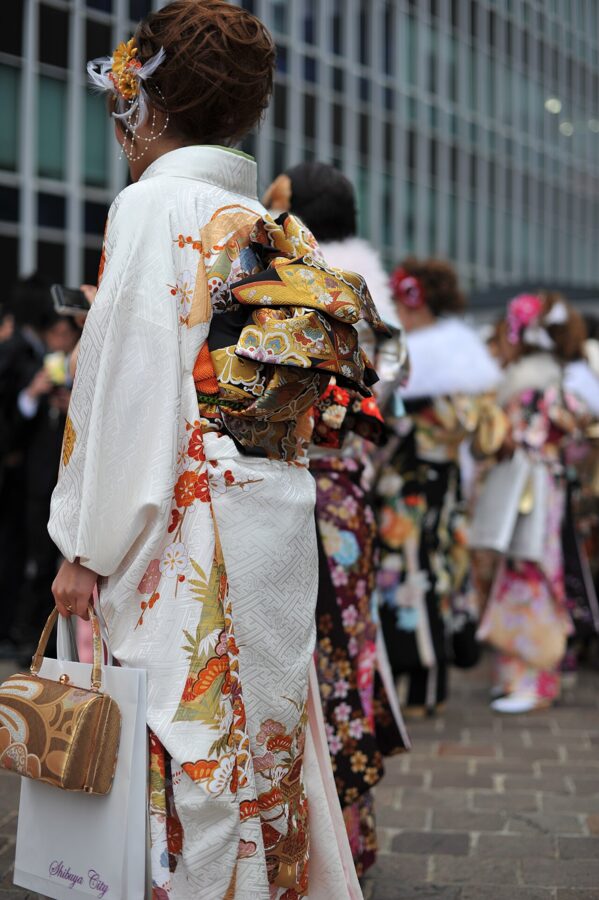
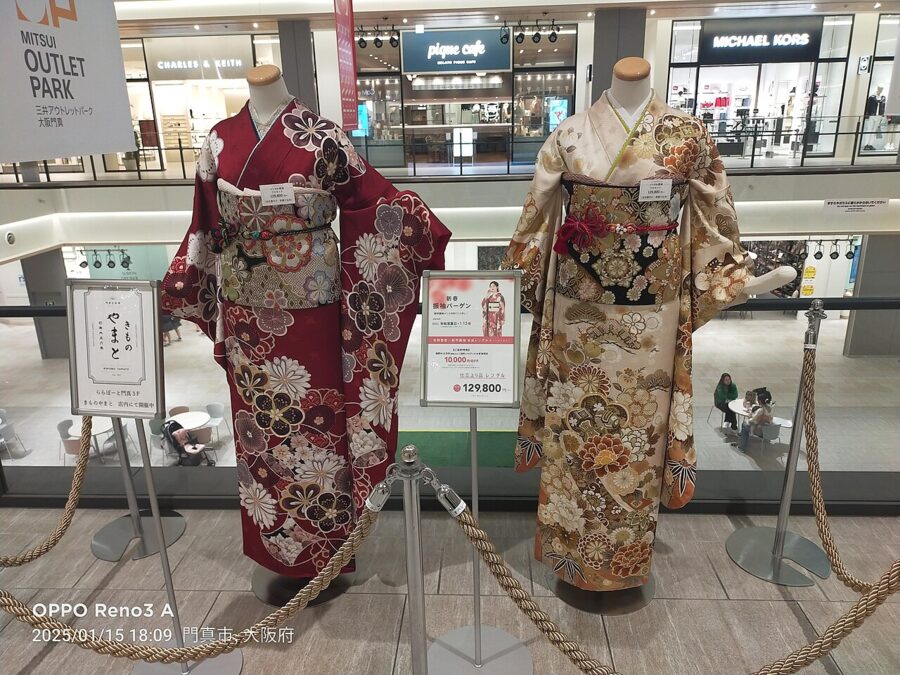
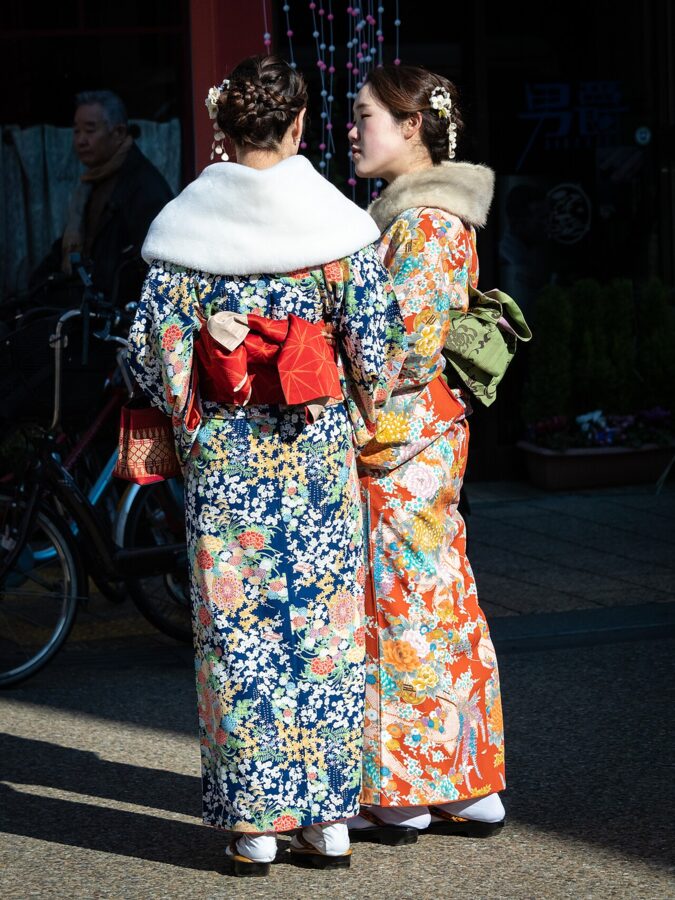
振袖 (furisode) means “swinging sleeves”, and the sleeves give it away, long enough to sweep the knee or the ankle. It’s the most formal kimono a young unmarried woman owns, worn above all on Coming of Age Day with a showy bow at the back.


Tomesode: black, crested, patterned at the hem
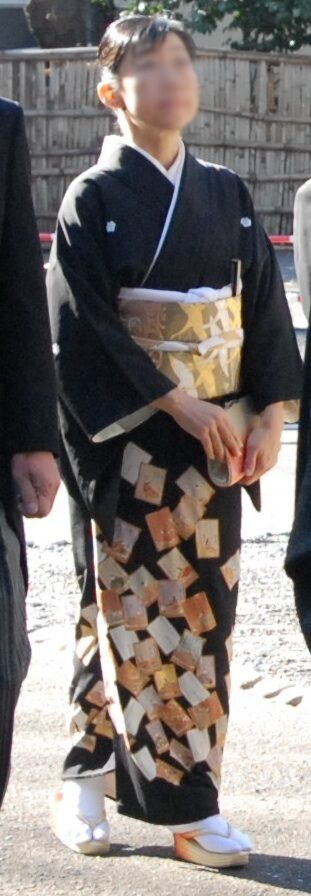
The 黒留袖 (kurotomesode) is the most formal kimono for a married woman: black, five white crests, and a pattern only below the waist. At a Japanese wedding it’s on the mothers and close aunts of the couple. A colored version, the irotomesode, suits formal events where black would read as family.
Funerals take a different black kimono, 喪服 (mofuku), plain, with five crests and a black obi.

Homongi: the wedding-guest kimono
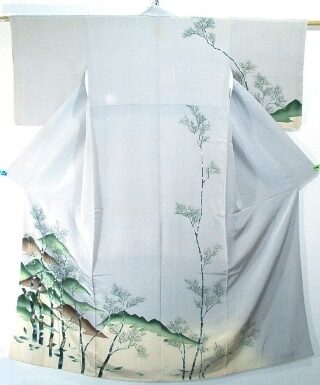
訪問着 (homongi) means “visiting wear”. Its tell is one painted picture flowing across the seams, over a shoulder and around the hem, because the design is drawn on the sewn-up kimono before dyeing. For a wedding guest, married or single, it’s the safe choice. The similar tsukesage is a step down, its motifs usually stopping at the seams.

Iromuji: one color, for tea
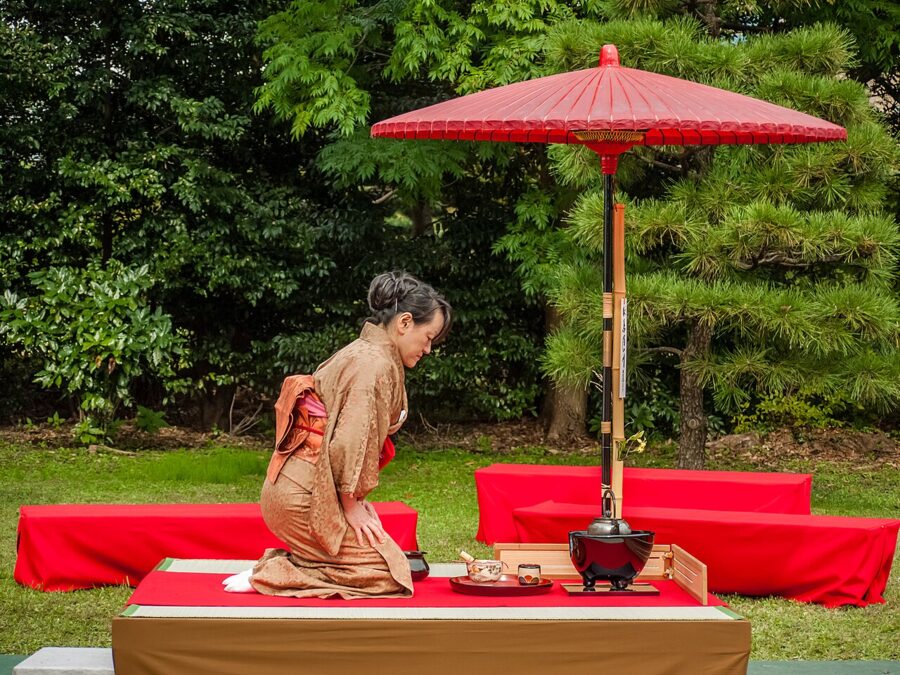
色無地 (iromuji) is a kimono in one dyed color, though the silk may carry a woven pattern you only see up close. It’s the tea-ceremony kimono, where nothing should pull the eye from the bowl.

Komon: the everyday kimono
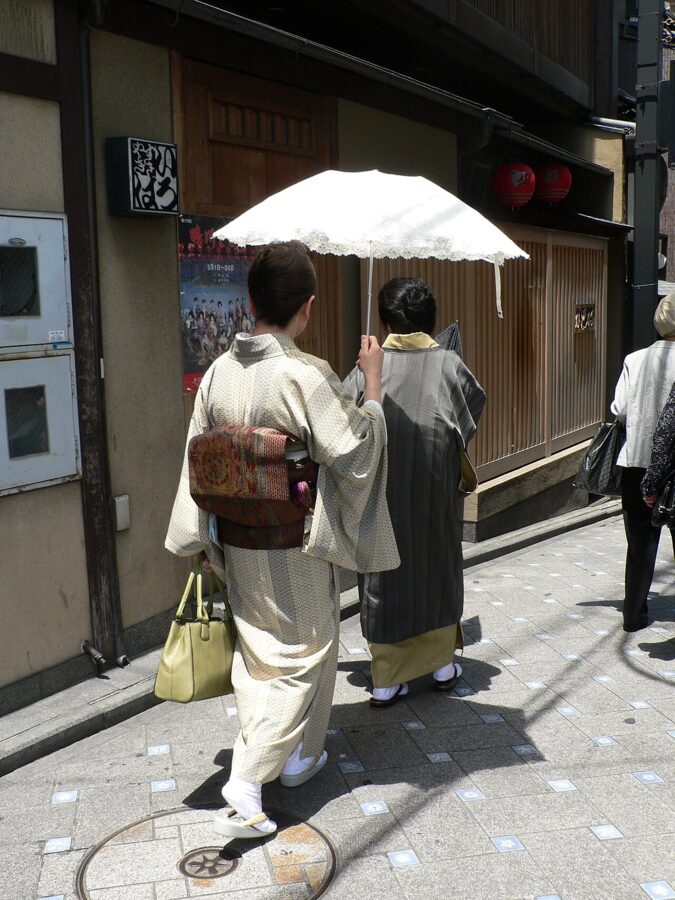
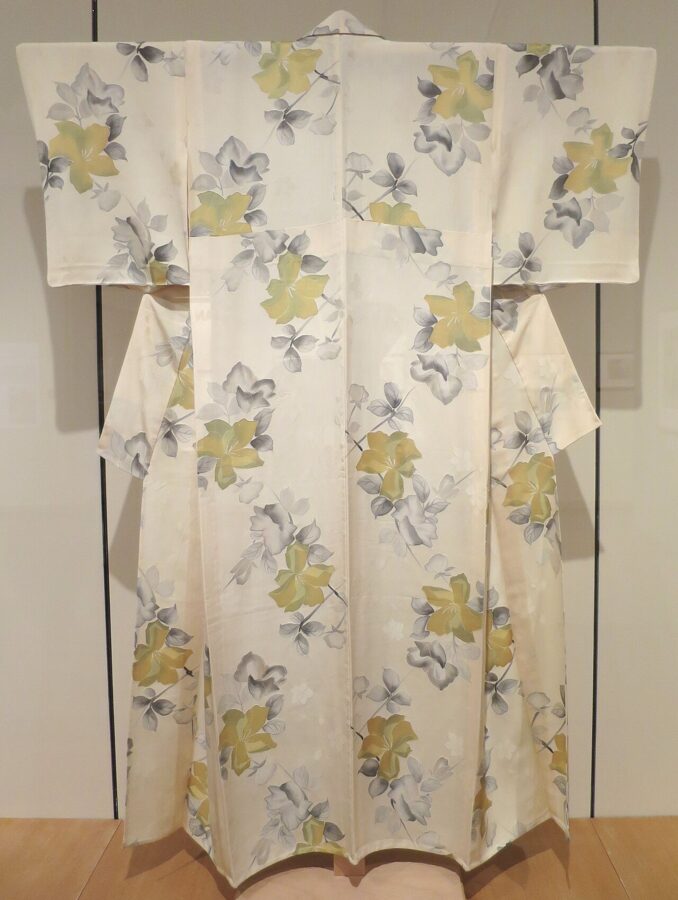
小紋 (komon) means “small pattern”, though the repeat can be large. It covers the whole kimono, there’s no crest, and before the war this was what women wore to go out. Most rental kimono are komon in spirit: bright, patterned all over, fine for walking around.

Yukata: the summer cotton
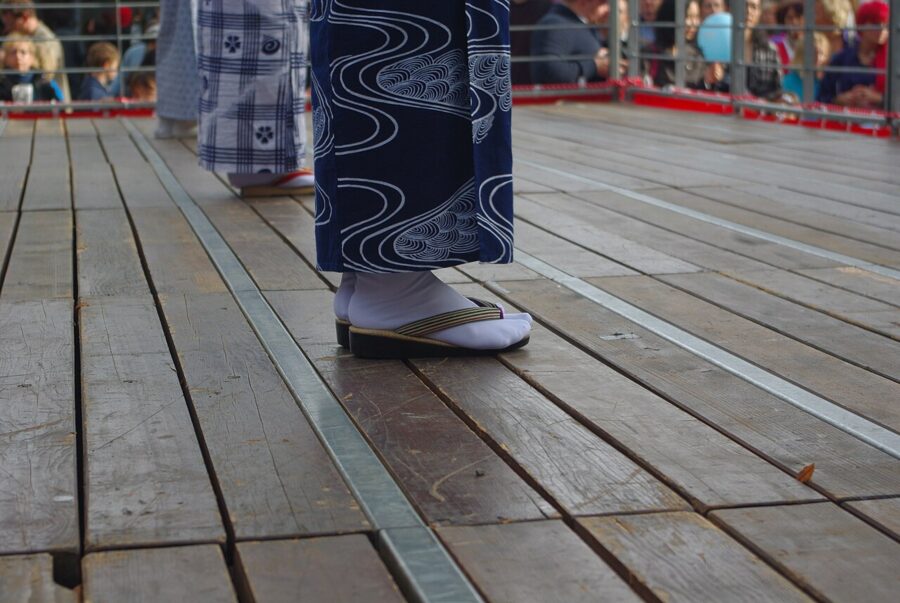
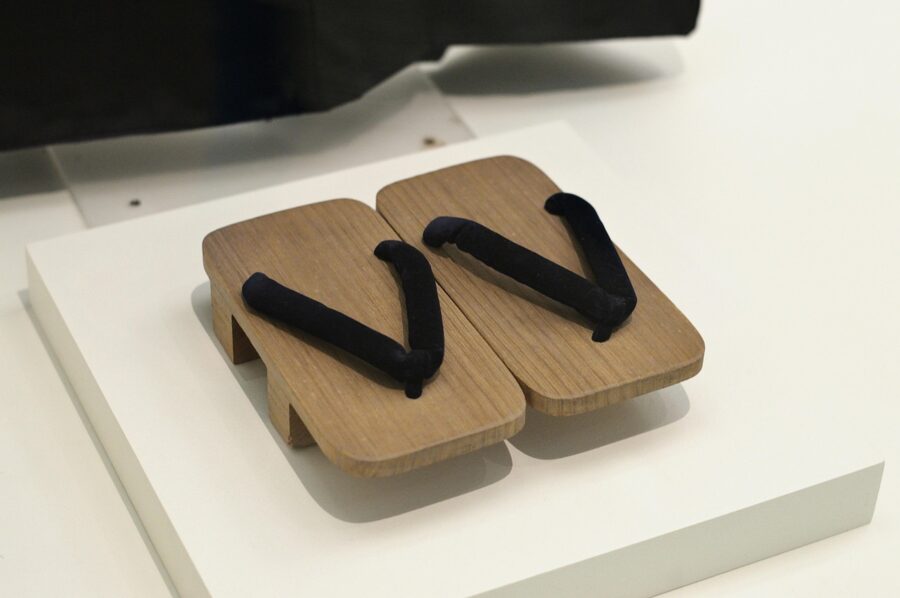
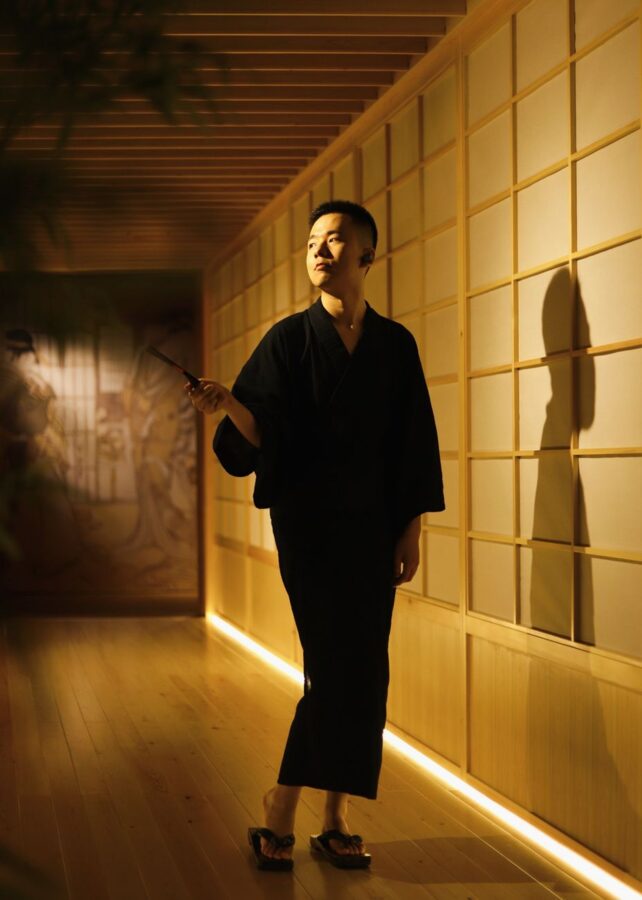
浴衣 (yukata) began as a robe worn in and after the bath, and it’s still the kimono of summer evenings: unlined cotton, worn without the white under-collar and with bare feet in wooden geta. That missing inner collar is the quickest way to tell a yukata from a kimono.

Men’s kimono
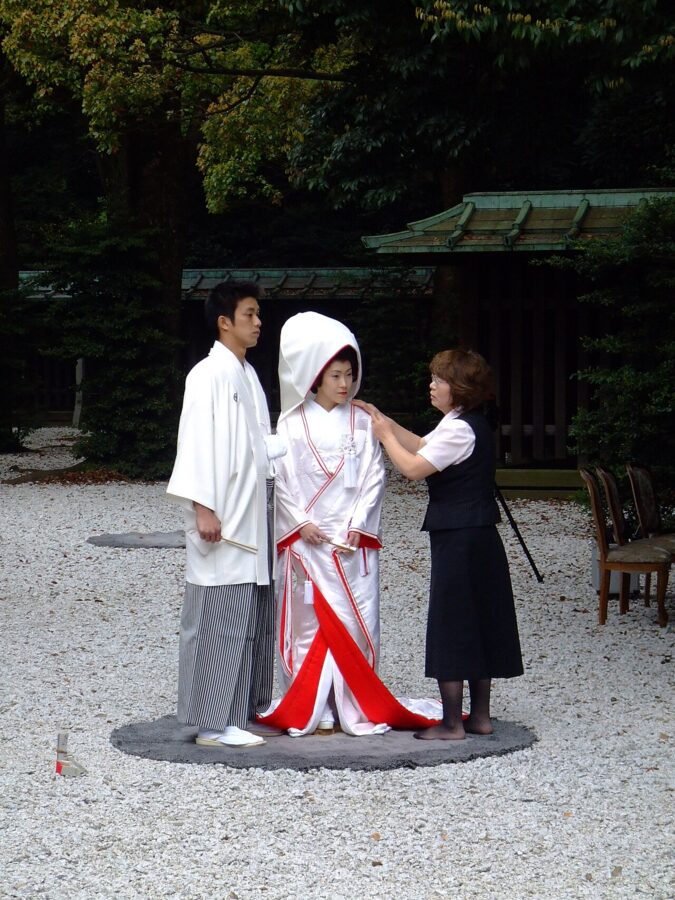
Men’s kimono are simpler: short sleeves, dark or muted colors, and formality built in layers. A kimono alone, 着流し (kinagashi), is casual. Add the jacket, 羽織 (haori), and pleated trousers, 袴 (hakama), and it’s formal. In black with five crests, that’s what the groom wears at a Shinto wedding.

The pieces, from the skin out
A formal outfit runs to a dozen or more parts, and a rental shop puts them all on you. First a thin under-layer, then the 長襦袢 (nagajuban), an under-kimono whose collar shows as a pale line inside the kimono’s own. Cords called koshihimo hold each layer, and a stiff board flattens the front of the sash.
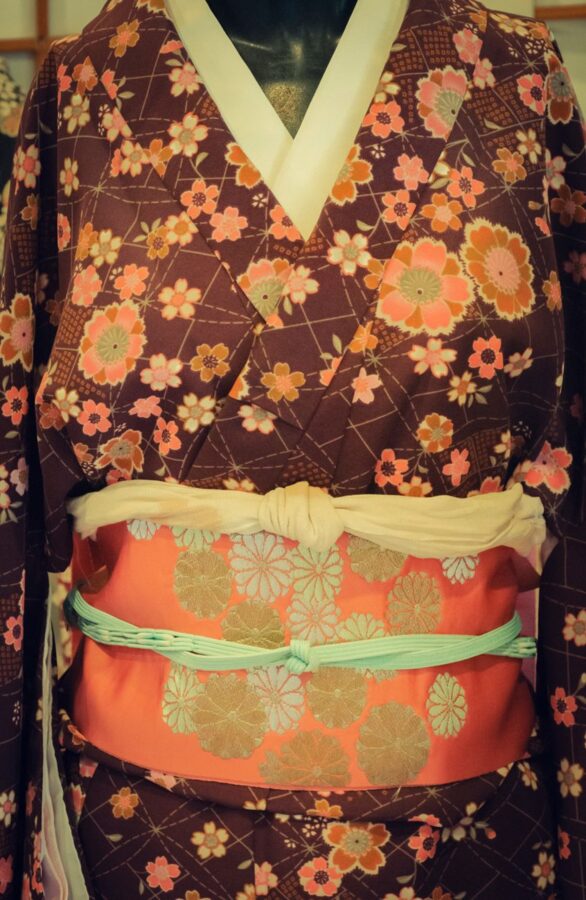
The 帯 (obi), the sash, does much of the talking. A fukuro obi, often woven with gold, goes with formal kimono. The everyday Nagoya obi, named for the city where it was devised in the early twentieth century, is tied in the flat 太鼓結び (taiko musubi), the drum knot. Yukata take a half-width obi tied in a bow.
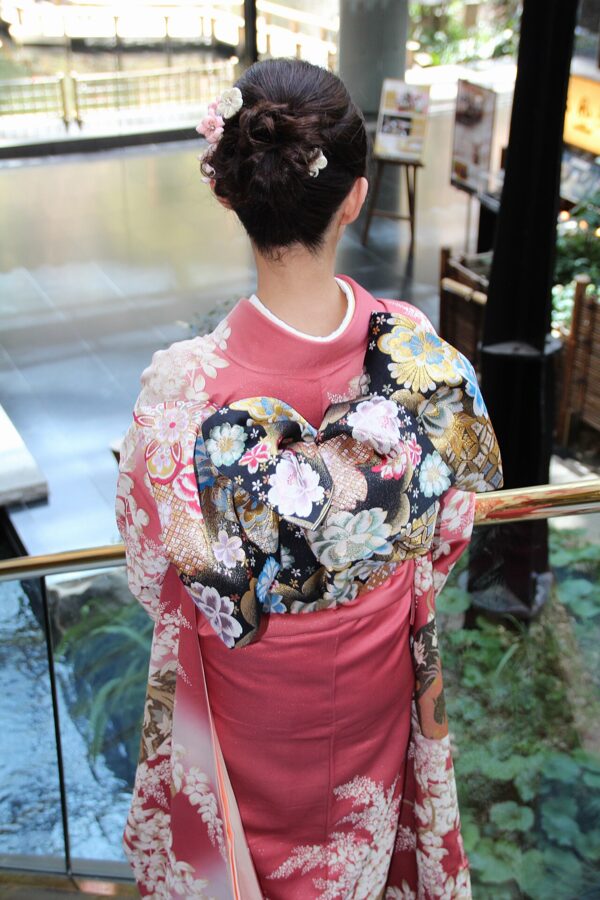

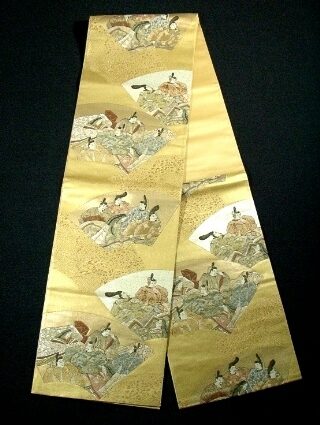

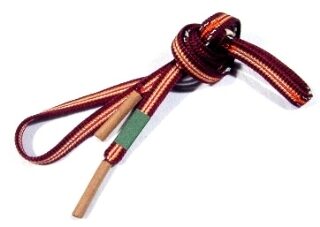
Two accessories finish the sash. The 帯揚げ (obiage) is a silk scarf tucked along its top edge. The 帯締め (obijime) is a braided cord tied around the middle, and it’s what holds the knot. Rental shops let you pick both, and a good pair does more for an outfit than the kimono’s color.

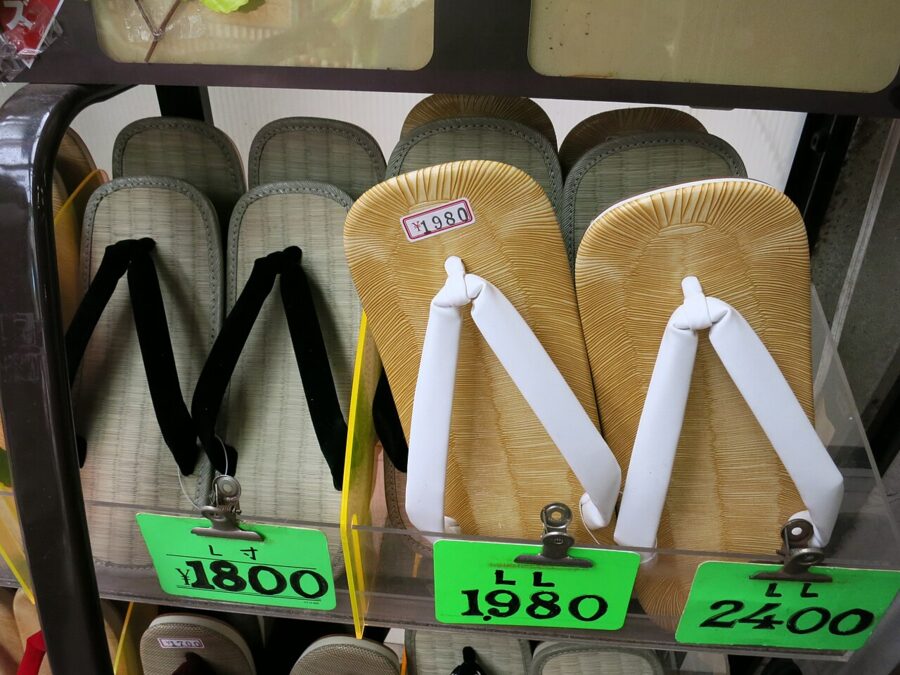
On the feet go 足袋 (tabi), split-toe socks, white for anything formal, with 草履 (zori), thonged sandals. A yukata takes 下駄 (geta), wooden clogs worn barefoot. Geta take practice, and nobody minds if you carry flat shoes in your bag.


Left over right, and the rule for the dead
Every kimono, yukata and robe wraps the same way. The wearer’s right panel goes on first, against the body, and the left goes over it, so facing someone you see the collar form a lowercase “y”. Men and women, wedding silk and hotel cotton: no exceptions.
The reverse is 左前 (hidarimae), and it’s how the dead are dressed for the coffin. Japanese dictionaries give the word a second meaning too: a business or family going downhill. The usual explanation is an old belief that the next world runs backward from this one.
The living rule is old and official: a court order of 719 told everyone, whatever their rank, to wrap left over right. It trips up visitors because Western women’s blouses button right over left, the funeral way. Rental staff will fix it, but in a hotel nobody will say a word, so check the mirror.
When people in Japan wear kimono now
Coming of Age Day, 成人の日 (Seijin no Hi), falls on the second Monday of January under the National Holidays Act, which makes it January 11 in 2027. Adulthood dropped from 20 to 18 in April 2022, but most cities still invite people the year they turn 20, often now as 二十歳のつどい (hatachi no tsudoi). The women come in furisode; most young men wear suits.

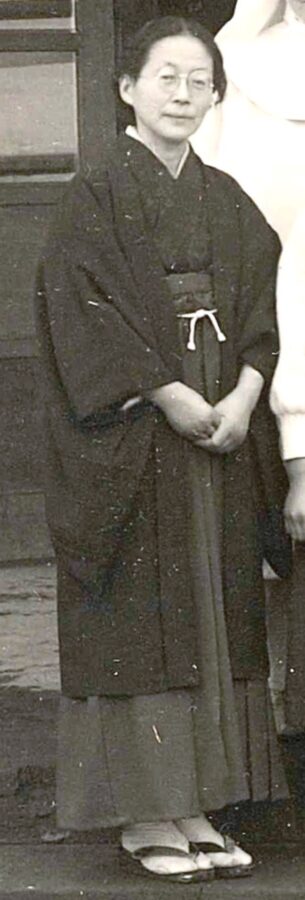
Weddings at a shrine still put the bride in white and the groom in black hakama. Graduations are the surprise: in March, women finishing university wear kimono with shorter sleeves over hakama, often with boots, borrowing the look of schoolgirls a century ago.
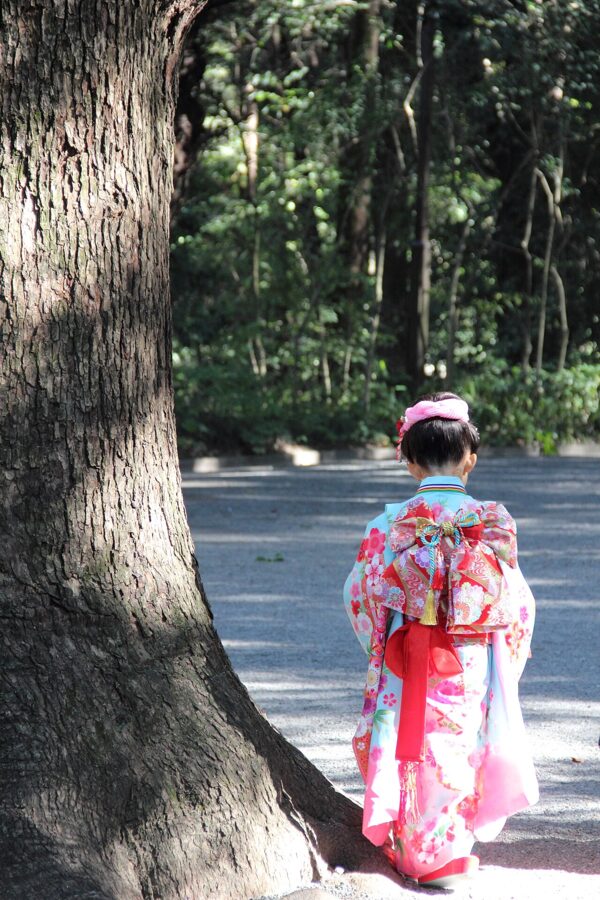
Shichi-Go-San, around November 15, takes girls of three and seven and boys of five to a Shinto shrine in kimono. At seven a girl once got her first proper obi in place of ties.

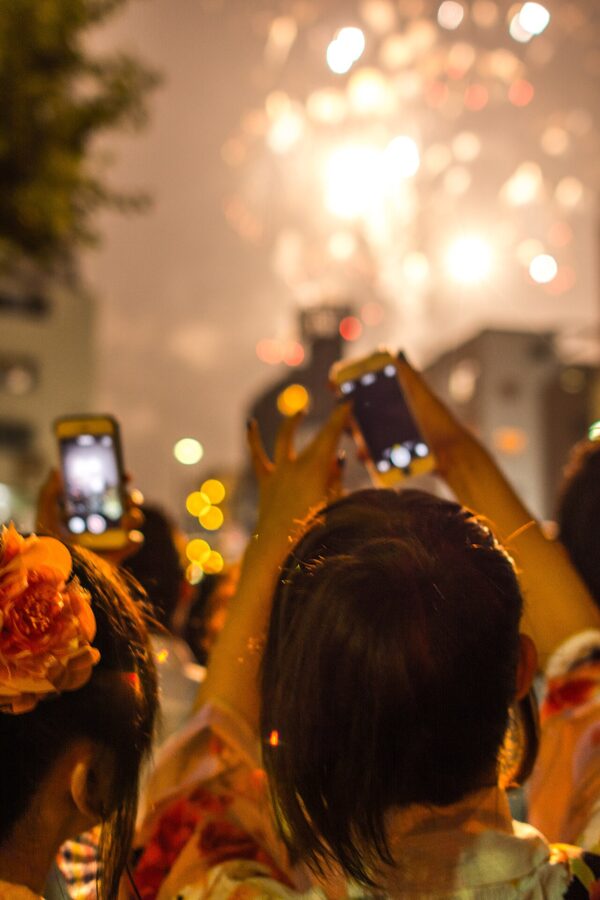
Summer brings out the most kimono of all, nearly all yukata: at fireworks, bon dances and shrine festivals. For kimono-watching, the best times to visit Japan are January, late July and November.

Renting a kimono as a visitor
Renting is the easy way in, and Japanese people do it too. You book a time online (essential in cherry-blossom and autumn-leaf season), pick a kimono, obi and small pieces from the racks, and a dresser, 着付け師 (kitsukeshi), puts it all on you in five to fifteen minutes. Your bag stays at the shop; you go out with a small drawstring bag.
Prices from two big chains, as of November 2026:
| Shop | Basic plan | Extras |
|---|---|---|
| VASARA (Asakusa, Kyoto Station and other branches) | From ¥3,400 (about US$22) with tax; graduation-style hakama from ¥16,390 (about US$105) | Simple hair set free; next-day return ¥2,200 (about US$14) |
| Rental Kimono Okamoto (Kiyomizu, Gion and other Kyoto shops) | Full outfit ¥4,980 (about US$32) plus tax | Hair from ¥500 (about US$3); next-day return ¥1,000 (about US$7), both plus tax |
An Okamoto full outfit covers kimono, obi, cords, under-layers, bag, socks and sandals, plus a haori or shawl in the cold months. VASARA opens its Asakusa shops 9 a.m. to 6 p.m. Most shops want the kimono back by late afternoon, usually between 4:30 and 6 p.m.
Kyoto: Higashiyama
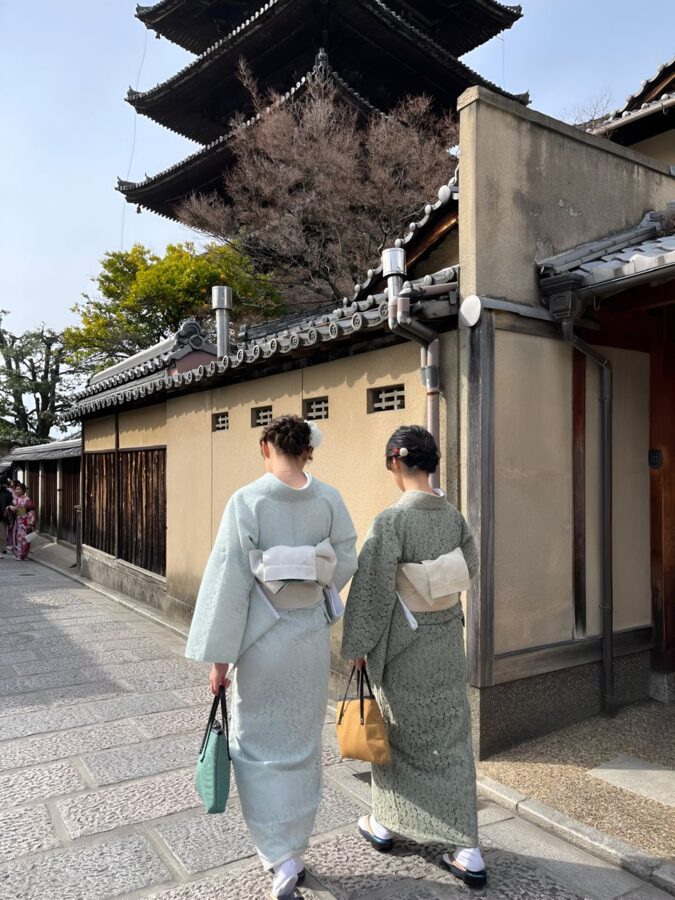
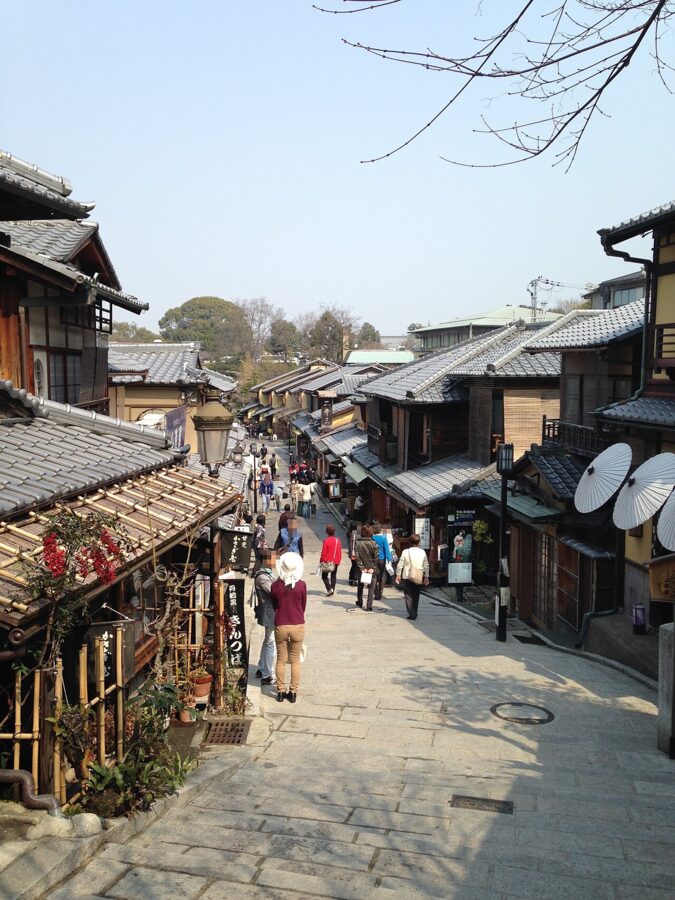
Kyoto’s rental shops cluster in Higashiyama, between Gion and Kiyomizu-dera, and the stone slopes of Ninenzaka and Sannenzaka are where most people walk. Go early: by late morning the slopes are packed. New to the city? Start with the places a first trip to Japan is built on.

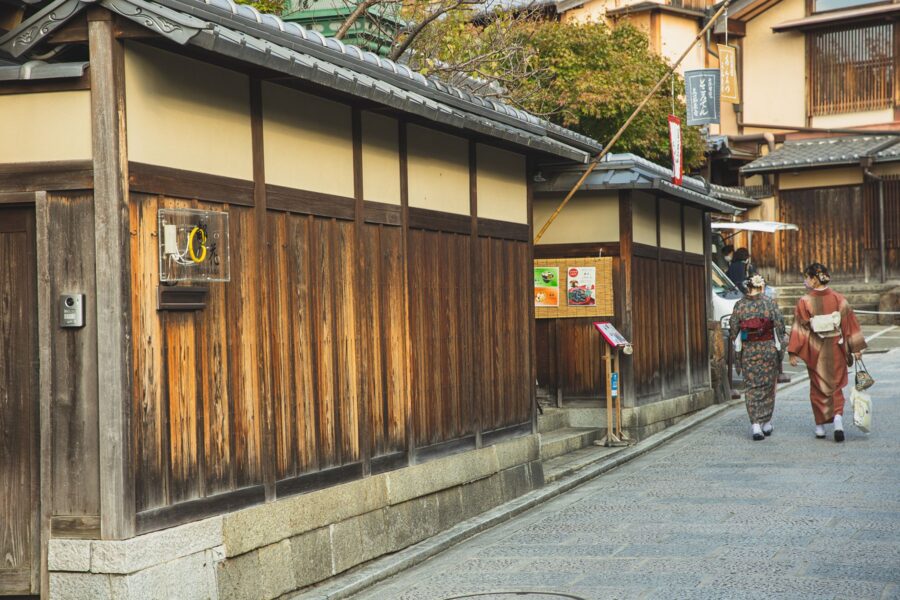
The geiko and maiko you might glimpse in Gion are working, in kimono no rental copies. Enjoy the sight; don’t follow them for a photo.
Tokyo: Asakusa
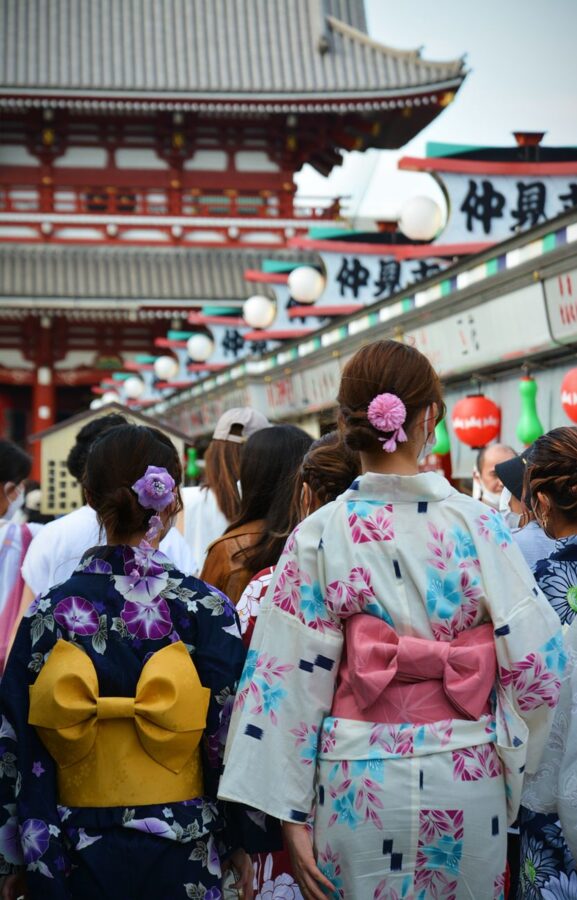
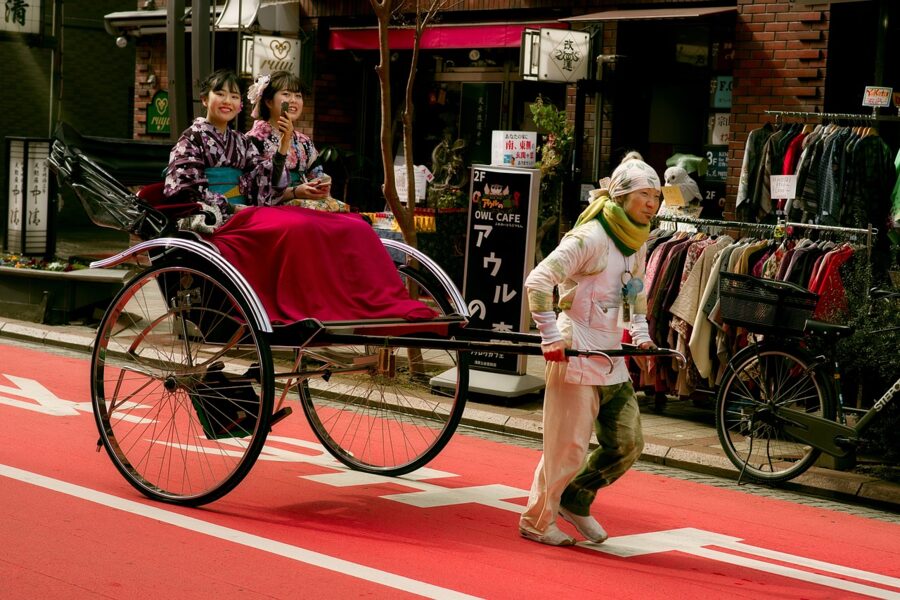
In Tokyo the shops crowd the streets around Senso-ji in Asakusa, and the walk is short: Kaminarimon gate, the Nakamise shopping street, the main hall and the pagoda. Rickshaw pullers wait near the gate.
Kanazawa: Higashi Chaya
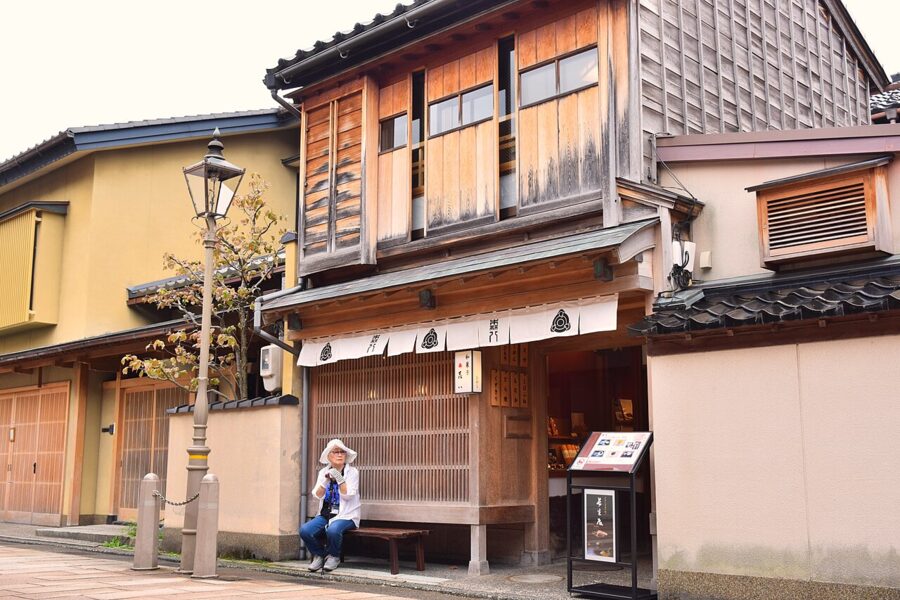
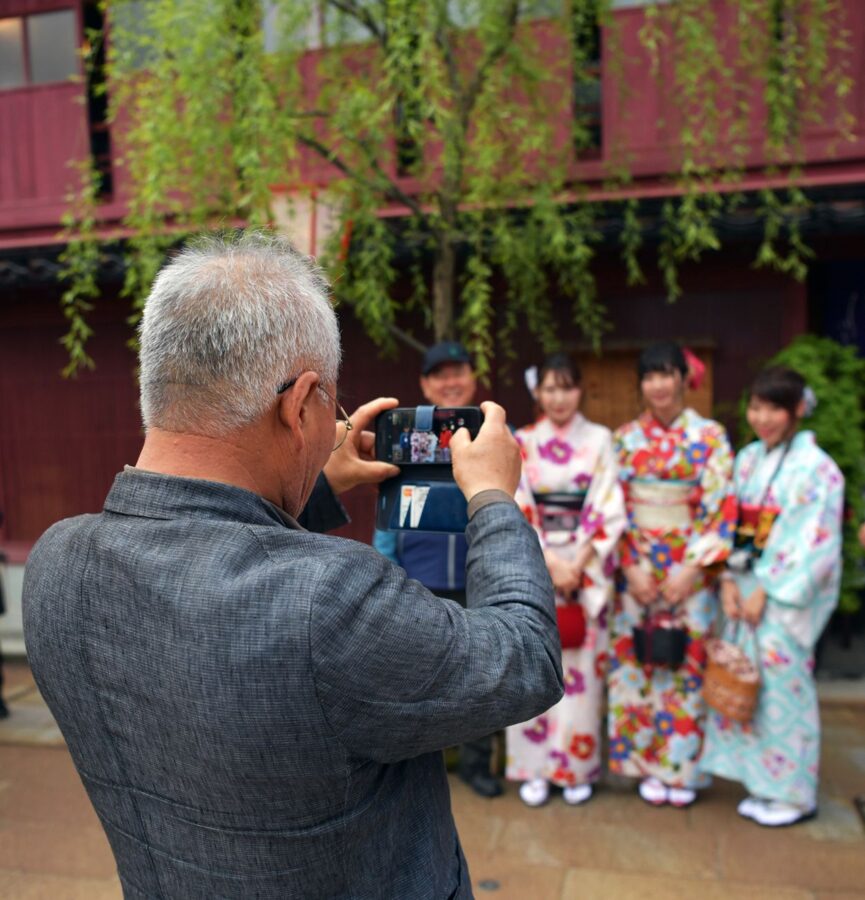
Kanazawa is the calmer choice. Shops near the Higashi Chaya district, the old teahouse quarter, rent kimono for a walk through its slatted wooden lanes. The city is also home to 加賀友禅 (Kaga yūzen), hand-painted dyeing known for realistic flowers and leaves, sometimes with painted worm holes.

The questions visitors ask
Is it all right for a foreigner to wear a kimono? Yes. Rental shops exist for exactly this, and the usual reaction is pleasure, sometimes a request for a photo. What draws criticism is treating kimono as a joke or a trademark: in 2019 the mayor of Kyoto wrote to Kim Kardashian asking her to drop “Kimono” as a shapewear brand name, and she renamed it.
What goes underneath? A thin, low-necked top and leggings. In winter, ask for a haori or shawl and wear thermals.
How do I walk and sit? Small steps, feet slightly turned in. On stairs, lift the front hem a little. Sit on the front edge of a chair to spare the obi.
And the toilet? Tuck the long sleeves into the obi first, then lift the layers one at a time. Skip eating while walking: snacks and Japanese sweets taste better on a bench, away from the silk.
The yukata at a ryokan or onsen
At a ryokan, the traditional inn, a folded cotton yukata waits in the room, with a padded jacket, 丹前 (tanzen), in cold months. It’s your clothing for the stay: the bath, dinner, breakfast and bed. Wear underwear beneath it, and ask the front desk if it’s too short.
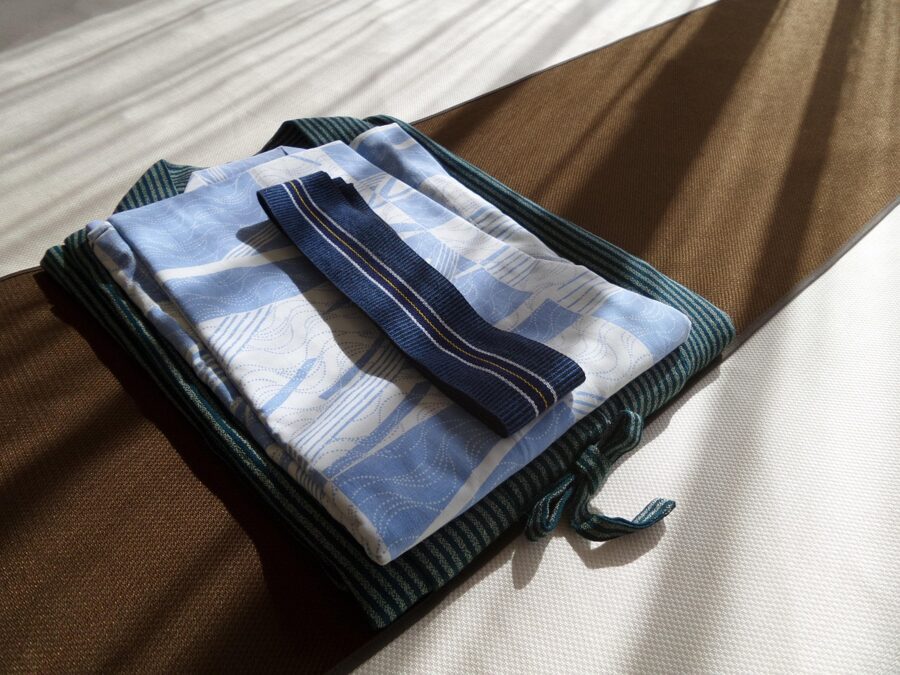
The rules are the usual ones. Left over right. Men tie the obi low on the hips, women a little higher at the waist. The yukata belongs to the inn, so leave it behind.
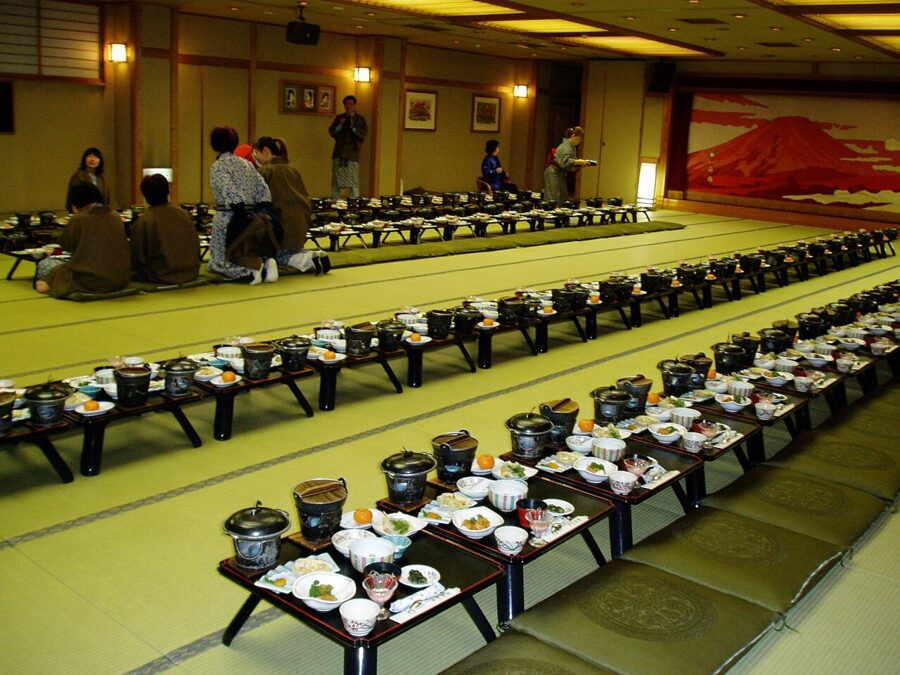

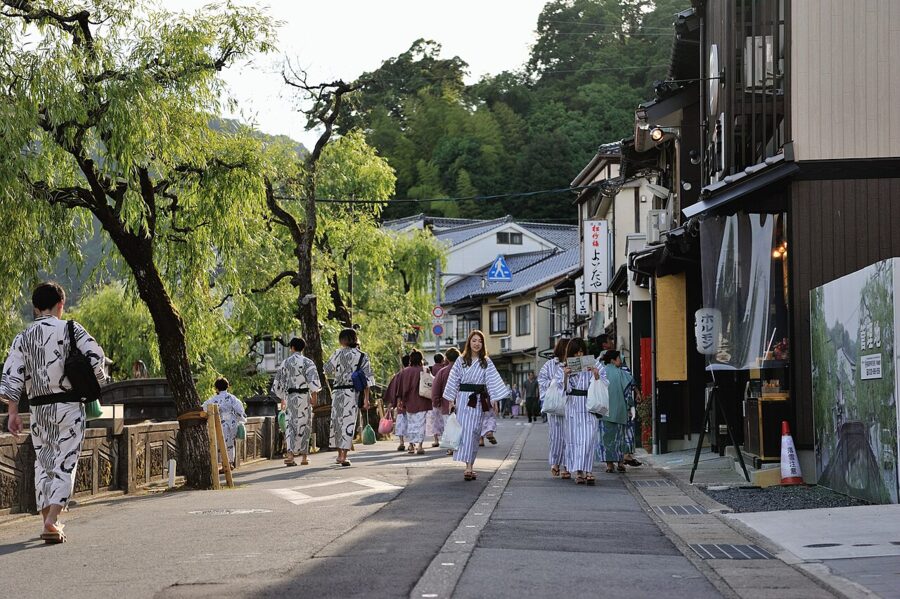
In an onsen town the yukata goes outside too. In Kinosaki guests walk between public bathhouses in yukata and geta, perhaps stopping at an izakaya on the way back. A city business hotel is different: its robe is pajamas, and signs often ask you not to wear it to the lobby.

Buying one second-hand
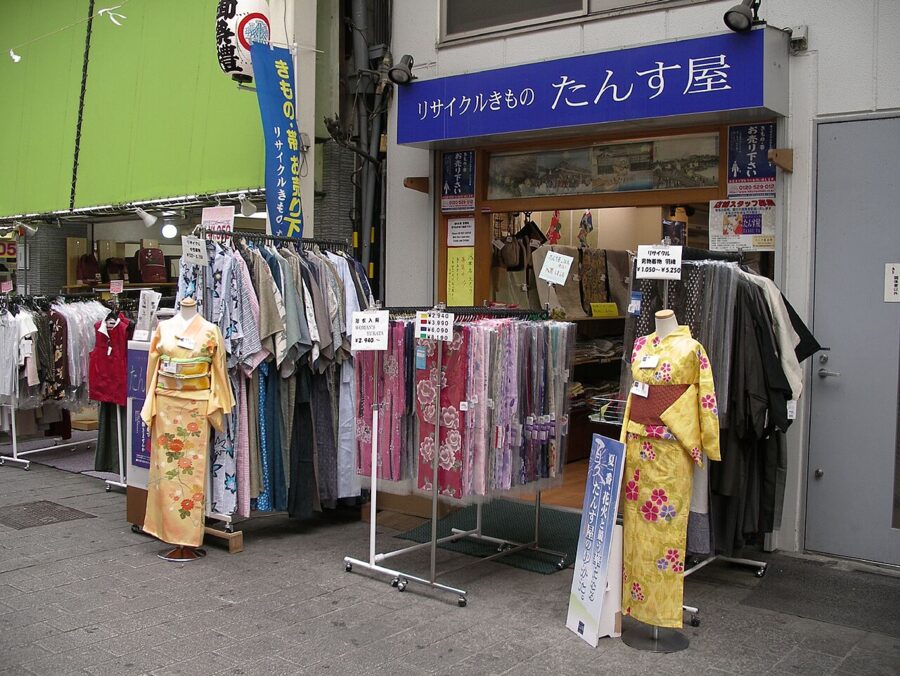
A new silk kimono made to measure is a serious purchase. A used one costs a small fraction of that, and since the shape never changes, nothing dates. Used-kimono shops call themselves リサイクル着物 (risaikuru kimono), “recycled kimono”; the Tansuya chain has several in Asakusa.

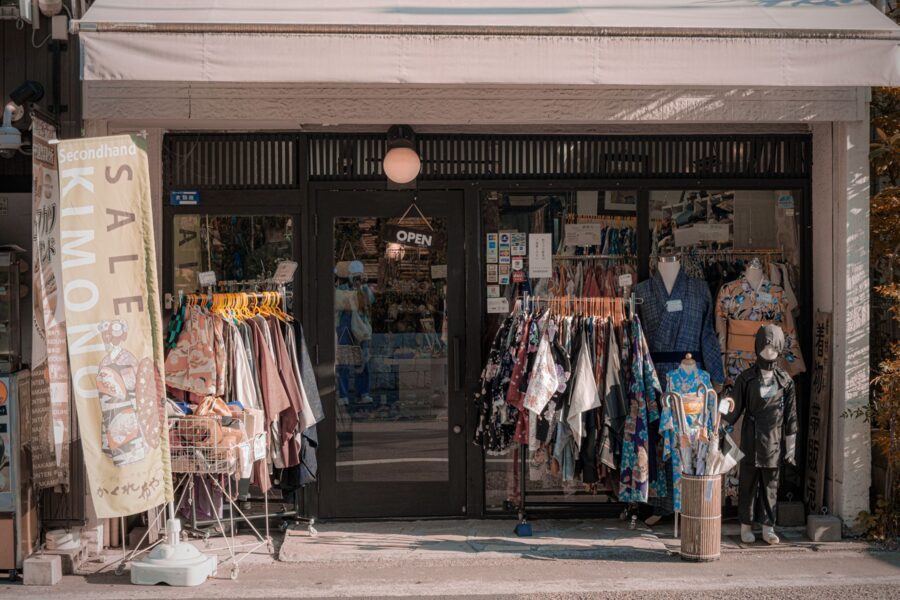
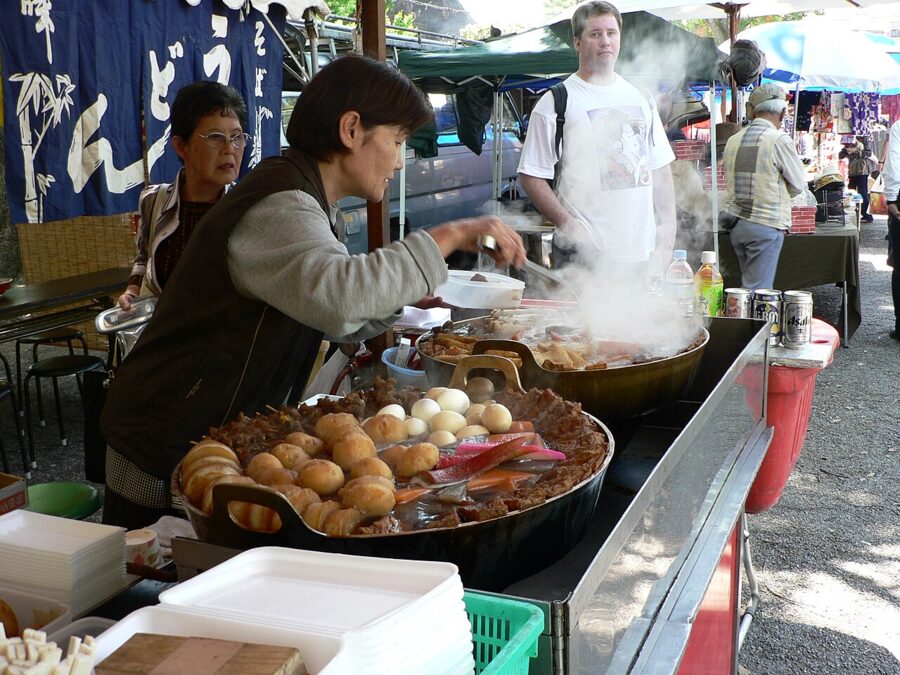
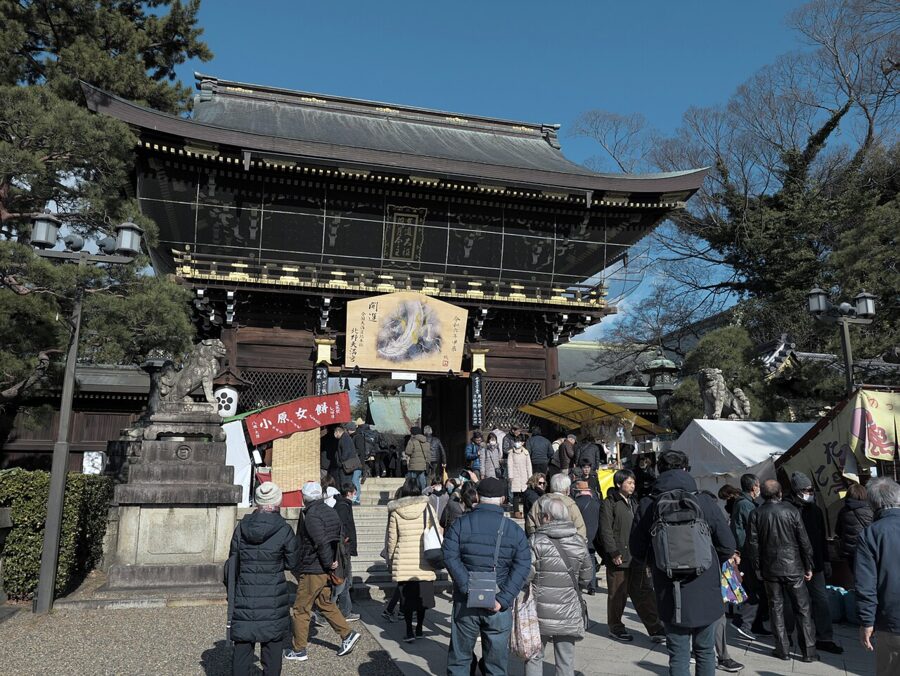
Kyoto’s two monthly markets are the other hunting ground. Kobo-san at To-ji fills the temple grounds on the 21st, and Tenjin-san at Kitano Tenmangu fills the shrine approach on the 25th, with about a thousand stalls in January and December. Used kimono and obi sit beside pottery and food. Come in the morning with cash (see Japanese money).


Check the sleeve before you pay. Vintage kimono were made for shorter people, and the measure that matters is the yuki, center back to wrist. Haori jackets are the easy buy: they fit more bodies and look good over jeans. Check the underarms and hem for stains, and smell the silk; storage damp doesn’t wash out.
Where to see kimono worn well
The best kimono you’ll see aren’t on rental racks. Around any city hall on Coming of Age Day, furisode fill the streets. On November weekends, big shrines fill with children in Shichi-Go-San kimono. A tea gathering in a Japanese garden shows how quiet a good kimono can be.
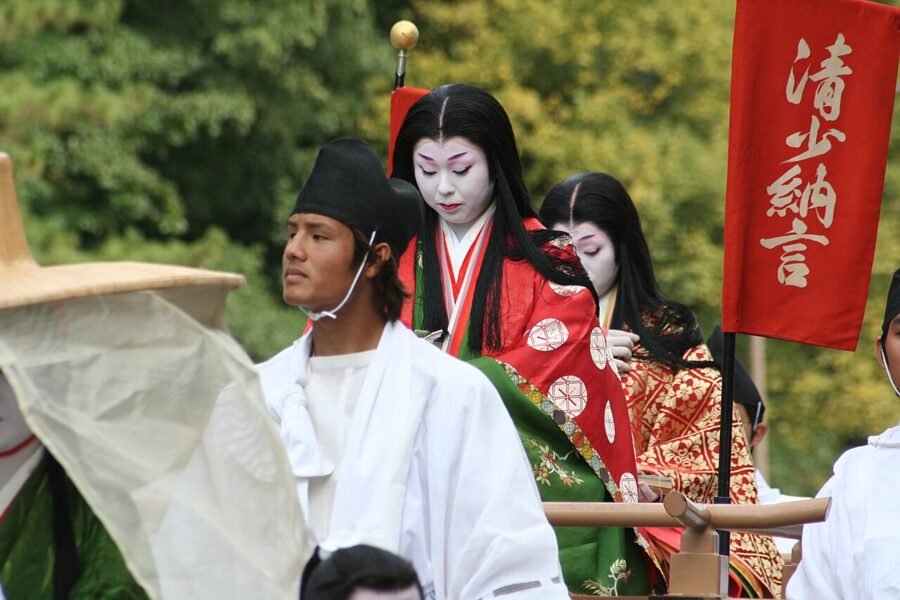
In Kyoto, the Miyako Odori, danced by the geiko and maiko of Gion Kobu every April, puts a stage of matching kimono under the lights. On October 22 the Jidai Matsuri walks a thousand years of Japanese dress, Heian court robes first, from the Imperial Palace to Heian Shrine.
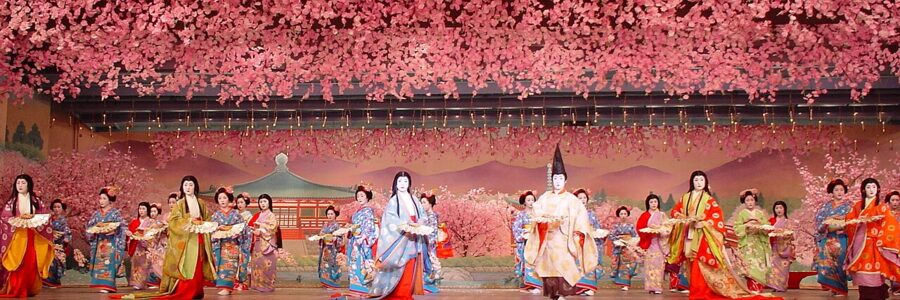


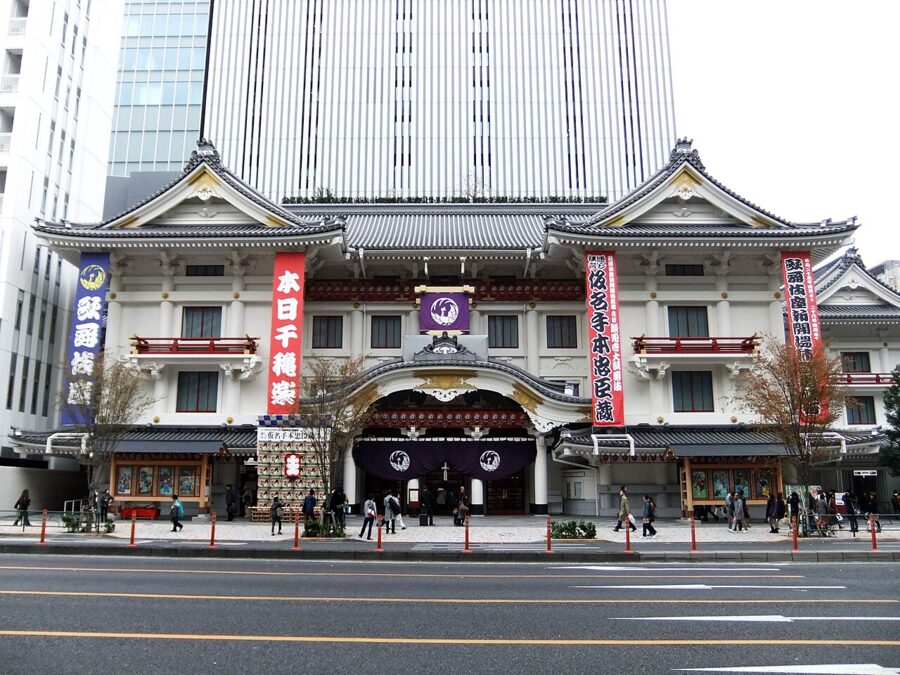
In Tokyo, go to the Kabuki-za in Ginza. Some of the audience come in their best kimono, especially at New Year, and the lobby at intermission is as good a show as the stage.
Wherever you see one, look at the collar first. Left over right means a living person, dressed with care, and once you’ve worn a kimono yourself you’ll find yourself checking every collar you pass.