

A small dish will land on your table in an izakaya before you have ordered anything: a few pickles, some simmered vegetables, a spoonful of potato salad. It is not a mistake and it is not free. It is the otōshi (お通し), it goes on the bill for every person at the table, and it is the first of a handful of customs that make a Japanese pub evening easy once you know them.
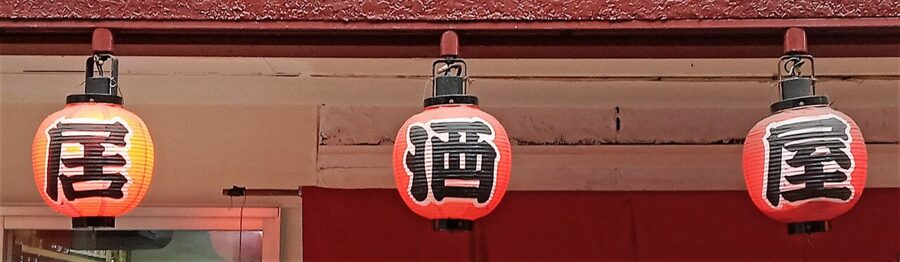
An izakaya (居酒屋) is a place to drink where the food matters as much as the glass. Groups share small plates, order in rounds and stay two or three hours. For a visitor it is the cheapest way to try twenty Japanese dishes in one night, and I would go to one on your first evening.

What follows runs from the door to the bill: the words on the menu, what to order, how the drinks come, the etiquette that matters, and the two laws, on age and on driving, that Japan enforces without exception.
What an izakaya is
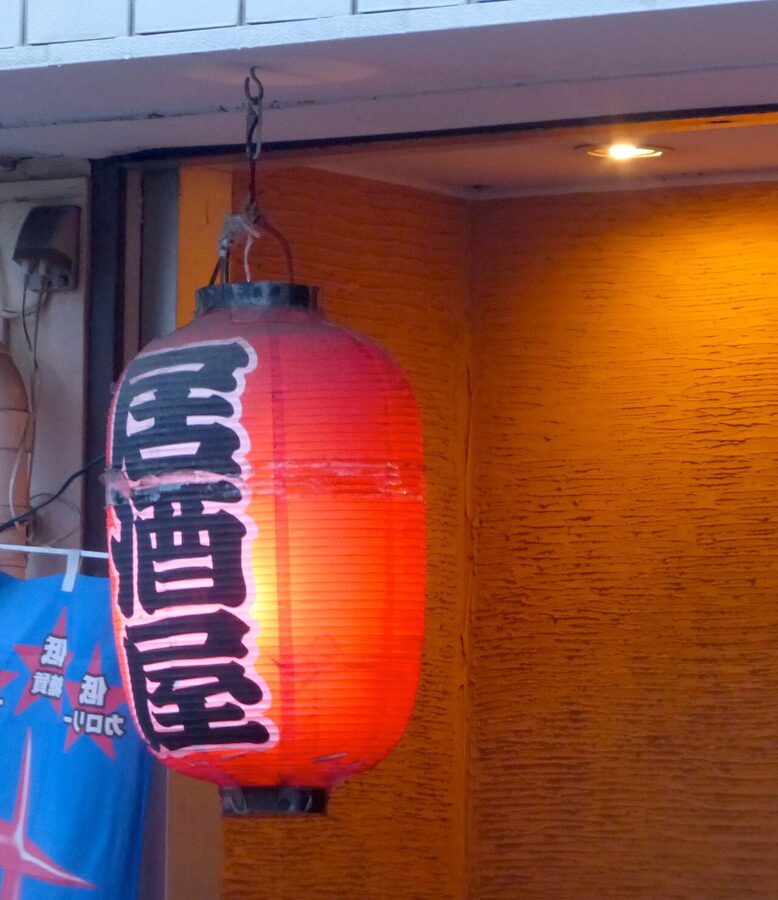
The name explains the place. A sakaya (酒屋) is a sake shop, and i (居) means to stay. Dictionaries trace the word to izake (居酒), drinking at the sake shop instead of carrying the sake home. Shops selling by the cup added simple food, and by the 1730s Edo had cheap drinking shops serving barrel sake with grilled tofu.
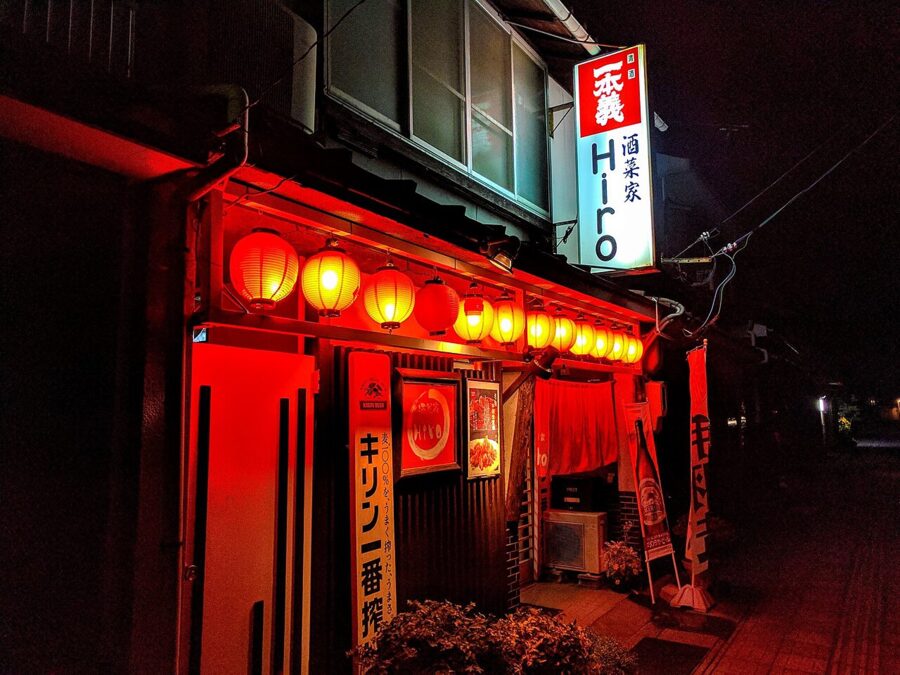
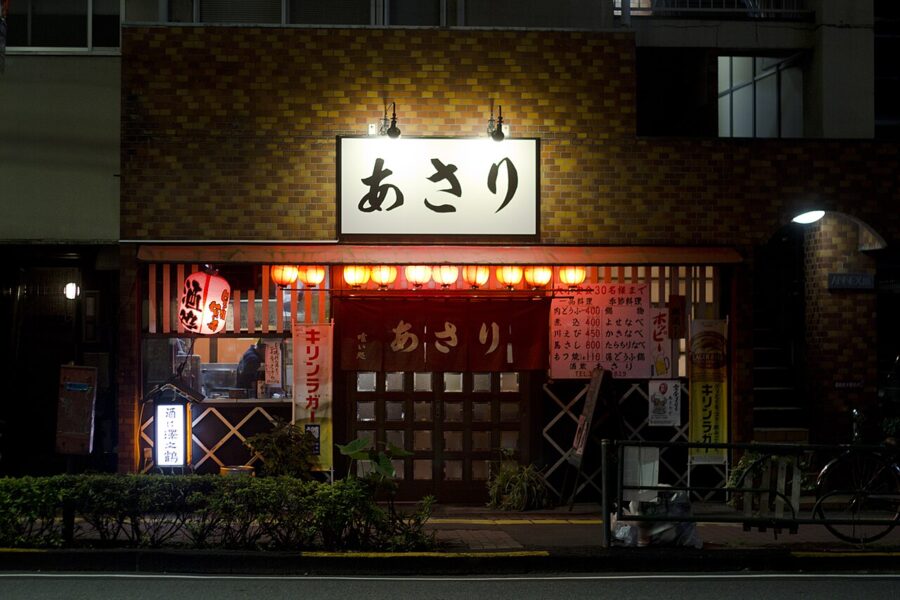
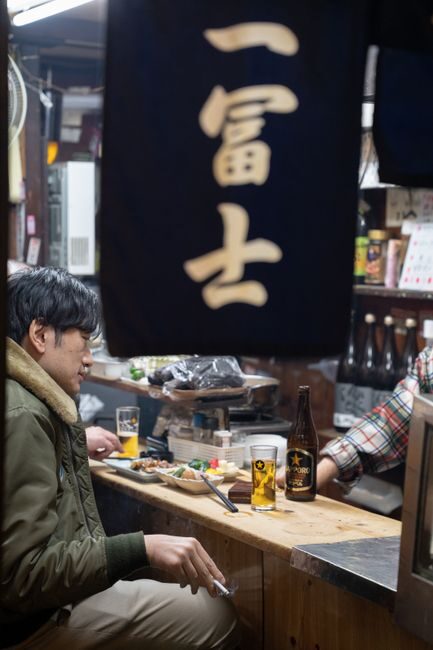
Two old signs still mark them. The 赤提灯 (akachōchin, red lantern) hangs outside, and “red lantern” is still slang for a cheap, friendly drinking place. The other is the 縄暖簾 (nawa-noren), a curtain of knotted rope in the doorway, first hung to keep flies out. Most places now use a cloth noren (暖簾) with the shop’s name, and the rule is the same: if it is hanging, they are open.

Izakaya, bar or restaurant?
An izakaya is not a Western bar. You are expected to eat and to sit; a Japanese バー (bā) is usually a cocktail or whisky bar with a seat charge. Nor is it a restaurant with one main course each: everything is for sharing, and the drinks come first.
Three relatives are worth knowing. A 立ち飲み (tachinomi) is a standing bar: a counter, low prices, often no otōshi, one or two drinks on the way home. A 大衆酒場 (taishū sakaba) is an older, plainer izakaya with handwritten menus on the wall. For the formal Japanese meal, the words are 割烹 (kappō), counter dining, and 料亭 (ryōtei), the private-room restaurants where a geisha evening might happen.
How an evening works, step by step
At the door
Staff call out irasshaimase (いらっしゃいませ, welcome) as you walk in, often the whole kitchen at once, and nobody expects a reply. Hold up fingers for your group when you hear nanmei-sama desu ka (何名様ですか, how many?). If it is full they will say so, or point to a list by the door for your name.
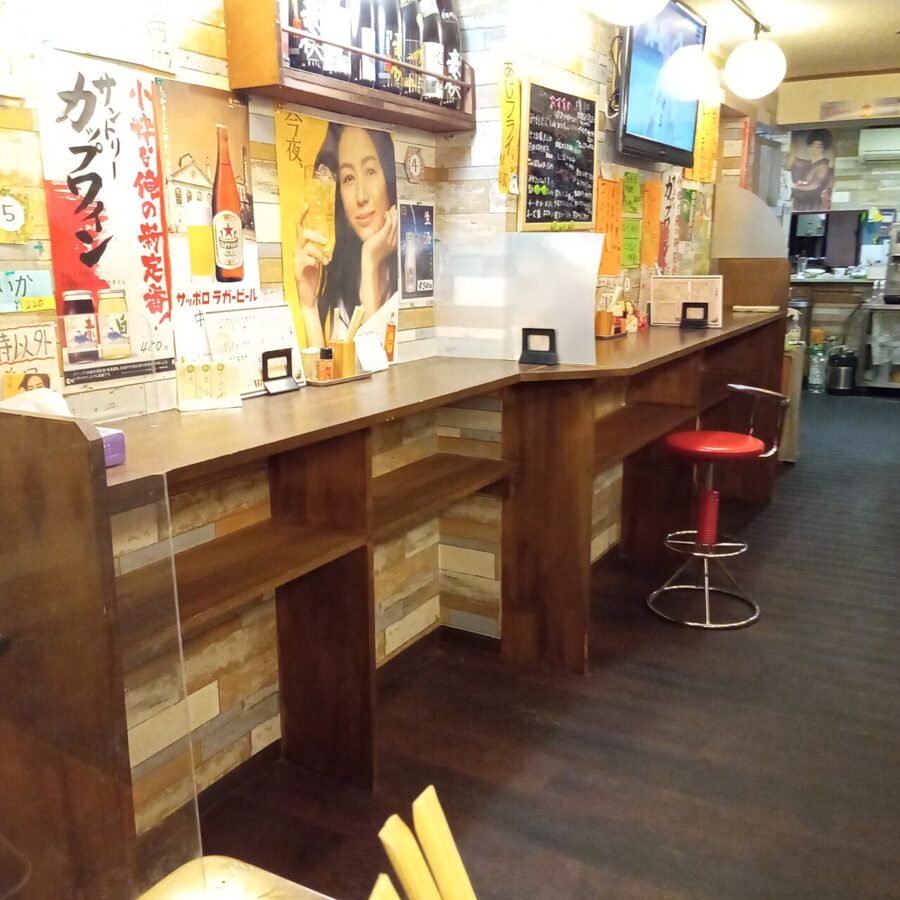
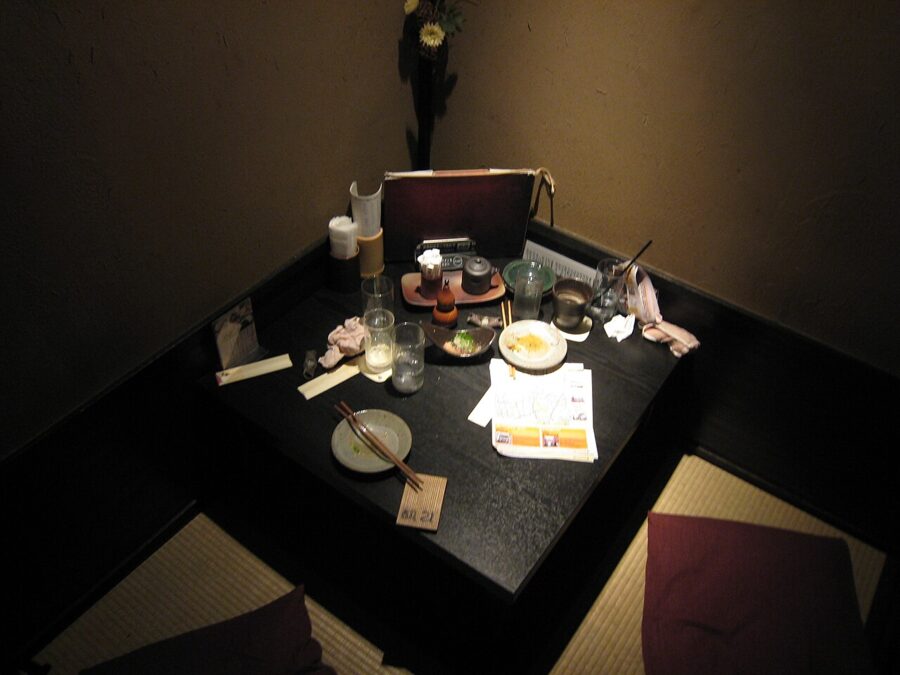
You may sit at the counter, at a table, in a private booth, or in a 座敷 (zashiki), a raised tatami room where shoes come off at the step. A 掘りごたつ (horigotatsu) has a pit under the table, so your legs hang down. If you see shoes lined up, take yours off too.
The towel and the otōshi
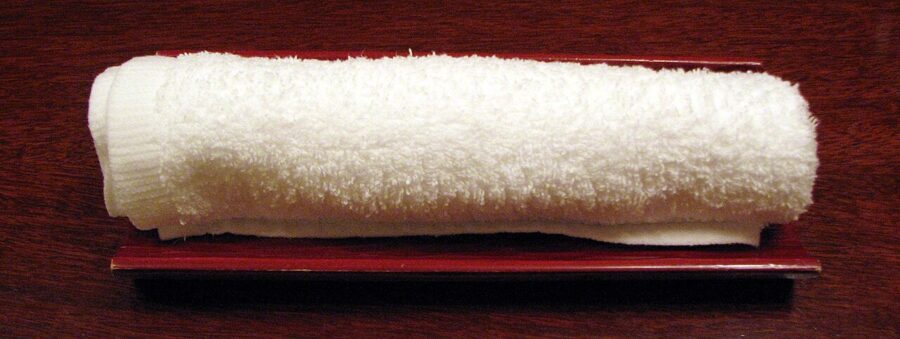
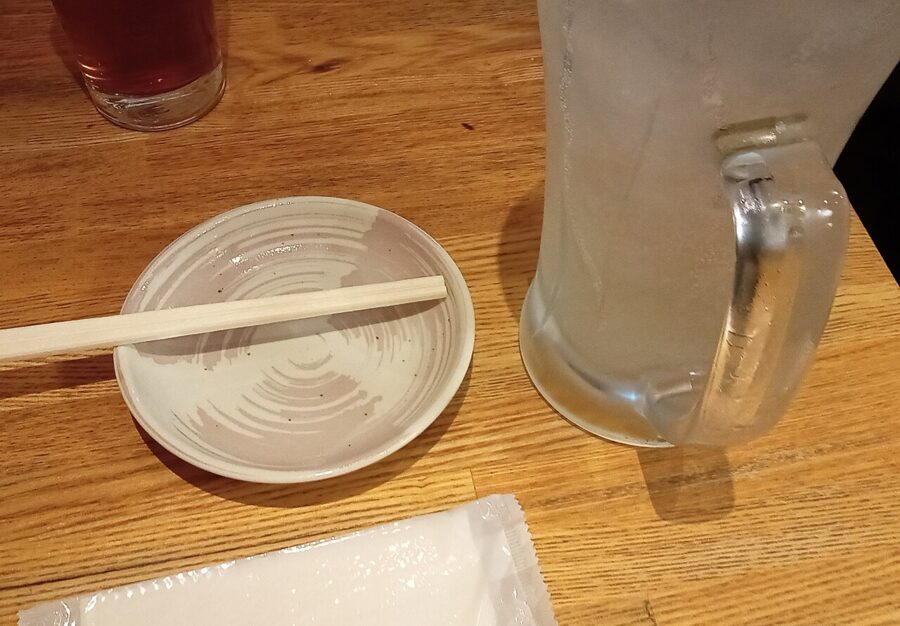
Next comes an oshibori (おしぼり), a damp towel, hot in winter and cold in summer. Wipe your hands, fold it and keep it for spills. Wiping your face with it is something you will see, mostly from older men, and it counts as a little coarse.

Then the otōshi, called 突き出し (tsukidashi) around Osaka: a small starter chosen by the kitchen, charged per person as the price of your seat. A guide for restaurant owners updated in April 2026 put the usual range at ¥300 to ¥800 (about US$2 to US$5) a head, higher in central Tokyo.
Some places will remove it if you ask, many won’t, and I would just eat it. If you have an allergy or a diet, say so as you sit down, since the dish arrives before you order. Chains and standing bars often skip it entirely.
The first drink
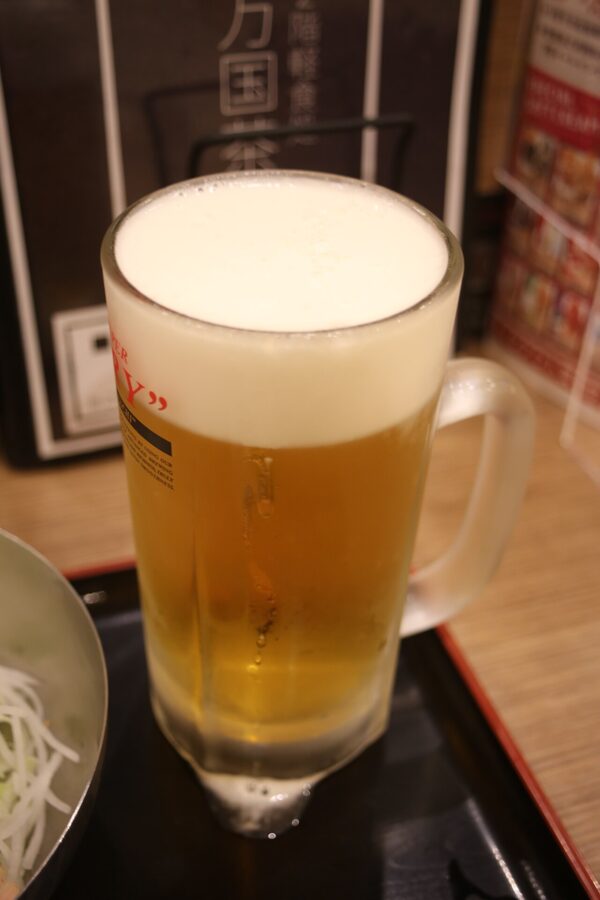
The first order is drinks only, for the whole table, and food follows. Japanese groups often say toriaezu bīru (とりあえずビール), “beer for now”. Order anything you like, but order quickly, so the table can toast together.

Ordering food
Many places now use a tablet at the table, or a QR code for your phone, with pictures and often an English setting. Otherwise there is the paper menu, plus the boards and paper strips on the wall, which usually carry the day’s fish and the kitchen’s best dishes.
Or call a server. If there is no buzzer, raise a hand and say sumimasen (すみません), “excuse me”, loud enough to be heard. In a busy izakaya that is normal, not rude. Point and say kore (これ, this one).
Order a few dishes at a time and keep going; there are no courses unless you booked one. Plates arrive as they are ready, in no fixed order, and everyone takes from them with their own chopsticks onto small plates, 取り皿 (torizara).
All you can drink
飲み放題 (nomihōdai) means all you can drink for a fixed price and time, usually 90 minutes or two hours. It covers a set list (beer, highballs, sours, basic sake and shochu, soft drinks), and many places require the whole table to take it. Staff call ラストオーダー (rasuto ōdā, last orders) shortly before time runs out.
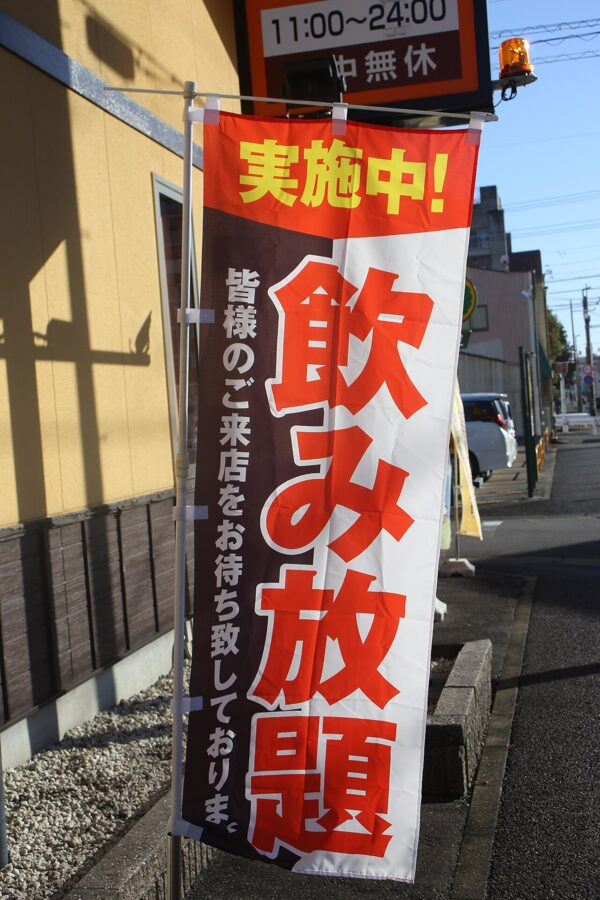

It pays if you will have more than about three drinks. Party courses, コース (kōsu), bundle set dishes with nomihōdai; in December, season of the 忘年会 (bōnenkai, year-end party), they fill city izakaya, so book or eat early in the busiest weeks of the year.
Paying
Say okaikei onegaishimasu (お会計お願いします, the bill, please), or make a small X with your index fingers. Often the 伝票 (denpyō), the slip tracking your orders, sits on the table, and you take it to the register by the door.
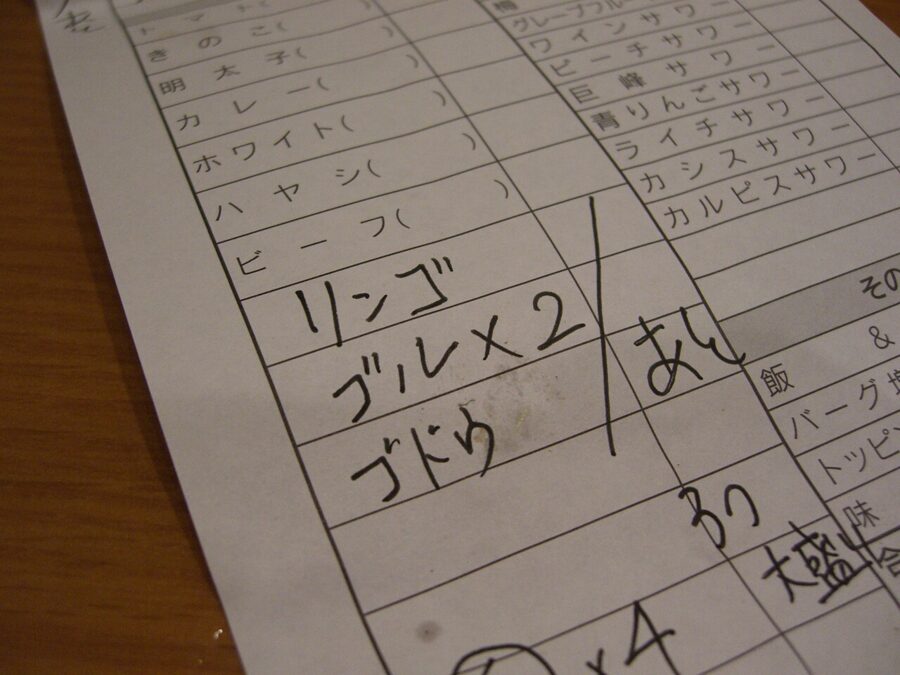

One bill per table is normal, split evenly, warikan (割り勘); separate bills, betsubetsu (別々), are easy at chains and awkward at small places. Cards work at most chains, but many small counters are cash only, and nobody tips: Japanese cash, cards and tipping work here as anywhere. The total can include the otōshi and sometimes a late-night charge.
What to order
These dishes are on almost every menu, most of them traditional Japanese foods cut down to drinking size.
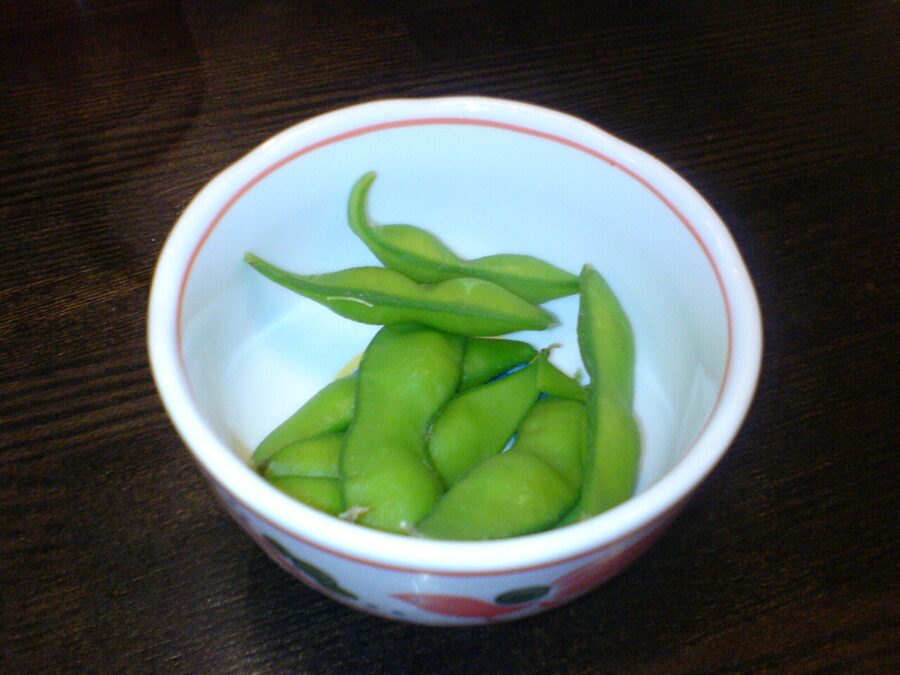
- 枝豆 (edamame): young soybeans boiled in the pod and salted.
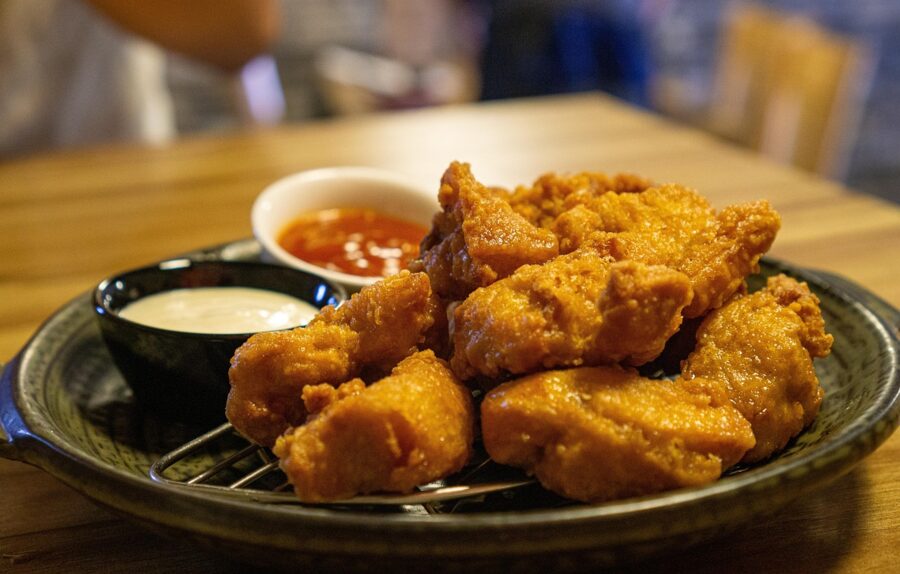
- 唐揚げ (karaage): chicken marinated in soy and ginger, coated in starch and fried. Ask before squeezing the lemon over everyone’s.
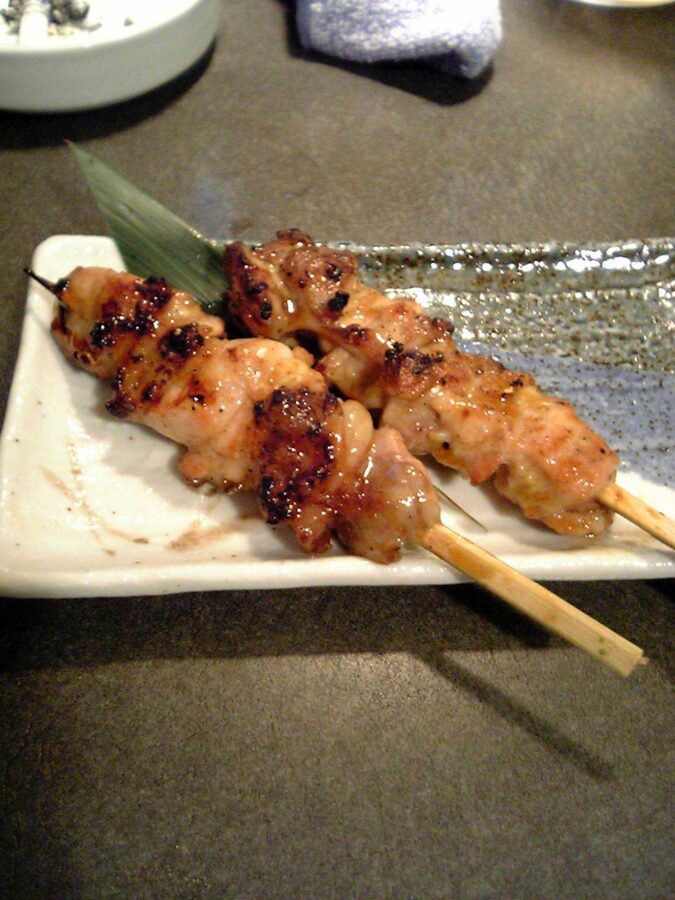
- 焼き鳥 (yakitori): chicken skewers with sweet soy glaze, tare (タレ), or salt, shio (塩). Negima is thigh and leek, tsukune a chicken meatball.
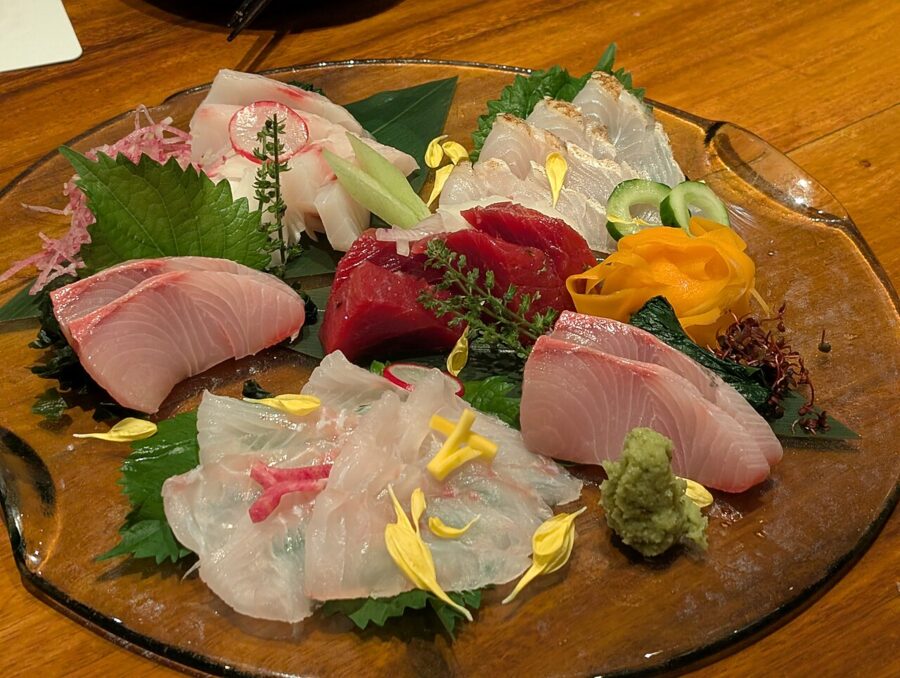
- 刺身の盛り合わせ (sashimi no moriawase): an assortment of raw fish for the table.
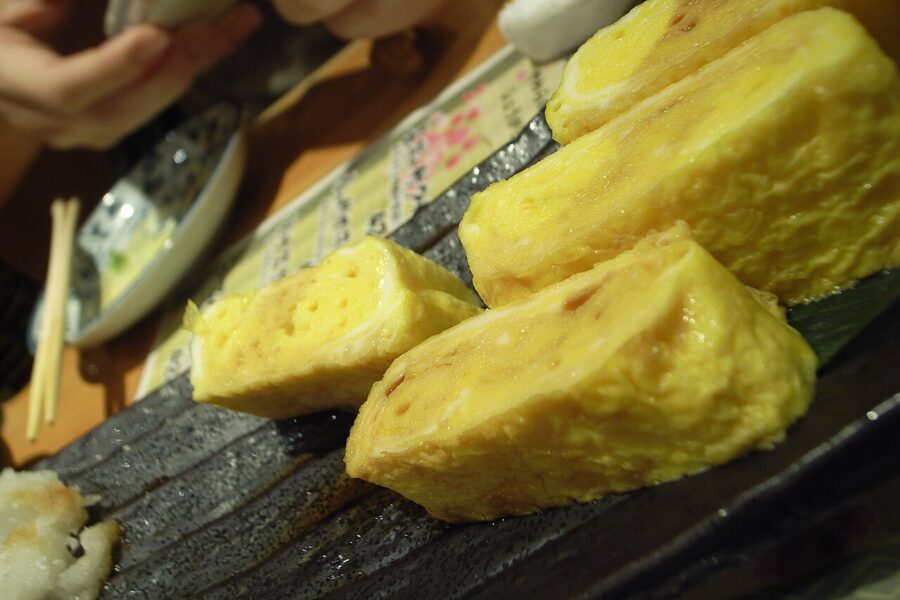
- だし巻き卵 (dashimaki tamago): a rolled omelet made with dashi stock.
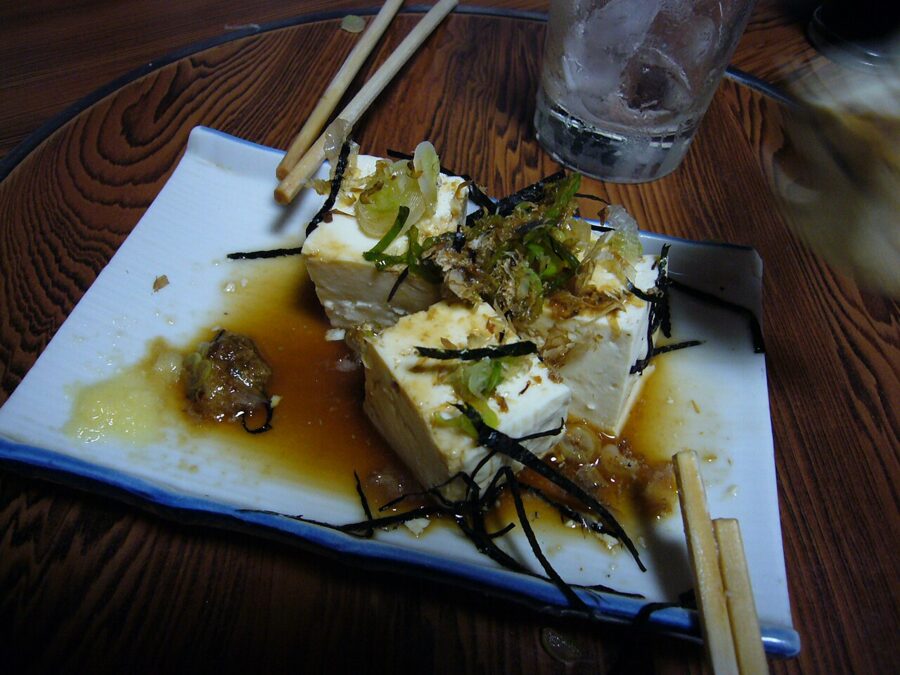
- 冷奴 (hiyayakko): cold tofu with ginger, spring onion and soy sauce.
- ポテトサラダ (poteto sarada): creamy Japanese potato salad.
- 焼き魚 (yakizakana): grilled fish, often a whole hokke (Atka mackerel) split open for the table.




How much to order
Start small. For two, I would order three or four dishes with the first round, then two or three more as the evening goes; for four, double the first order. Over-ordering at the start is the classic first-timer mistake.
Prices vary more by neighborhood than by dish: a few hundred yen a plate at a cheap chain, several thousand for a sashimi platter at a fish-focused place in central Tokyo. Dishes on the wall sometimes have no price, so ask: ikura desu ka (いくらですか, how much?).
The finishing dish
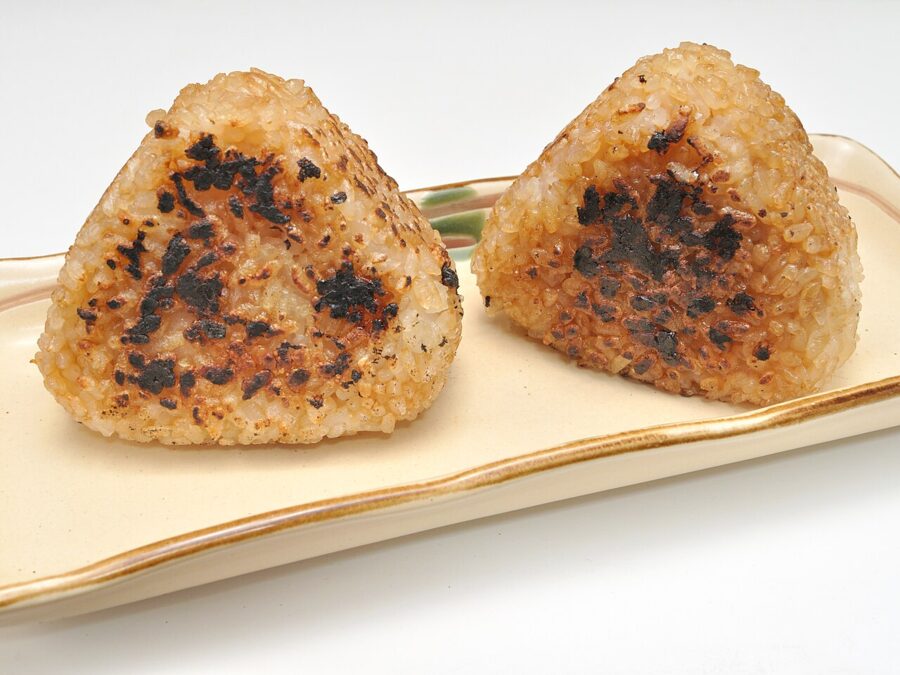
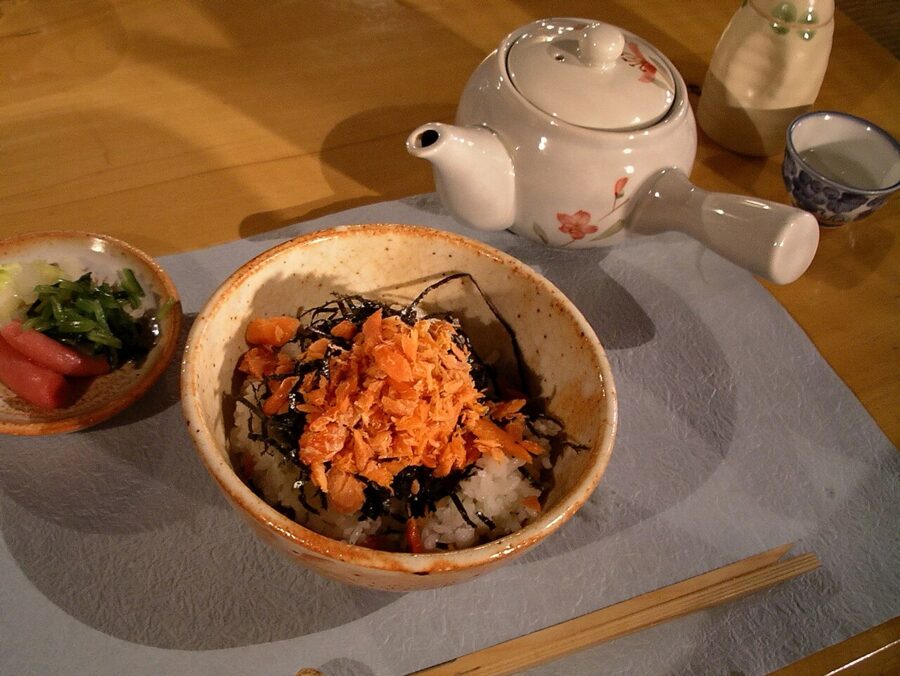
The last order is the 〆 (shime), rice or noodles to close the evening. Ochazuke (お茶漬け) is rice with tea or stock poured over; yaki onigiri (焼きおにぎり) are soy-brushed rice balls grilled crisp. Some groups finish at a ramen shop instead.

The drinks
Beer
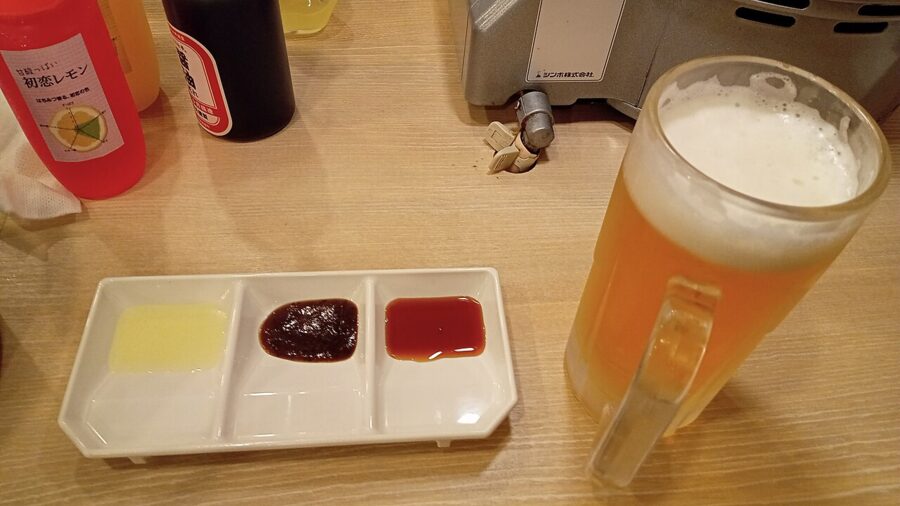
Draft beer, 生 (nama), comes in a glass mug, a jokki (ジョッキ), in 小 (shō), 中 (chū) and 大 (dai). There is no standard volume behind the names, so one shop’s medium can be the next one’s large; nama chū (生中) is the usual order. Bottled beer, 瓶ビール (bin bīru), comes with small glasses for pouring for each other.
Highballs and sours
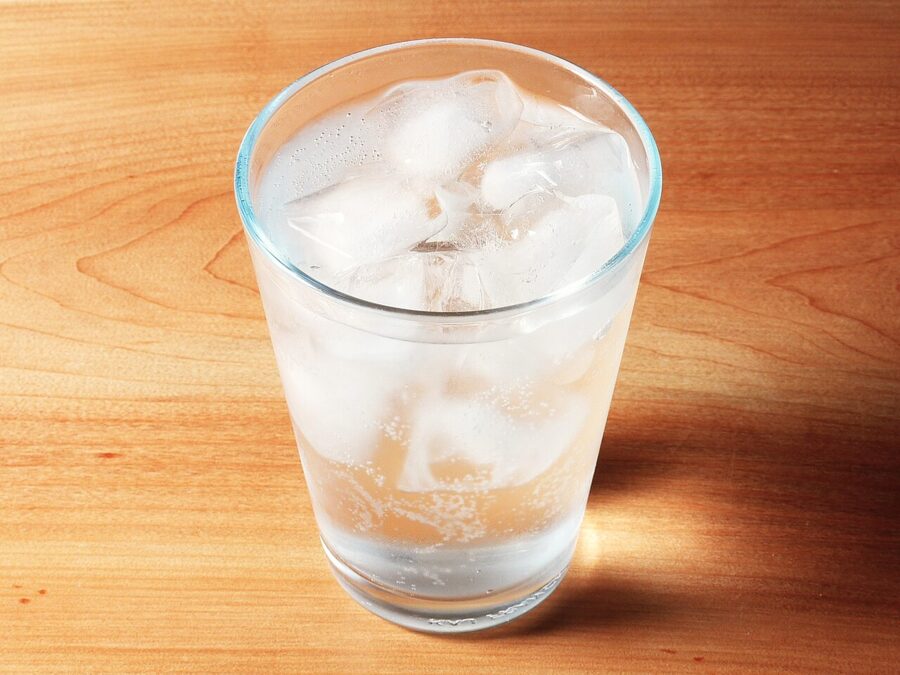
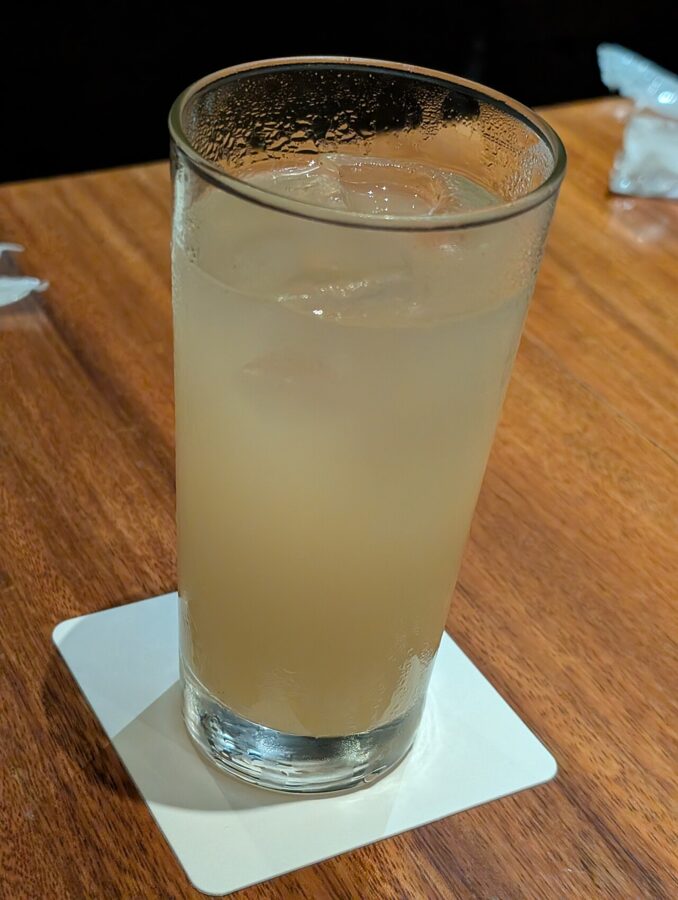
A ハイボール (haibōru) is whisky and soda over ice. A サワー (sawā, sour) or チューハイ (chūhai, shochu highball) is a neutral spirit with soda and fruit: lemon is the classic, with grapefruit, plum and green tea versions. They are light and quick to drink, worth remembering on a nomihōdai.


Sake
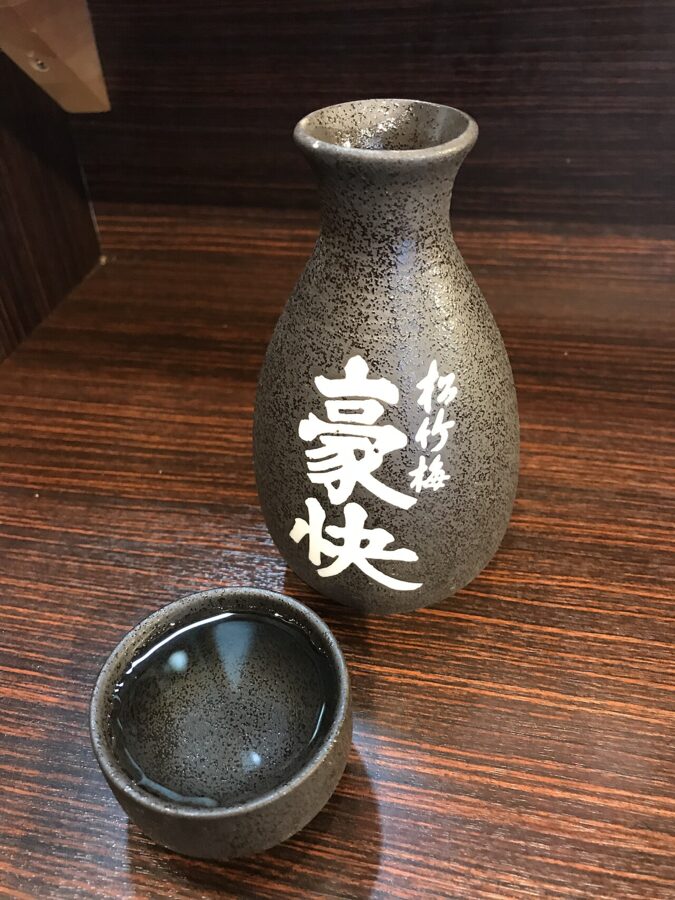
Sake, 日本酒 (nihonshu), is brewed from rice and usually around 15% alcohol, three times a typical beer. It comes in a small flask, 徳利 (tokkuri), with tiny cups, お猪口 (ochoko), often by the 合 (gō), a measure of 180 ml.

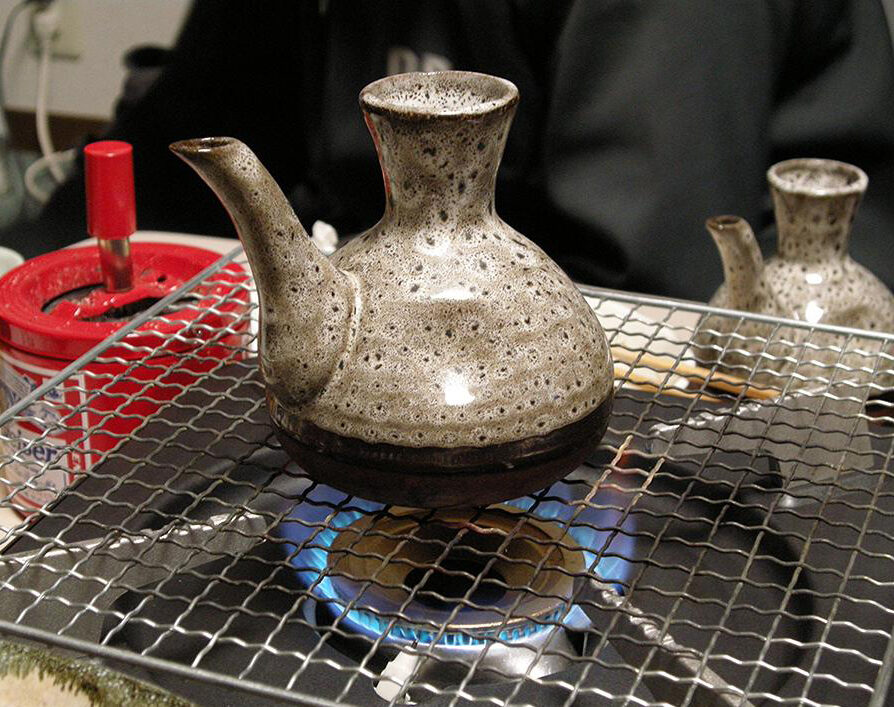
The menu will say the temperature. 冷酒 (reishu) is chilled, the usual way for fragrant sake. 燗 (kan) is warmed: 熱燗 (atsukan) hot, ぬる燗 (nurukan) just warm. 冷や (hiya) traditionally means room temperature, though some staff use it for chilled, so ask.

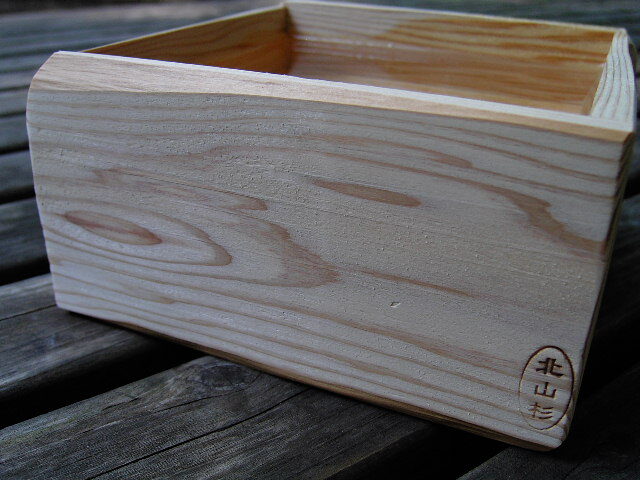
Some places stand a glass in a wooden box and pour until it overflows. That is generosity, not clumsiness: drink from the glass, then tip the box into it. Sake is also an offering, which is why barrels of it stand at Shinto shrines.

Shochu
焼酎 (shōchū) is a spirit distilled from barley (mugi), sweet potato (imo), rice or brown sugar, usually 20 to 25% alcohol. It is drunk on the rocks (ロック, rokku), with cold water (水割り, mizuwari) or with hot water (お湯割り, oyuwari), the winter favorite in the south.
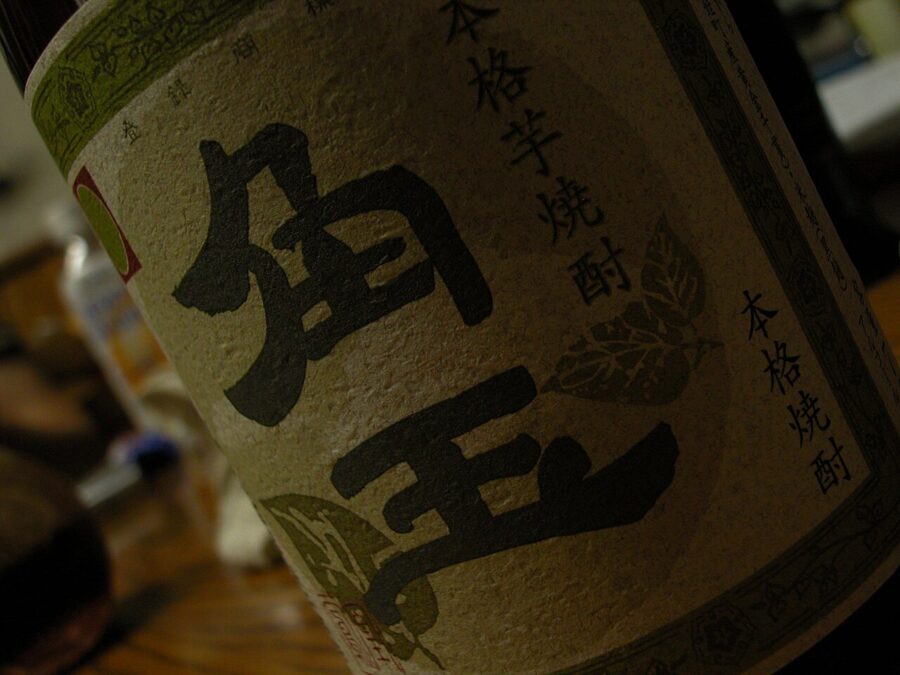

Pouring, toasting and the etiquette that matters
Nobody drinks until everyone has a glass. Then someone says 乾杯 (kanpai, “dry the cup”), everyone repeats it and glasses touch. With colleagues, hold yours a little lower than a senior person’s.
With bottled beer and sake you pour for others and let them pour for you, お酌 (oshaku). Lift your glass toward the bottle when someone tops you up, and offer the bottle when a neighbor runs low. Pouring your own, 手酌 (tejaku), is fine among friends, and if you want to stop, leave your glass full.
Three chopstick rules apply at any Japanese table. Don’t stand them upright in rice or pass food chopstick to chopstick, since both recall funerals. Take from shared plates with serving chopsticks, or the back end of your own.
Chains or a small local place
Chains are the easy start: by stations, with picture menus, English tablets, cards and nomihōdai. Some charge one price for everything. At Torikizoku, a yakitori chain, nearly every item, food or drink, costs ¥410 (about US$3) with tax since October 1, 2026, and its eat-and-drink-all-you-can course is ¥4,100 (about US$26).
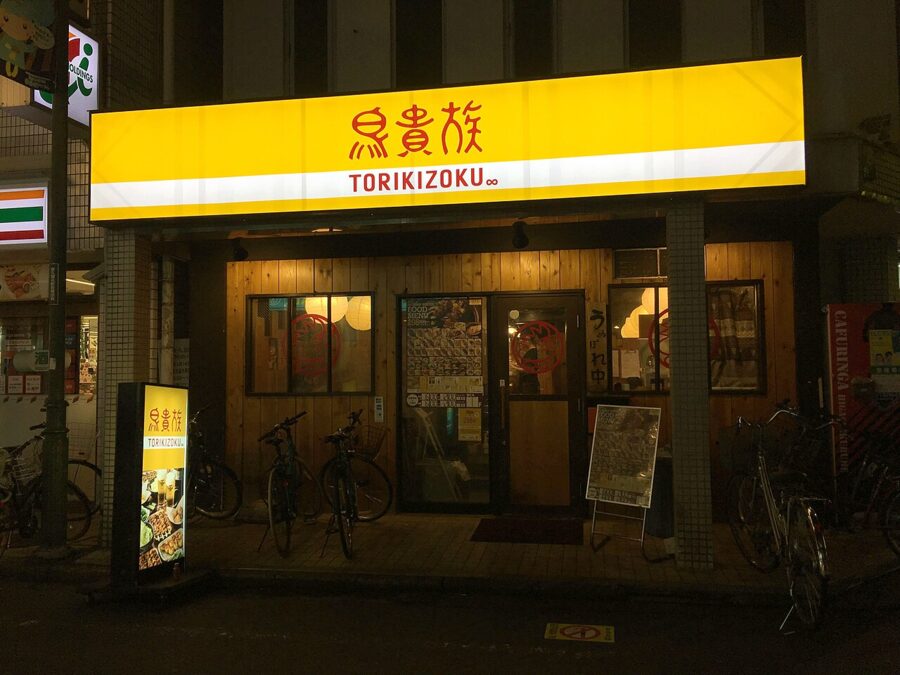
Small independents are where the food gets interesting, though the menu may be handwritten Japanese. They seat ten or twenty, the owner cooks, and some prefer regulars; if you are turned away, it is usually space or language, not you. Ask for osusume (おすすめ, recommendation) or point at the next table’s plate.
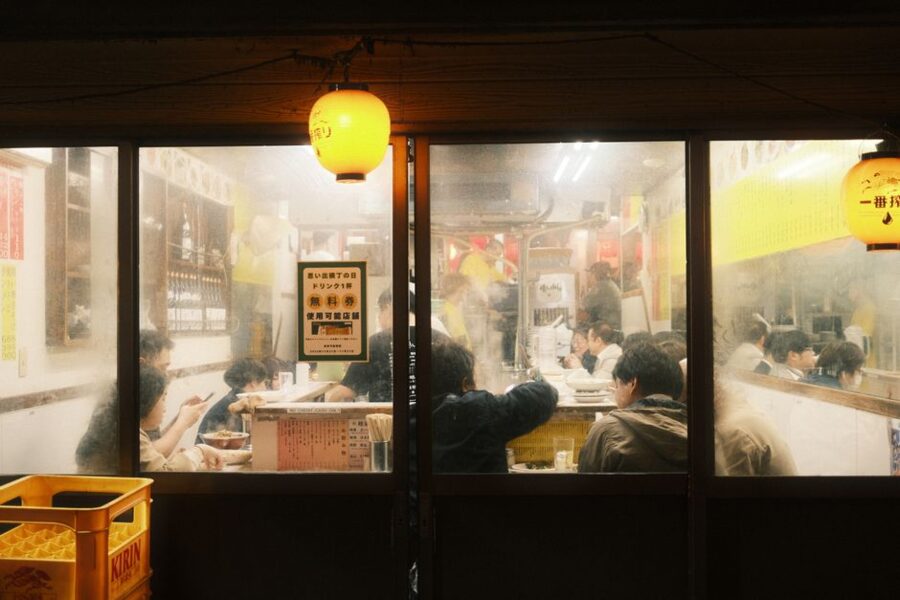
Children are welcome at most chains early in the evening. Any place that allows smoking cannot admit anyone under 20.
The yokocho alleys
A 横丁 (yokochō) is a side alley, and in drinking terms a lane of tiny bars and izakaya, many with six or eight seats. Most grew from markets around stations after the Second World War.
The best known is Omoide Yokocho (思い出横丁, “Memory Lane”) by the west exit of Shinjuku Station in Tokyo. It began as a street market on burned-out land just after the war and now has about 80 shops, roughly 60 of them places to eat and drink, mostly grilling yakitori and offal. Have a drink and a few skewers, then move on.
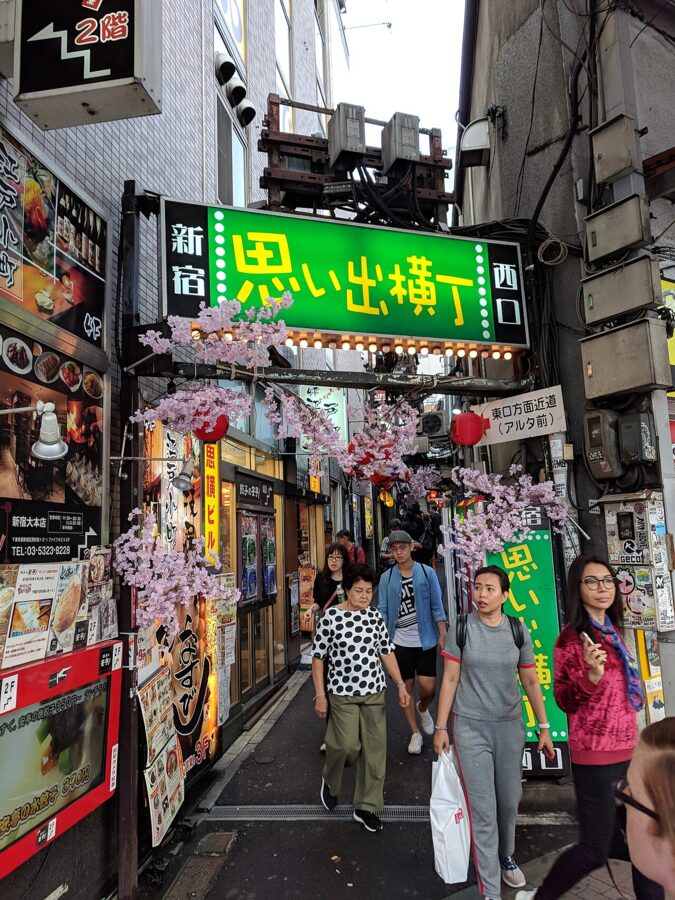

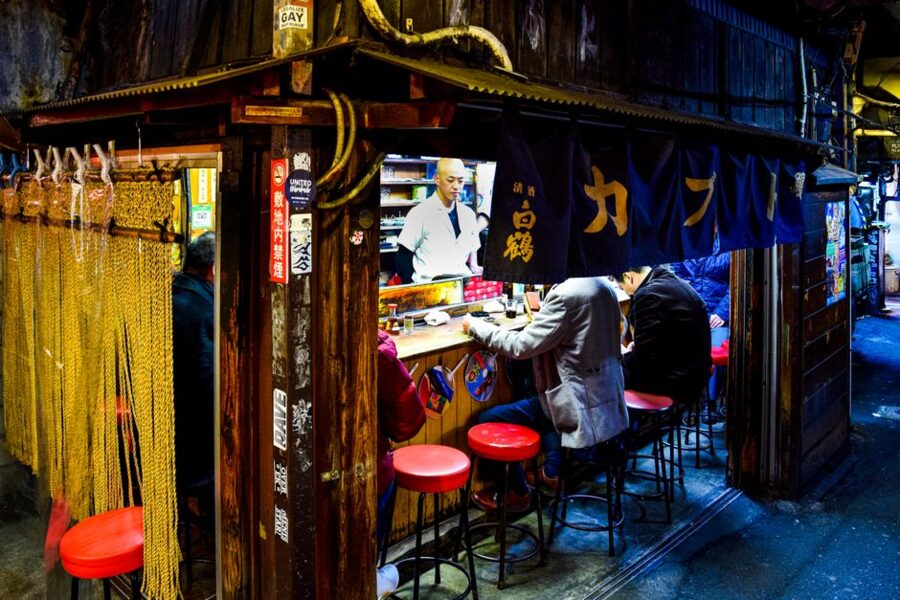
Ebisu Yokocho, two minutes from the east exit of Ebisu Station, packs grills, oden, fish and wine counters into an old shopping arcade. Harmonica Yokocho by Kichijoji Station mixes tiny bars with ordinary shops, and izakaya fill the arches under the tracks between Yurakucho and Shimbashi.
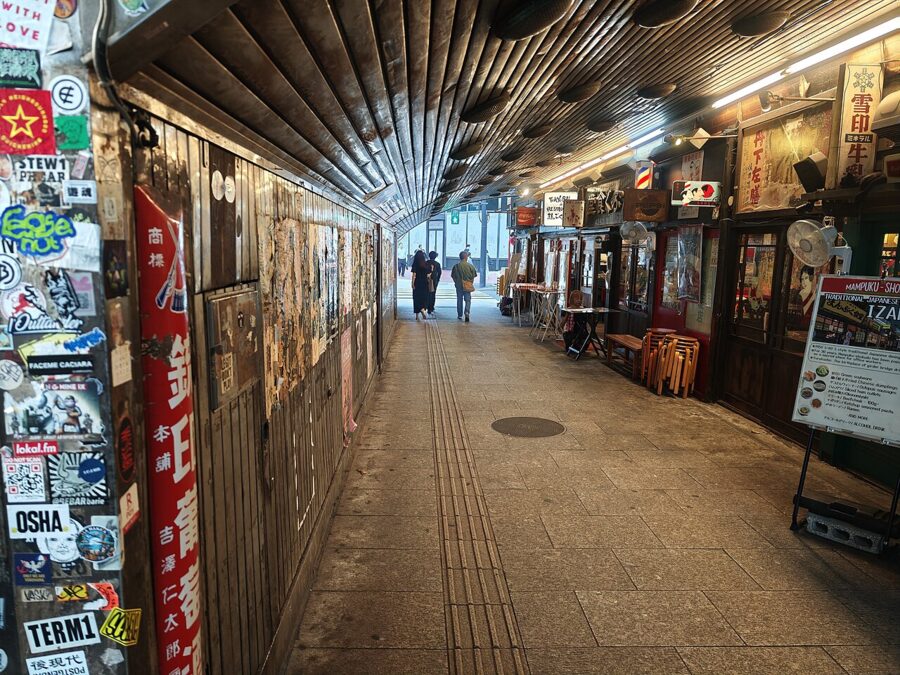

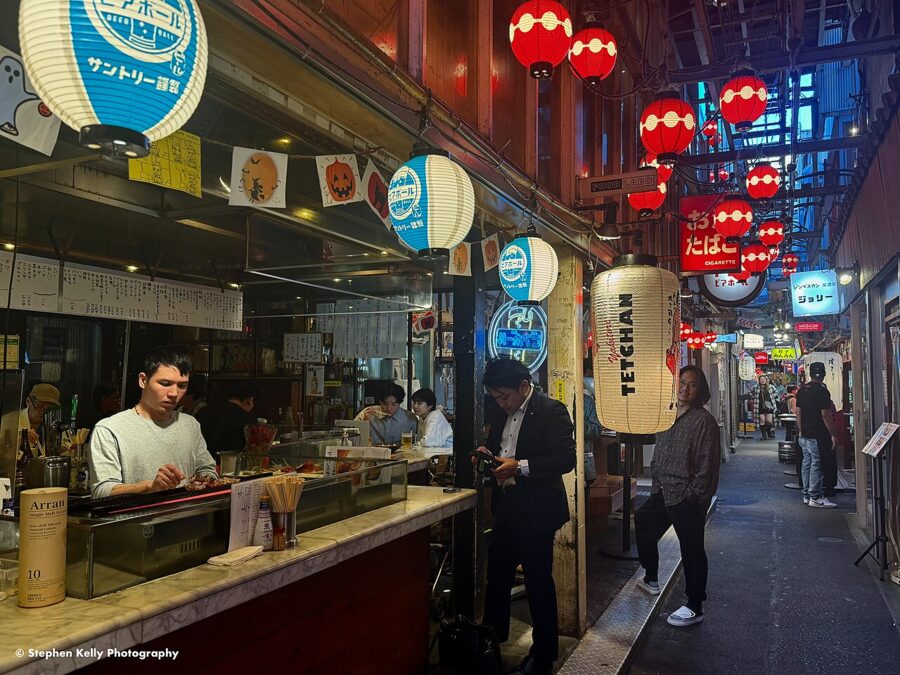

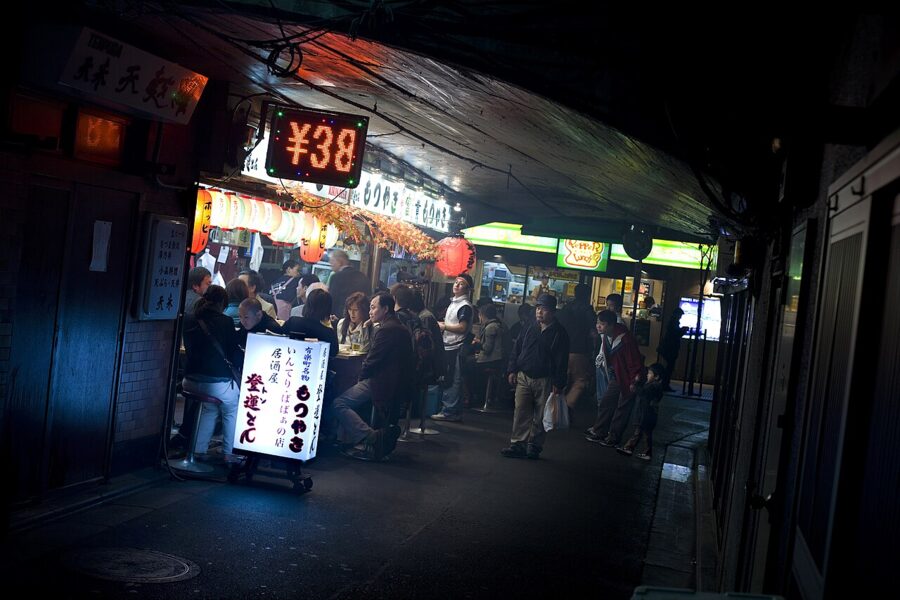

Some yokocho shops charge a seat fee, so check the door, and many take cash only. Ask before photographing inside: the people at the counter are customers, not scenery.
Smoking rules since 2020
On April 1, 2020 the revised Health Promotion Act came fully into force, making restaurants and bars non-smoking indoors in principle. Smoking is allowed only in sealed rooms meeting technical standards, and nobody under 20, staff included, may enter them.
The exception is in old drinking districts. Small places already open in April 2020, with capital of ¥50 million (about US$320,000) or less and a customer area of 100 square meters (about 1,080 square feet) or less, could stay smoking-allowed with a sign on the door, which is why some tiny bars are still smoky.
Tokyo’s own ordinance keeps most restaurants smoke-free indoors and makes every eating place display its status. Look for 禁煙 (kin’en, no smoking) or 喫煙可 (kitsuen ka, smoking allowed) on the door.
The law: age 20 and no drink driving
The drinking age is 20. When adulthood dropped to 18 on April 1, 2022, drinking and smoking stayed at 20. Many chain tablets ask you to confirm your age, and staff may ask for ID, so carry your passport.
Drink driving is a serious crime. As of November 2026, the National Police Agency sets the limit at 0.15 mg of alcohol per liter of breath, punished by up to three years in prison or a fine of up to ¥500,000 (about US$3,200). Drunk driving, which since July 21, 2026 includes any reading of 0.5 mg or more, brings up to five years or ¥1,000,000 (about US$6,500).
Driving with any alcohol is illegal, and the law reaches past the driver: whoever lends the car, serves the drinks or rides along knowingly can be punished too. That is why the driver in a Japanese group drinks oolong tea all night. If you plan to drive in Japan, drink nothing on driving days, and remember a late night can show on a breath test next morning.
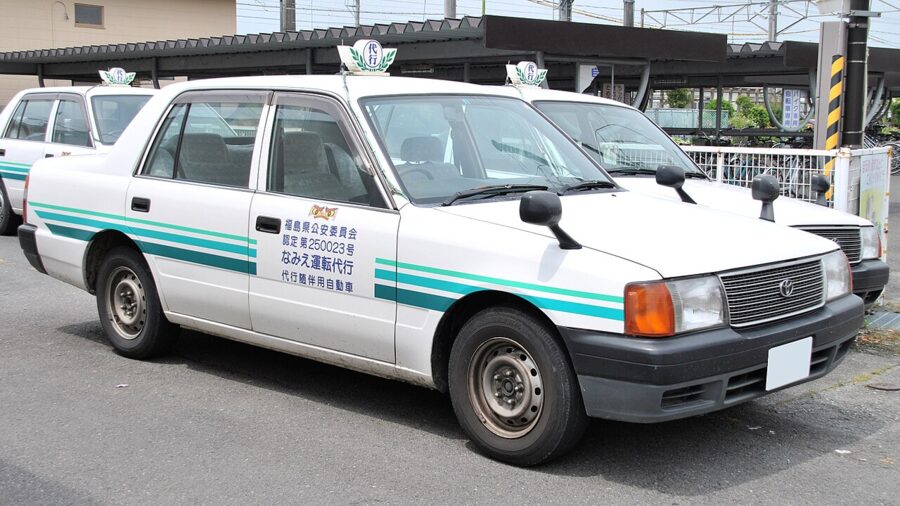
Since November 1, 2024, cycling over the same limit has carried up to three years or ¥500,000, so rental bikes are no way home. In the countryside, ask staff to call a 運転代行 (unten daikō): one person drives you home in your own car while another follows.

Getting home after the last train
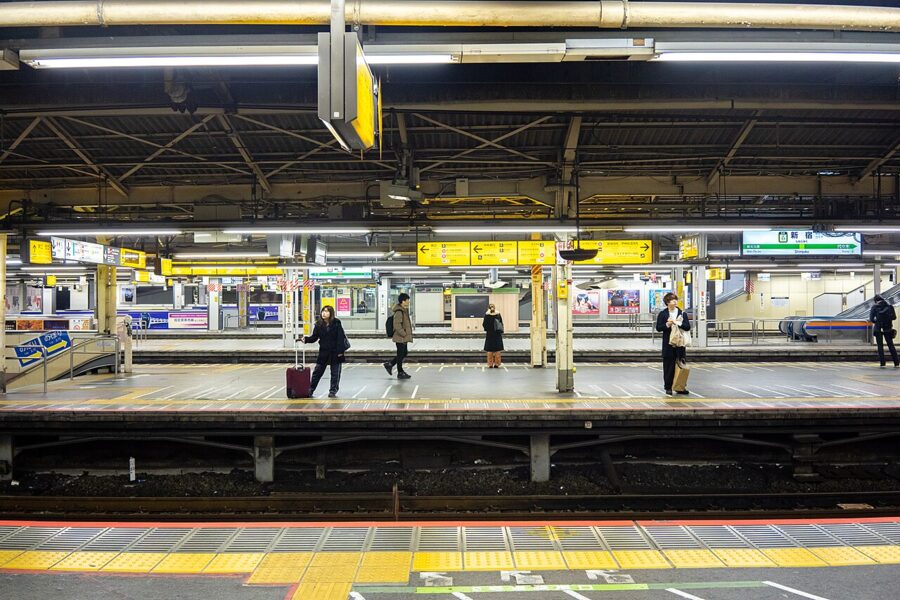
Evenings end around the 終電 (shūden, last train), which on most Tokyo lines leaves between about midnight and 1 a.m. Check yours before you sit down; a route app does it in seconds, and a working data connection is worth having for that alone.
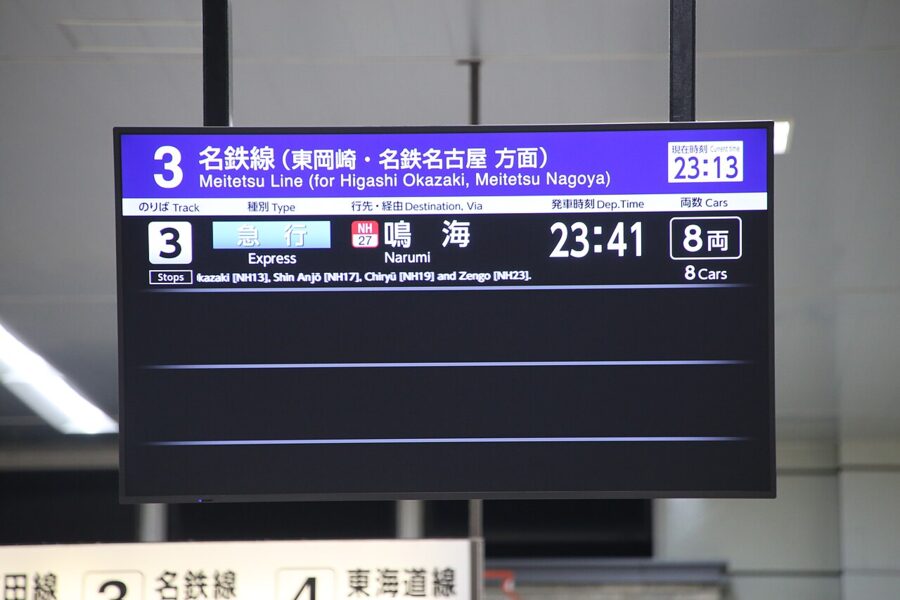

Miss it, and the choice is a taxi, dearer after 10 p.m. with a late-night surcharge, or staying out until the first trains around 5 a.m. Late streets in Japan’s big districts are generally safe, and the numbers to call are the same at 3 a.m. as at noon. Ignore street touts offering a cheap bar: a good izakaya does not need anyone to pull you in.


If you learn one word before your first evening, make it sumimasen. It brings the menu, the next round, the shime and the bill, and by the time you leave, the small dish that arrived unordered will make sense.