

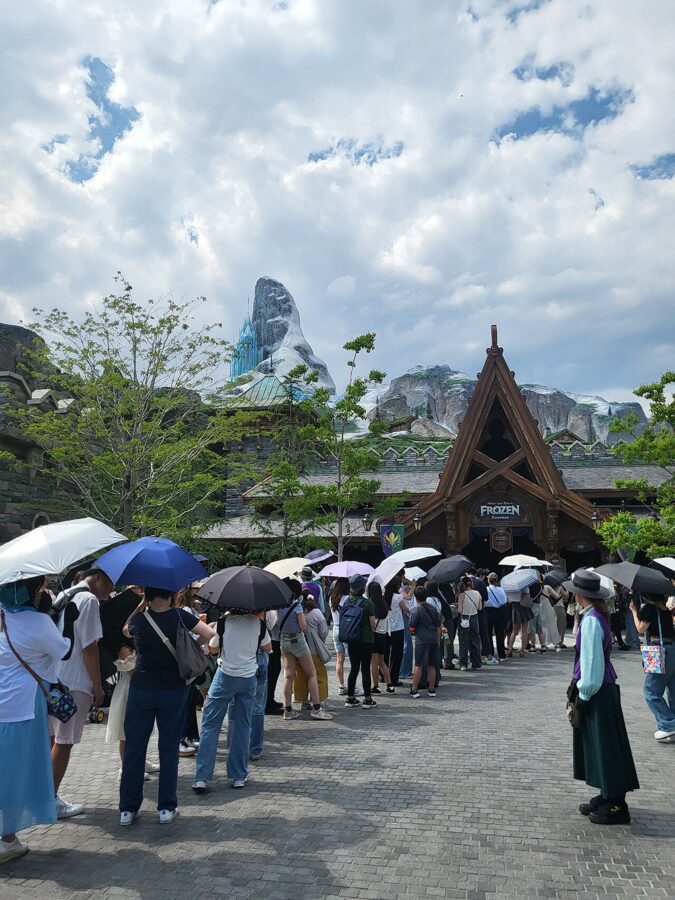
At about five in the afternoon on November 23, 2026, a national holiday in Japan, the official wait for Soaring: Fantastic Flight at Tokyo DisneySea read 220 minutes. Toy Story Mania!, Tower of Terror, Journey to the Center of the Earth and Anna and Elsa’s Frozen Journey all read 160. A one-day ticket that day cost ¥10,900 (about US$75).
Key facts Port
- Soaring: Fantastic Flight
- Mediterranean Harbor
- Journey to the Center of the Earth
- Mysterious Island
- 20,000 Leagues Under the Sea
- Mysterious Island
- Indiana Jones Adventure: Temple of the Crystal Skull
- Lost River Delta
- Raging Spirits
- Lost River Delta
- Nemo & Friends SeaRider
- Port Discovery
- Tower of Terror
- American Waterfront
- Toy Story Mania!
- American Waterfront
On this page
- What makes DisneySea different from every other Disney park
- The ports, and the rides worth the queue
- Fantasy Springs, the port added in 2024
- Tickets and prices by date
- Premier Access, the Standby Pass and the app
- How to plan one day
- What to eat and drink
- Getting there from Tokyo
- Staying next to the water: MiraCosta and Fantasy Springs Hotel
- When to go: weekdays, school holidays and the price calendar
- DisneySea or Disneyland if you only have one day
Those lines are the price of a park that many Disney fans call the best one ever built. A first visit goes far better when you know why it draws the crowds, which rides deserve your morning, and how the paid and free systems in the official app work.
Tokyo DisneySea, 東京ディズニーシー (Tōkyō Dizunī Shī), opened on September 4, 2001, beside Tokyo Disneyland in Urayasu, Chiba, just over the line from Tokyo. Japanese fans shorten it to シー (Shī, “Sea”). The park turned 25 this year, and its anniversary celebration, Sparkling Jubilee, runs until March 31, 2027.
What makes DisneySea different from every other Disney park
The first difference is ownership. Tokyo DisneySea is owned and run by the Oriental Land Company, a Japanese firm that licenses the characters and stories from Disney. That is why its tickets, app, prices and rules are its own, and why a pass or gift card from a Disney park in the US does nothing here.
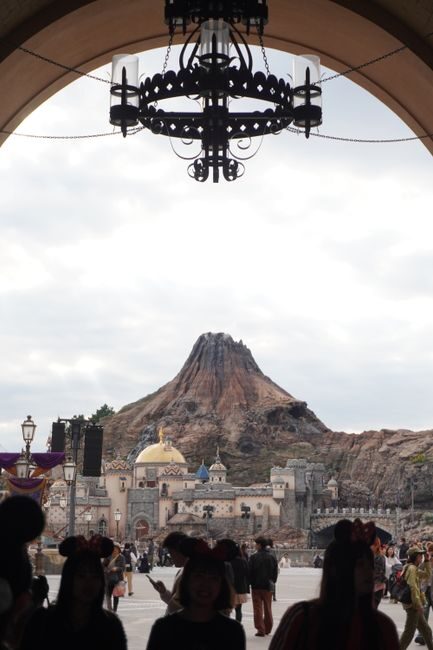
The second is the plan. There is no castle and no main street leading to one. The theme is the myths and legends of the sea, laid out as eight “ports of call” around water, and Japanese signs call each one a テーマポート (tēma pōto, theme port).
The third is the audience. DisneySea was designed with adults in mind as much as children: more table-service restaurants, beer and wine on many menus, cocktails in a lounge aboard an ocean liner, and rides built on scenery and story as much as speed.
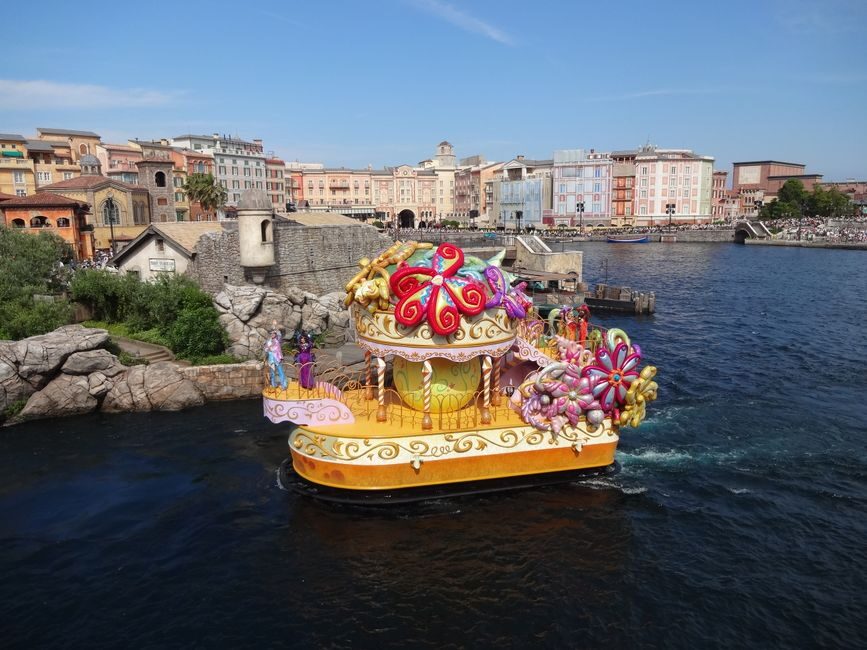
Why do so many people call it the best? The craft. The rockwork, aged plaster, ship rigging and ruins reward walking slowly, and water and rock separate the ports so that you rarely see one world from inside another.
The ports, and the rides worth the queue
Here is the short version before the tour. Heights are the official minimums; Disney Premier Access (explained below) is the paid way past most of the line, priced per person per ride as of November 2026.
| Ride | Port | Minimum height | Premier Access |
|---|---|---|---|
| Soaring: Fantastic Flight | Mediterranean Harbor | 102 cm (3 ft 4 in) | ¥2,500 (about US$17) |
| Journey to the Center of the Earth | Mysterious Island | 117 cm (3 ft 10 in) | ¥2,000 (about US$13) |
| 20,000 Leagues Under the Sea | Mysterious Island | None | Not offered |
| Indiana Jones Adventure: Temple of the Crystal Skull | Lost River Delta | 117 cm | ¥1,500 (about US$10), from November 30, 2026 |
| Raging Spirits | Lost River Delta | 117 cm | ¥1,500 |
| Nemo & Friends SeaRider | Port Discovery | 90 cm (2 ft 11 in) | Not offered |
| Tower of Terror | American Waterfront | 102 cm | ¥1,500 |
| Toy Story Mania! | American Waterfront | None | ¥2,000 |
| Anna and Elsa’s Frozen Journey | Fantasy Springs | None | ¥2,500 |
| Rapunzel’s Lantern Festival | Fantasy Springs | None | ¥2,000 |
| Peter Pan’s Never Land Adventure | Fantasy Springs | 102 cm | ¥2,000 |
Mediterranean Harbor
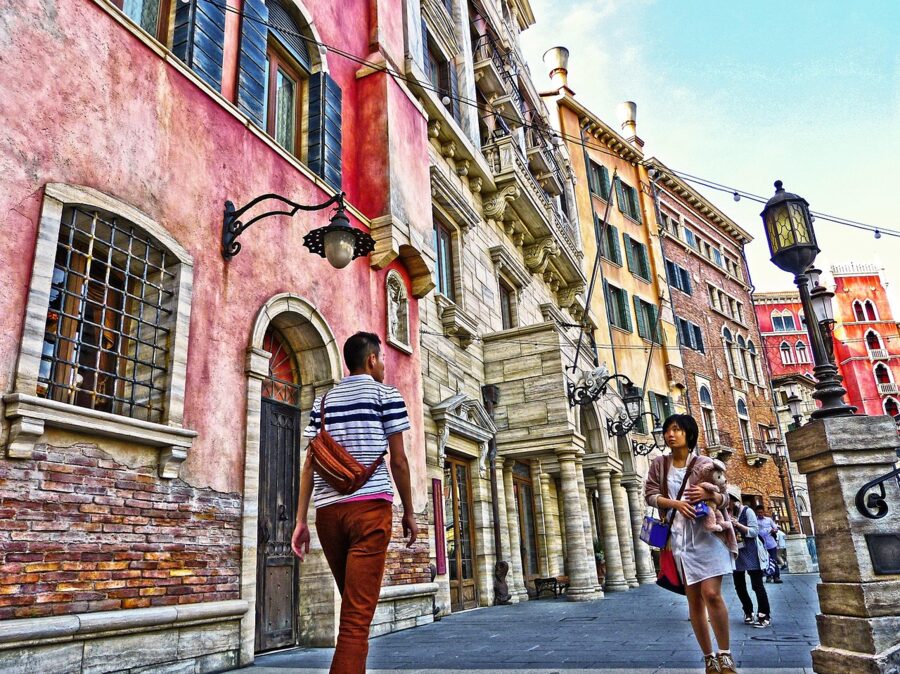
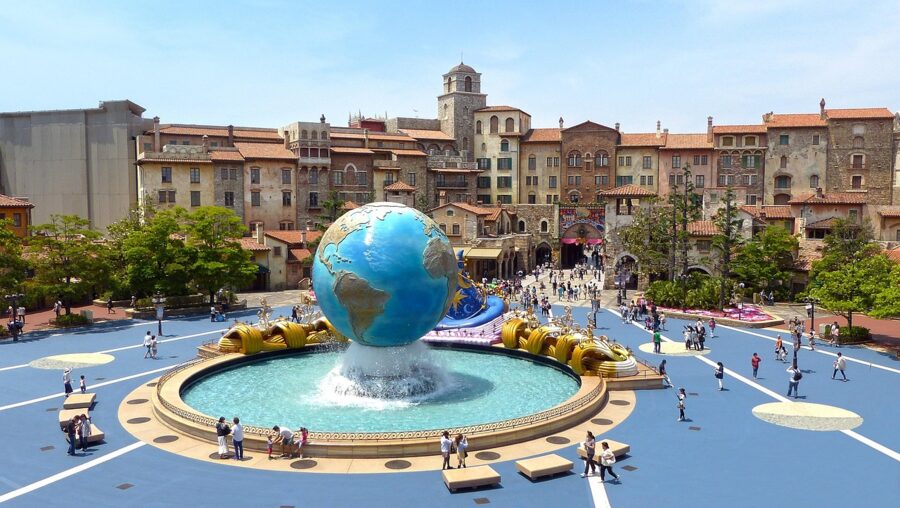
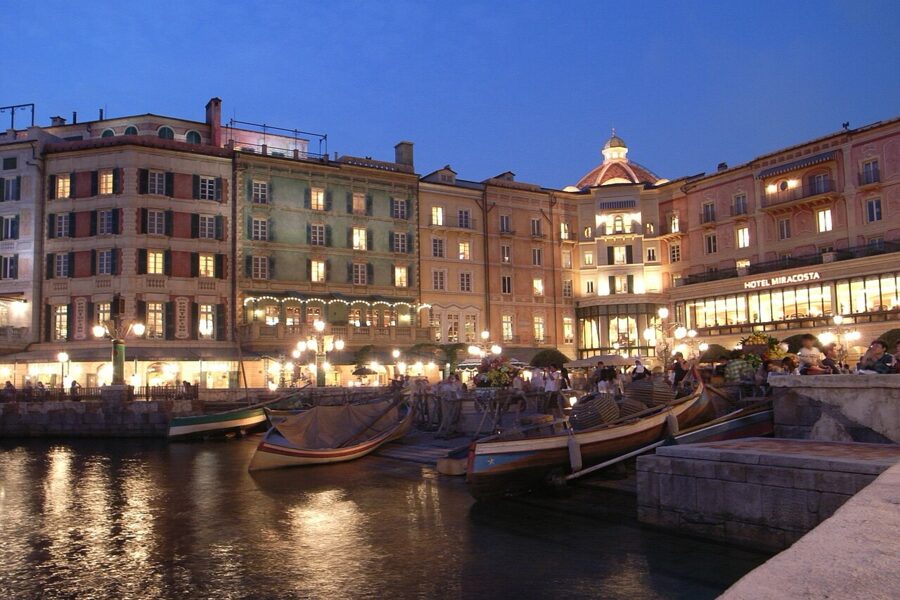
The entrance port blends Venice and Portofino, with canals for the Venetian Gondolas and a harbor wide enough for the shows. The buildings along its south side are Tokyo DisneySea Hotel MiraCosta. Fortress Explorations, a stone fort with a galleon beside it, is a free walk-through full of maps, levers and puzzles.
The headliner is Soaring: Fantastic Flight, a hang-glider simulator that lifts you in front of a dome screen for a five-minute flight over famous places. It has the longest line in the park almost every day. If you buy only one Premier Access, make it this one.
Mysterious Island
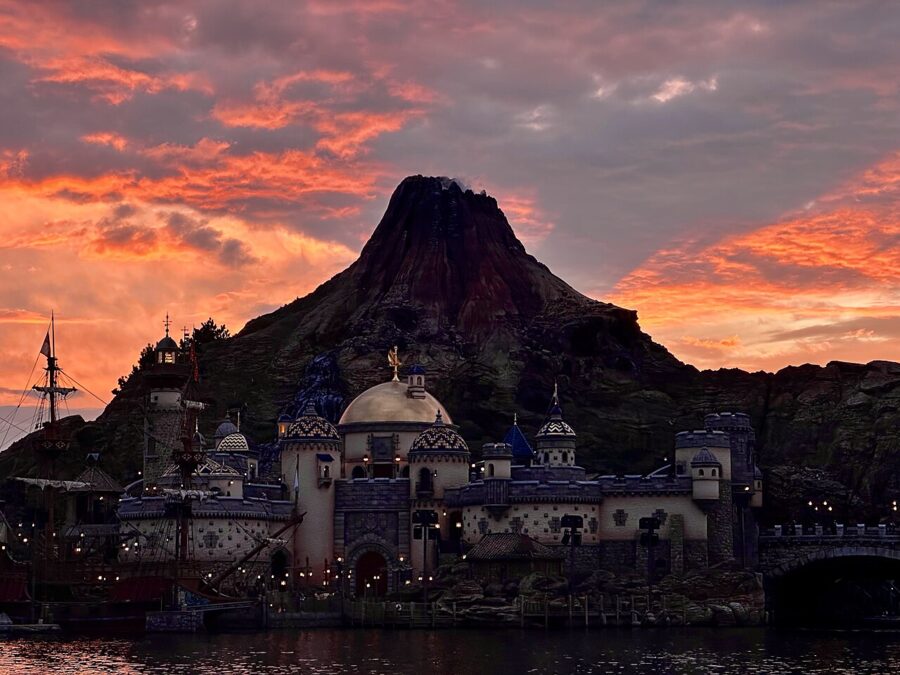
Mysterious Island sits inside the caldera of Mount Prometheus, Jules Verne’s hidden base for Captain Nemo, with the Nautilus moored in the lagoon. Journey to the Center of the Earth starts as a slow underground tour and ends with a fast run out through the side of the volcano. It lasts about three minutes and is the best thrill ride in the park for most adults.
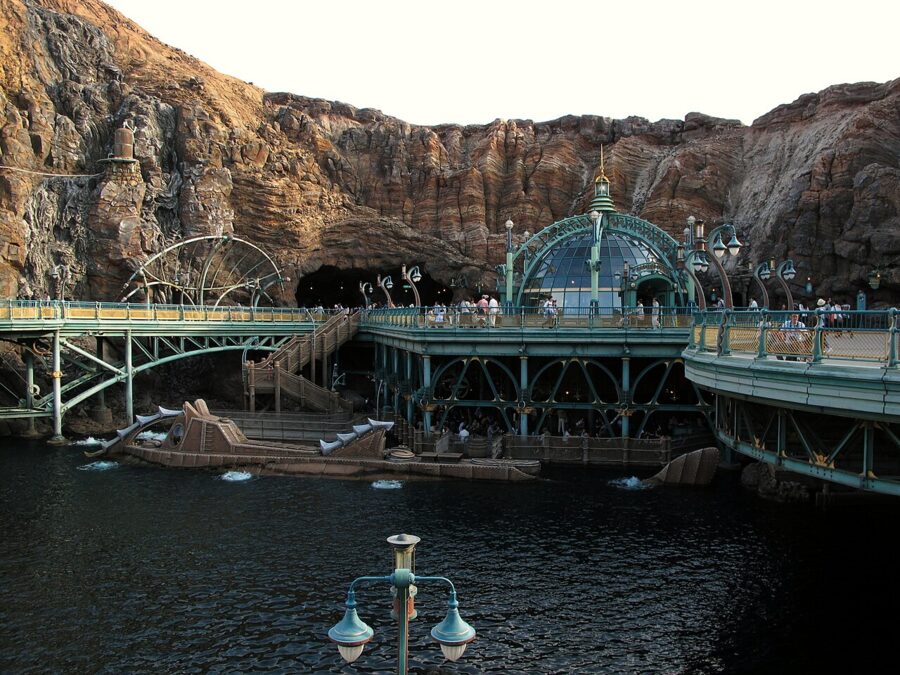

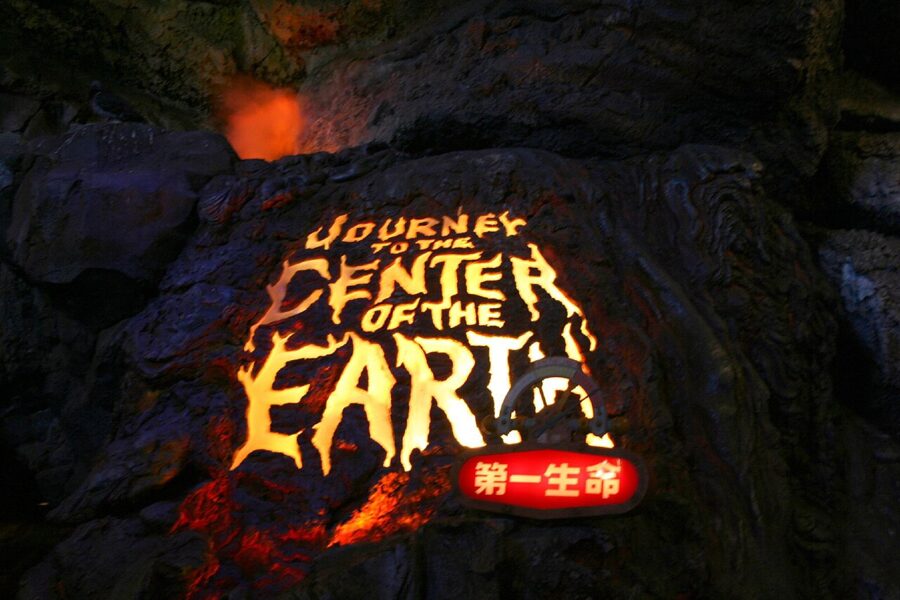

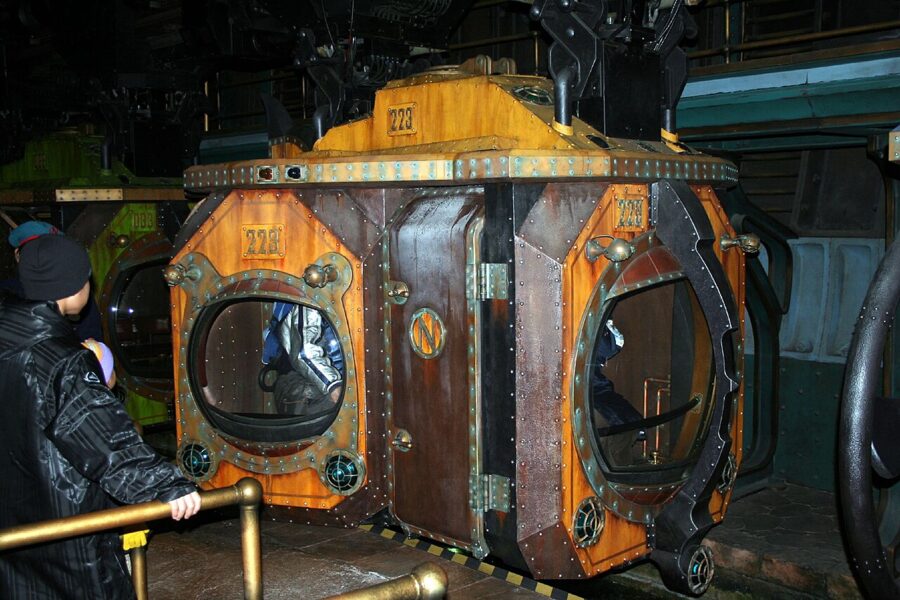
20,000 Leagues Under the Sea is the opposite: a slow dark ride in small submarines with no height limit. Ride it in the afternoon, when the headliners are at their worst.

Mermaid Lagoon
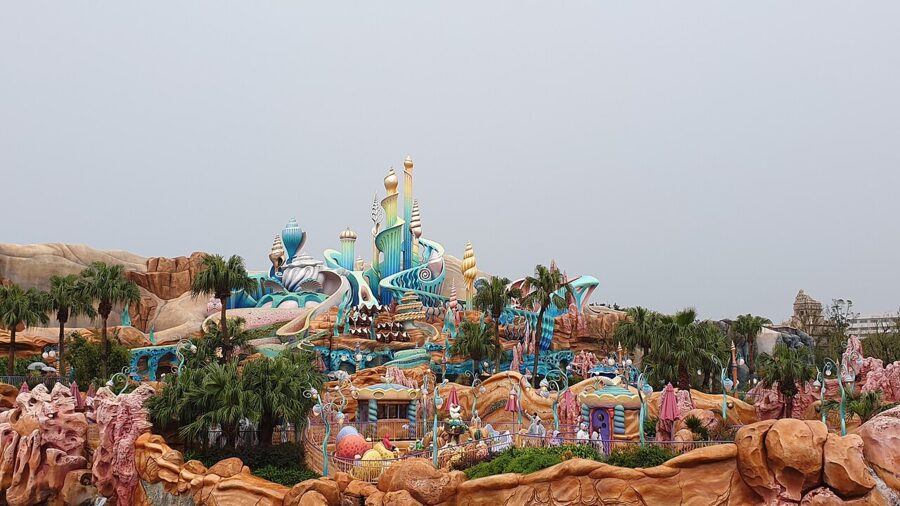
The Little Mermaid’s port is mostly indoors, under a shell-shaped palace lit like the sea floor. Its rides are small and made for young children, with Flounder’s Flying Fish Coaster (90 cm) the gentlest coaster in the park. The Mermaid Lagoon Theater has been closed since July 2020 with no reopening date.

Arabian Coast
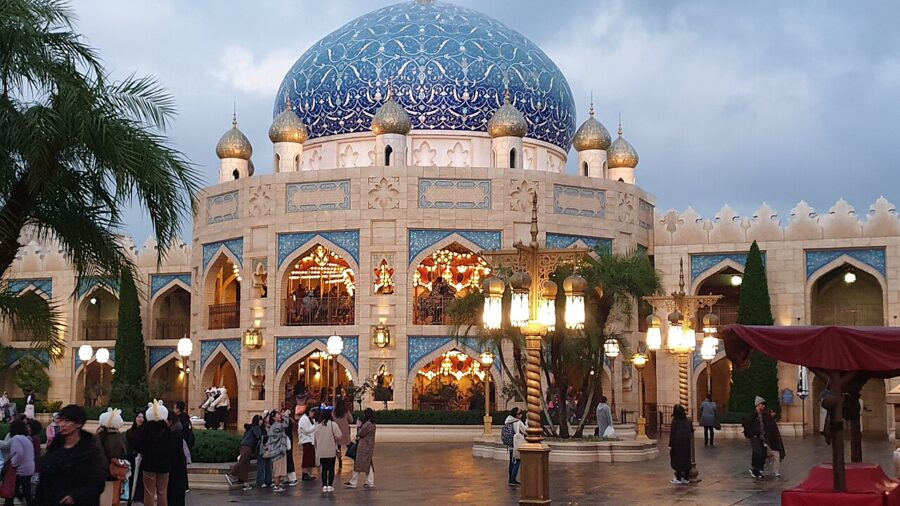
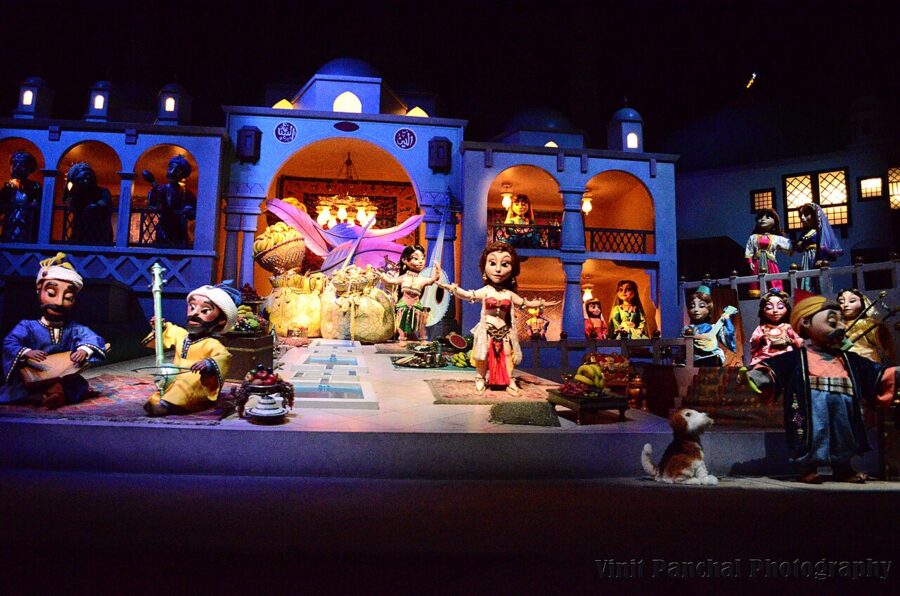
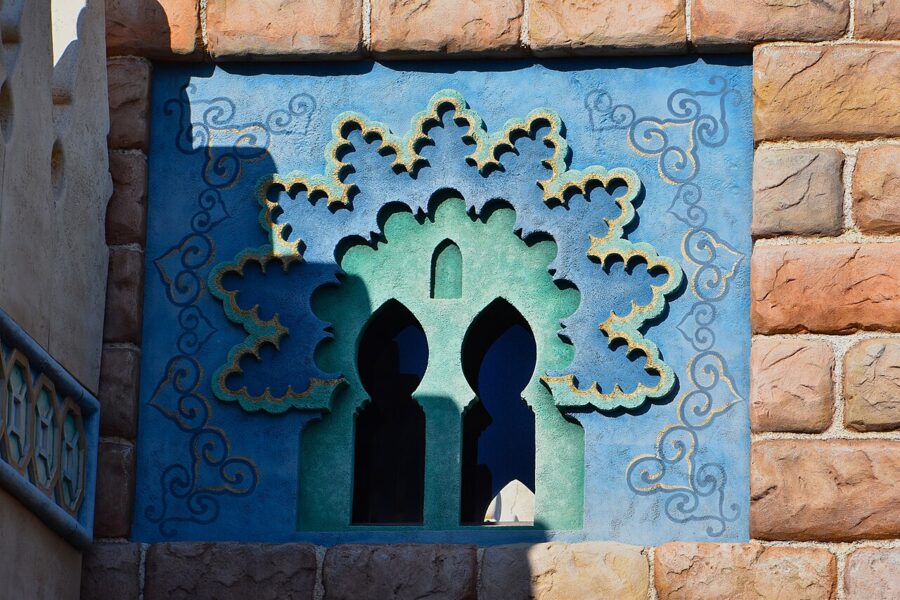
Arabian Coast is Aladdin’s Agrabah, a walled port of domes and courtyards. Sindbad’s Storybook Voyage is a slow boat ride through animated scenes with a song by Alan Menken, and far better than its short line suggests. The Magic Lamp Theater has a magic show with the Genie, and Caravan Carousel is a two-story carousel.


Lost River Delta
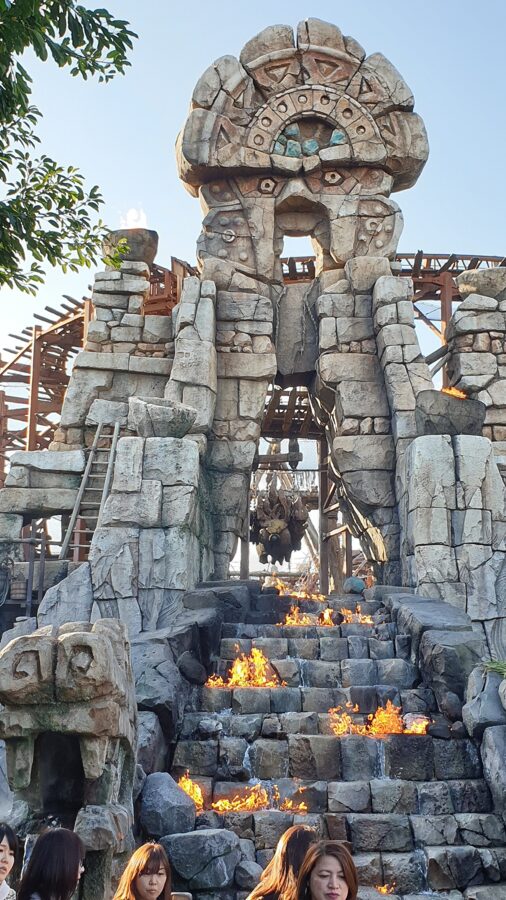
Lost River Delta is a 1930s dig in a Central American jungle, built around a ruined pyramid. Inside it is Indiana Jones Adventure: Temple of the Crystal Skull, a fast, rough jeep ride in the dark, closed for refurbishment since August 18, 2025 and due back on November 30, 2026. Expect long lines when it returns.
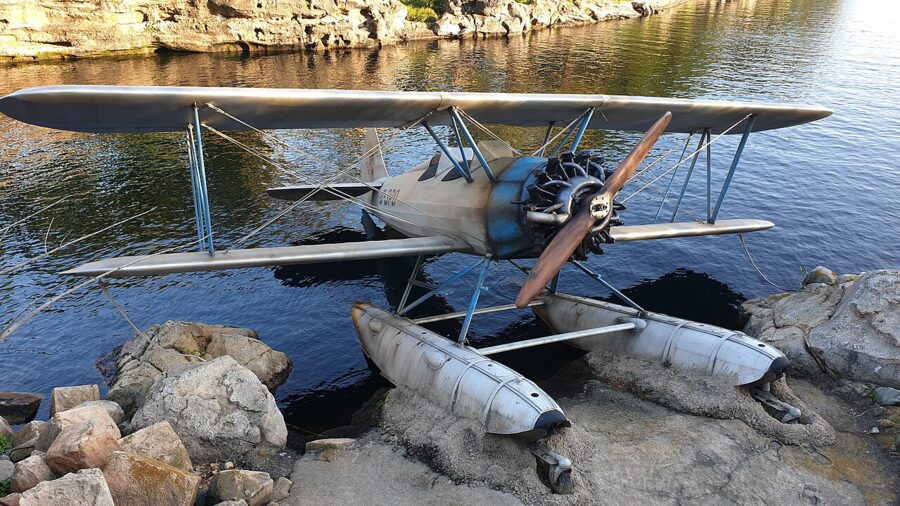

Next door, Raging Spirits is a short coaster with a 360-degree loop through a temple full of fire and steam; it closes from March 17 to April 10, 2027. A stage nearby holds the show Dreams Take Flight, with seats given by a free lottery in the app.

Port Discovery
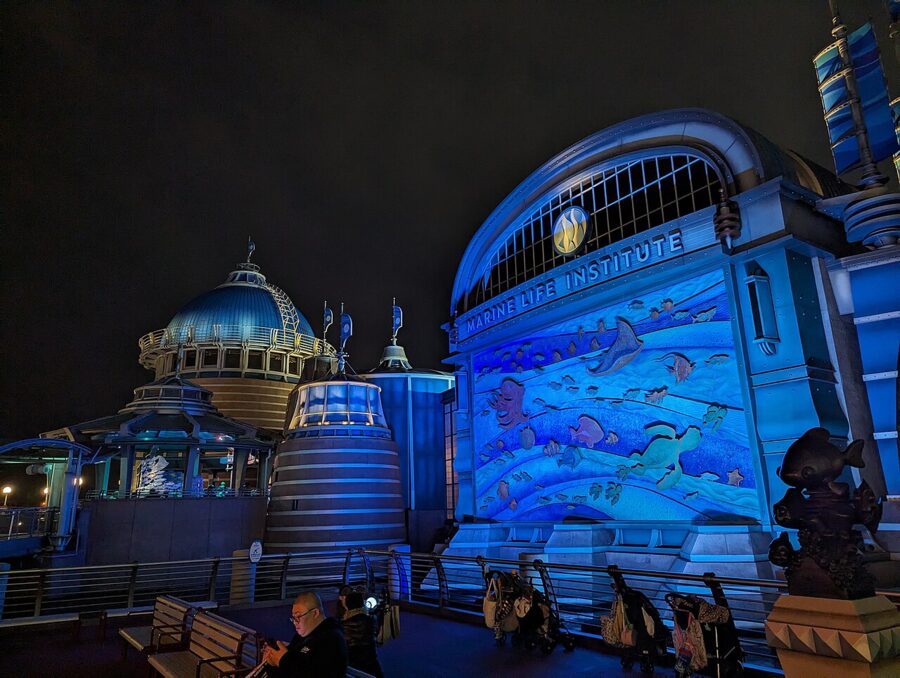
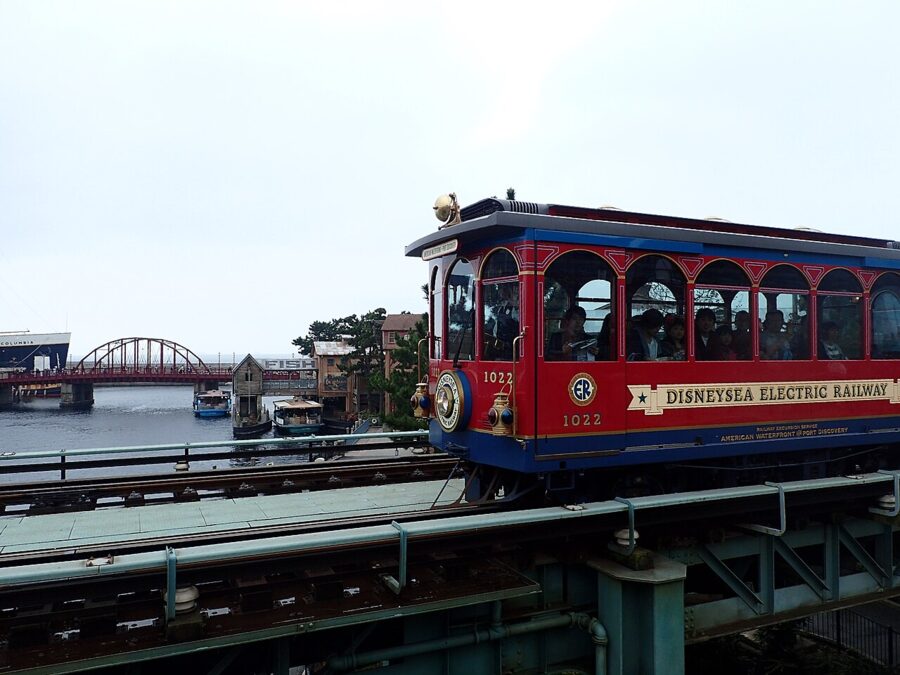
Port Discovery is a marina from a future imagined in the past. Nemo & Friends SeaRider is a motion simulator in which your “submarine” shrinks to fish size and follows Nemo and Dory. The DisneySea Electric Railway runs from here on a raised track to American Waterfront.

American Waterfront
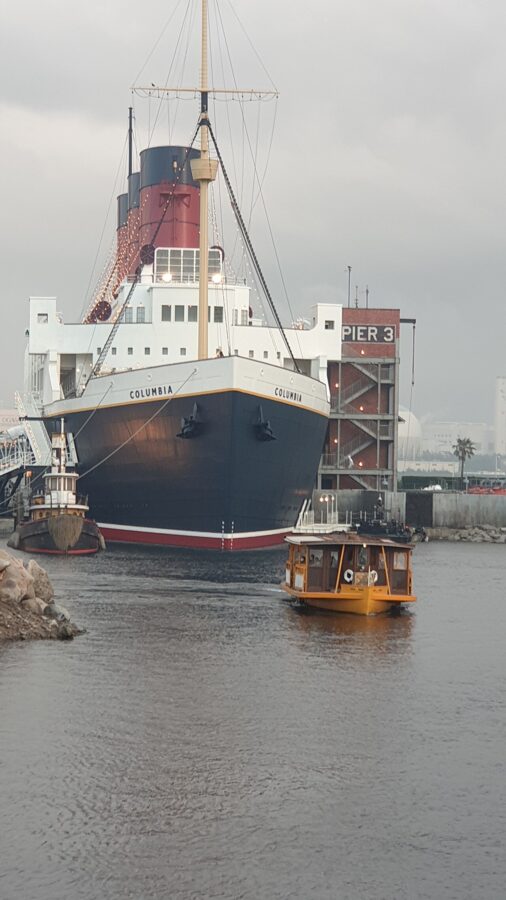
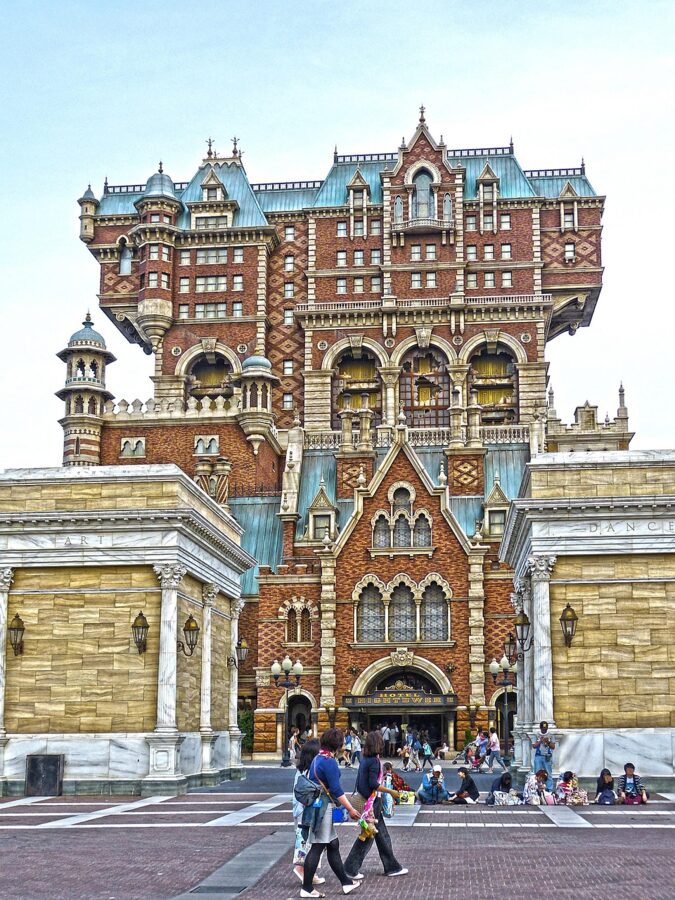
American Waterfront is New York harbor and a Cape Cod village in the early 1900s, with the ocean liner S.S. Columbia at its center. Tower of Terror, the haunted Hotel Hightower, holds an elevator drop ride; from January 13 to March 31, 2027 it runs a special version, Tower of Terror: Level 13.

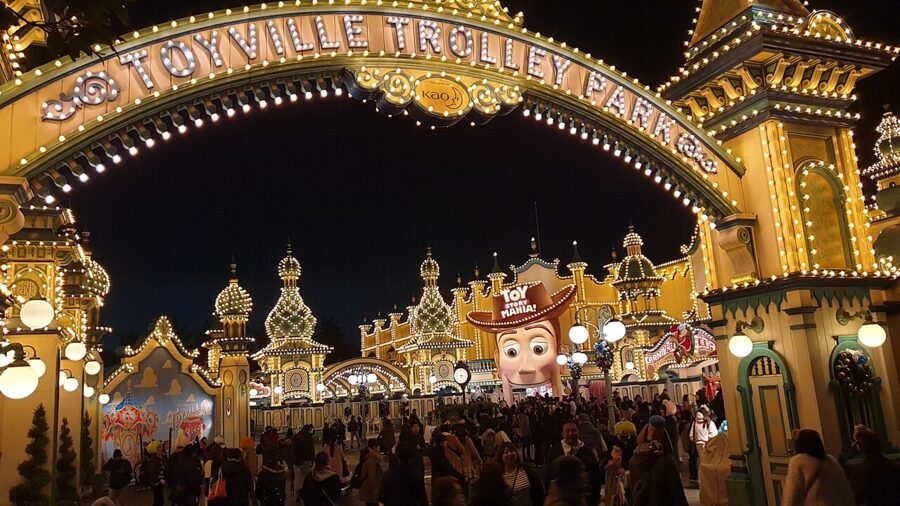
Toy Story Mania!, behind the carnival gate of Toyville Trolley Park, is a shooting game on a moving tram with 3-D glasses and no height limit. Every age can share it, which is why its line matched Tower of Terror’s on that holiday afternoon.

Fantasy Springs, the port added in 2024
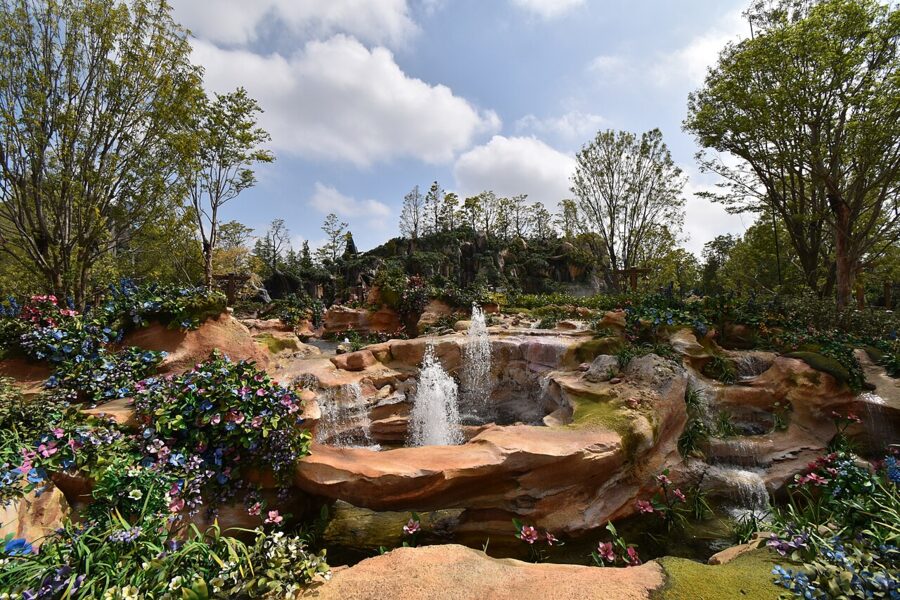
The eighth port opened on June 6, 2024. It is laid out as three Disney film worlds fed by one magic spring: the Frozen Kingdom, Rapunzel’s Forest and Peter Pan’s Never Land. It feels most like the other Disney parks, and it is the busiest part of DisneySea.

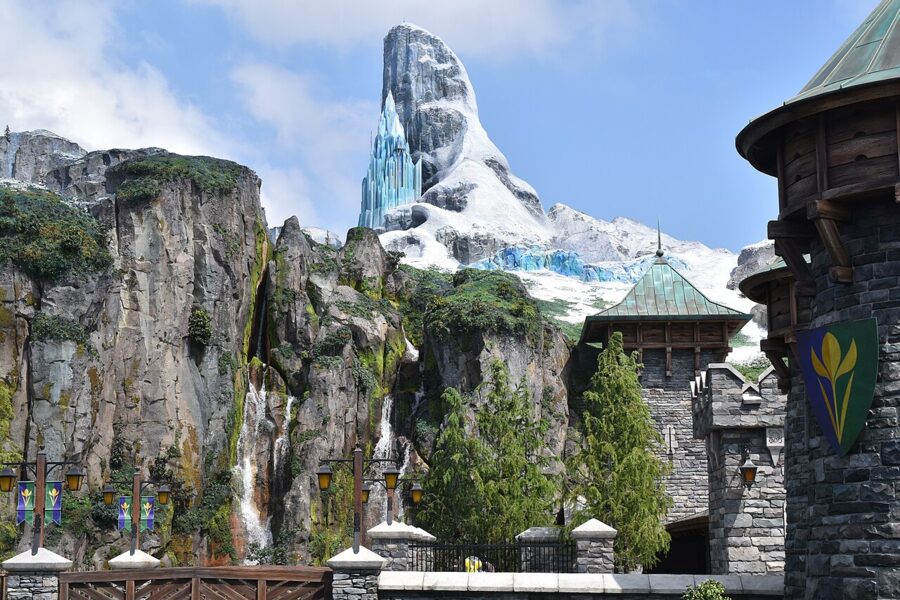
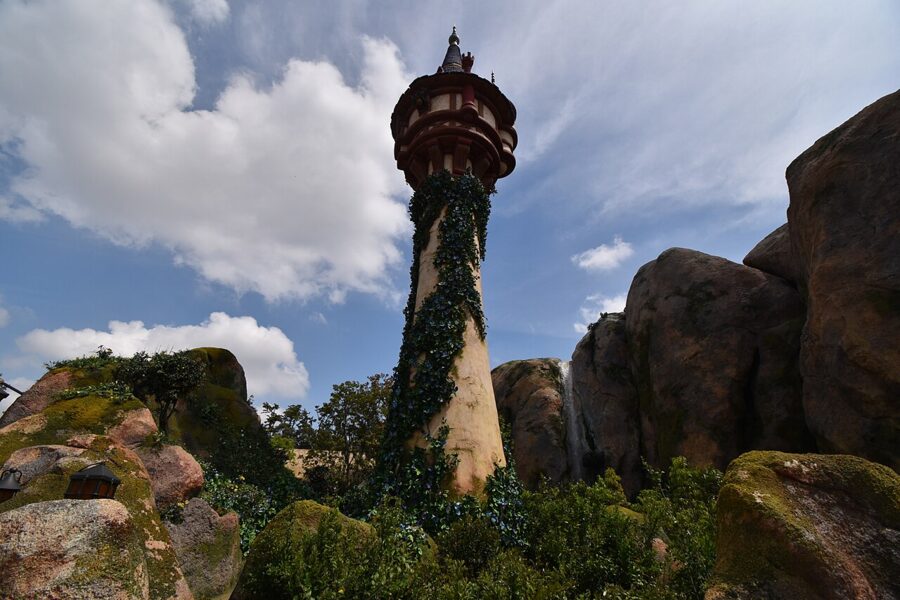
Anna and Elsa’s Frozen Journey is a boat ride through the story of Frozen with the film’s songs, and the strongest of the new rides; it closes from April 7 to April 30, 2027. Rapunzel’s Lantern Festival is a shorter boat ride that ends among floating lanterns.


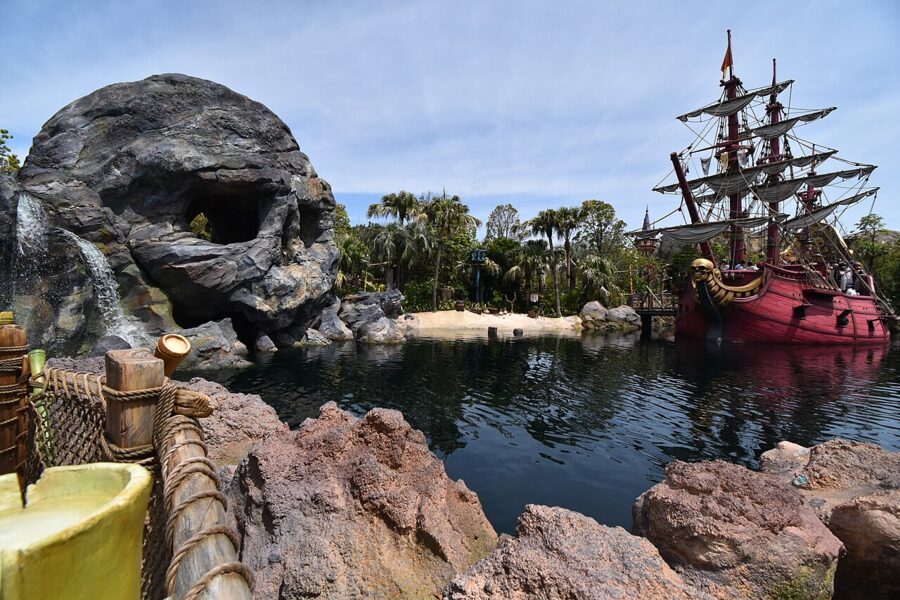
Peter Pan’s Never Land Adventure puts you in a flying boat with 3-D glasses for a fight with Captain Hook. Fairy Tinker Bell’s Busy Buggies is a gentle ride for the smallest children. As of November 2026 the official Standby Pass list covers shops, not these rides, so you join each line in the normal way.

Tickets and prices by date
Tickets are sold for a fixed date and park, and the price changes with the day. They go on sale online at 2 p.m. Japan time for the same date two months later, and busy dates sell out. Buy on the official ticket page by card, and check that it says DisneySea, not Disneyland.
| Ticket (as of November 2026) | Adult (18+) | Junior (12-17) | Child (4-11) |
|---|---|---|---|
| 1-Day Passport | ¥8,900 to ¥12,400 (about US$60 to US$85) | ¥7,400 to ¥10,200 (about US$50 to US$70) | ¥5,300 to ¥5,900 (about US$35 to US$40) |
| After 3 Passport (weekends and holidays, from 3 p.m.) | from ¥7,900 (about US$55) | from ¥6,600 (about US$45) | from ¥4,400 (about US$30) |
| After 5 Passport (weekdays, from 5 p.m.) | from ¥5,400 (about US$35) | from ¥4,600 (about US$30) | from ¥3,600 (about US$25) |
Children aged 3 and under go free. ¥8,900 is the lowest adult price the official page lists for the dates now on sale. On the calendar for late November and December 2026, an adult pays ¥10,900 on weekdays, ¥11,900 on Sundays and ¥12,400 on Saturdays and Christmas Day.
The ¥12,400 band is new: Oriental Land raised its top price from ¥10,900 for visits from October 2026. Read the calendar for hours too: most days in that period run 9 a.m. to 9 p.m., but November 27 closes at 6:30 p.m. For cards, cash and IC cards in the rest of Japan, see Japanese currency.
Premier Access, the Standby Pass and the app
Everything that saves time runs through the Tokyo Disney Resort App, which has an English version and needs a MyDisney account. Install it and sign in at home, and sort out data for your phone before you fly; phone rental and eSIM options covers that. The app and the boards in the park both show the 待ち時間 (machi jikan, wait time) for every ride.
Disney Premier Access is the paid option: a return time for one ride, per person, bought in the app. Each park ticket holds one at a time, and you can buy the next 60 minutes after the last purchase or when your return time arrives, whichever comes first. Numbers are limited, and payment is by credit, debit or prepaid card.
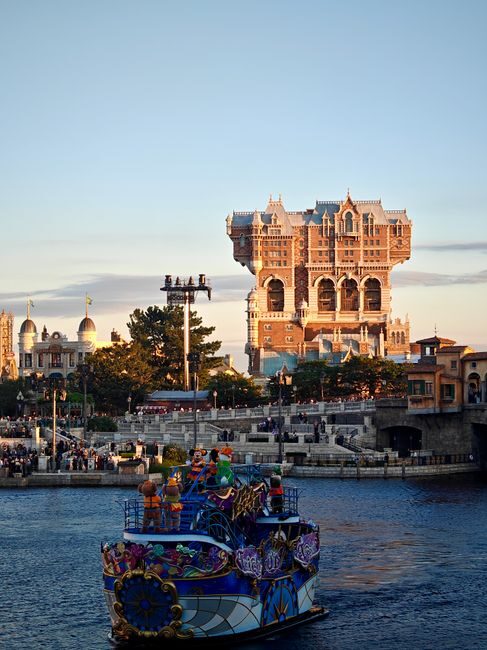
For shows, Premier Access buys a reserved viewing spot; for the evening harbor show it costs ¥2,500. The Standby Pass is free and is not a skip-the-line ticket. It gives you a time to join the queue at places that would otherwise be swamped, which at DisneySea in November 2026 means certain shops and capsule-toy machines.
A third system, the Entry Request, is a free lottery for some show seats. The app also books tables at the sit-down restaurants through Priority Seating.
How to plan one day
Arrival and the first hour
Opening is usually 9 a.m., but the park may let people in earlier without notice, and Japanese visitors line up well before. I would be at the gate an hour ahead on a weekday and longer on a weekend. Construction around the entrance is scheduled to last until March 2029, and some paths near the gate are closed meanwhile.
Once through the gate, walk straight to the ride you would hate to miss, usually Soaring or Frozen Journey, and buy a Premier Access for the other as you walk. That one move covers the two longest lines of the day.
Late morning to afternoon
Ride the second tier while lines are still building: Tower of Terror, Journey to the Center of the Earth, Raging Spirits, SeaRider. Eat before 11 a.m. or after 2 p.m. The early afternoon is for Arabian Coast, Mermaid Lagoon, 20,000 Leagues and the gondolas, whose waits barely move all day.

With children, plan around heights. Under 90 cm, most of Mermaid Lagoon, all of Arabian Coast, Toy Story Mania! and three Fantasy Springs rides are still open to you. At the bigger rides, ask a cast member about Rider Switch, which lets one adult ride while the other waits with the child, then swap without queuing twice.
Without children, put the 117 cm rides first, take a drink in the afternoon, and save the scenery for after dark.
Evening and the night show
Believe! Sea of Dreams, the 30-minute night show on Mediterranean Harbor, was set for 7:30 p.m. on the November 2026 show schedule, and it pauses from January 6 to February 4, 2027. A projection show on Hotel MiraCosta, Sparkling Jubilee Night, runs at 8:15 and 8:55 p.m. until March 31, 2027. Fireworks run most nights unless the wind is too strong.
The evening show is also when the big ride lines fall, so decide in advance whether this is a show night or a ride night.
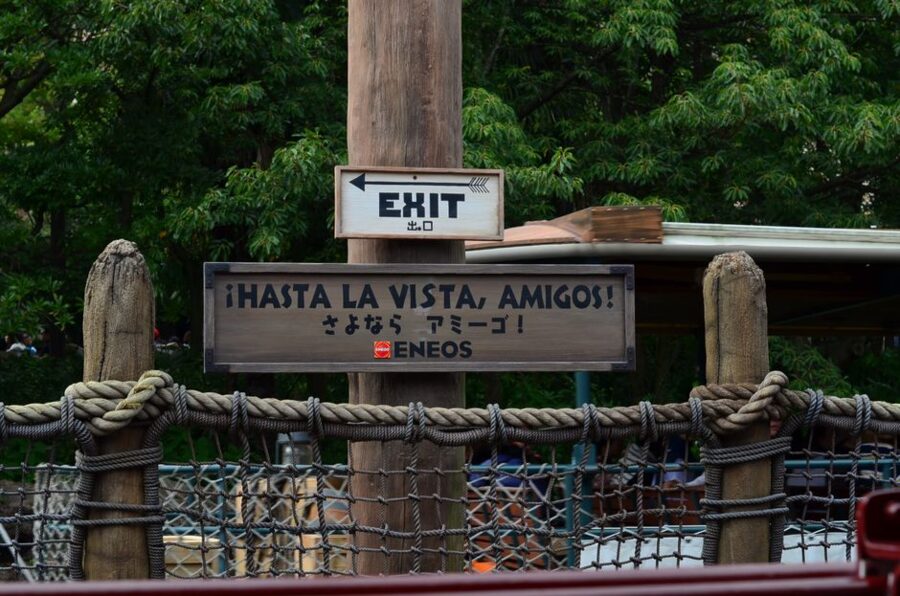
What to eat and drink
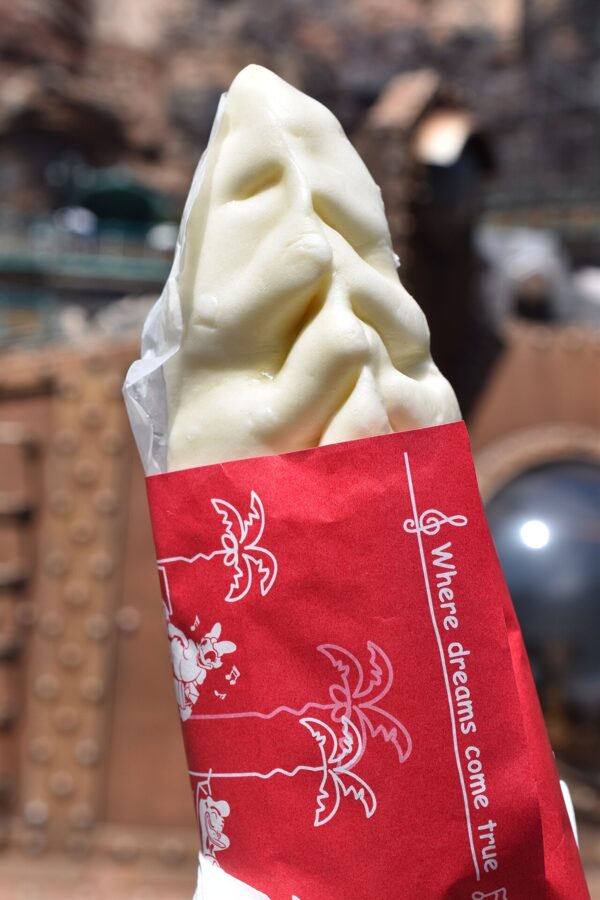
The park’s best-known snack is the gyoza dog, a long steamed bun stuffed with a gyoza-style meat filling. Popcorn is a sport of its own: each wagon sells its own flavor, flavors change through the year, and the souvenir buckets are made for a limited time. Lines at popular wagons can match a ride’s, so check the flavor before you join.

Beer and wine are sold at many counters and restaurants, and The Teddy Roosevelt Lounge, on C deck of the S.S. Columbia, serves cocktails and meals around a fireplace. Magellan’s, inside the fortress in Mediterranean Harbor, is the park’s most formal restaurant, with food from around the world and a wide choice of wine. I would book either through Priority Seating as soon as your date opens.
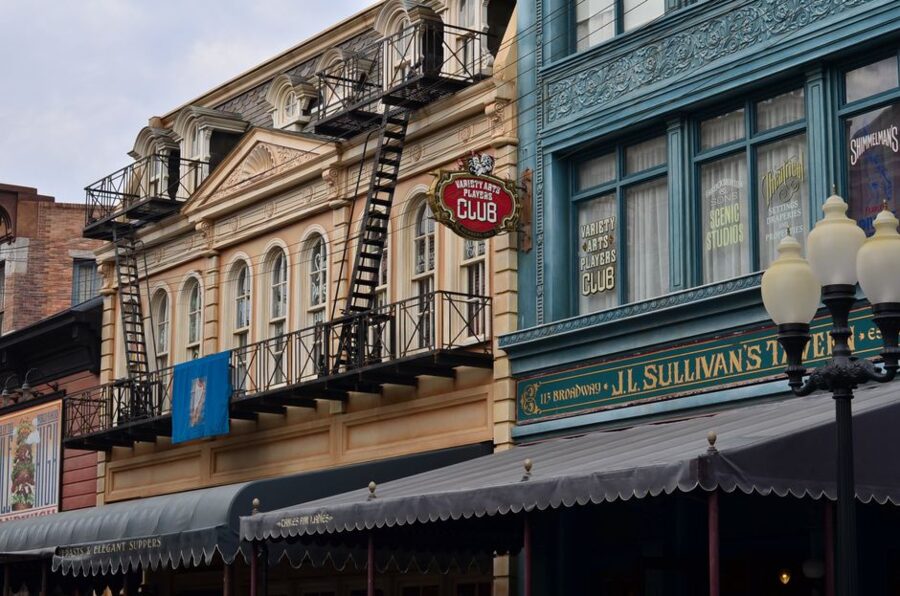
If you like the lounge, you will like an evening in an izakaya back in Tokyo.
Getting there from Tokyo
The station is Maihama, on the JR Keiyo Line, about a quarter of an hour from Tokyo Station; some Musashino Line trains stop there too. At Tokyo Station, follow the signs for 京葉線 (Keiyō-sen, Keiyo Line). The Keiyo platforms are deep underground at the south end, and the walk from the main concourse takes ten minutes or more.
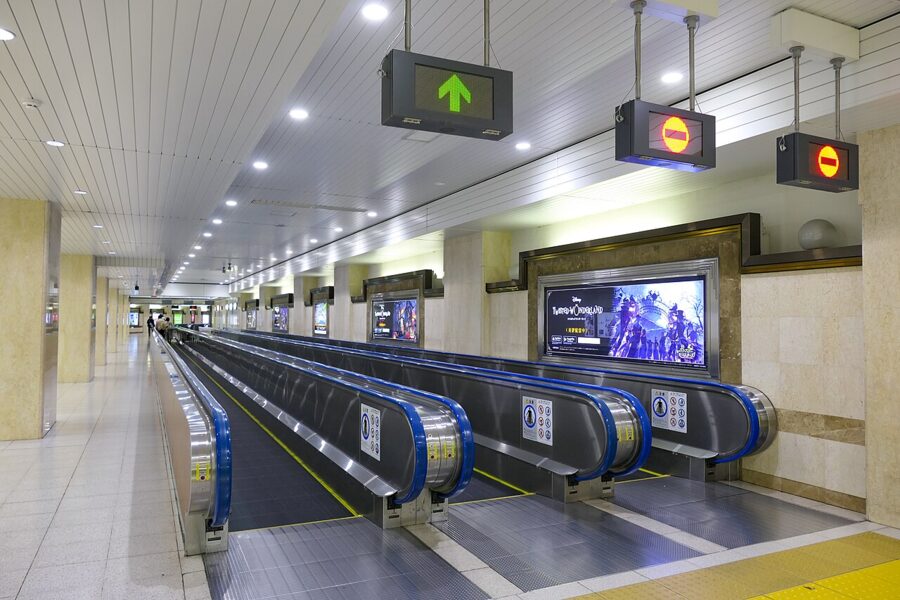

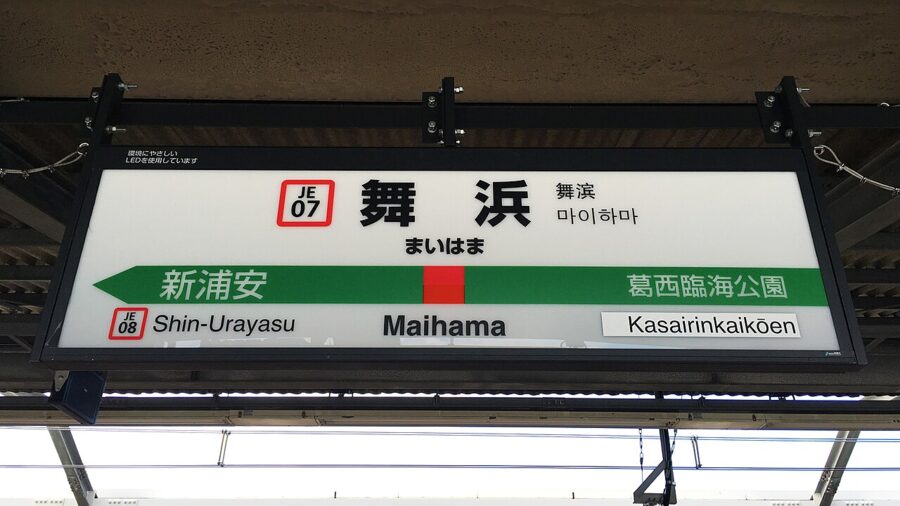

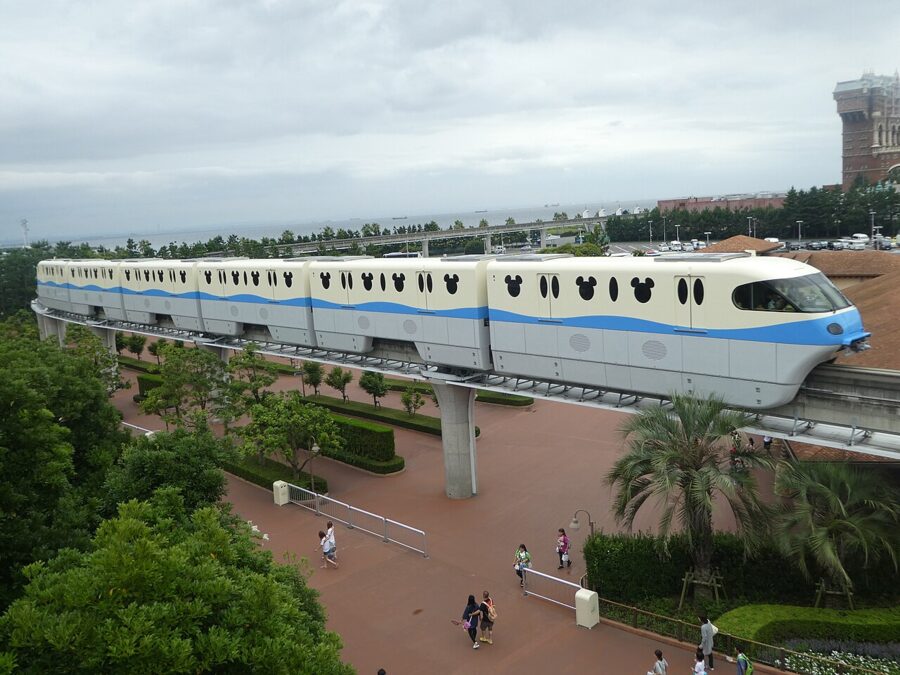
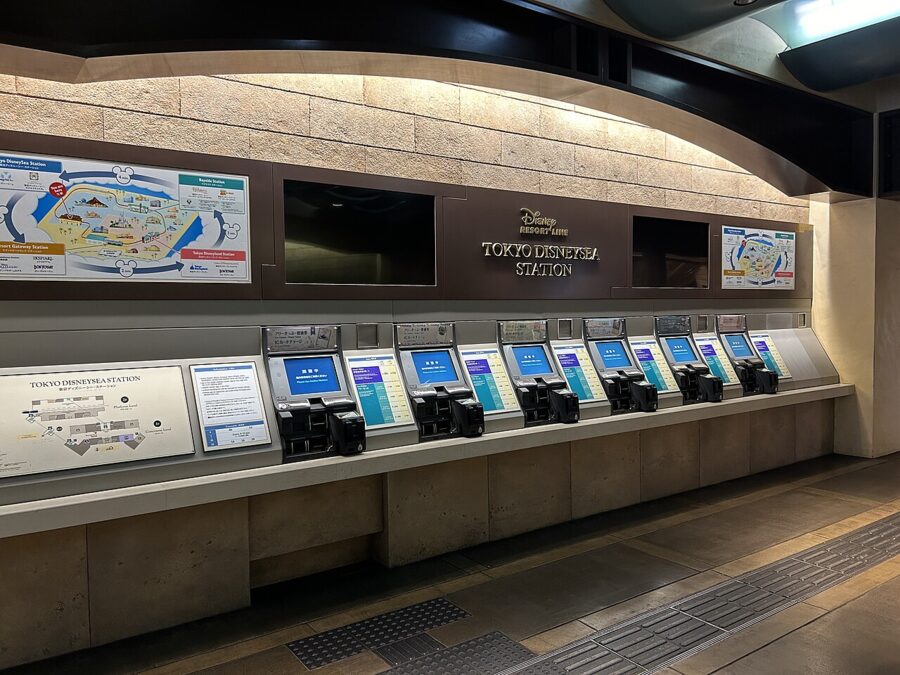
From Maihama, cross to Resort Gateway Station and take the Disney Resort Line, a monorail that loops one way past four stations in about 13 minutes. Get off at Tokyo DisneySea Station, outside the gate. IC cards such as Suica and PASMO work, and day passes are sold at the machines. On foot, Maihama to the gate is roughly 20 minutes.
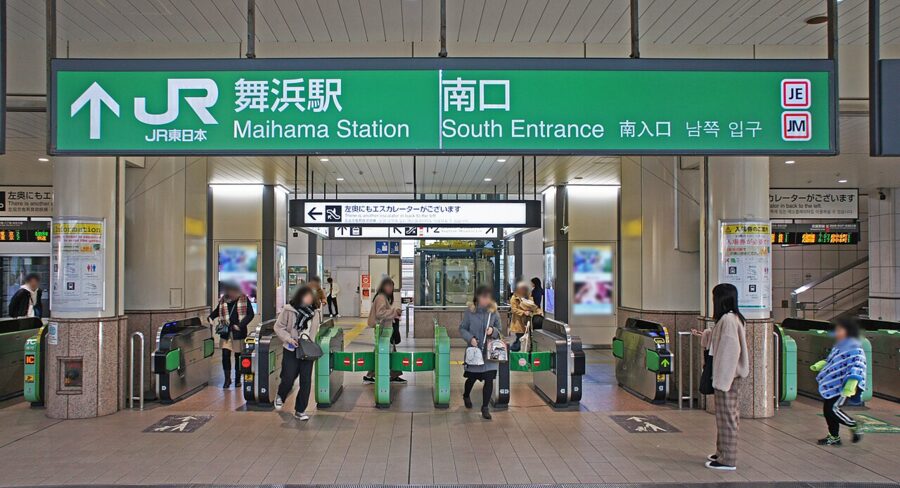


Station signs spell the park in katakana, ディズニーシー, the script Japan uses for foreign words. If you have learned hiragana, katakana is the next set, and the cast at the gate will greet you with the Japanese hello either way.
Staying next to the water: MiraCosta and Fantasy Springs Hotel
Two hotels are built into the park. Tokyo DisneySea Hotel MiraCosta is the Italian town around Mediterranean Harbor, and some rooms look over the park and Tokyo Bay. The Fantasy Springs Hotel opened with the new port in 2024, with a luxury wing, Grand Chateau, and a deluxe one, Fantasy Chateau, and its own entrance into Fantasy Springs. Guests at either can buy park tickets at the hotel even when dates have sold out online, and under the Happy Entry benefit they enter 5 to 15 minutes early during the construction, though rides start at the normal opening.

When to go: weekdays, school holidays and the price calendar
The ticket calendar is the best crowd forecast you will get, because the price follows expected demand. A ¥10,900 weekday will be calmer than a ¥12,400 Saturday. Japanese school holidays fill the park: spring break from late March into early April, Golden Week in early May, summer from late July through August, and Christmas to New Year.
National holidays count as weekends, as November 23 showed; for the calendar and the weather by month, see the best times to visit Japan. Summer on Tokyo Bay is hot and humid and much of DisneySea is outdoors, so midsummer is the month I would avoid.

Check the closures list before you buy. In the first half of 2027, Journey to the Center of the Earth, Raging Spirits and Frozen Journey each close for weeks, and a date that misses your favorite ride is worth moving.
DisneySea or Disneyland if you only have one day
One day covers DisneySea’s main rides if you arrive early and use Premier Access once or twice. It does not cover everything, and the ports spread around the water, so it feels bigger than Disneyland on foot.
Choose DisneySea if you are adults, have been to a Disney park before, or have children tall enough for the 102 cm rides. Choose Tokyo Disneyland if your children are small, if you want a daytime parade and a castle, or if this is anyone’s first Disney park. For how a Disney day fits a family trip, see Japanese vacation spots.
Is it worth it? At ¥10,900 or more a head, with three-hour lines on the worst days, it is no casual add-on. For anyone who loves good design and will start early, it is the theme park day in Japan I would not trade, and the rest of your Tokyo days can go on the city, from Tokyo Tower outward.
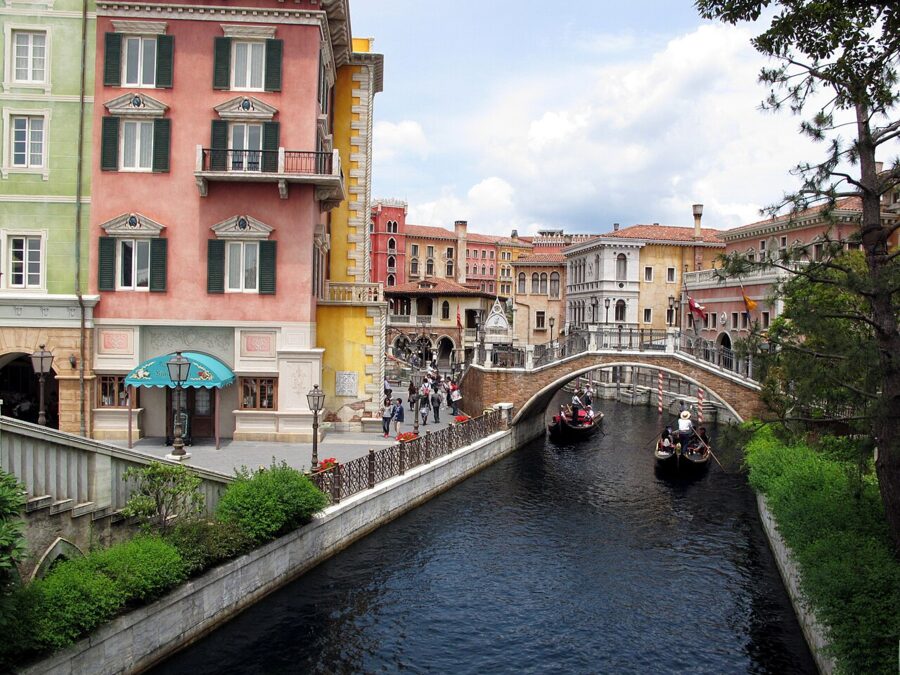

Pick the one ride you would hate to miss, and be walking toward it when the gate opens. By the time its sign reads 220 minutes, you can be in a gondola on the Venetian canals, with the volcano behind you and no queue in sight.