
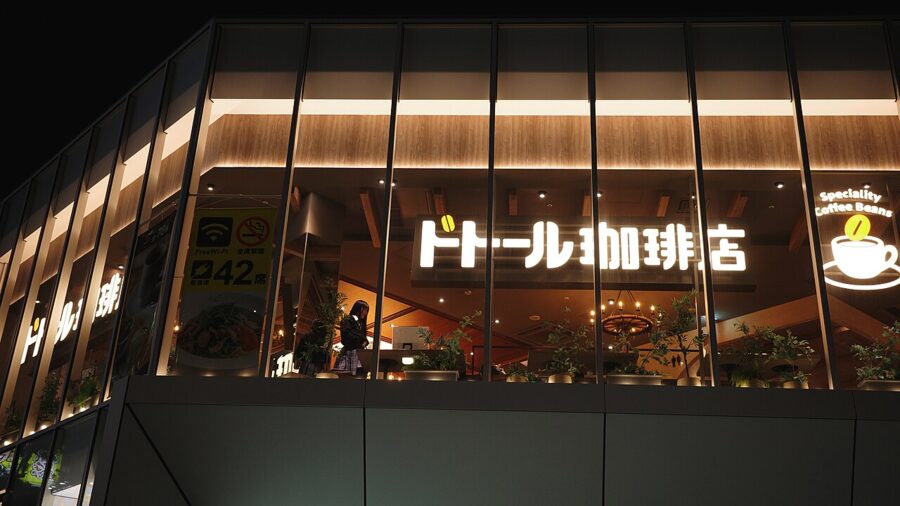

On a Japanese café menu, coffee is written コーヒー: four characters that read kōhī, and the word is English. Most of what a visitor has to read in a hurry, the drinks, the shop names, the taxi rank, the platform, is like that. It is a borrowed word spelled in katakana, the straight-edged script that sits beside hiragana and kanji.
Key facts Reading
- レギュラーコーヒー
- regyurā kōhī
- コロンビヤコーヒー
- koronbiya kōhī
- ブルーマウンテンコーヒー
- burū maunten kōhī
- レモンスカッシュ
- remon sukasshu
- カフェオーレ
- kafe ōre
- 紅茶 ホット・アイス
- kōcha hotto / aisu
- トースト バター・ジャム
- tōsuto batā jamu
- ココア
- kokoa
On this page
- What katakana is for
- Where the straight lines came from
- The katakana chart: 46 sounds and the marks that stretch them
- How English bends into katakana, and how to bend it back
- The katakana a visitor reads first
- Lookalikes: シ and ツ, ソ and ン
- Your own name in katakana
- How to learn katakana in a week after hiragana
Katakana has 46 basic characters, with the same sounds as the 46 of hiragana in a different hand. If you already read hiragana, katakana is about a week of short sessions. If you don’t, learn hiragana first; the sounds carry straight across.
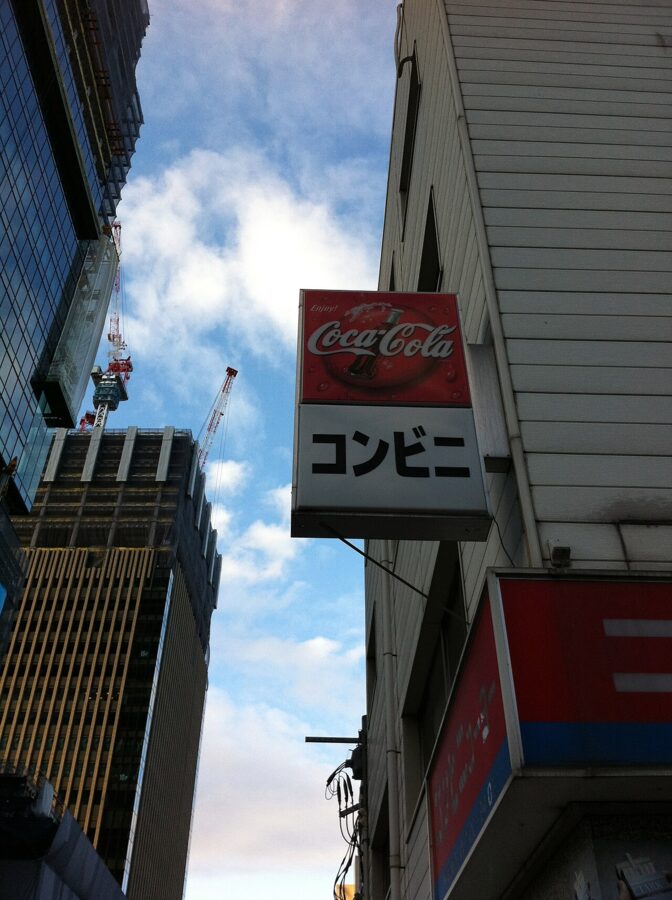

Nothing else in written Japanese pays back as fast. The characters are few, and the words are mostly ones you already know.

What katakana is for
Written Japanese mixes three scripts in one line. Kanji (漢字), the characters borrowed from Chinese, carry meaning. Hiragana writes grammar and native words. Katakana (カタカナ) has a narrower list of jobs:
- Words from other languages. テレビ (terebi, television), ホテル (hoteru, hotel), パン (pan, bread, borrowed from Portuguese). Katakana marks a word as borrowed at a glance.
- Foreign names and places. アメリカ (Amerika), ロンドン (Rondon), and your own name on a booking.
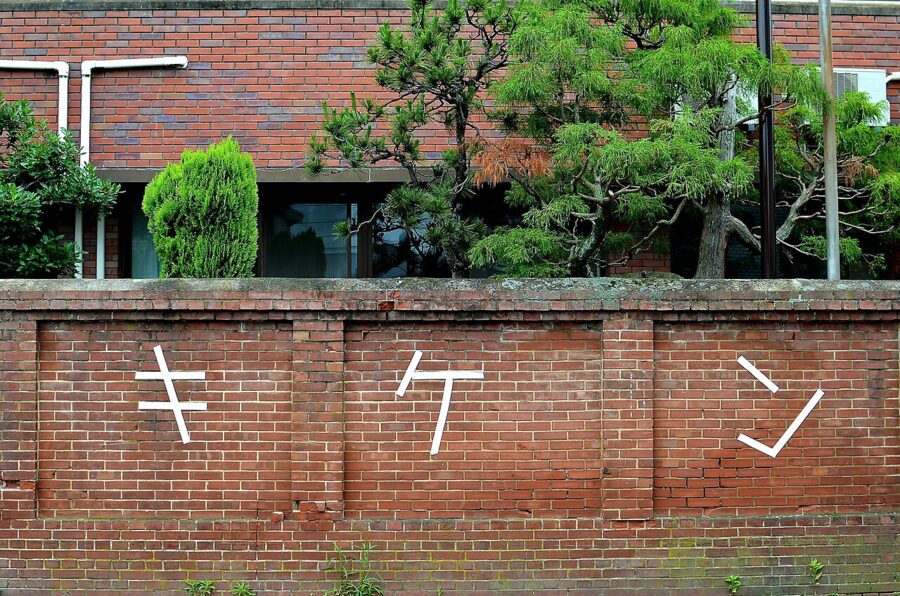
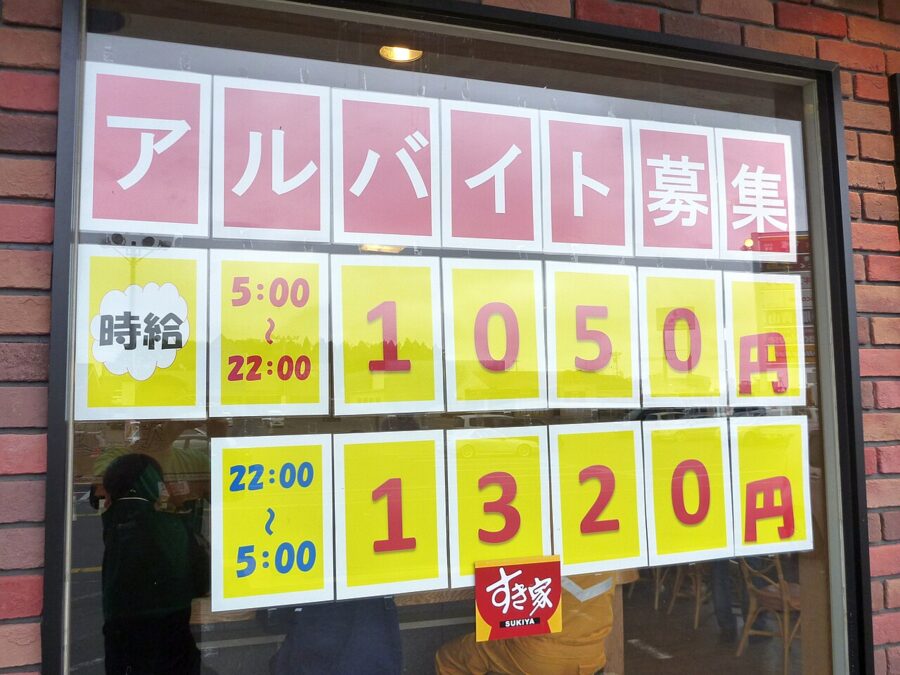
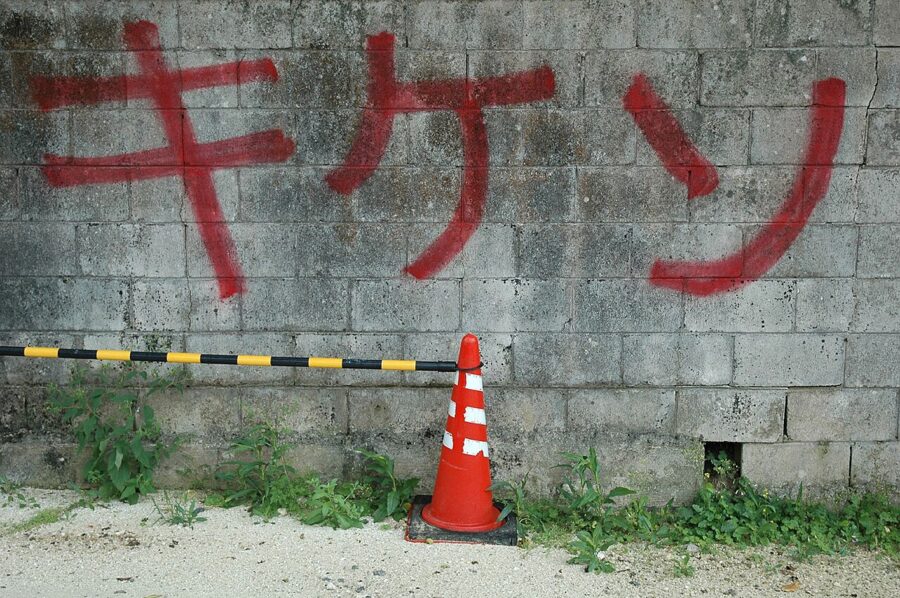
- Emphasis. Katakana does what capitals or italics do in English: a warning may write キケン (kiken, danger) instead of the kanji 危険.
- Sound words. ドキドキ (a pounding heart), ワンワン (a dog’s bark), and ペコペコ, which describes both being starving and bowing over and over.
- Plants and animals in science. The tree tracked in cherry blossom forecasts is ソメイヨシノ (Somei-yoshino), written in katakana as species names usually are.
One menu taken apart
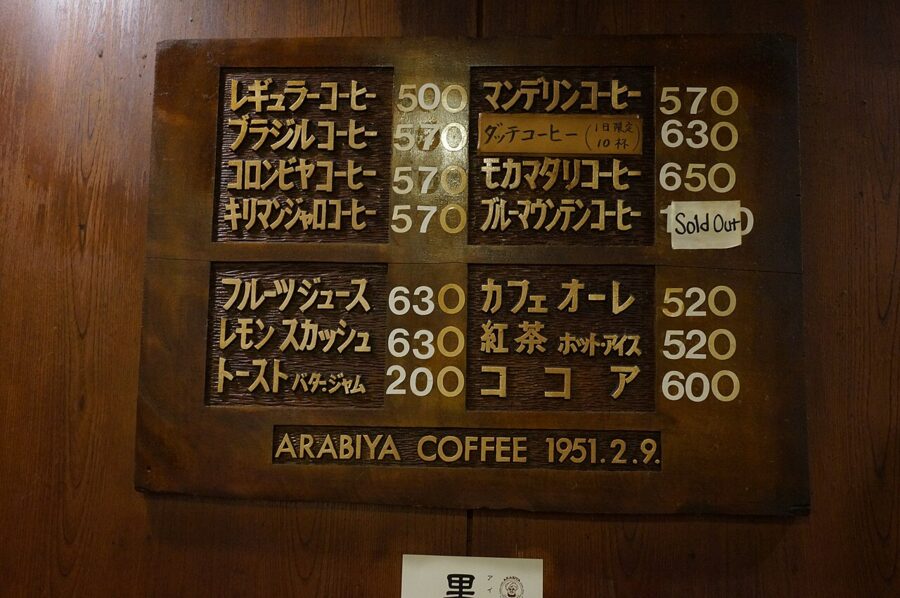

Sound the board out and the drinks appear:
| On the board | Reading | What it is |
|---|---|---|
| レギュラーコーヒー | regyurā kōhī | regular coffee, the house blend |
| コロンビヤコーヒー | koronbiya kōhī | Colombian coffee, in an older spelling (today コロンビア) |
| ブルーマウンテンコーヒー | burū maunten kōhī | Blue Mountain coffee, from Jamaica |
| レモンスカッシュ | remon sukasshu | lemon squash, a lemon soda |
| カフェオーレ | kafe ōre | café au lait, borrowed from French |
| 紅茶 ホット・アイス | kōcha hotto / aisu | black tea, hot or iced |
| トースト バター・ジャム | tōsuto batā jamu | toast with butter and jam |
| ココア | kokoa | cocoa |
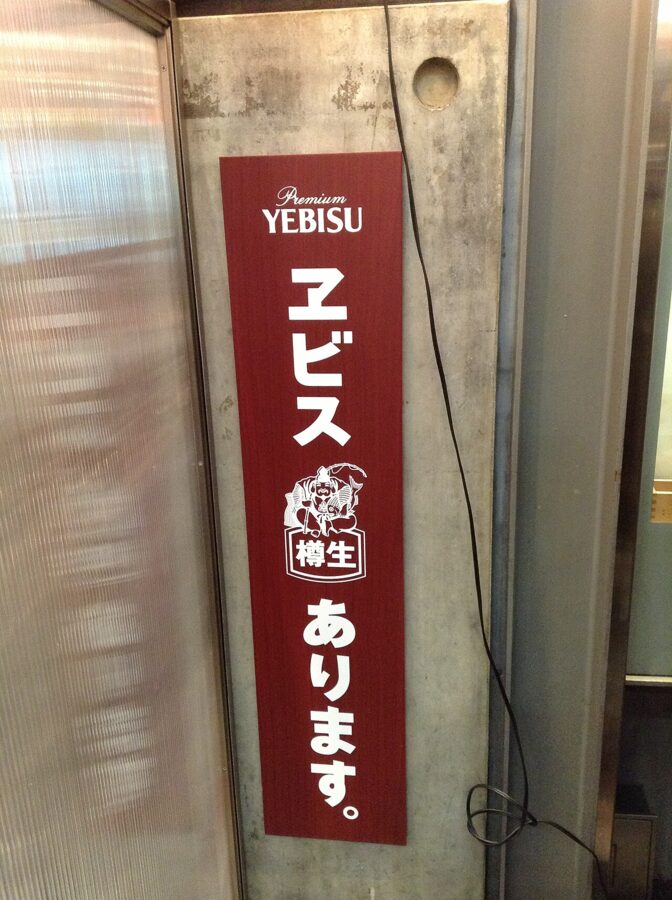
Two words on that board do a lot of work in Japan. ホット (hotto) on its own means a hot coffee, and アイス (aisu) means iced, or, standing alone on a shop sign, ice cream.


Where the straight lines came from
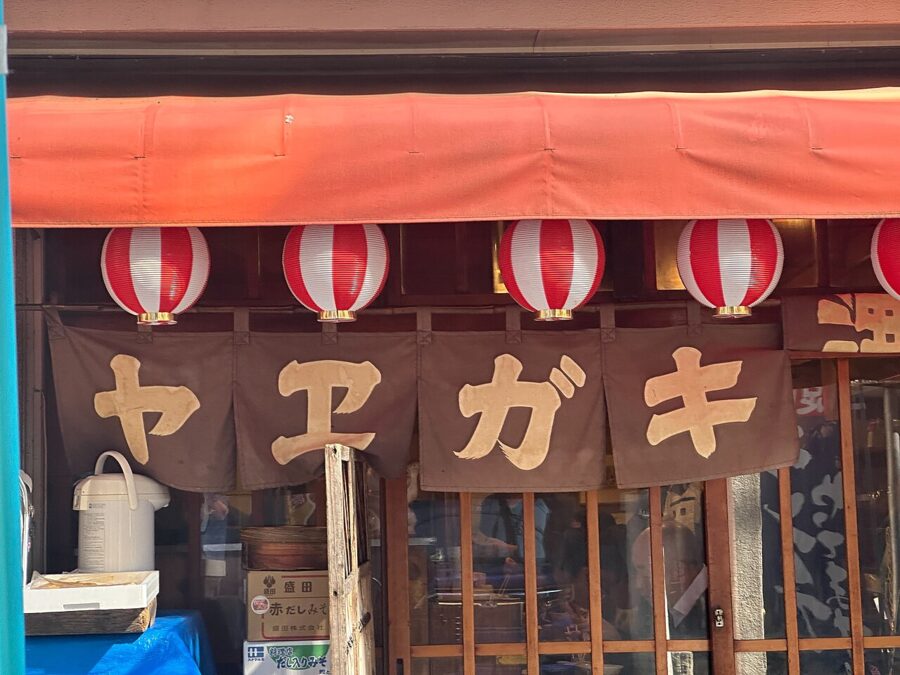
Katakana began as shorthand. In the early Heian period, around the ninth century, Buddhist scholar-monks reading Chinese sutras wrote small marks beside the text to show how to read it in Japanese, and to save space they wrote only part of each character. The name says so: 片 (kata) means a fragment, and katakana are fragment letters.
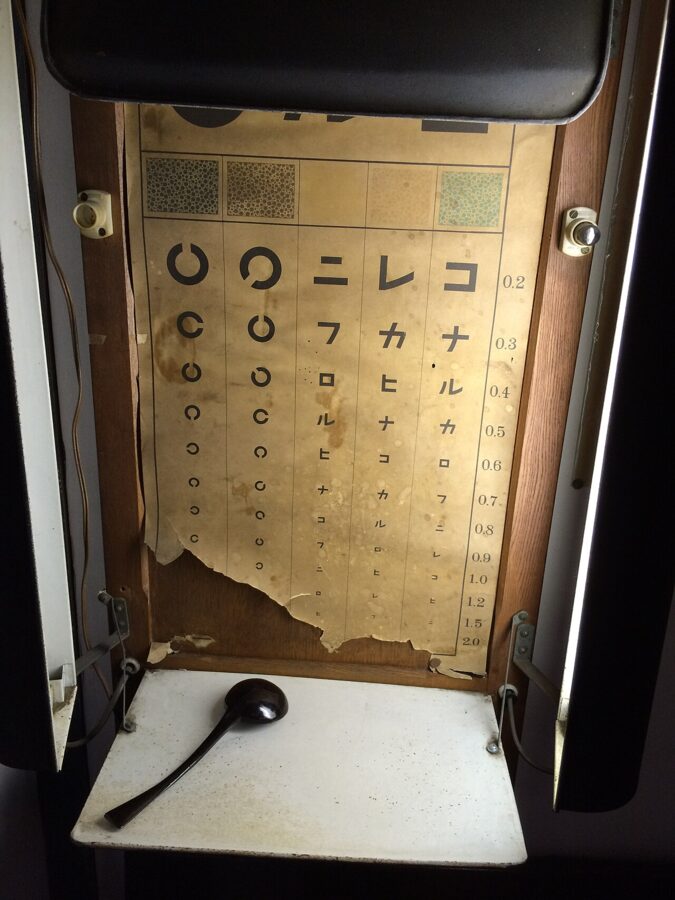
ア is the left side of 阿, イ the left side of 伊, ウ the top of 宇. Some are whole simple kanji: チ from 千, ニ from 二, ハ from 八. Others keep only the first strokes, like ク from 久, or the last ones, like ホ from 保. Hiragana grew from cursive whole characters, hence the curves.
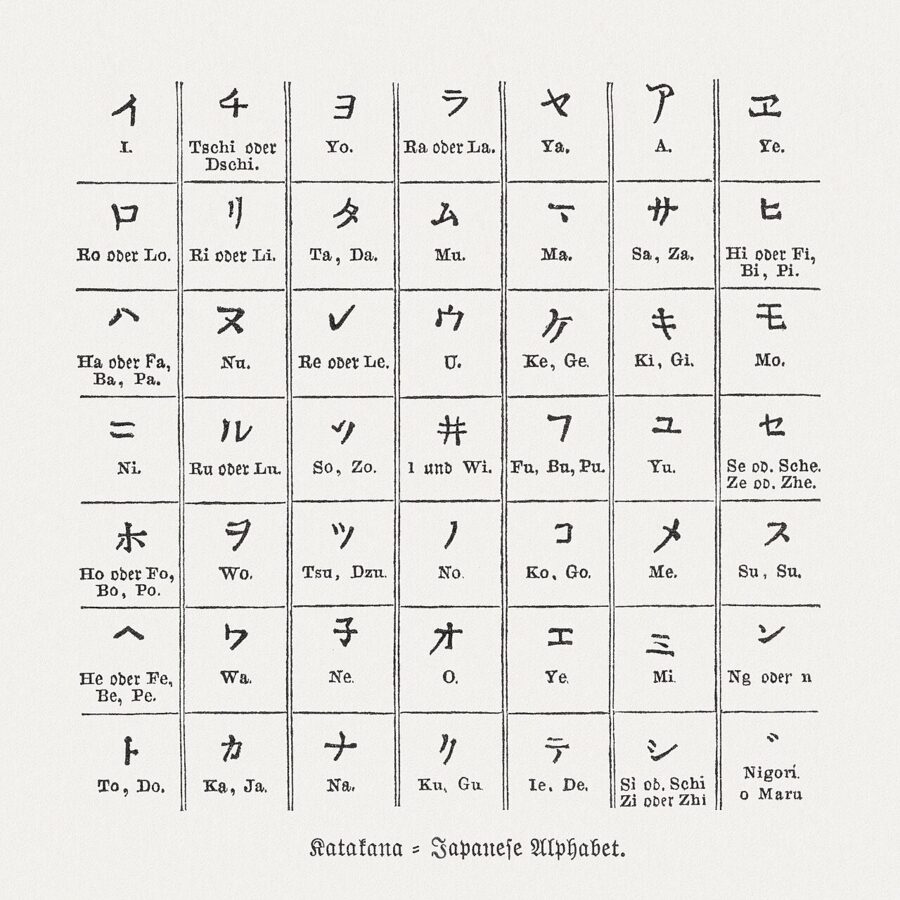
Japan’s laws were printed in kanji and katakana until after the Second World War, when the new constitution was written with hiragana and later laws followed. The character shapes taught today were fixed for schools in 1900, and ン joined the set later than the others.



The katakana chart: 46 sounds and the marks that stretch them
The basic set runs in the same order as hiragana, five vowels across, consonant rows down. Read each row left to right: a, i, u, e, o, then ka, ki, ku, ke, ko.
| a | i | u | e | o | |
|---|---|---|---|---|---|
| – | ア a | イ i | ウ u | エ e | オ o |
| k | カ ka | キ ki | ク ku | ケ ke | コ ko |
| s | サ sa | シ shi | ス su | セ se | ソ so |
| t | タ ta | チ chi | ツ tsu | テ te | ト to |
| n | ナ na | ニ ni | ヌ nu | ネ ne | ノ no |
| h | ハ ha | ヒ hi | フ fu | ヘ he | ホ ho |
| m | マ ma | ミ mi | ム mu | メ me | モ mo |
| y | ヤ ya | ユ yu | ヨ yo | ||
| r | ラ ra | リ ri | ル ru | レ re | ロ ro |
| w | ワ wa | ヲ o | |||
| n | ン n |
ヲ is the katakana twin of the particle を and almost never appears in a borrowed word, so you can leave it until last. The Japanese r is a light tap, somewhere between English r, l and d, which is why one row has to cover two English letters.

Voiced marks
Two small marks change a consonant, as in hiragana. The double tick ゛ (dakuten) voices it: カ ka becomes ガ ga, サ becomes ザ za, タ becomes ダ da, ハ becomes バ ba. The small circle ゜ (handakuten) turns the h-row into p: ハ becomes パ pa. That is how you get バス (basu, bus), ガム (gamu, chewing gum) and パン.
Small letters: ッ, ャ ュ ョ and the rest
A small ッ doubles the consonant after it, a short catch before the sound: カップ (kappu, cup), ベッド (beddo, bed). A small ャ, ュ or ョ after an i-sound fuses into one syllable: キャ is kya, シュ is shu, so ジュース is jūsu, juice. Small ァ ィ ゥ ェ ォ build foreign sounds, below.
The long-vowel bar ー
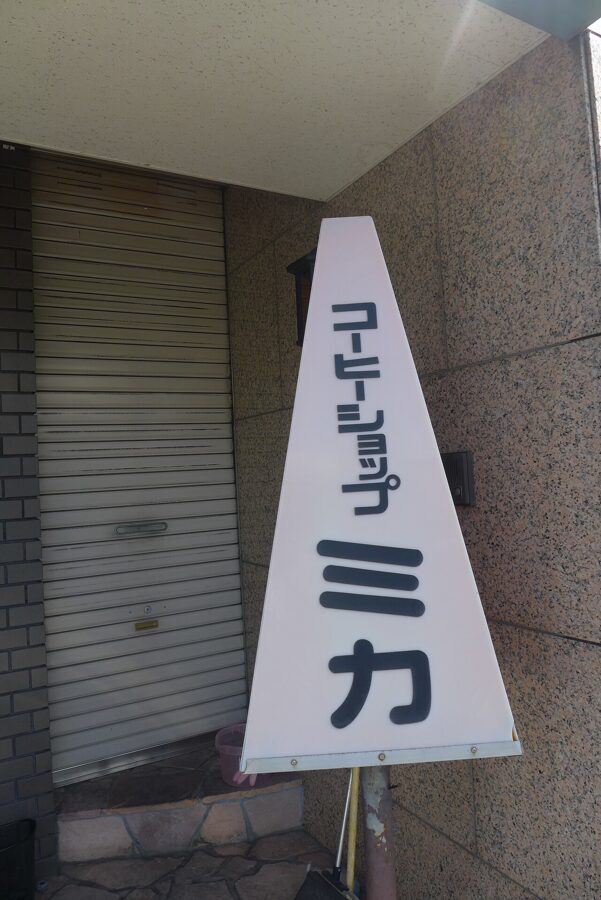
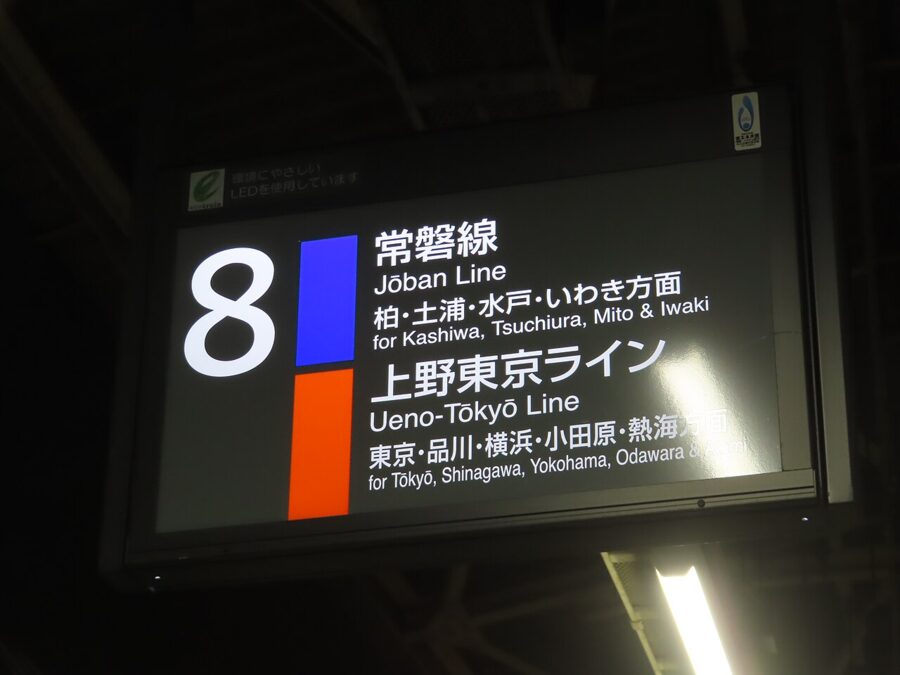
Hiragana marks a long vowel by adding a vowel letter. Katakana uses a bar, ー (chōonpu), which holds the vowel before it for an extra beat. It changes words: ビル (biru) is a building, ビール (bīru) is beer.

English endings in -er, -or and -ar become a long ā with the bar: エレベーター (erebētā, elevator). Japan’s 1991 cabinet notice on loanword spelling, the reference for laws, newspapers and broadcasting, lets custom drop the final bar, so コンピューター and コンピュータ (computer) are both correct.
Letters made for foreign sounds
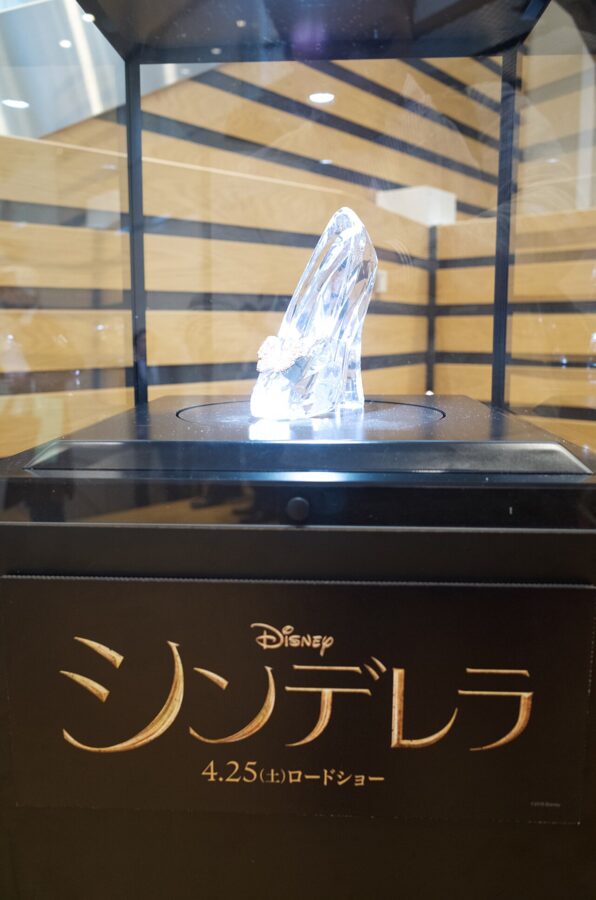
Japanese has no ti, fa or v, so katakana pairs a letter with a small vowel. The 1991 notice’s first table lists the combinations in general use, among them ティ ti, ディ di, ファ フィ フェ フォ and シェ she. That gives パーティー (pātī, party) and ディズニー (Dizunī), the Disney of Tokyo Disneyland.
A second table is optional, for spelling closer to the original: ウィ wi, トゥ tu, and ヴァ ヴィ ヴ ヴェ ヴォ for v. The notice accepts both バイオリン and ヴァイオリン for violin. Words that settled early keep their older shape: ticket is チケット (chiketto), radio is ラジオ (rajio).
How English bends into katakana, and how to bend it back
Japanese syllables end in a vowel or in ン. English words pile consonants together, so on the way into Japanese they collect vowels, and a few English sounds swap for their nearest Japanese neighbor. Once you know the swaps, you can guess most katakana words by saying them out loud.
| English | Katakana | Reading | What happened |
|---|---|---|---|
| strike | ストライク | sutoraiku | vowels added after each consonant |
| milk | ミルク | miruku | l becomes r; u after a final consonant |
| bed | ベッド | beddo | o after t and d; ッ after a short vowel |
| rice | ライス | raisu | r and l share one row |
| vanilla | バニラ | banira | v usually becomes b |
| seat | シート | shīto | si becomes shi |
| cake | ケーキ | kēki | long vowels get the bar; final k takes i |
To read one back, say it quickly, drop the vowels that would not be in English, and swap r for l or b for v if the result is not a word. Su-to-ra-i-ku, said fast, is strike.


Shortened words
Long loanwords get clipped, often to the first two syllables of each part. スマホ (sumaho) is a smartphone, from sumāto fon. パソコン (pasokon) is a personal computer, エアコン (eakon) an air conditioner, リモコン (rimokon) a remote control.

デパート (depāto) is a department store, デパ地下 (depachika) its basement food hall. ファミレス (famiresu) is a family restaurant. On a station platform you will hear ホーム (hōmu), which is the end of プラットホーム, platform, a spelling the 1991 notice lists as settled custom.
Words that look English but are not
Some katakana words were built in Japan from English parts. These wasei-eigo (和製英語), “Japan-made English,” are the ones you can read perfectly and still not understand.
- マンション (manshon): an apartment building or a condo, not a mansion.
- コンセント (konsento): a wall socket.
- サービス (sābisu): service, and often “free, on the house.”
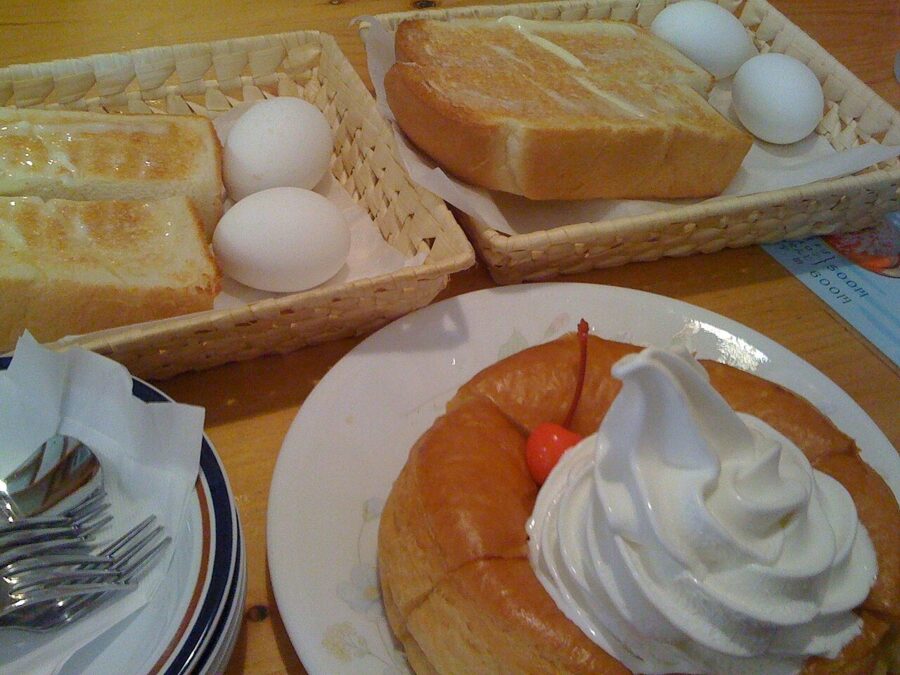
- モーニング (mōningu): a breakfast set served with coffee in the morning.
- バイキング (baikingu, “Viking”): an all-you-can-eat buffet.
- ペットボトル (petto botoru): a plastic drink bottle, from PET plastic, nothing to do with pets.
- ジェットコースター (jetto kōsutā): a roller coaster.

Not every loanword is English, either. パン came with Portuguese traders, イクラ (ikura, salmon roe) is Russian, and アルバイト (arubaito) is the German Arbeit, work, which in Japan means a part-time job.

The katakana a visitor reads first
The same few dozen words turn up all day. These are worth knowing on sight.
At the café and on the menu

| Katakana | Reading | Meaning |
|---|---|---|
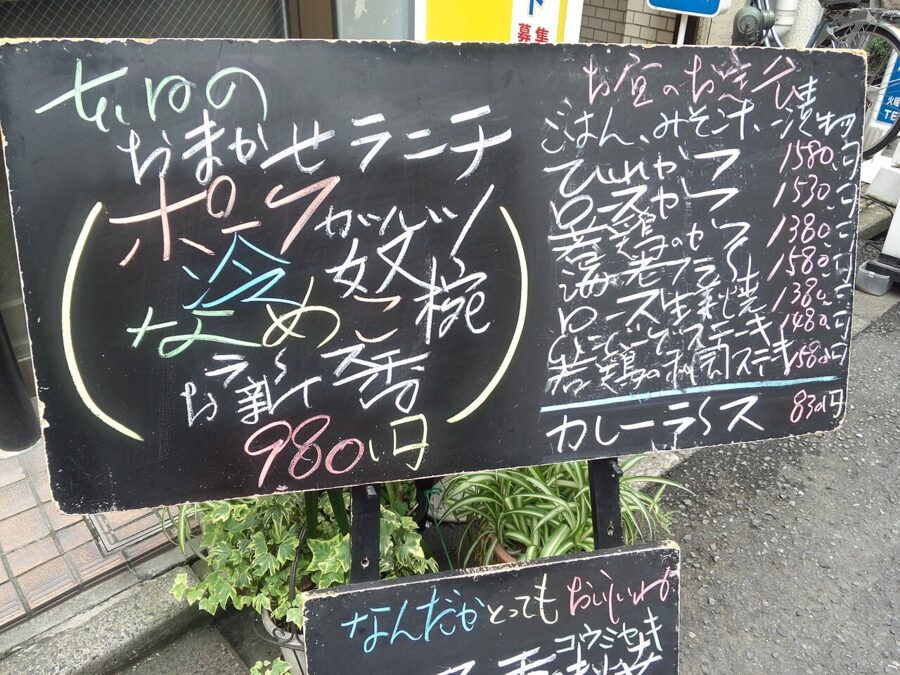
| ランチ | ranchi | lunch, usually a set at a fixed price |
| ライス | raisu | rice, served on a plate with Western-style food |
| カレーライス | karē raisu | Japanese curry and rice |
| ハンバーグ | hanbāgu | hamburg steak, a beef patty with sauce, no bun |
| オムライス | omuraisu | omelet wrapped around fried rice |
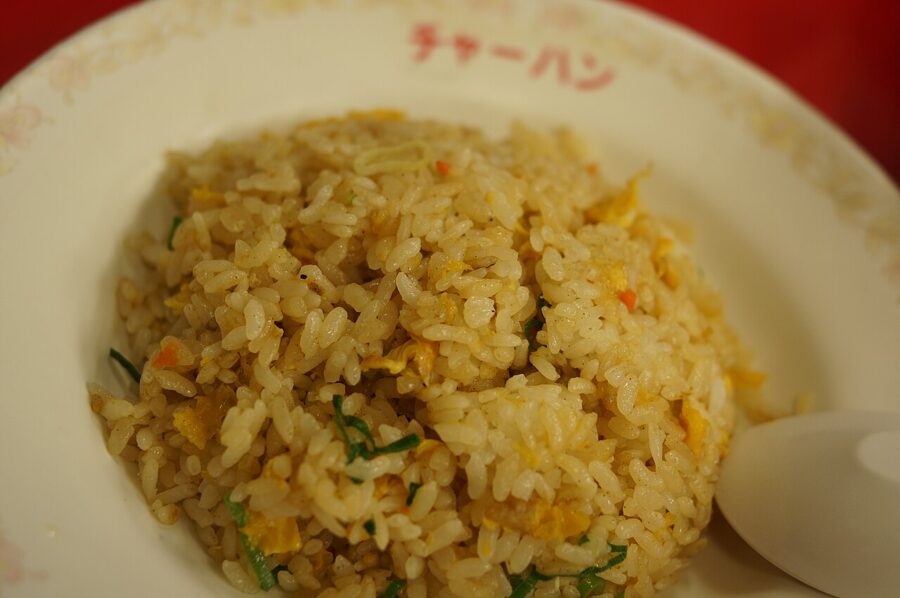
| チャーハン | chāhan | fried rice (from Chinese, not English) |
| ドリンクバー | dorinku bā | self-serve drinks, refill as often as you like |
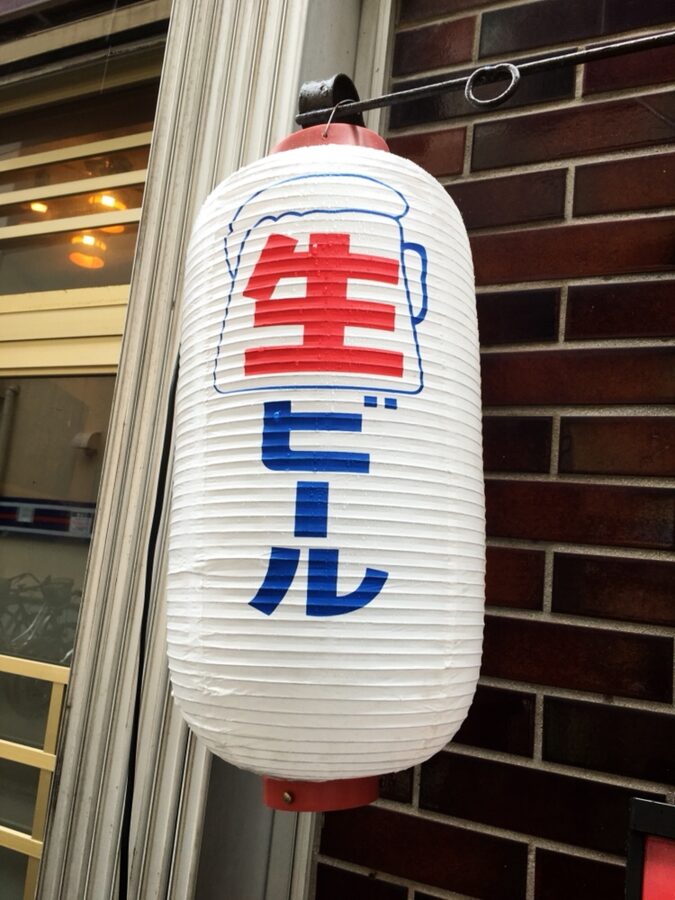
| ビール / 生ビール | bīru / nama bīru | beer / draft beer |
| ハイボール | haibōru | whisky and soda |
| サワー | sawā | a sour: shochu with soda and fruit |
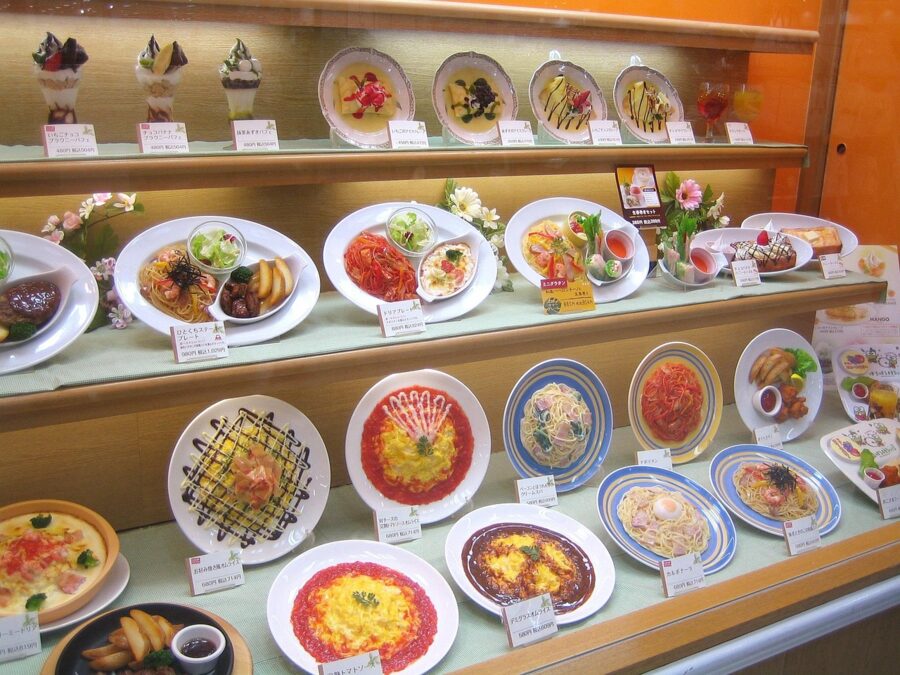
Japanese dishes themselves are mostly written in kanji or hiragana, so a menu of traditional foods asks more of you than a café menu does. The drinks list at an izakaya is the reverse: half of it is katakana.


In shops and the convenience store
| Katakana | Reading | Meaning |
|---|---|---|
| レジ | reji | checkout, cash register |
| レシート | reshīto | receipt |
| ポイントカード | pointo kādo | loyalty card |
| レジ袋 | reji-bukuro | plastic shopping bag |
| ドラッグストア | doraggu sutoa | drugstore |
| トイレ | toire | toilet, restroom |
| エレベーター / エスカレーター | erebētā / esukarētā | elevator / escalator |
| コインロッカー | koin rokkā | coin lockers for bags |
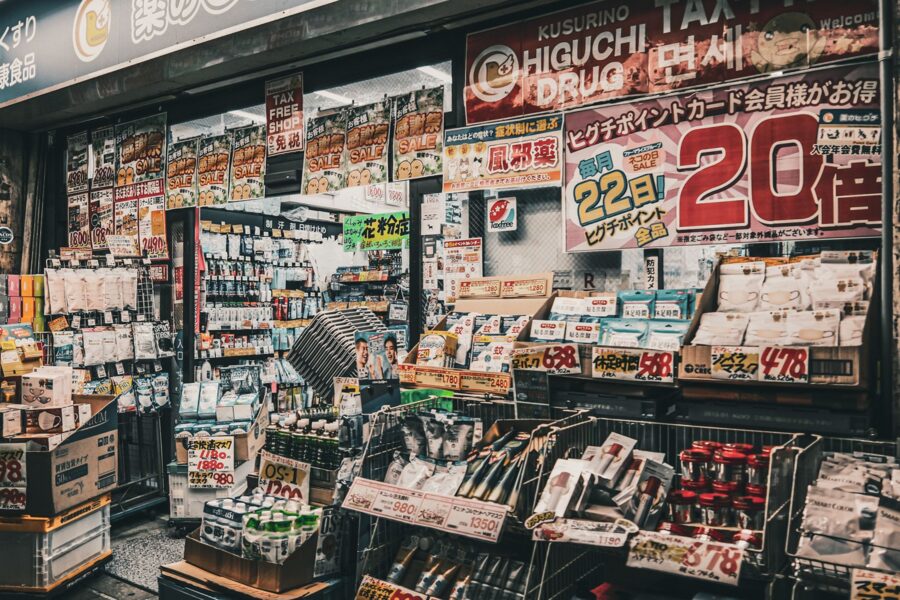
At almost every till you will hear ポイントカードはお持ちですか (pointo kādo wa omochi desu ka), “do you have a point card?” A small shake of the head is a full answer. トイレ is the word to look for on a sign, and the Japanese toilet itself has its own set of buttons to read.
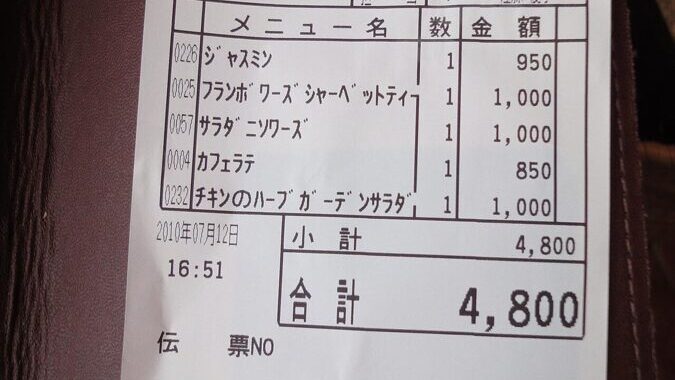
Receipts sometimes print half-width kana (半角カナ), a squeezed form from the days of small computer character sets. The voicing mark takes its own space: カフェラテ is カフェラテ, café latte.

Getting around
| Katakana | Reading | Meaning |
|---|---|---|
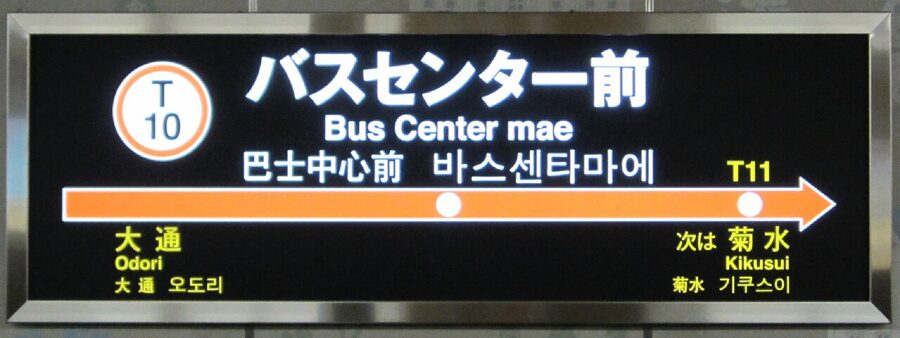
| タクシー乗り場 | takushī noriba | taxi stand |
| バス / バス停 | basu / basu-tei | bus / bus stop |
| ホーム | hōmu | train platform |
| ホテル / フロント | hoteru / furonto | hotel / front desk |
| チェックイン / チェックアウト | chekku-in / chekku-auto | check-in / check-out |
| チャージ | chāji | topping up a transit card |
For signs that defeat you, a translation app’s camera on a rented phone or SIM will read them.
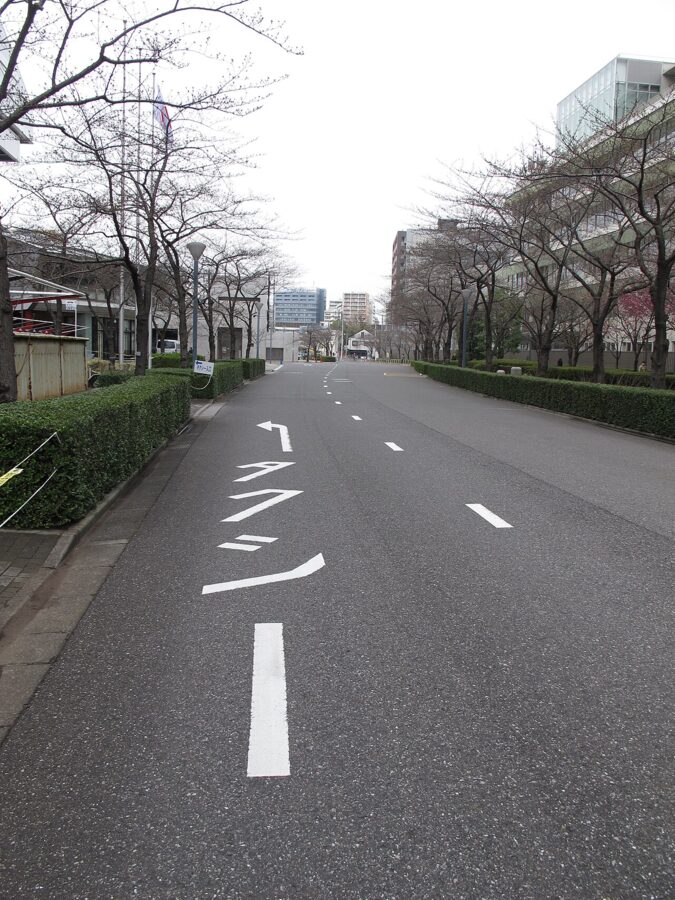

Lookalikes: シ and ツ, ソ and ン
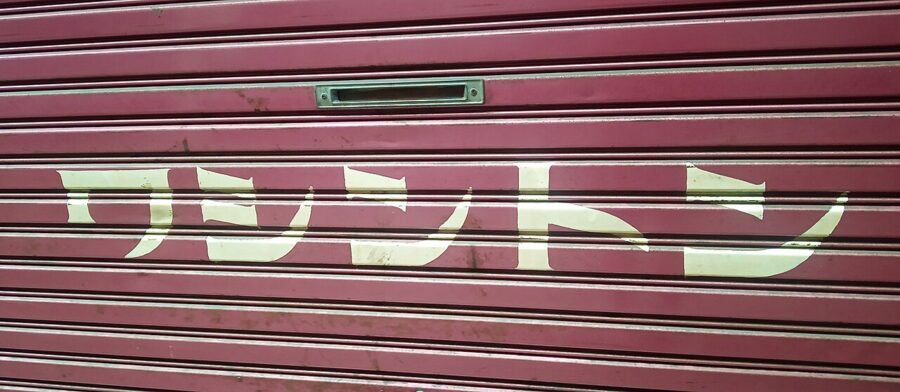
Four katakana cause most of the mistakes. シ (shi) and ツ (tsu) are both two dots and a long stroke; ソ (so) and ン (n) are both one dot and a long stroke. The difference is direction.
- シ and ン: the dots sit on the left, stacked more flatly, and the long stroke sweeps up from the bottom left.
- ツ and ソ: the dots sit along the top, more upright, and the long stroke falls down from the top right.

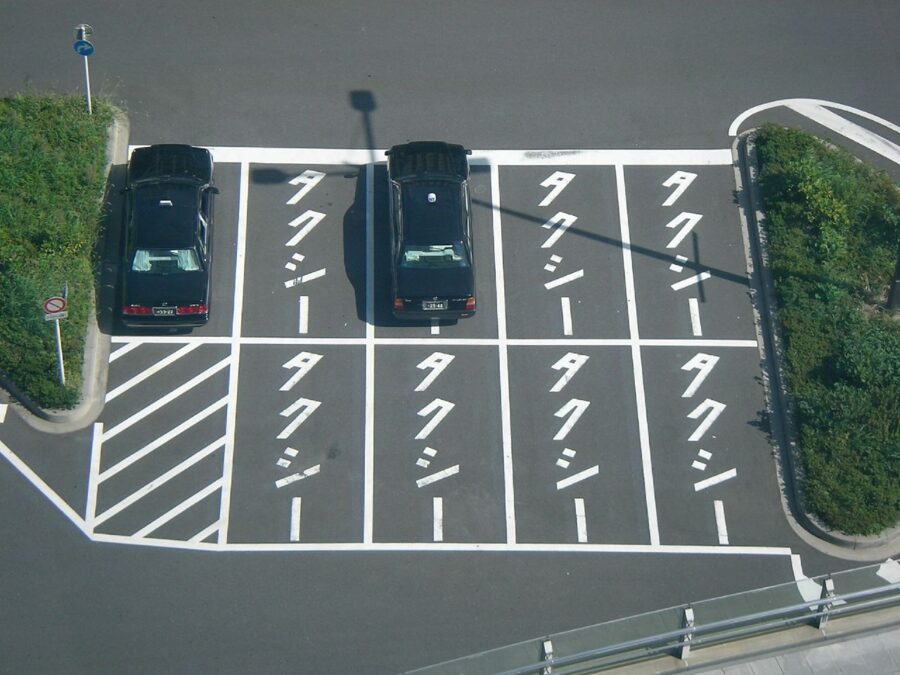
A second group differs by one stroke. タ (ta) is ク (ku) with a short line inside, and ケ (ke) adds a long stroke falling from the middle. ウ (u) is ワ (wa) with a tick on top, and フ (fu) is ワ without its left side.
Then there are kanji twins. ロ (ro) looks like 口 (mouth), the kanji inside 出口 (deguchi, exit); カ (ka) looks like 力 (power), エ (e) like 工 (craft), ニ and ハ like 二 and 八, and ー like 一 (one). Context settles them.
Your own name in katakana
Japanese writes a foreign name by sound, not by spelling. Michael is マイケル (Maikeru), Sarah is サラ (Sara), Smith is スミス (Sumisu). Given name comes first, then family name, with a middle dot between them: ジョン・スミス, John Smith.
Your name may come out more than one way, and none of them is wrong. David appears as デビッド, デイビッド and デヴィッド. The 1991 notice says in its preface that it does not bind personal or company names, so the choice is custom, and a clerk’s spelling of yours is a fair reading.
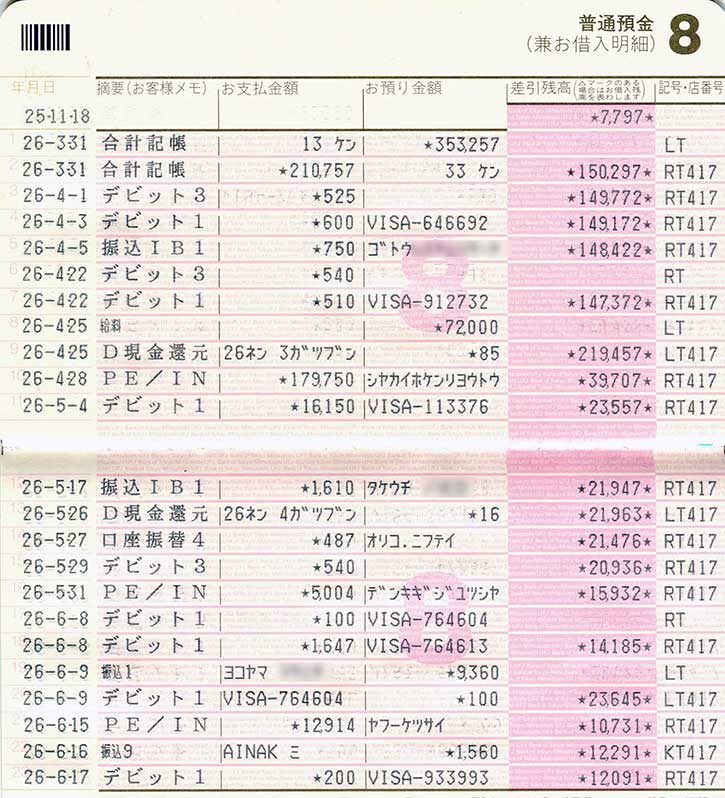
To work out your own, say it slowly, give every consonant a vowel, and pick from the chart: Christopher becomes クリストファー (Kurisutofā). A form may have a line marked フリガナ (furigana) above the name box for the reading in katakana. Residents who open a bank account find their name stored in katakana.
How to learn katakana in a week after hiragana
If you read hiragana, katakana takes about a week of twenty-minute sessions to recognize, and a few weeks of real menus to read at speed.
Start with the ones that look like their hiragana partners: カ/か, キ/き, ヘ/へ, モ/も, ヤ/や, リ/り, セ/せ. Then a few rows a day:
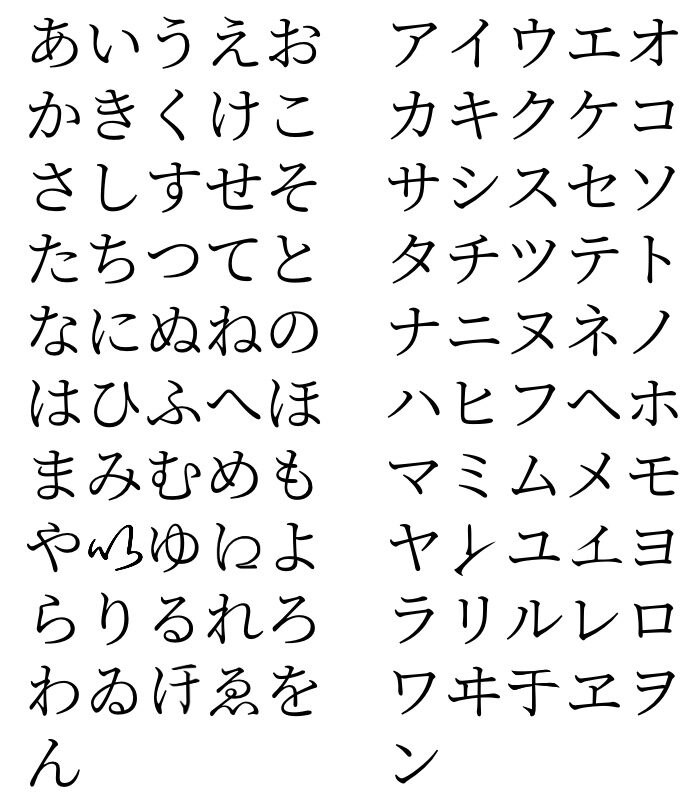

- Day 1: the vowels and the k and s rows, ア to ソ.
- Day 2: the t, n and h rows, タ to ホ.
- Day 3: the m, y, r and w rows and ン.
- Day 4: voiced marks, small letters and the bar ー.
- Day 5: the lookalikes, until you sort them without stopping.
- Day 6: the foreign-sound combinations (ティ, ファ, ヴ) and your own name.
- Day 7: read a real menu or drinks machine out loud.
Any spaced-repetition flashcard app works, and writing the lookalikes by hand helps. On a phone, the Japanese keyboard turns romaji such as ko-hi- into katakana; pick it from the suggestions.
When a word will not resolve, ask: すみません (sumimasen), the all-purpose excuse me, and a finger on the menu.
Start with the bar. Once you know that ー holds a sound, コーヒー, ビール and タクシー read themselves, and most of the rest of katakana is English you already speak, said slowly.